An aging engineer pursues a scheme to build a flying machine at the expense of his family's health. When his daughter falls ill, he enters a flying competition to win money for her treatment, even though his design is dangerously untested.
Armand Dutertre
as
Georges Melchior
Jeanne Marie-Laurent
Suzanne Privat
Maurice Vinot
as The son
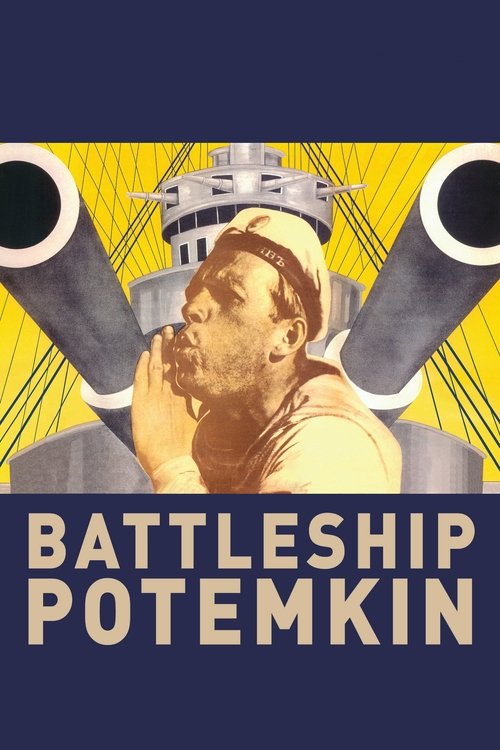
A dramatized account of a great Russian naval mutiny and a resultant public demonstration, showing support, which brought on a police massacre.
A married farmer falls under the spell of a slatternly woman from the city, who tries to convince him to drown his wife.
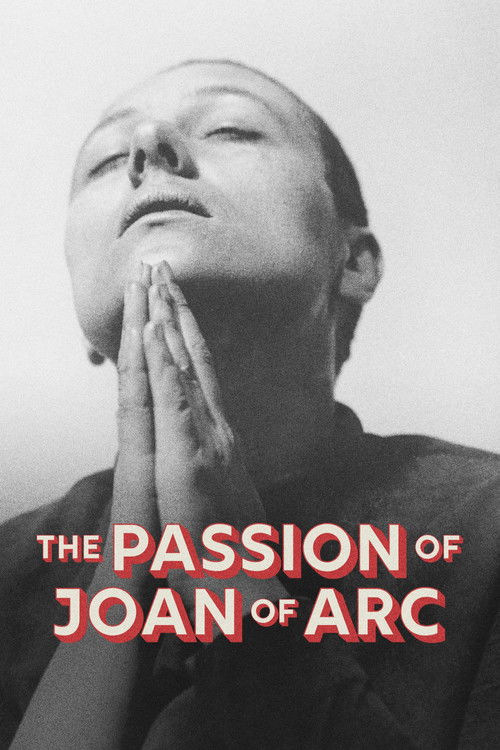
A classic of the silent age, this film tells the story of the doomed but ultimately canonized 15th-century teenage warrior. On trial for claiming she'd spoken to God, Jeanne d'Arc is subjected to inhumane treatment and scare tactics at the hands of church court officials. Initially bullied into changing her story, Jeanne eventually opts for what she sees as the truth. Her punishment, a famously brutal execution, earns her perpetual martyrdom.
The love story of an abused English girl and a Chinese Buddhist in a time when London was a brutal and harsh place to live.
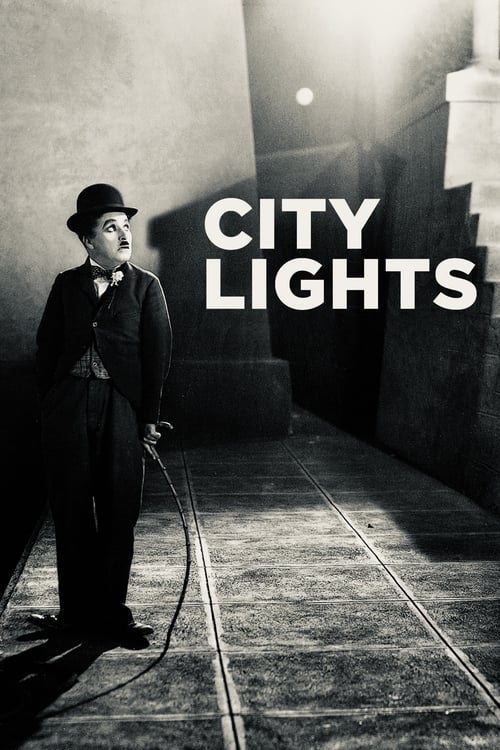
A tramp falls in love with a beautiful blind flower girl. His on-and-off friendship with a wealthy man allows him to be the girl's benefactor and suitor.
The rise and inevitable fall of an amoral but naive young woman whose insouciant eroticism inspires lust and violence in those around her.
Oscar Krug is looked upon with suspicion by his neighbors because of his German name. When the US is drawn into the war with Germany, he enlists and travels the seas with his wife, Alice Morse. During a submarine attack Alice is snatched from Krug's side by a German officer. Krug now lives to have his revenge, and when the opportunity presents itself, he will have it.
Charles Abbott is implicated in the death of his friend Escobar, brother to the woman he loves.
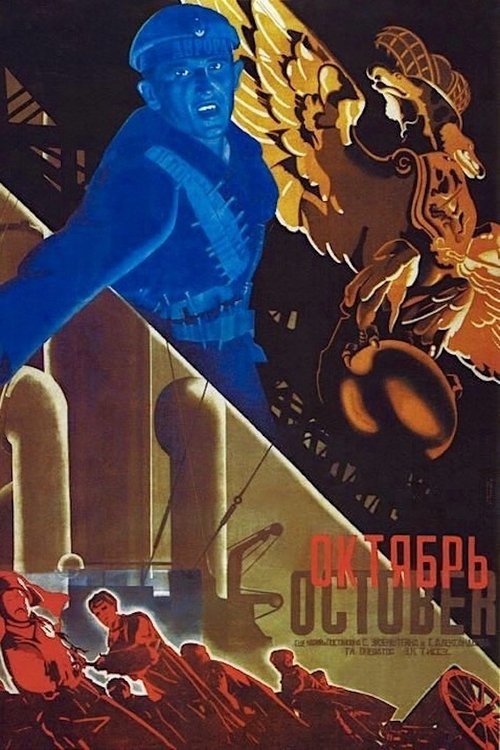
Sergei M. Eisenstein's docu-drama about the 1917 October Revolution in Russia. Made ten years after the events and edited in Eisenstein's 'Soviet Montage' style, it re-enacts in celebratory terms several key scenes from the revolution.
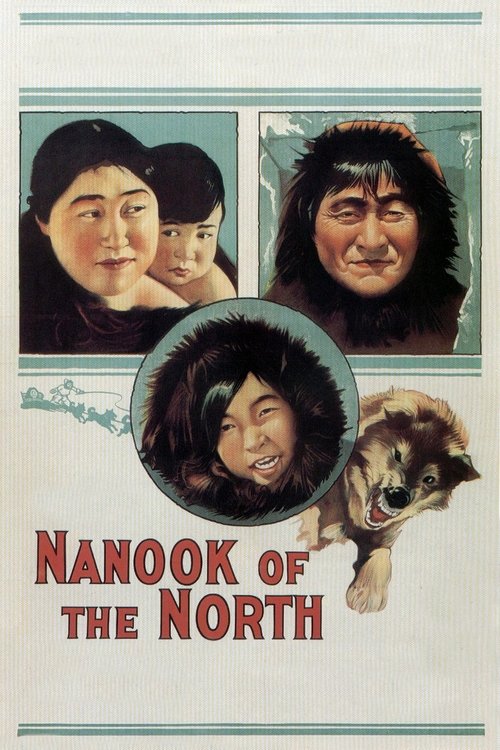
This pioneering documentary film depicts the lives of the indigenous Inuit people of Canada's northern Quebec region. Although the production contains some fictional elements, it vividly shows how its resourceful subjects survive in such a harsh climate, revealing how they construct their igloo homes and find food by hunting and fishing. The film also captures the beautiful, if unforgiving, frozen landscape of the Great White North, far removed from conventional civilization.
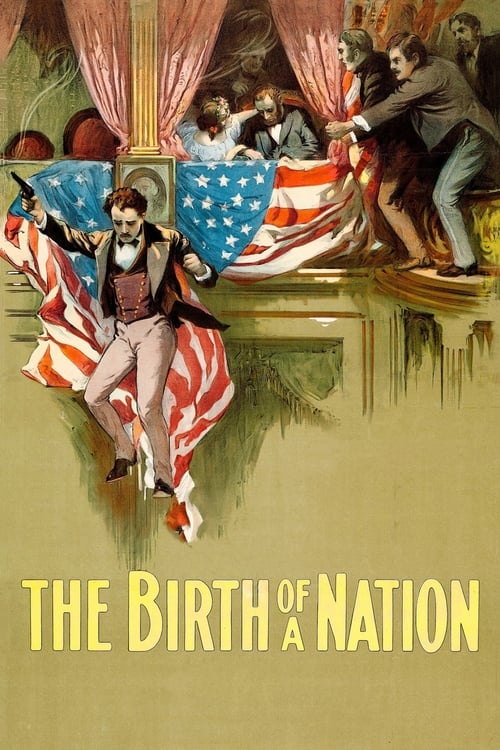
Two families, abolitionist Northerners the Stonemans and Southern landowners the Camerons, intertwine. When Confederate colonel Ben Cameron is captured in battle, nurse Elsie Stoneman petitions for his pardon. In Reconstruction-era South Carolina, Cameron founds the Ku Klux Klan, battling Elsie's congressman father and his African-American protégé, Silas Lynch.
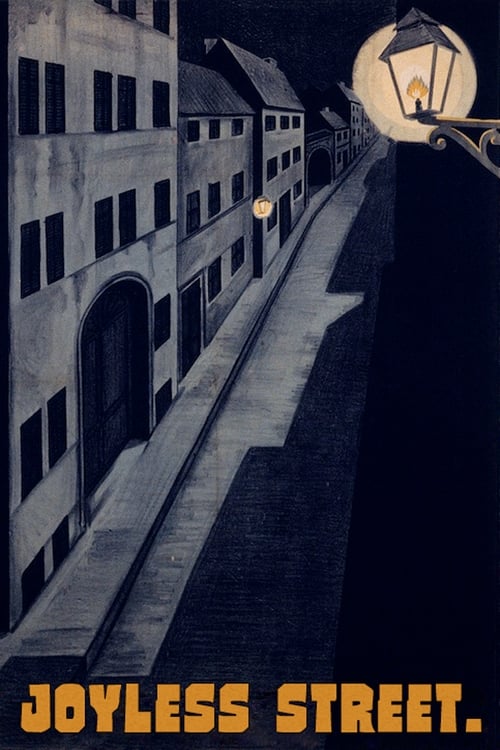
In 1921, we follow two women - Marie and Grete - from the same poor Viennese neighborhood, as they try to better the lives of themselves and their families during the period of Austrian postwar hyperinflation.
Adrift in the vast expanse of the ocean, a solitary boat carries three castaways—a man and two women. Stranded and devoid of any glimmer of rescue, they find solace in recounting the tales of their lives to one another. As they delve into their personal narratives, reminiscing about the circumstances that led them to this desolate predicament, they navigate through the depths of three distinct destinies. Bound by the confines of their shared space, every aspect of their existence becomes a boundary, underscoring their plight.
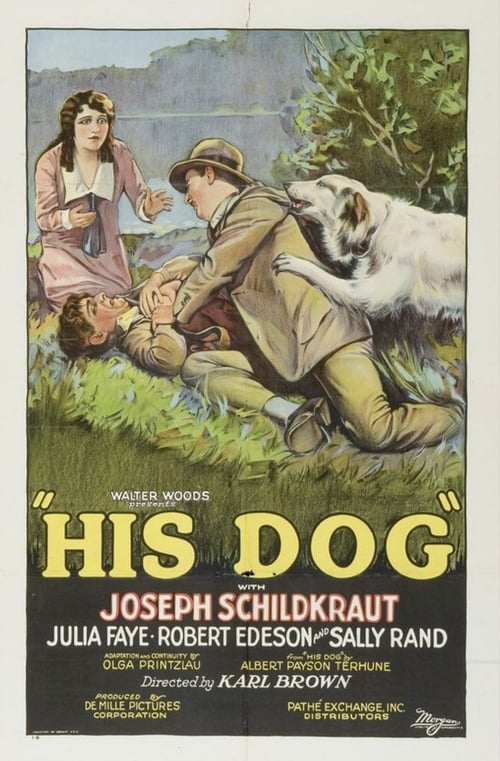
Peter Olsen, a young social outcast who lives alone on a rundown farm and raises vegetables for a living, finds his only consolation in liquor, though Dorcas Chatham, daughter of the general store owner, begs him to forego this indulgence. Returning from town, he finds a dog by the roadside, apparently injured by a car, and takes it home. Later, on a drunken spree, Peter is attacked by robbers, but the dog comes to his rescue and frightens the assailants away. Stirred by the unselfish devotion of his dog, Peter gradually regains his self-respect, and Dorcas falls in love with him and accepts his proposal, though she fears the dog. When Peter enters the dog in a show, another exhibitor proves to be its owner, and Peter is first parted from, then reunited with, "his" dog. Dorcas overcomes her fear and is united with Peter.
A sheep farmer brings his new wife to his father's ranch and the old man takes an instant dislike to her.
An aging doorman, after being fired from his prestigious job at a luxurious hotel, is forced to face the scorn of his friends, neighbours and society.
The daughter of a count and the son of a shoemaker, both Hungarian, fall in love in America. As they're about to marry, the young woman is called back to Europe. When her betrothed goes after her, difficulties ensue.
The heavily indebted baron Henrik von Hagen, who loves women and partying, learns that his former lover, Russian ballerina Madame Vera Vasiljevna, will be visiting Finland. They are reunited and sparks fly. But Vasiljevna's new hobby casts a shadow over their romance.
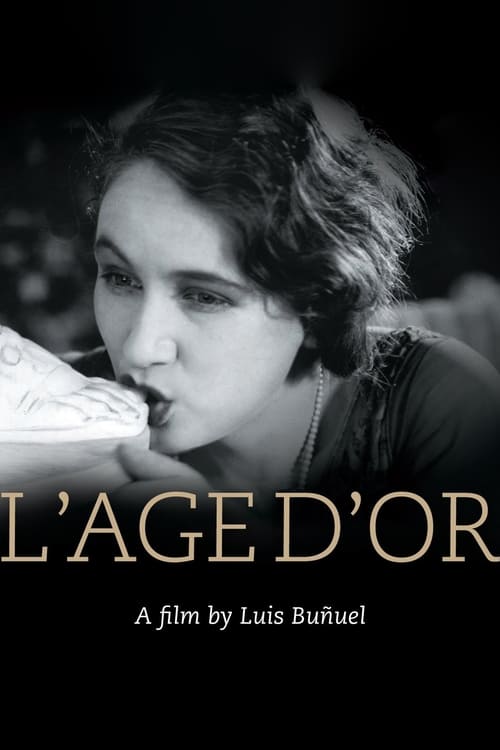
The film consists of a series of tightly interlinked vignettes, the most sustained of which details the story of a man and a woman who are passionately in love. Their attempts to consummate their passion are constantly thwarted, by their families, by the Church and bourgeois society in general.
One out of three silent adaptations of the novella "Les quatre diables" written by Danish author Herman Bang. The most famous one, although unfortunately lost, is without any doubt F.W. Murnau's "4 Devils". This German version, by Danish director A.W. Sandberg, was done eight years prior to Murnau's American one, and was a big success at the time.