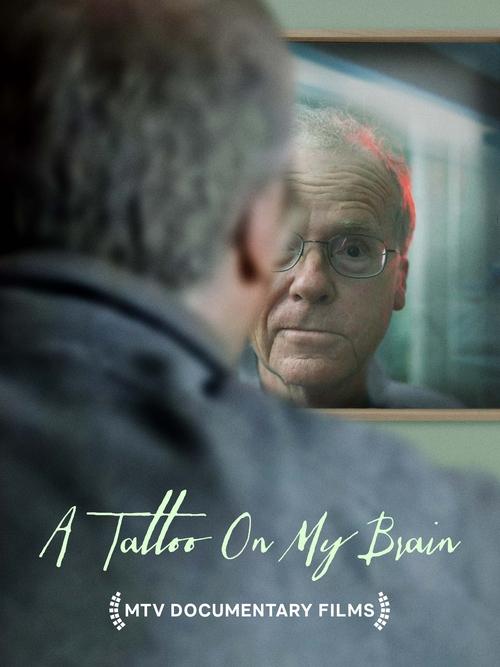
Every weekend for six years, Jessica takes a bus from NYC, where she lives and works as a set decorator, to Boston, her hometown, where she cares for her dad, Aloysius, who is 87 and has advanced Alzheimer's disease.
The film features a conversation between Lucas and Francis Ford Coppola, producer of THX 1138. They discuss Lucas' vision for the film, including his ideas about science fiction in general and in particular his concept of the "used future" which would famously feature in his film Star Wars. Intercut with this discussion is footage shot prior to the start of production of THX 1138 showing several of its actors having their heads shaved, a requirement for appearing in the film. In several cases the actors are shown being shaved in a public location. For example, Maggie McOmie is shaved outside the Palace of Fine Arts in San Francisco, while Robert Duvall watches a sporting event as his hair is cut off. Another actor, Marshall Efron, who would later play an insane man in the film, cut off his own hair and was filmed doing so in a bathtub.
A documentary about Pier Paolo Pasolini and his film 'Salò o le 120 giornate di Sodoma'.
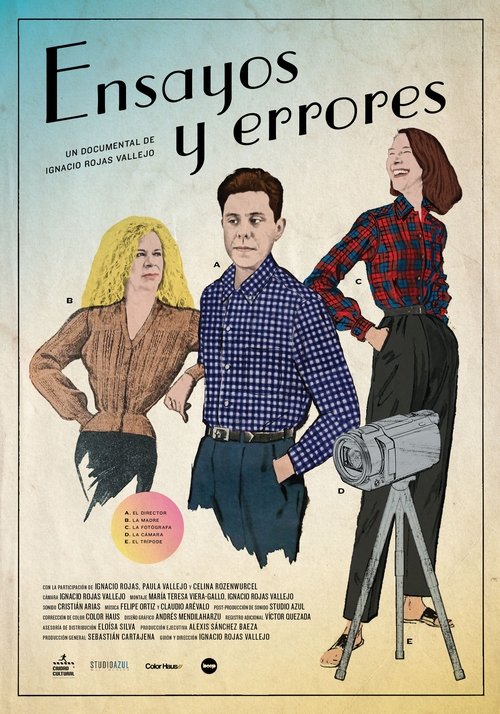
An experimental journey through a year in the life of the director, using his always playing playlist to cross the boundaries of fiction and documentary. Through scenes of both comedy and tragedy, realistic documentary footage and experimental sequences of the director's environment and daily life we get a sometimes estranging image of a young man and also an intriguing insight in his mindset and how this translates to the imagery on screen.
In 2023, 1% of New York City's population experienced homelessness. The 1% film aims to raise awareness of a dire crisis that is often normalized and hidden in plain sight.
A documentary by writer and filmmaker Daniel Bird about the making of Sergei Parajanov's 'The Colour of Pomegranates'.
Five million Americans suffer from Alzheimer's disease and dementia—many of them alone in nursing homes. A man with a simple idea discovers that songs embedded deep in memory can ease pain and awaken these fading minds. Joy and life are resuscitated, and our cultural fears over aging are confronted.
An observational film that using the fragmented format of a newscast program proposes a cinematic glance to the same reality depicted daily by the media.
The American comedian/actor delivers a story about the alternative Hip Hop scene. A small town Ohio mans moves to Brooklyn, New York, to throw an unprecedented block party.
Lou Colpé has been filming her grandparents since she was 15. In the process of this intense relationship, she notices some disconcerting signs in her grandmother: Alzheimer’s is slowing her down. A new film begins, a tougher one: the story of a couple that must face a tremendous challenge. Struggling against the tide of oblivion, the task of filmmaking becomes the ultimate act of resistance. Trying to retain the last images of her grandparents, an intimate conversation begins and echoes through the songs that play on the radio, conjuring lost stories and memories.
Violeta and Vyollca Dukay live in the south of Kosovo, close to the border with Albania. Faced with a very high unemployment in their country since the end of the war, they became deminers. They’ve been going to the minefields every day for six years now. The unique and very strong relationship that exists between the two sisters helps them to overcome their fear and to keep hoping in spite of the precariousness of their situation and the risks they run each day to earn their living.
The history of Europeans in North America, from the arrival of Columbus in 1492 to the business success of German immigrants such as Heinz, Strauss or Friedrich Trumpf, Donald Trump's grandfather. During the 19th century, thirty million people — Germans, Irish, Scots, Russians, Hungarians, Italians and many others — left the old continent, fleeing poverty, racism or political repression, hoping to make a fortune and realize the American dream.