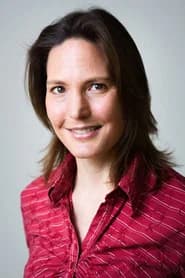
Physicist Dr Helen Czerski takes us on a journey into the science of bubbles - not just fun toys, but also powerful tools that push back the boundaries of science.
Helen Czerski
as Herself - Presenter
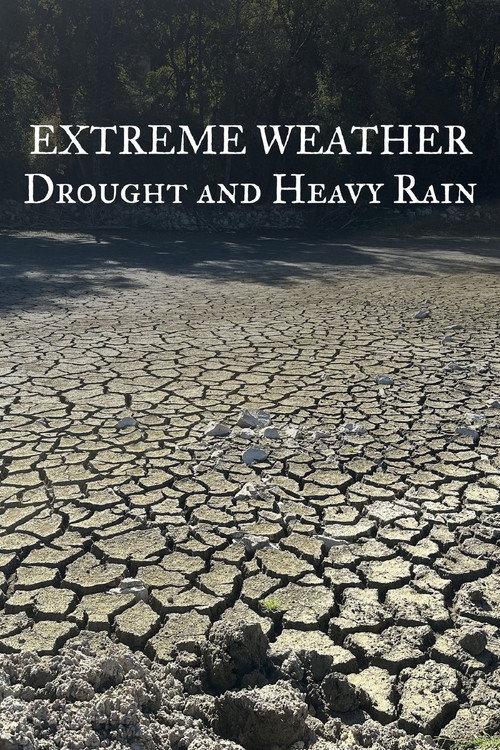
Extreme weather events are becoming increasingly frequent as a result of climate change. The combination of drought and heavy rainfall is particularly dangerous for both people and nature. Heat weakens natural habitats, whilst heavy rainfall can subsequently destroy entire areas. This exacerbates species extinction as well as problems in food and water supply. This documentary follows scientists, farmers and local stakeholders as they grapple with climate change.
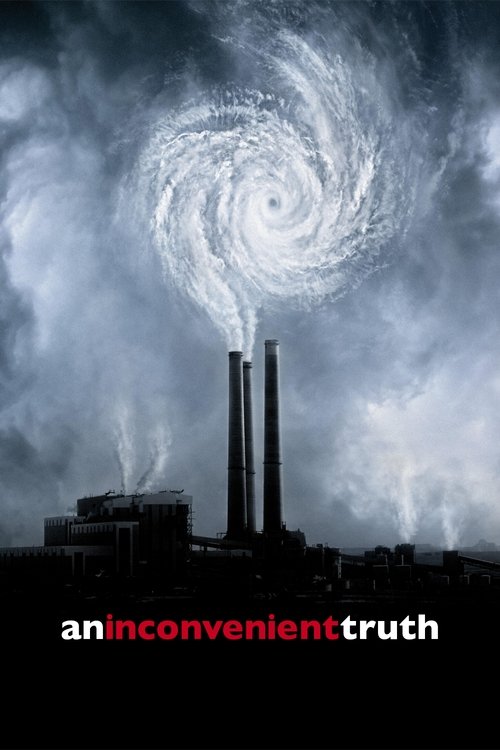
A documentary on Al Gore's campaign to make the issue of global warming a recognized problem worldwide.
This shows physicist Stephen Hawking's life as he deals with the ALS that renders him immobile and unable to speak without the use of a computer. Hawking's friends, family, classmates, and peers are interviewed not only about his theories but the man himself.
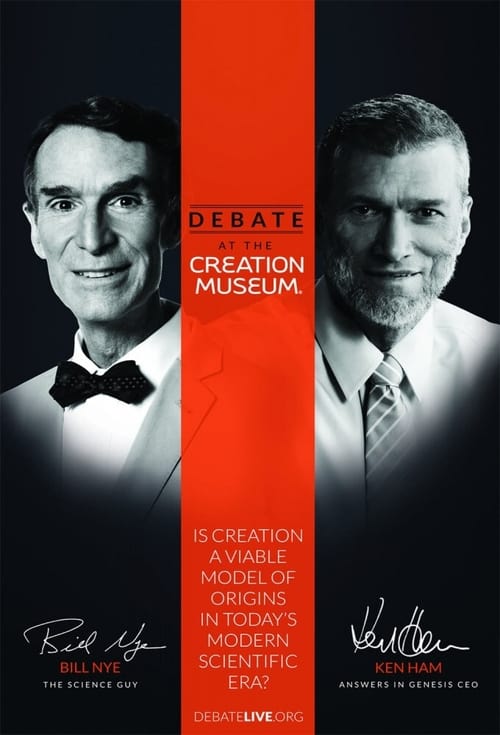
Bill Nye and Ken Ham debate whether creation is a viable model of origins in today's modern scientific era.
A feature documentary about the journey of mankind to discover our true force and who we truly are. It is a quest through science and consciousness, individual and planetary, exploring our relationships with ourselves, the world around us and the universe as a whole.
This 90-minute documentary brings to life Gavin Pretor-Pinney’s international bestseller, “The Cloudspotter’s Guide”, which draws on science, meteorology and mythology for a magical journey through the world of clouds. It is no dry treatise on the science of nephology but a playful trip through the varied beauty and distinctive personalities of the ten principal cloud types From the ethereal cirrus to the terrifying cumulonimbus, the film tells the story of the short but eventful life of clouds and their importance to our planet. Find out how immense quantities of water can stay up in the sky for so long and how lightning and thunder are created.
Peter Westerveld, artist and visionary, doesn’t want institutions to resolve the problems linked to earth’s problems. Growing up in Africa, he witnessed the advance of the desert and dedicated himself to finding solutions for the ongoing erosion and desertification of the land. The film follows Peter and the NGO working with him to realise his project; to build contour trenches that capture and store rain water under the surface and replenish the desert land.
A physicist, a director of popular-science films, and a sports fan talk about the structure of the atom between periods of a hockey game they watch on TV.
To the Least of My Brothers and Sisters is a new documentary on the life of Jerome Lejeune, the Father of Modern Genetics that was made to celebrate the 20th anniversary of his death. Filmed on two continents, it contains numerous interviews with former colleagues, families, current medical researchers, and others, all who express the importance of Jerome Lejeune in both the history of medicine and the defense of the dignity of human life.
William Shatner sits down with scientists, innovators and celebrities to discuss how the optimism of 'Star Trek' influenced multiple generations.
BP documentary film exploring the natural beauty of oil under the microscope, and through a variety of other techniques.
CERN and the University of California-Santa Barbara are collaborating in the search for the elusive substance that physicists and astronomers believe holds the universe together -- dark matter. Where is this search now in the realm of particle physics and what comes next?
Most people fully accept paranormal and pseudoscientific claims without critique as they are promoted by the mass media. Here Be Dragons offers a toolbox for recognizing and understanding the dangers of pseudoscience, and appreciation for the reality-based benefits offered by real science.
Many geneticists and archaeologists have long surmised that human life began in Africa. Dr. Spencer Wells, one of a group of scientists studying the origin of human life, offers evidence and theories to support such a thesis in this PBS special. He claims that Africa was populated by only a few thousand people that some deserted their homeland in a conquest that has resulted in global domination.
The use of embryonic stem cells has ignited fierce debate across the spiritual and political spectrum. But what if we could create manmade stem cells - or find super cells in adults that could forever replace embryonic cells and remove the controversy? Today, we are on the brink of a new era - an age where we may be able to cure our bodies of any illness. Stephen HAWKING has spent his life exploring the mysteries of the cosmos, now there is another universe that fascinates him - the one hidden inside our bodies - our own personal galaxies of cells.