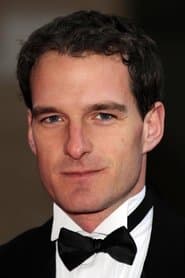
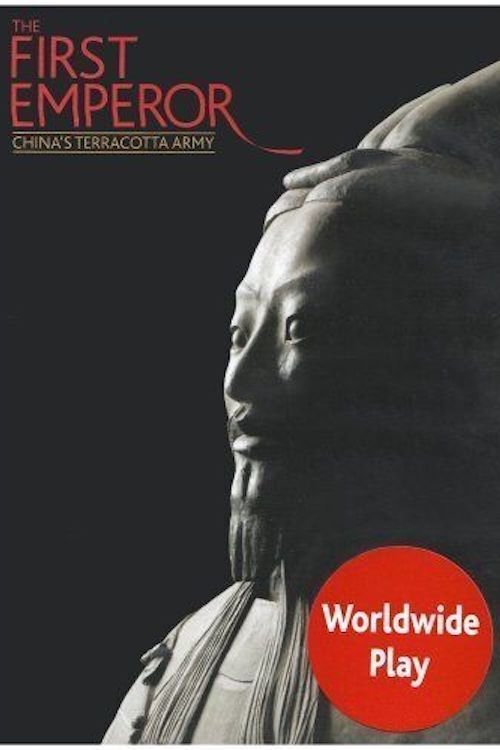
Dan Snow, Dr Alice Roberts and Dr Albert Lin investigate a series of earth-shattering discoveries at a mighty tomb guarded by the Terracotta Warriors in China.
Alice Roberts
as Herself - Presenter
Dan Snow
as Himself - Presenter
Albert Yu-Min Lin
In Uganda, AIDS-infected mothers have begun writing what they call Memory Books for their children. Aware of the illness, it is a way for the family to come to terms with the inevitable death that it faces. Hopelessness and desperation are confronted through the collaborative effort of remembering and recording, a process that inspires unexpected strength and even solace in the face of death.
Beginning just after the bloody Sioux victory over General Custer at Little Big Horn, the story is told through two unique perspectives: Charles Eastman, a young, white-educated Sioux doctor held up as living proof of the alleged success of assimilation, and Sitting Bull the proud Lakota chief whose tribe won the American Indians’ last major victory at Little Big Horn.
Tour of the White House with Mrs. John F. Kennedy was a television special featuring the First Lady of the United States, Jacqueline Kennedy on a tour of the recently renovated White House. It was broadcast on Valentine's Day, February 14, 1962, on both CBS and NBC, and broadcast four days later on ABC. The program was the first ever First Lady televised tour of the White House, and has since been considered the first prime-time documentary specifically designed to appeal to a female audience.
In 2007, the Writers Guild of America, the Screenwriters Union, hit an impasse in their contract negotiations with the Studios. At the center of the dispute was jurisdiction over the internet. Unable to make progress, the WGA called a strike which brought Hollywood to a halt for 100 days.
Esma, Berk and Hasan are three people who try to escape the troubles of life with the help of a video game called Discovery. These three young people is sucked into the game in a mystical way. They find themselves in the battle of Gallipoli.
Cultural documentary featuring a Chinese folk dance performance held in the courtyard of Auguste François's house in Yunnanfu, present-day Kunming, China. Four dancers interact in an artistic performance. Produced in 1901 by Societé L. Gaumont et Cie. and directed by French photographer and diplomat Auguste François. Working as a French diplomatic consul in China, Auguste François shot a large number of films, most of which are still preserved, showing aspects of Chinese society in the last years of the last Chinese monarchical dynasty, the Qing. This film was only released commercially in 1905 as part of the collection "Au Pays des Mandarins".
This is a film with music. Or about the music and texts that accompany, in a poetic way, a decisive battle between Unitarian and Federalists. The vicissitudes of the birth of a nation based on the play written by Mariano Llinás and Gabriel Chwojnik, whose images achieve some hypnotic strength.
At Evergreen Primary School in Wuhan, China, a Grade 3 class learns what democracy is when an election for class monitor is being held. Three children are chosen by the teacher as candidates and they have a few days to campaign and convince their classmates to vote for them. The little candidates are seen at school and at home, where their parents do their best to make sure their child will win the election.
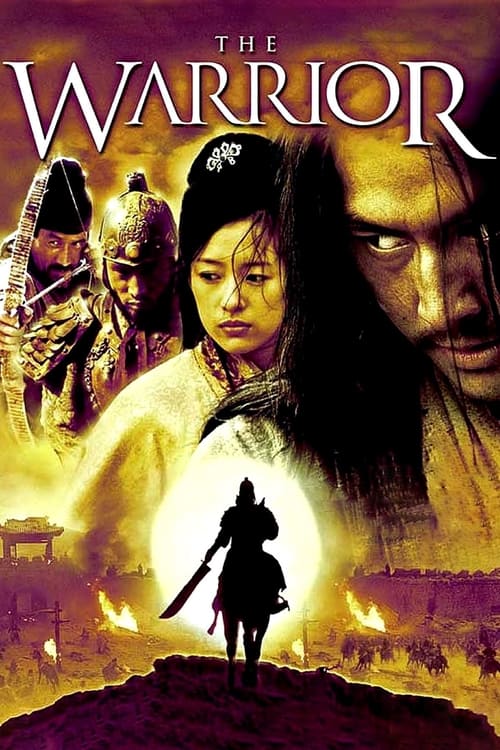
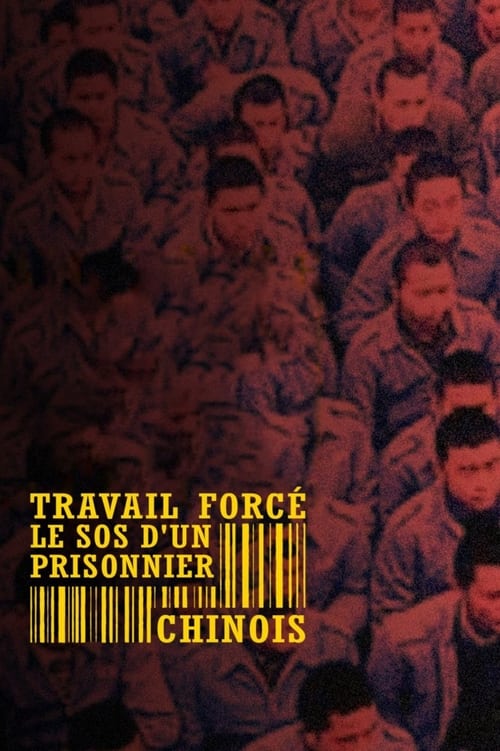
Japanese troops round up Chinese and Russian prisoners of war and take them to unit 731, where they're horribly tortured and experimented on to test new biological weapons.
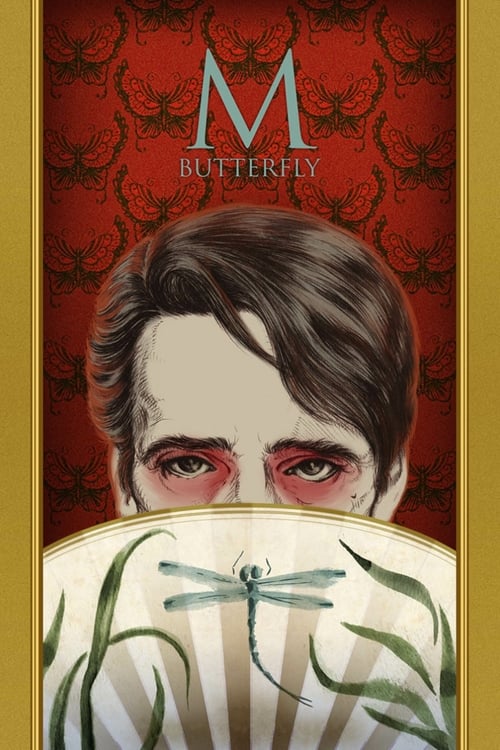
Paris, 1884. Bella Fontanges, a renowned ballerina, is married to Georges de Segar. But after just a few years together, the couple slowly sinks into weariness. Bella has forgotten what happiness used to taste like. Then a mysterious squire appears. Aware of the couple's faltering situation, he makes Bella and Georges a most astonishing proposal: he claims to be able to separate Good from Evil in Georges. Reluctant at first, the couple eventually agrees to play along. But it's not long before they realize that in Georges, it's Evil that has prevailed.
The enigma of the personality cult is revealed in the grand spectacle of Stalin’s funeral. The film is based on unique archive footage, shot in the USSR on March 5 - 9, 1953, when the country mourned and buried Joseph Stalin.
A historical drama set in Roman Egypt, concerning philosopher Hypatia of Alexandria and her relationship with her slave Davus, who is torn between his love for her and the possibility of gaining his freedom by joining the rising tide of Christianity.
It's 1974. Muhammad Ali is 32 and thought by many to be past his prime. George Foreman is ten years younger and the heavyweight champion of the world. Promoter Don King wants to make a name for himself and offers both fighters five million dollars apiece to fight one another, and when they accept, King has only to come up with the money. He finds a willing backer in Mobutu Sese Suko, the dictator of Zaire, and the "Rumble in the Jungle" is set, including a musical festival featuring some of America's top black performers, like James Brown and B.B. King.
How do you reconcile a commitment to non-violence when faced with violence? Why do the poor often seem happier than the rich? Must a society lose its traditions in order to move into the future? These are some of the questions posed to His Holiness the Dalai Lama by filmmaker and explorer Rick Ray. Ray examines some of the fundamental questions of our time by weaving together observations from his own journeys throughout India and the Middle East, and the wisdom of an extraordinary spiritual leader. This is his story, as told and filmed by Rick Ray during a private visit to his monastery in Dharamsala, India over the course of several months. Also included is rare historical footage as well as footage supplied by individuals who at great personal risk, filmed with hidden cameras within Tibet.
They were more than a million Jews. Between 1946 and 1974, this million is the number of forgotten fugitives, expelled from the Arab world, and whom history would like to forget, while the victims themselves have hidden their fate under a veil of modesty.
A testament to NASA's Apollo program of the 1960s and '70s. Composed of actual NASA footage of the missions and astronaut interviews, the documentary offers the viewpoint of the individuals who braved the remarkable journey to the moon and back.