The film gives insight in the living conditions of Jewish citizens since 1933 in Germany and the everyday life in the concentration camps, such as in the Main camp of Auschwitz, Mauthausen and Ebensee.
Werner Bab
as
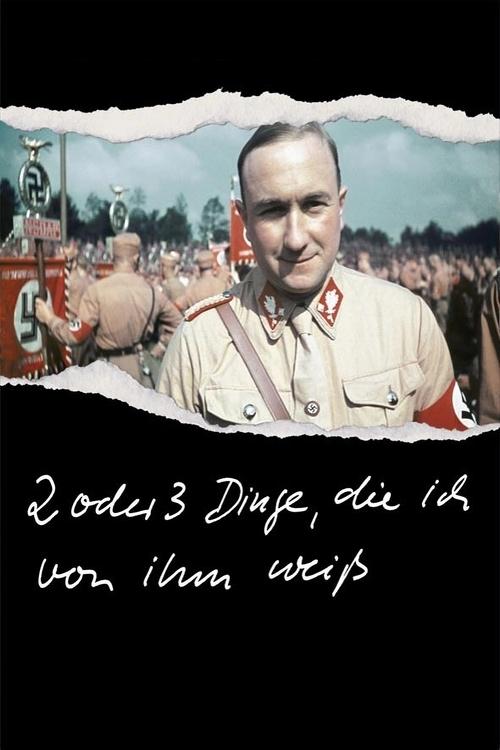
What would your family reminiscences about dad sound like if he had been an early supporter of Hitler’s, a leader of the notorious SA and the Third Reich’s minister in charge of Slovakia, including its Final Solution? Executed as a war criminal in 1947, Hanns Ludin left behind a grieving widow and six young children, the youngest of whom became a filmmaker. It's a fascinating, maddening, sometimes even humorous look at what the director calls "a typical German story." (Film Forum)
Filmmaker Alain Resnais documents the atrocities behind the walls of Hitler's concentration camps.
A documentary chronicling the adolescent years of Elie Wiesel and the history of his sufferings. Eliezer was fifteen when Fascism brutally altered his life forever. Fifty years later, he returns to Sighetu Marmatiei, the town where he was born, to walk the painful road of remembrance - but is it possible to speak of the unspeakable? Or does Auschwitz lie beyond the capacity of any human language - the place where words and stories run out?
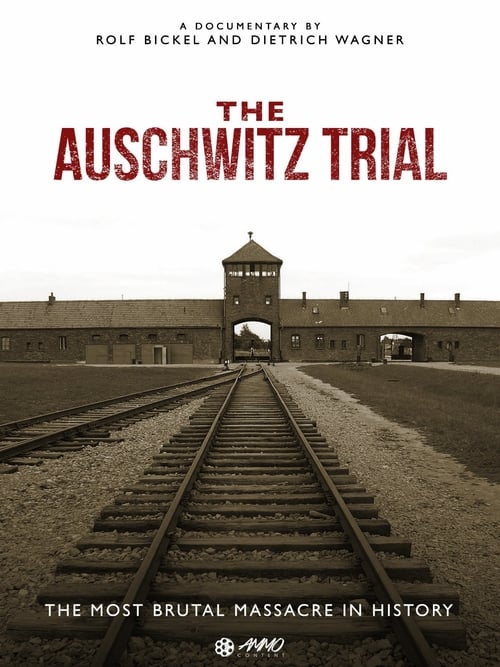
The biggest trial of Nazi war crimes ever: 360 witnesses in 183 days of trial - a stunning and gripping portrayal of the most terrible massacre in history.
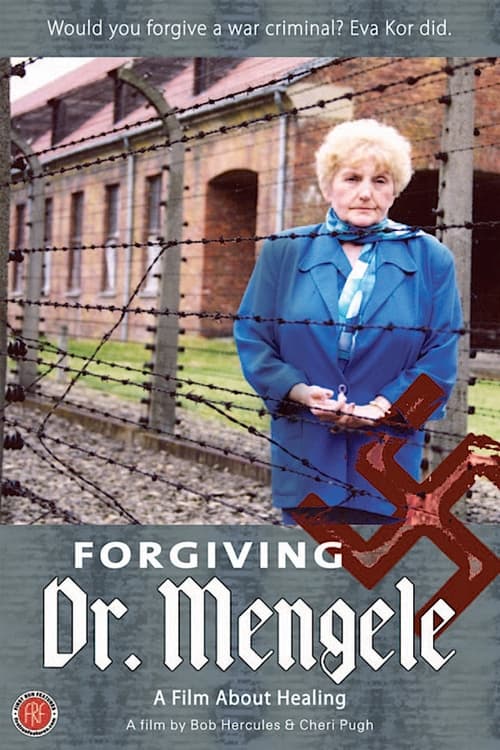
Eva Mozes Kor, who survived Josef Mengele's cruel twin experiments in the Auschwitz concentration camp, shocks other Holocaust survivors when she decides to forgive the perpetrators as a way of self-healing.
A captivating and personal detective story that uncovers the truth behind the childhood of Michaël Prazan's father, who escaped from Nazi-occupied France in 1942 thanks to the efforts of a female smuggler with mysterious motivations.
In 1944, two prisoners miraculously escaped from Auschwitz. They told the world of the horror of the Holocaust and raised one of the greatest moral questions of the 20th century.
This chilling, vitally important documentary was produced to mark the 40th anniversary of the liberation of Auschwitz Concentration Camp. The film contains unedited, previously unavailable film footage of Auschwitz shot by the Soviet military forces between January 27 and February 28, 1945 and includes an interview with Alexander Voronsov, the cameraman who shot the footage. The horrifying images include: survivors; camp visit by Soviet investigation commission; criminal experiments; forced laborers; evacuation of ill and weak prisoners with the aid of Russian and Polish volunteers; aerial photos of the IG Farben Works in Monowitz; and pictures of local people cleaning up the camp under Soviet supervision. - Written by National Center for Jewish Film
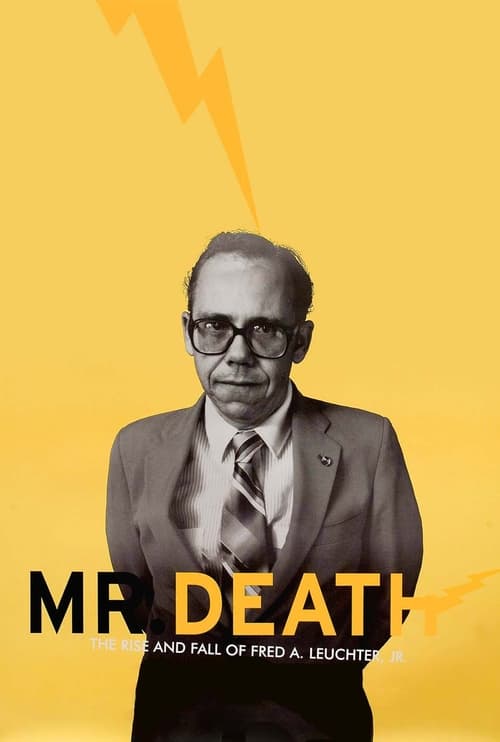
Documentary filmmaker Errol Morris investigates the case of a man who became an authority on capital punishment, but was discredited when he got involved on the wrong side of a court case. Leuchter, a meek man whose appearance belies his grim expertise, develops what he says is a more effective electric chair. Before long he's in demand from officials who want his opinions on other kinds of execution. But when called to aid the case of an accused Holocaust denier, Leuchter's problems begin.
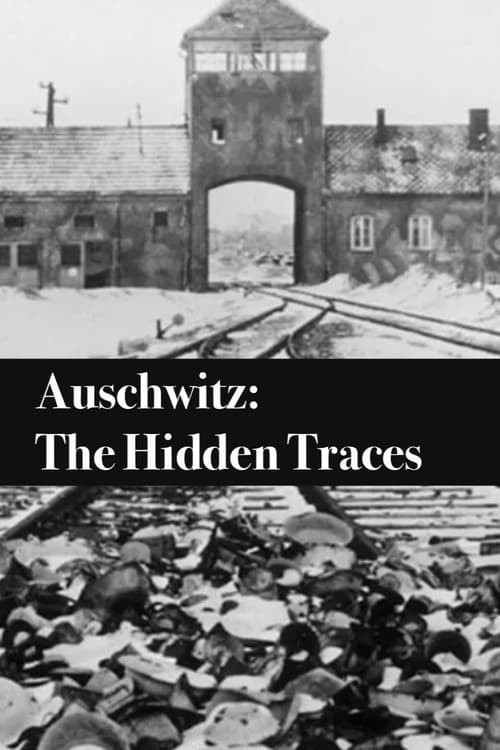
Examines documents and traces of the atrocities that took place at the Auschwitz concentration camp. Years after the end of the war, expert analysis of the remnants of these documents has helped shed light on the stories of prisoners.
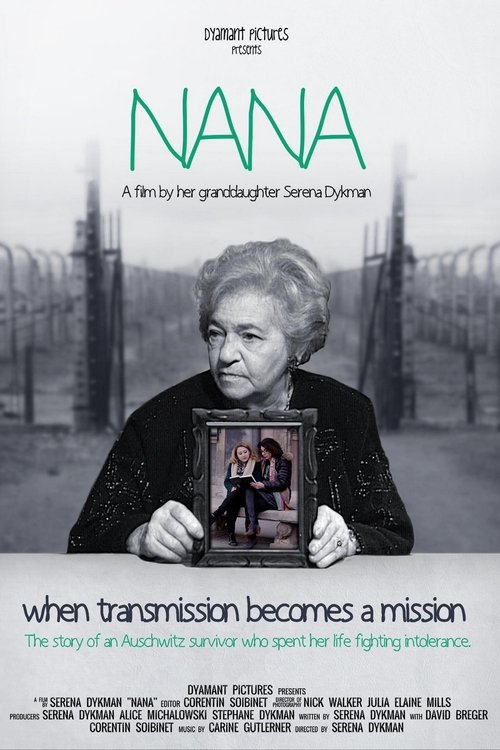
Maryla Michalowski-Dyamant, born in Poland, survived Ravensbruck, Malchow, and Auschwitz, where she was the forced translator of the “Angel of Death”, Dr. Mengele. She dedicated her post-war life to publicly speaking of her survival to the young generations, so that it would never be forgotten or repeated. Alice and Serena, her daughter and granddaughter, explore how Maryla’s fight against intolerance can continue today, in a world where survivors are disappearing, and intolerance, racism and antisemitism are on the rise.
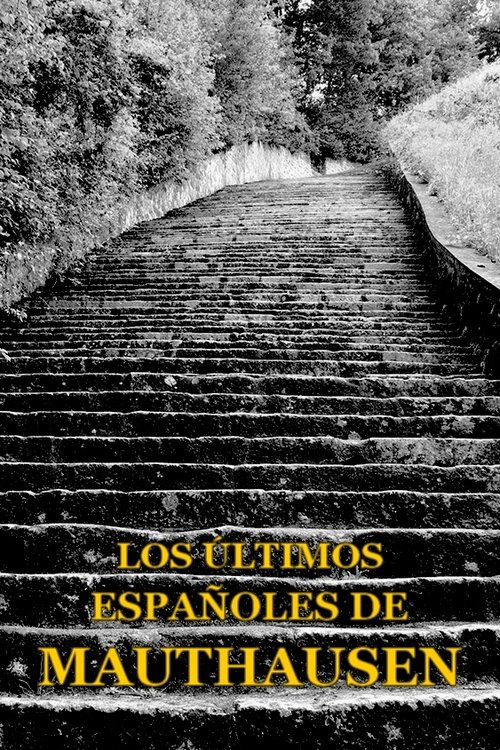
The story of the more than nine thousand Spaniards who were interned in the Nazi concentration camps, through the testimony of a group of survivors who tell what life and death were like in Mauthausen, Auschwitz, Buchenwald and Ravensbrück.
In Jerusalem and Chicago, London and Bavaria, Krakow and Tel Aviv live six people who survived the horror of the Nazi extermination camp at Auschwitz-Birkenau. This is their story, that of their families and friends; the story of their problems, their failures, their triumphs; how with their lives they honor every day the memory of those who perished.
The Auschwitz trial began on November 24, 1947, in Kraków, when Polish authorities (the Supreme National Tribunal) tried 40 former staff of the Auschwitz concentration camps. The trials ended on December 22, 1947.
The first official Jewish transport to Auschwitz consisted of 999 Slovak girls and young women. This documentary features several survivors from that transport.
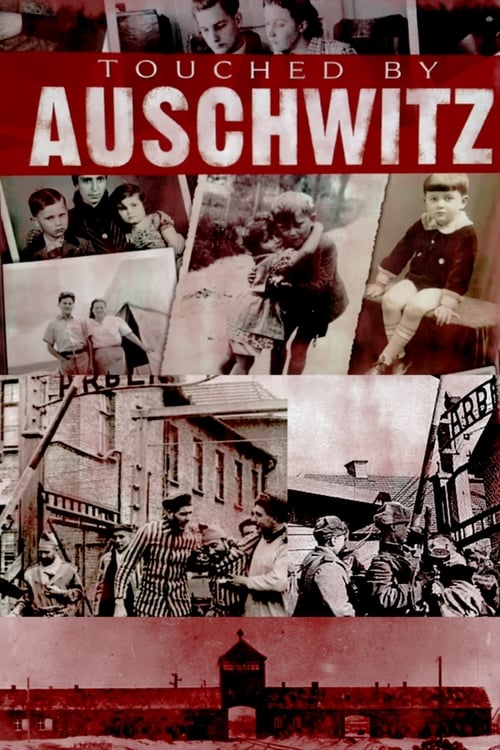
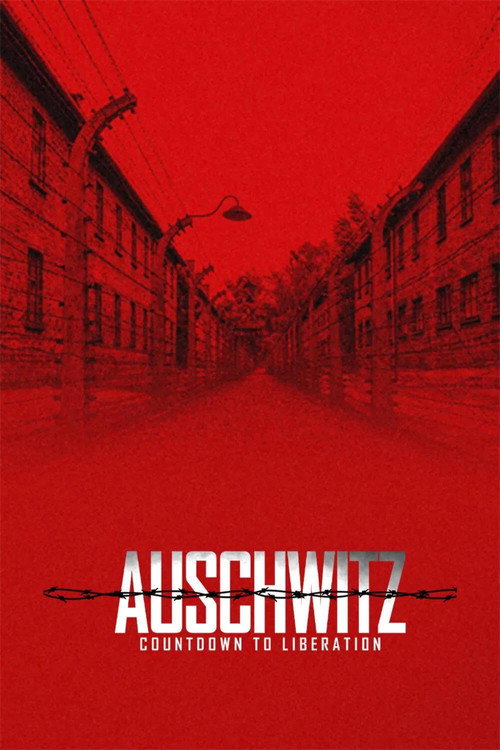
The last weeks in the Nazi concentration camp revealed through the touching stories of survivors such as Eva Kor and Samuel Modiano. Between suffering and resistance, the documentary explores human courage in inhumane conditions, revealing the hope that flourished even in the darkest moments. A powerful tribute to memory and freedom, essential for not forgetting.