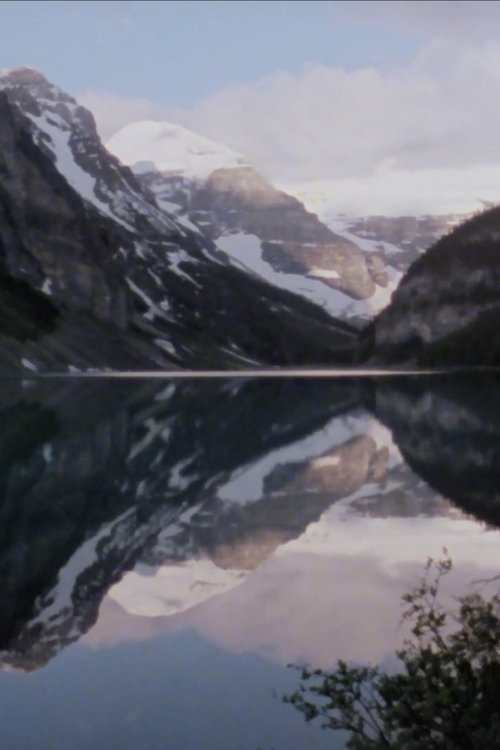
By using special cameras and techniques, David Fortney has captured the beauty of these parks in ways never seen before. Fluid, masterful camera work and serial photography gives you the sensation of soaring over and through the landscape.
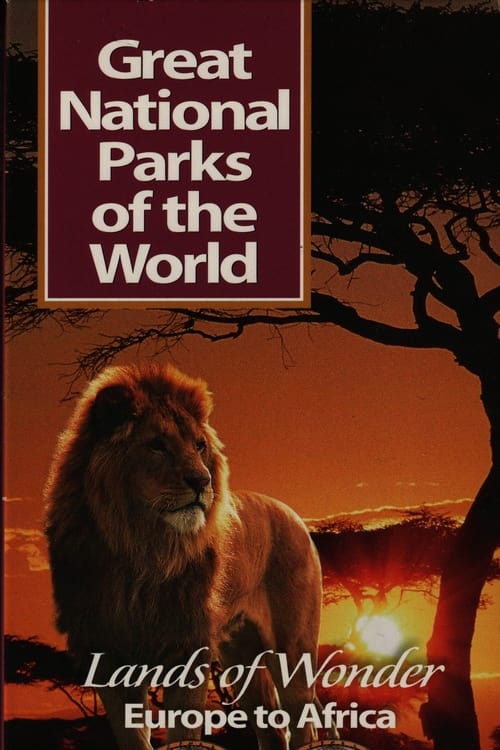
Take a thrilling journey to four of the greatest national treasures of Europe and Africa. Walk along the misty shores of Ireland's rocky northern coast to experience the legendary Giant's Causeway. Search for elusive mountain gorillas in Uganda's lush Impenetrable Forest. Climb the stunning snow-capped peaks of Italy's timeless Alps to discover the regal ibex in Gran Paradiso National Park. Behold the spectacle of thundering herds of migrating wildebeest, zebra and gazelle on Africa's fabled Serengeti Plains.
Filmed in 1896 by Alexandre Promio for the Lumière company, this short actuality presents one of the earliest traveling shots in cinema. With the camera mounted on a gondola, the film glides along Venice’s Grand Canal, capturing passing gondolas, bustling waterfront activity, and the city’s iconic architecture from a moving perspective. This simple yet groundbreaking technique introduced audiences to a new way of experiencing motion on screen.
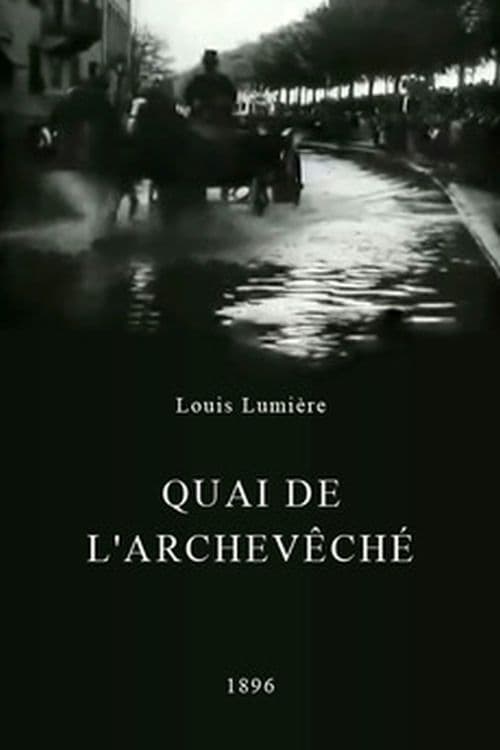
The floods of the Saône river during the first week of November, 1896.
Considered a remake of Lumière's La Voltige from 1895.
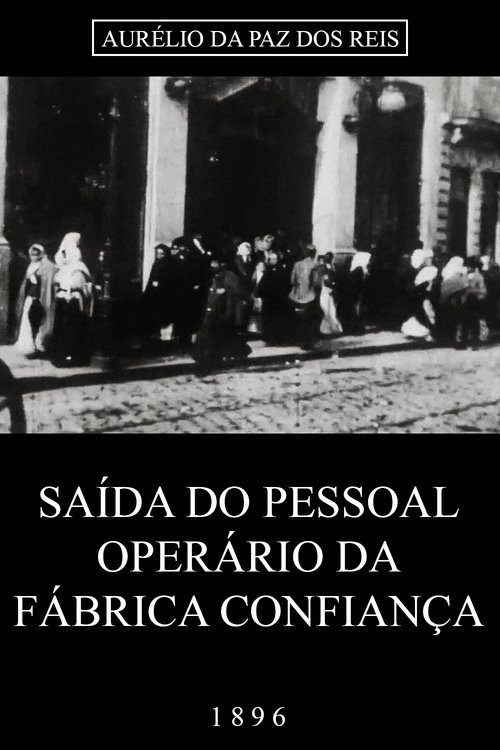
A large number of workers, mostly young women, leave by the front door of their work place at lunch time. The building has an impressive colonnaded facade, and is located at 181, Santa Catarine St., Porto - one of the city's main streets. A passengers' horse cart crosses from right to left of the screen, and a few seconds after an ox cart carrying merchandise crosses in the opposite direction. All the while, workers keep leaving the factory, giving a sense of a large work force.
A Berlin street scene.
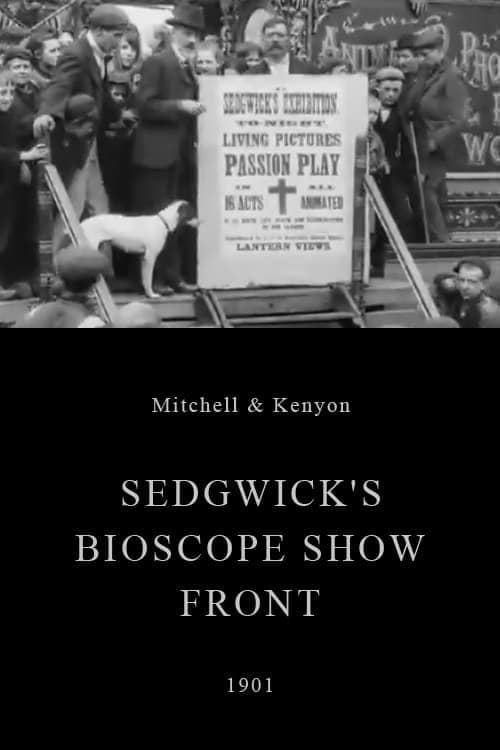
Outside a fairground cinematograph in Edwardian Lancashire.
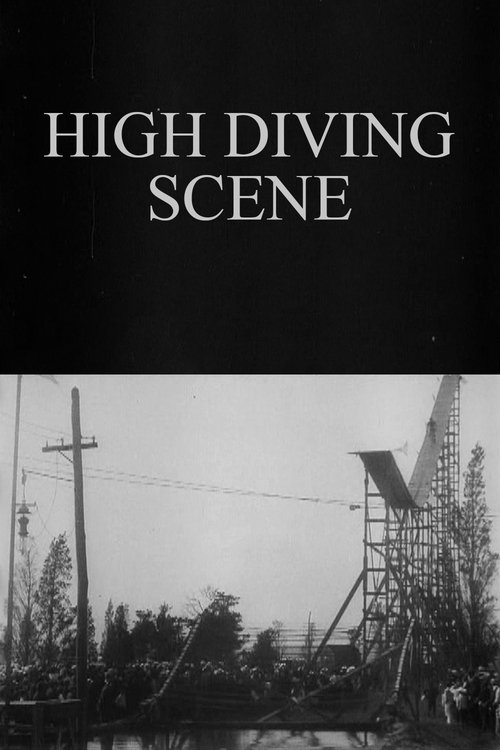
A daredevil rides his bicycle down a ramp and attempts to land in a pool of water as a crowd of spectators watches.
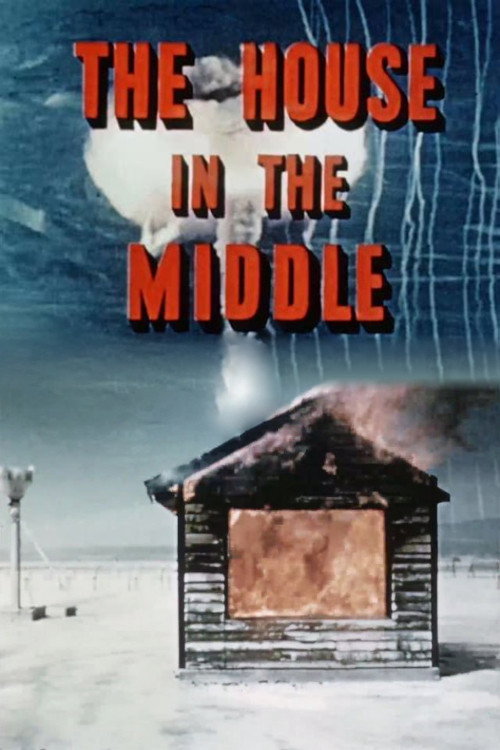
Short film that emphasizes the importance of keeping a tidy home when facing an atomic bomb.
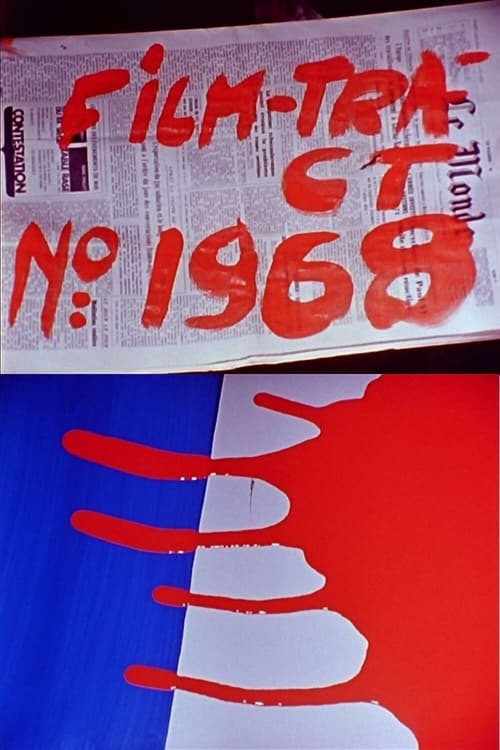
In the 1968 movement in Paris, Jean-Luc Godard made a 16mm, 3-minute long film, Film-tract No.1968, Le Rouge, in collaboration with French artist Gérard Fromanger. Starting with the shot identifying its title written in red paint on the Le Monde for 31 July 1968, the film shows the process of making Fromanger’s poster image, which is thick red paint flows over a tri-color French flag. —Hye Young Min
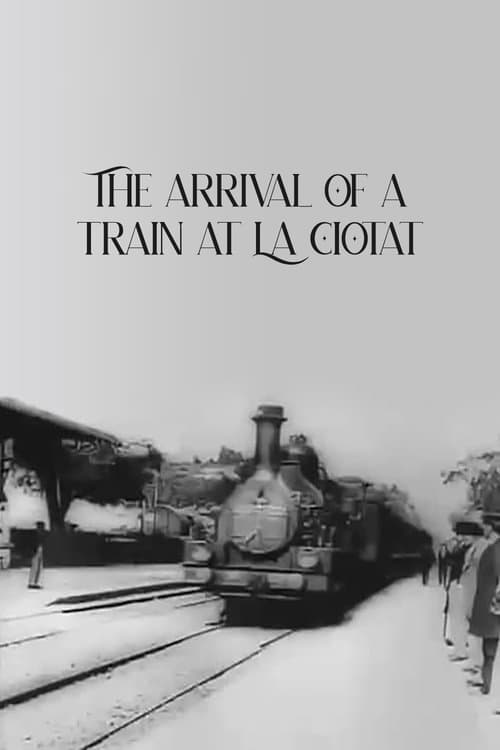
A group of people are standing along the platform of a railway station in La Ciotat, waiting for a train. One is seen coming, at some distance, and eventually stops at the platform. Doors of the railway-cars open and attendants help passengers off and on. Popular legend has it that, when this film was shown, the first-night audience fled the café in terror, fearing being run over by the "approaching" train. This legend has since been identified as promotional embellishment, though there is evidence to suggest that people were astounded at the capabilities of the Lumières' cinématographe.
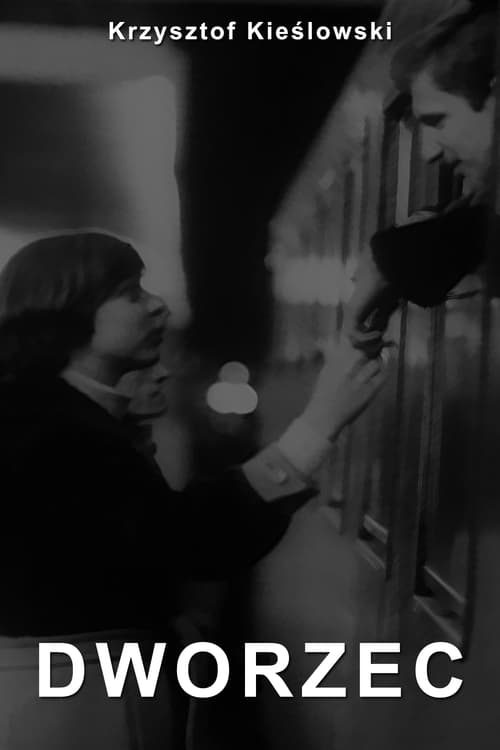
Warsaw's Central Railway Station. 'Someone has fallen asleep, someone's waiting for somebody else. Maybe they'll come, maybe they won't. The film is about people looking for something.
An impressionistic view of Canada's national parks. The camera creates a composite landscape of ideal beauty where nature is wild and varied. It travels from the east coast to the west, from seashore to mountains, from lakes to forests. A film without words.