Filip and Fredrik is trying to answer the question: why do people vote for Trump? They is visiting Virginia a poor society where Trump is seen as the savior.
Filip Hammar
as Self
Fredrik Wikingsson
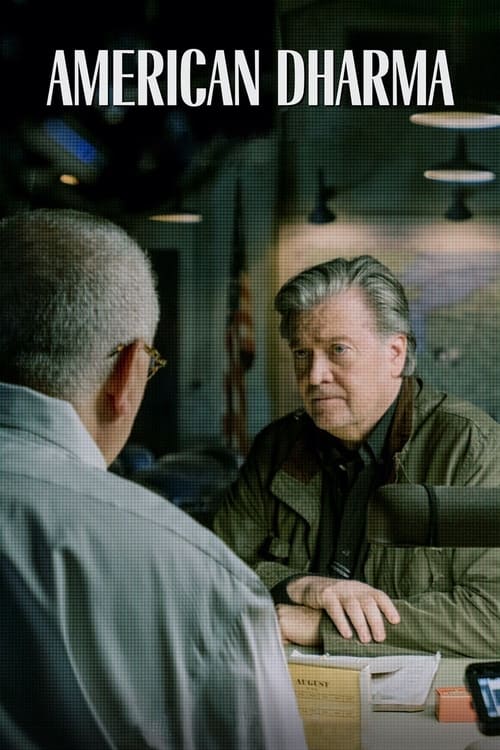
A portrait of controversial Breitbart honcho and Donald Trump advisor, Stephen K. Bannon. In a wide ranging conversation spanning over 16 hours, documentarian Errol Morris questions Bannon on his background, belief system, his worldview, his current feelings on Donald Trump, and how filmmakers including Henry King, John Ford, and Orson Welles helped form part of Bannon’s understanding of the world.
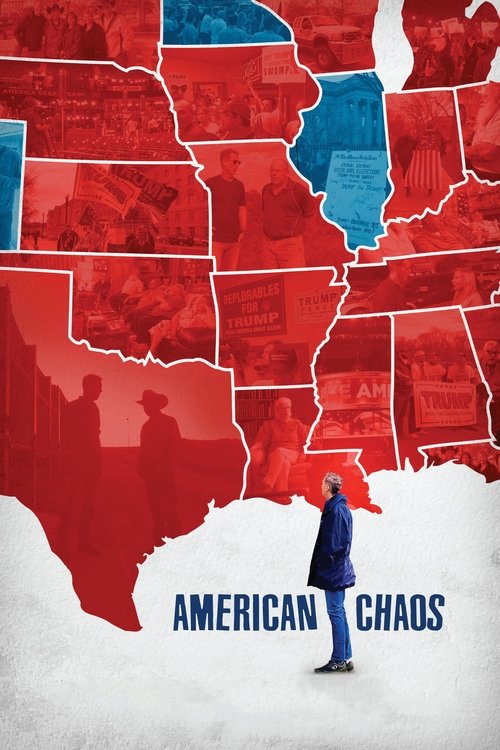
A documentary focused on the 2016 United States presidential election and then-candidate Donald Trump's supporters.
The story of Donald Trump's election told entirely through Russian propaganda. By turns horrifying and hilarious, the film is a satirical portrait of Russian meddling in the 2016 election that reveals an empire of fake news and the tactics of modern day information warfare.
Donald Trump has become a beloved cult figure for many Russians. The short film uses found footage, fake news and state-controlled political programming to reveal the variety of ways Trump's newfound Russian supporters express their devotion.
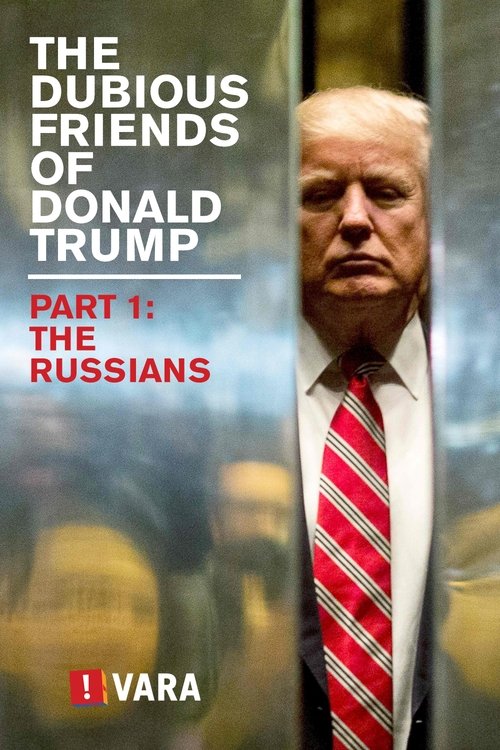
For months, the FBI have been investigating Russian interference in the American presidential elections. ZEMBLA is investigating another explosive dossier concerning Trump’s involvement with the Russians: Trump’s business and personal ties to oligarchs from the former Soviet Union. Powerful billionaires suspected of money laundering and fraud, and of having contacts in Moscow and with the mafia. What do these relationships say about Trump and why does he deny them? How compromising are these dubious business relationships for the 45th president of the United States? And are there connections with the Netherlands? ZEMBLA meets with one of Trump’s controversial cronies and speaks with a former CIA agent, fraud investigators, attorneys, and an American senator among others.
A short documentary that brings light to the experiences of those who live with hidden disabilities. Through eight heartfelt interviews, participants share their struggles, strengths, and realities of their everyday lives.
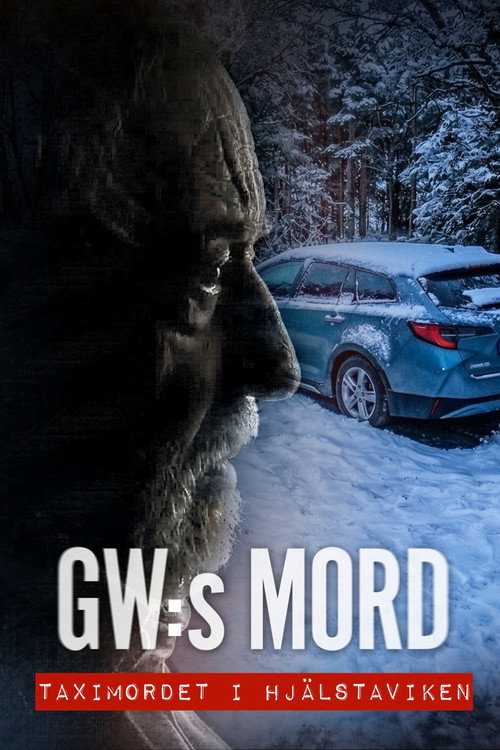
A 26-year-old taxi driver drives towards the Hjälstaviken nature reserve and never comes home. A week later, the police make a macabre discovery: he is found dead, hanging from a tree. Suspicions are directed at five young people who were in the area. A 15-year-old girl had previously reported him for rape. Leif GW Persson examines the case and the legal proceedings.
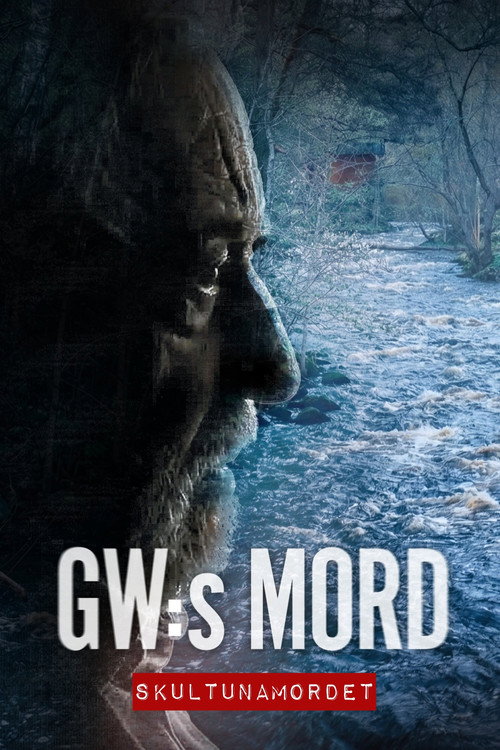
The morning calm is broken in Skultuna and Rönnby in Västerås when a VMA is sent out and residents are asked to stay indoors. The police are hunting a 38-year-old suspect after two brutal violent crimes. A child calls 112 and says that his mother is being attacked. Shortly afterwards, a woman is found dead in her home. Leif GW Persson examines the case and the legal process.
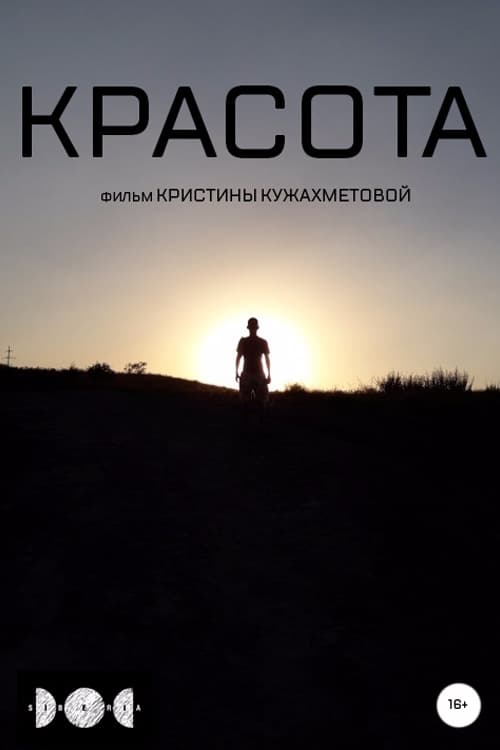
In the vast fields of Altai, a territory at the other end of the world, some isolated teenagers search for meaning in their life. The possible answers seem doomed from the outset by a time without utopias. Though there is still poetry; that of words and that of images.
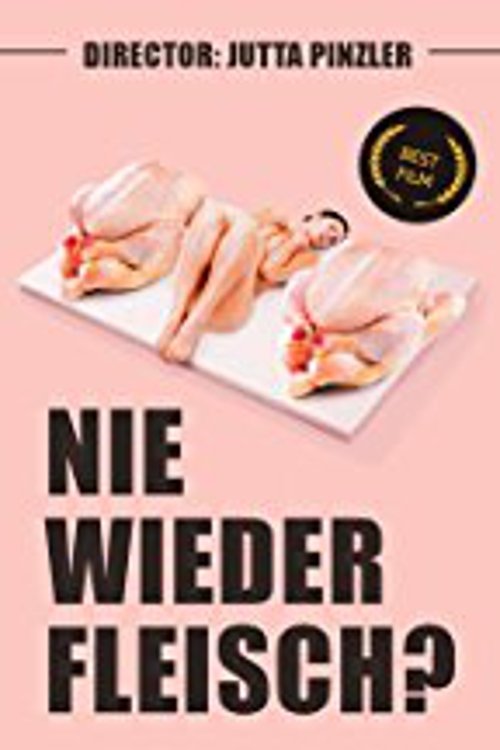
Whether it's the appalling conditions in turkey fattening, the massive use of antibiotics in poultry farming or the improper killing of cattle - meat producers are under fire. In addition, feed exports from third world countries lead to hunger and misery there and meat exports to Africa destroy local markets. Filmmaker Jutta Pinzler spent over a year researching around the world. Her footage shows the devastating consequences of mass meat production.
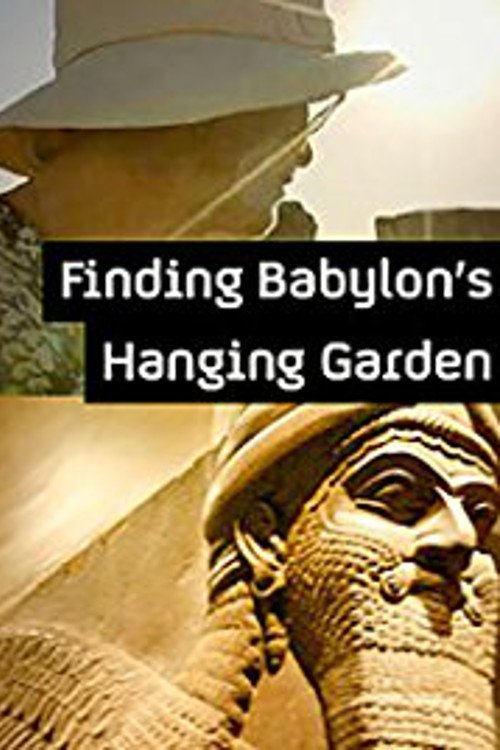
There are many myths surrounding the Hanging Gardens of Babylon. Previous excavations have not led to an answer to the question of exactly where they were located. Thanks to the extraordinary findings of scientist Stephanie Dalley, it is now possible for the first time to determine exactly where the legendary gardens were located, what they looked like and how they were built. The Hanging Gardens of Babylon are the only one of the seven wonders of the ancient world for which no archaeological evidence has yet been found. For the documentary, Stephanie Dalley from Oxford University traveled to a dangerous, terror-stricken region in northern Iraq to gather evidence for her new theory about the true location of the gardens. Stephanie Dalley assumes that the gardens were built a hundred years earlier - 700 years before Christ - and by the Assyrian king Sanherib instead of Nebuchadnezzar II.
More preoccupied with "history" than Wu's other works, My Time in the Red Guards is a record of his fascination with the missed moment, Mao's Cultural Revolution. In 1966, the Red Guards ironically represented the official avant-garde, a movement carried forward by youth determined to become heroes of the Revolution. Wu interviews people who had joined the Red Guards as high schoolers, most now successful professionals, some Party members. The miscalculations and cruelties of this extreme cultural campaign are spread out before us, detailed by personal recollection and further illustrated by old agit-prop newsreels. Misgivings and fond remembrance vie for position as the interviewees seem to confuse the nostalgia of youthful action with the excesses of historical fact.