The epic story of the life of a volcano, capable of both causing the extinction of all things and helping the evolution of species, over 60 million years.
Jacques Gamblin
as Self - Narrator (voice)
Centers on the events leading up to the cataclysmic 1980 eruption of Mount St. Helens in Washington, with the story beginning on the day volcanic activity started on March 20, 1980, and ending on the day of the eruption, May 18, 1980.
Follows Don as he sees different kinds of rocks at a granite quarry, sandstone cliff and museum. Demonstrates the effects of water, heat and pressure in the formation of rocks.
The beauty of the Arctic is breathtaking. For as long as we can remember, the Arctic has been associated with inhospitable cold. But the climate is changing, and with it the northern polar region, which begins beyond latitude 66.5 degrees north. Climate change is now happening four times faster north of the Arctic Circle than on the rest of the planet, making the future outlook dire. At the moment it is still possible for polar bears to raise their cubs, but hunting is becoming increasingly difficult on the drastically shrinking pack ice. The disappearance of the ice also affects the marine fauna. The wintry ice bridge between Canada and Greenland is threatened with collapse. The unstoppable melting of the permafrost, which has held the tundra together for thousands of years, is worrying. But the Arctic is still one of the wildest and loveliest regions on earth. A documentary visit to the Arctic - as long as it still exists.
Take a relaxing trip from the headwaters of Rocky Mountain National Park to Mexico's Gulf of California as actor Joseph Campanella follows the Colorado River down its winding path. The classical sounds of music's greatest composers provides a soothing backdrop to the wondrous vistas and breathtaking landscapes, leaving the viewer both enlightened and calmed as the camera explores fast-moving rapids and serine stretches of natural wonder.
A documentary examining what the Tyrannosaurus Rex was really like - both appearance and behaviour - using the recent palaeontological and zoological research.
Experience its magnificence as you explore pitch black lava caves, walk on the still molten floor of Kilauea Iki crater and fly past fiery lava fountains.
From the scorching sand dunes of Namibia, to the tropical Tasmanian rainforest, to the bitter waters of the Baltic Sea, this film visits the most extraordinary ecosystems and the creatures that inhabit them. We also learn how human activity has forced species into extinction and reflect on the importance of preserving diverse environments. Discover how nature has developed new methods of survival over millions of years, and learn how modern society uses these solutions in our everyday lives, through manufacturing medicines, new technologies and designs. Whilst celebrating the wonders of our natural world, this film also shares an important message on the impact of human activity on our ecosystems, encouraging us to reflect on the importance of preserving diverse and rich environments
From early domestication to mass extermination, the wolf's fate has long been tied to ours, sparking strong emotions and debates even today. It is within this complex dynamic of coexistence that the team behind The Last Survivor explores the reasons that have led us to this point. Traveling to the Ethiopian highlands in search of the Ethiopian wolf, the most endangered canid in the world. Through an honest and authentic narrative, blending immersive adventure and on-the-ground investigation, the film portrays the critical plight of this iconic animal. Supported by concrete facts and scientific testimonies, it invites viewers to reflect on the fragile, yet essential, proximity between humans and wildlife, key to maintaining the balance of our shared ecosystems.
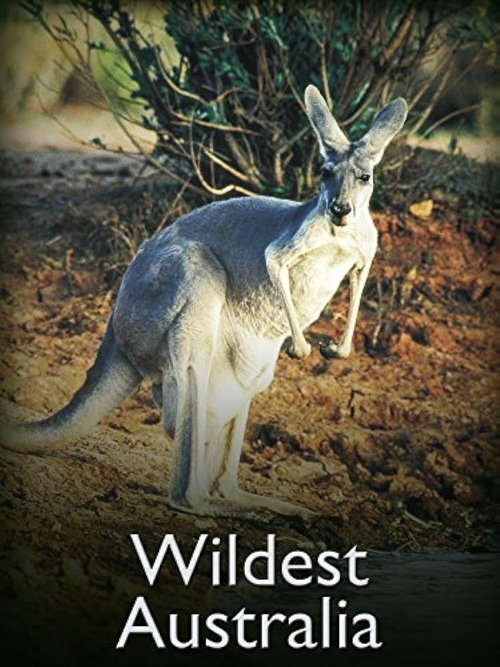
From beautiful but dangerous waterfalls to canyons and underground rivers carved into stone millions of years ago, Wild Australia is a stunning look at our fragile world and how it relates to Earth of ninety million years ago
Minnesota: A History of the Land vividly brings to life the epic story of the people and landscapes of Minnesota. From the retreat of the last ice sheets to the growth of today’s suburbs – the series seeks to entertain as it enriches our understanding of Minnesota’s past, present, and future. A visually stunning and groundbreaking 4-part documentary series featuring nature videography from across the state, never before seen historic images, state-of-the-art animations and historic recreations. Original soundtrack by award-winning composer, Peter Ostroushko.
An animal documentary by Emmy award winner Hugo van Lawick. The viewer experiences unforgettable and magnificent recordings from Africa, accompanied by a fantastic soundtrack!
In 1872, in the cave of Cavillon in Monaco, archaeologist Émile Rivière (1835-1922) unearthed an apparently very old human skeleton, at least 24,000 years old, a discovery that changed the modern image of prehistoric men and women.
The city of Rostock is planning to expand the harbour by 660 hectares in the coming years. While measures to restore moors are being implemented throughout Europe, Rostock is planning to destroy an intact moor area. This affects the swamp of the Peezer Bach and surrounding natural areas, which make important contributions to the climate and biodiversity. MOOR CITY HARBOUR is about the value and beauty of a native moor, as well as the severity of its loss.
A documentary about a 15-day river-rafting trip on the Colorado River aimed at highlighting water conservation issues.
Australia: Land Beyond Time takes viewers on a breathtaking journey back in time to witness the birth and evolution of a mysterious land that harbors remnants of Earth's earliest life and many of it's strangest creatures that exist nowhere else on the planet.
Peter Gimbel and a team of photographers set out on an expedition to find and film, for the very first time, Carcharodon carcharias—the Great White Shark. The expedition lasted over nine months and took the team from Durban, South Africa, across the Indian Ocean, and finally to southern Australia.