Milk - an essential food for our wellbeing? The highly processed white industrial product we are supposed to consume on a daily basis is suspected of causing numerous diseases of civilization. We take a closer look at the ongoing debate.
An examination of our dietary choices and the food we put in our bodies.
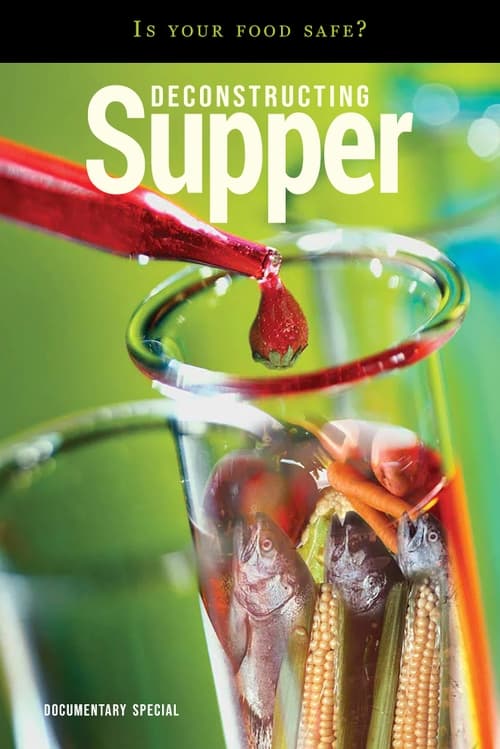
Deconstructing Supper is a ride every contemporary eater will want to take, a thought-provoking and entertaining journey into the revolution in modern food production, and its effects on our lives.
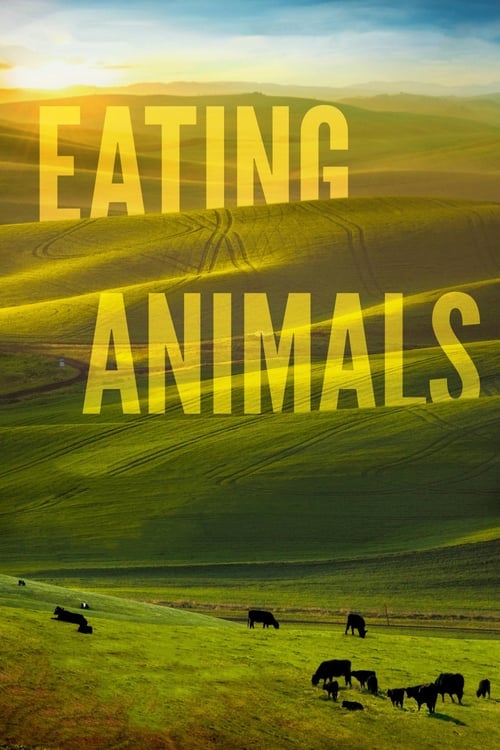
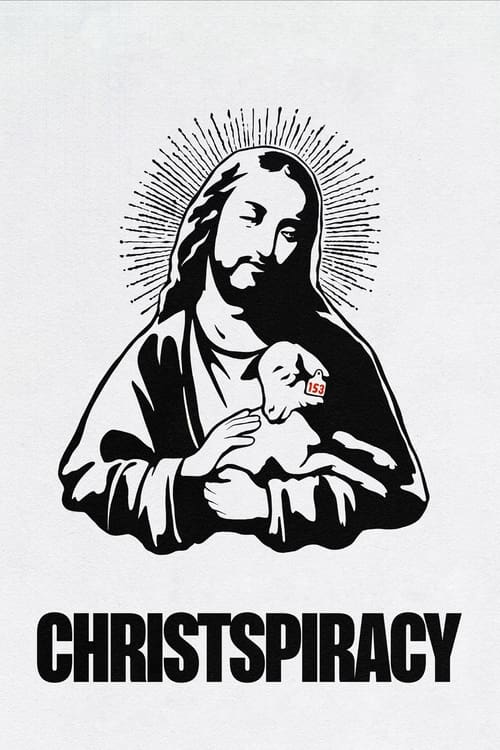
The moral dimension of humanity's interaction with nonhuman animals and the industries that profit from their exploitation, as informed by world religions. A historical explanation of how the current global situation came to be.
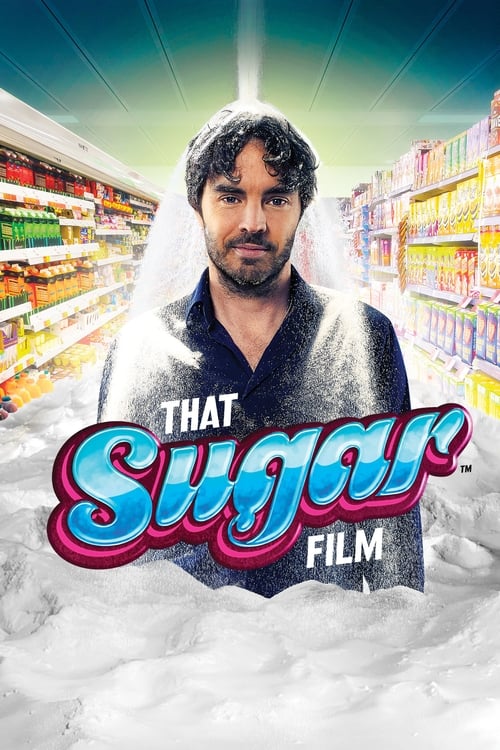
One man's journey to discover the bitter truth about sugar. Damon Gameau embarks on a unique experiment to document the effects of a high sugar diet on a healthy body, consuming only foods that are commonly perceived as 'healthy'. Through this entertaining and informative journey, Damon highlights some of the issues that plague the sugar industry, and where sugar lurks on supermarket shelves.
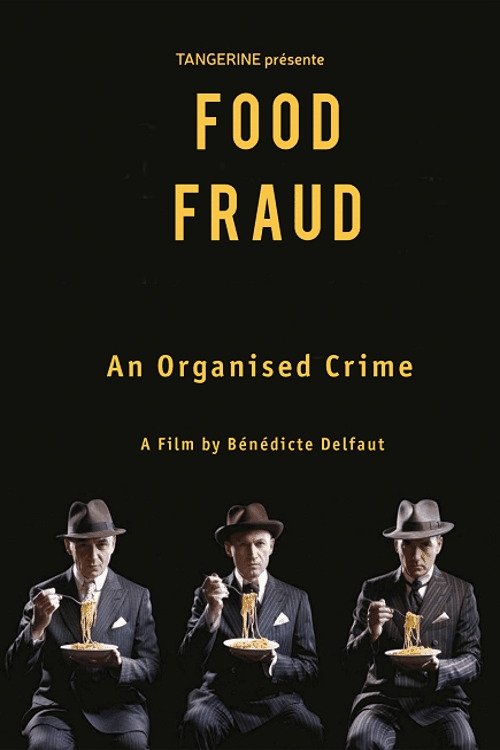
All food can be adulterated. More discreet than a drug cartel, more elusive than arms dealers, criminals have taken over food. Olive oil, fish, meat, spices, no department escapes their juicy traffic. A jackpot estimated in Europe at 30 billion euros enriches a new kind of mafia every year. Organized crime is selling altered products in restaurants, supermarkets and all food shops in the European Union. Their secret is to replace an ingredient with a cheaper one. Who are these new traffickers? What are their methods of operation?
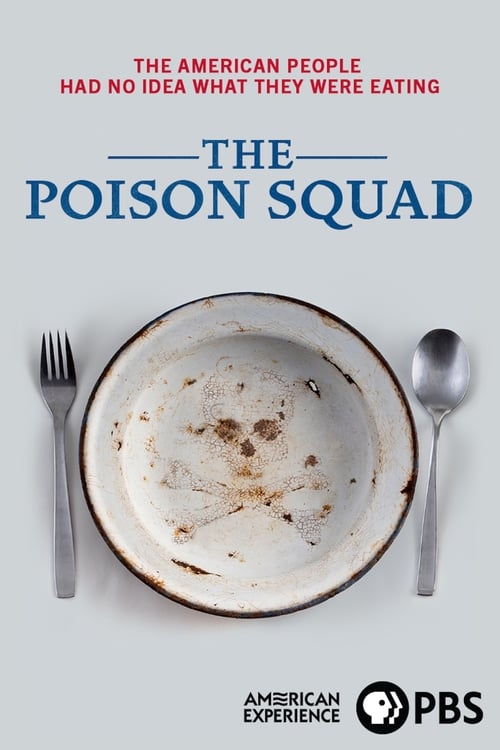
The story of government chemist Dr. Harvey Wiley who, determined to banish dangerous substances from dinner tables, took on the powerful food manufacturers and their allies.
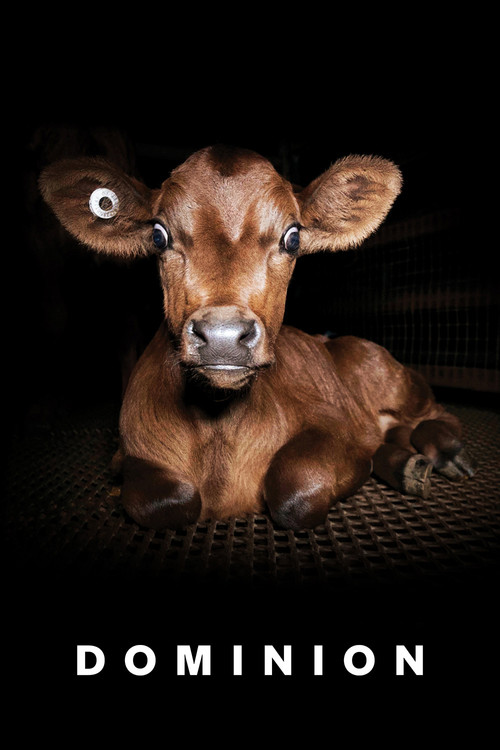
Exposing the dark underbelly of modern animal agriculture through drones, hidden & handheld cameras, the feature-length film explores the morality and validity of our dominion over the animal kingdom.
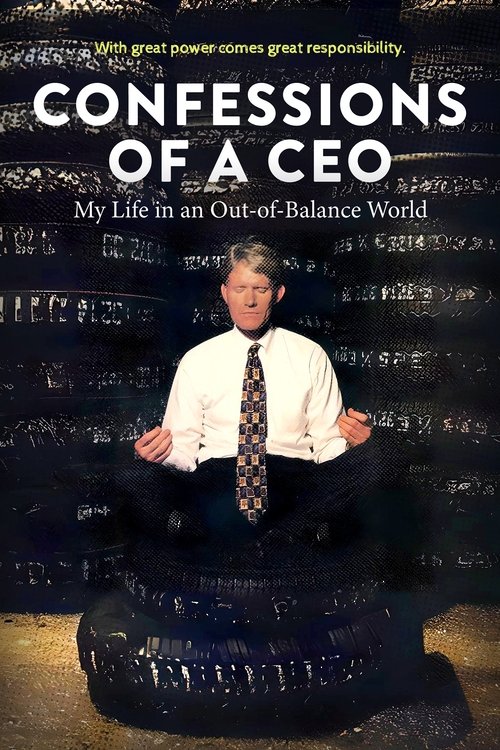
A bare-knuckled critique of corporate America told through the powerful true story of a toxic CEO who evolves from a profits-over-people, philandering executive to an unorthodox leader, populist messenger, and mentor to American influencers. It’s a story of growth, redemption and the impact of self-awareness on leadership and life.
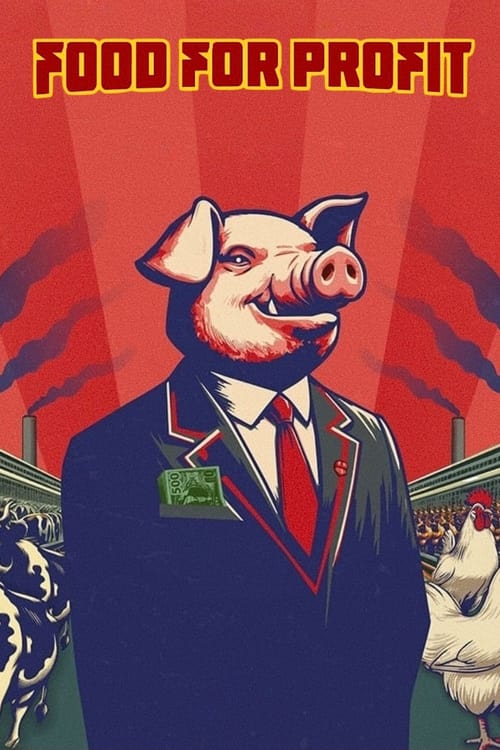
The film exposes the links between Agrifood and politics. With a pool of international experts it analyses the many problems related to factory farming: water pollution, migrants exploitation, biodiversity loss and antibiotic resistance.
Filmmakers Robert Kenner and Melissa Robledo reunite with investigative authors Michael Pollan and Eric Schlosser to take a fresh look at our efficient yet vulnerable food system.
Sales of organic products have increased tenfold in 20 years. In 2020, the market will have exceeded 13 billion euros in sales. The heavyweights of the food industry are surfing on this consumer craze for healthy food by offering more and more "green" products. But organic does not necessarily mean nutritionally balanced.
Since the 1970s and the influx of European, Chinese, Russian, and Turkish trawlers, West African waters have been overexploited. Whether for fishing or fishmeal production, these foreign powers have endangered the livelihoods of local fishermen and artisans.
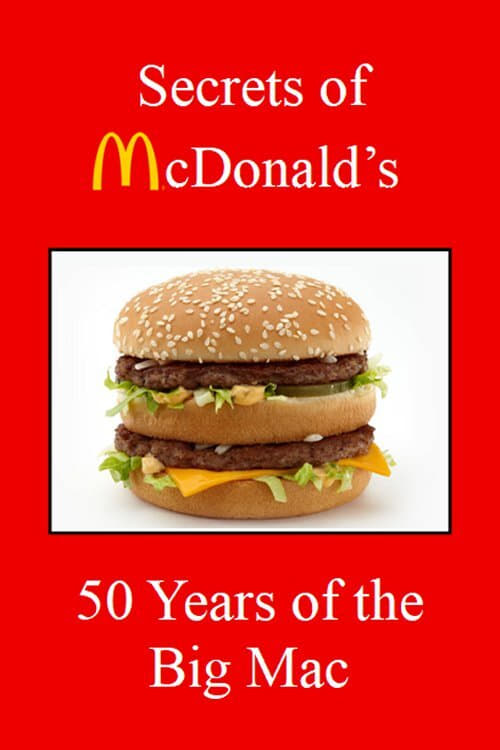
The documentary traced the fast food company's journey from Route 66 diner to planet-conquering giant.
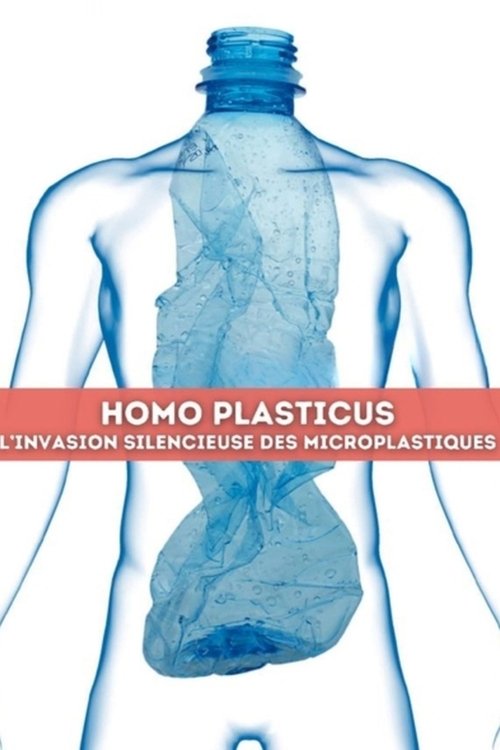
Every day, we eat and breathe tiny plastic residues. What effects does this insidious contamination have on our bodies? Rigorous and lucid, this scientific investigation gathers the most recent discoveries and sounds the alarm.
A team of journalists investigate how human trafficking and child labor in the Ivory Coast fuels the worldwide chocolate industry. The crew interview both proponents and opponents of these alleged practices, and use hidden camera techniques to delve into the gritty world of cocoa plantations.
Documentary filmmaker Robert Kenner examines how mammoth corporations have taken over all aspects of the food chain in the United States, from the farms where our food is grown to the chain restaurants and supermarkets where it's sold. Narrated by author and activist Eric Schlosser, the film features interviews with average Americans about their dietary habits, commentary from food experts like Michael Pollan and unsettling footage shot inside large-scale animal processing plants.