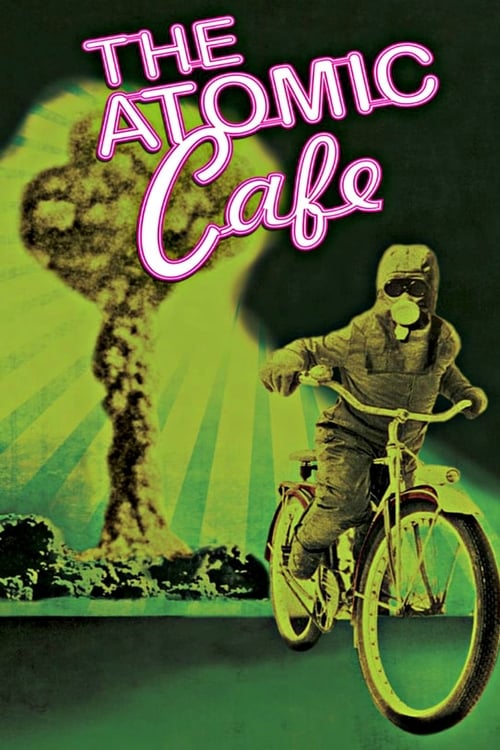
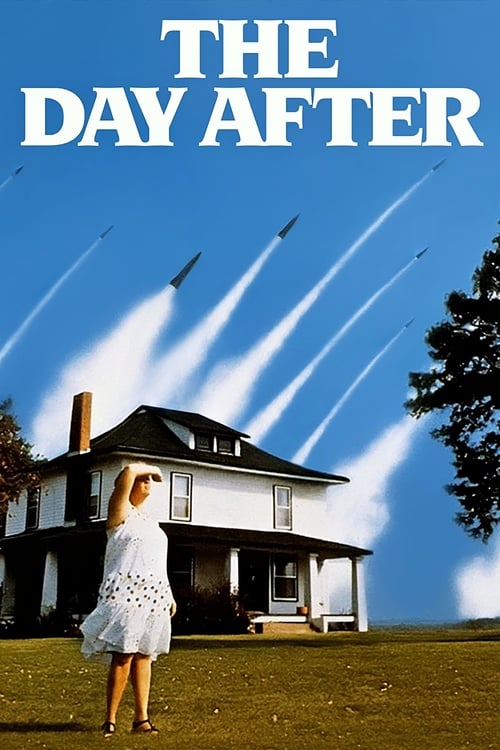
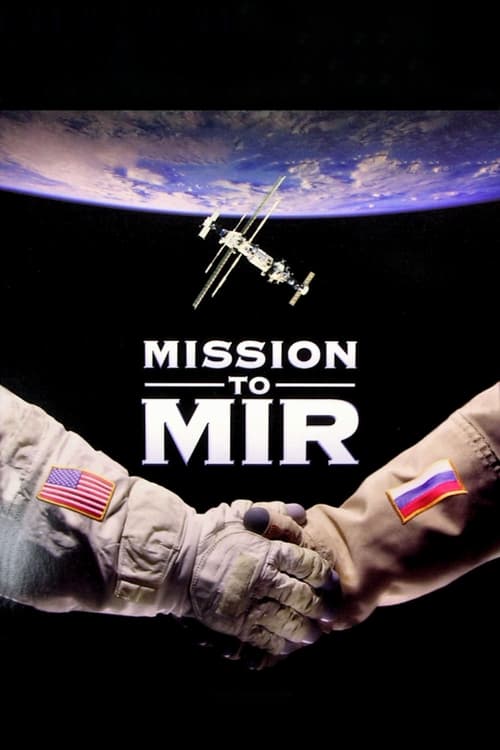
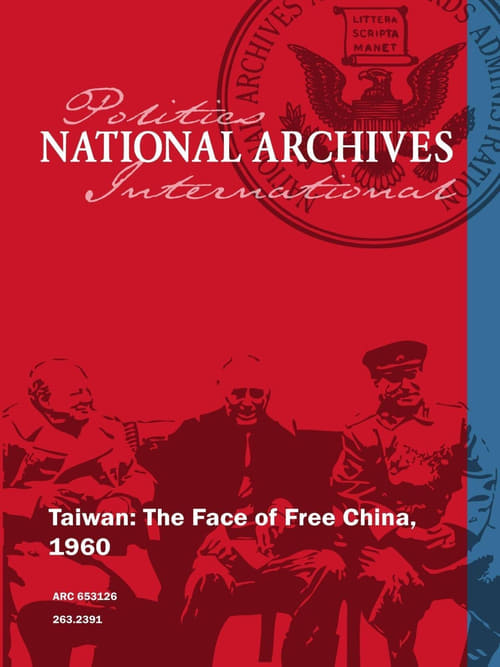
Portentously portrays the evacuation of Portland, Oregon, when threatened by a nuclear attack on its state-of-the-art civil defense system.
Glenn Ford
as Narrator
Terry Schrunk
as Himself (Mayor of Portland)
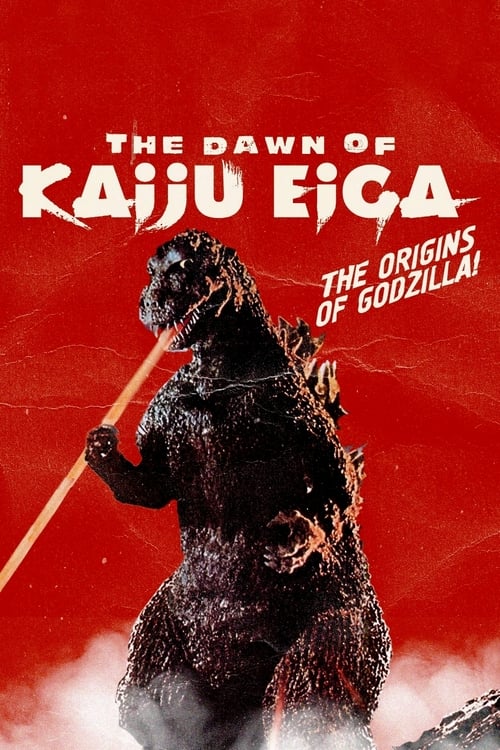
Japan, 1954. A legend emerges from the ashes of Hiroshima and Nagasaki, devastated by atomic bombs in 1945. The creature's name is Godzilla. The film that tells its story is the first of kaiju eiga, the giant monster movies.
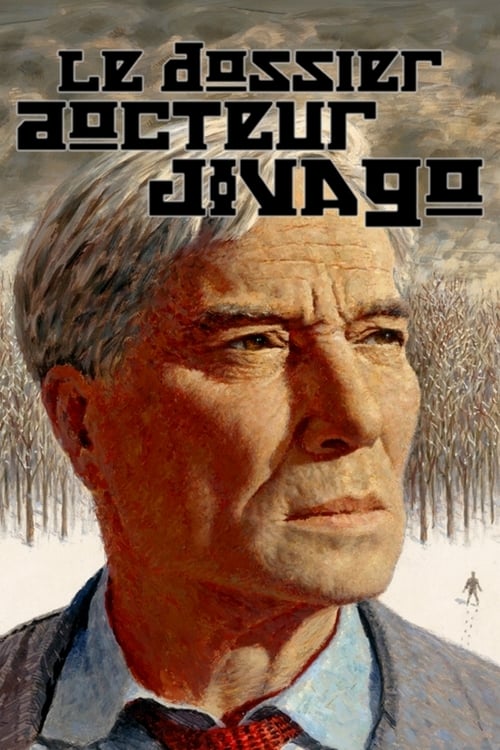
As Russian writer Boris Pasternak (1890-1960) thinks it is impossible that his novel Doctor Zhivago is published in the Soviet Union, because it supposedly shows a critical view of the October Revolution, he decides to smuggle several copies of the manuscript out of the country. It is first published in 1957 in Italia and the author receives the Nobel Prize in Literature in 1958, which has consequences.
An exploration —manipulated and staged— of life in Las Hurdes, in the province of Cáceres, in Extremadura, Spain, as it was in 1932. Insalubrity, misery and lack of opportunities provoke the emigration of young people and the solitude of those who remain in the desolation of one of the poorest and least developed Spanish regions at that time.
This lurid documentary offers a revealing expose of various deviant activities being practiced in that seething hotbed of sin and hedonism known as Los Angeles. Among the subjects shown herein are a young couple who are paid to have sex in front of leering voyeurs, a gang of rowdy bikers, a French artist who makes fancy designs out of women's pubic hair, a wild swinging Hollywood party, and an exclusive club of wealthy perverts.
In August 1962, director Leslie Woodhead made a two-minute film in Liverpool's Cavern Club with a raw and unrecorded group of rockers called the Beatles. He arranged their first live TV appearances on a local show in Manchester and watched as the Fab Four phenomenon swept the world. Twenty-five years later while making films in Russia, Woodhead became aware of how, even though they were never able to play in the Soviet Union, the Beatles' legend had soaked into the lives of a generation of kids. This film meets the Soviet Beatles generation and hears their stories about how the Fab Four changed their lives, including Putin's deputy premier Sergei Ivanov, who explains how the Beatles helped him learn English and showed him another life. (Storyville)
2019 marks the 30th year since the fall of the Berlin Wall and the end of the Cold War. Rich Hall examines the relationship between the West and the USSR in his inimitable fashion.
OGRE, a pre-crash bunker wave earth tone noxious metal rubber tone mathscape grass-fed conglomerate bass post-ego brown noise premeditated deathcore punk rock jazz band from Portland, Oregon takes on their biggest show yet.
A documentary on Al Gore's campaign to make the issue of global warming a recognized problem worldwide.
Heleno has a disease unknown to most of the population. In the course of their suffocating routine, situations arise that defy the usual in society. But is it really Heleno's illness that prevents him from adapting to the world?
A feature-length documentary exploring the unsolved murder of French bicyclist Alain Malessard who was found dead in an Oregon Coast campground on Thanksgiving 1987.
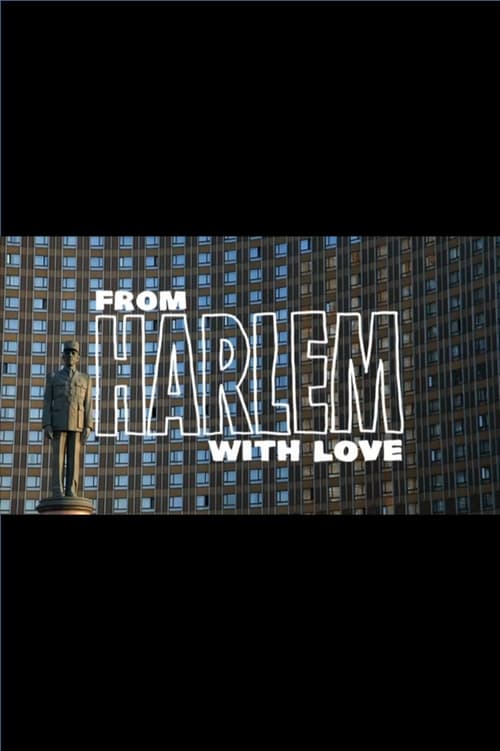
Tensions between the USSR and the United States were high in 1959, with the seemingly constant threat of nuclear war. Then some unlikely ambassadors stepped forward to clear all that away: the Harlem Globetrotters. From Harlem With Love is the story of how a group of barnstorming basketball players traveled to the heart of the Soviet Union at the height of the Cold War and bridged a cultural gap many thought would stand forever.
A collection of death scenes, ranging from TV-material to home-made super-8 movies. The common factor is death by some means.
The title of this video, taken from the texts of the architect Kengo Kuma, suggests a way of looking at everything as “interconnected and intertwined” - such as the historical and the present and the tool and the artifact. Images and representations of two structures in the Portland Metropolitan Area that have direct and complicated connections to the Chinookan people who inhabit(ed) the land are woven with audio tapes of one of the last speakers of chinuk wawa, the Chinookan creole. These localities of matter resist their reduction into objects, and call anew for space and time given to wandering as a deliberate act, and the empowerment of shared utility.
13 August 1961: the GDR closes the sector borders in Berlin. The city is divided overnight. Escape to the West becomes more dangerous every day. But on September 14, 1962, exactly one year, one month and one day after the Wall was built, a group of 29 people from the GDR managed to escape spectacularly through a 135-meter tunnel to the West. For more than 4 months, students from West Berlin, including 2 Italians, dug this tunnel. When the tunnel builders ran out of money after only a few meters of digging, they came up with the idea of marketing the escape tunnel. They sell the film rights to the story exclusively to NBC, an American television station.
The ambitious Betsy is happy: she gets promoted to a leading management position. Her happiness is spoiled only a little by problems with a boyfriend who feels neglected and an harassing boss. She realizes much too late that her secretary Norma is after her job and step by step tries to ruin her career and private life.
Based on the popular phone service, "How To Make a Sandwich" is a short film directed by Drake Sanderson that depicts the rise of media star, Peter Willard, and his acclaimed sandwich-making skills. From breads to meats to condiments, follow Peter as he teaches you how to make the perfect sandwich!
How the Soviet Union was able to copy the Boeing B-29 Superfortress bomber, and the influence of the resulting Tupolev TU-4 on the Cold War.
A core group of architects embraced the West Coast from Vancouver to LA with its particular geography and values and left behind a legacy of inspired dwellings. Today, architects celebrate the influence established by their predecessors.
Tucumán, Argentina, 1965. Three years before George A. Romero's Night of the Living Dead was released, director Ofelio Linares Montt shot Zombies in the Sugar Cane Field, which turned out to be both a horror film and a political statement. It was a success in the US, but could not be shown in Argentina due to Juan Carlos Onganía's dictatorship, and was eventually lost. Writer and researcher Luciano Saracino embarks on the search for the origins of this cursed work.