Luis Trenker
as L'ingegnere Roberto Rey

Umberto Sacripante
as Macugnà, il vecchio guida alpina

Evi Maltagliati
as Gianna Fortis
Ernesto Sabbatini
as Il signore Fortis
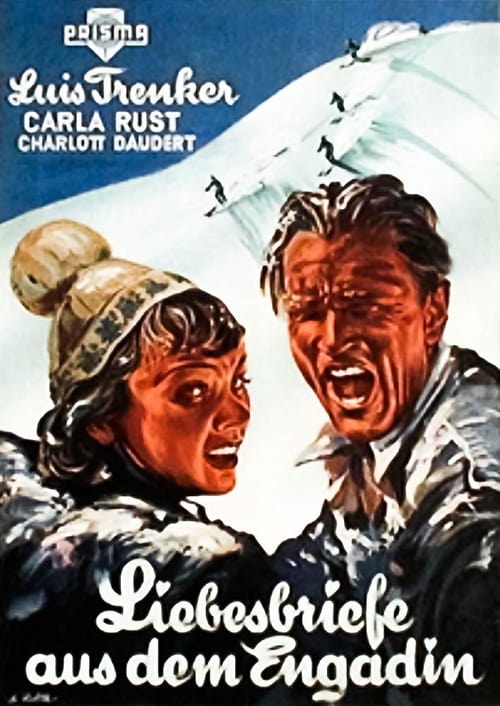
Constance, the young widow of a wealthy American, gets a love letter from the Engadine region, signed by the famous guide Toni Anewater she had met during a holiday in the previous year. Constanze and her friend Dorothy therefore go to Switzerland for winter sports. But identical love letters to other ladies in London, Paris and Rome have been sent. Toni does not know anything about the letters. Everything seems to be a cunning of the hotel owner to attract tourists.
Dr. Johannes Krafft climbs a 12,000-foot mountain over and over again to search for his wife, who was lost on their honeymoon. Another couple makes the dangerous climb with him.
The first ascent of the Matterhorn was made on July 14, 1865 by Edward Whymper, Francis Douglas, Charles Hudson, Douglas Hadow, Michel Croz and two guides from Zermatt, Peter Taugwalder father and son. Douglas, Hudson, Hadow and Croz are killed on the descent after Hadow slips and drags the other three men down the north face. Whymper and the two Taugwalders, who survive, are later accused of having cut the rope that connected them to the rest of the group so as not to be dragged into the fall, but the ensuing investigation finds no evidence of their guilt and they are acquitted. The Matterhorn is the last great peak in the Alps to be conquered and its ascent marks the end of the golden age of mountaineering. One hundred and fifty years later, a team undertakes the same expedition in order to unravel the mystery.
Drama about the tragic Nanga Parbat expedition by the two Messner brothers in 1970, on which Reinhold Messners younger brother Günther died.
Selfish Chris Teller pressures his older brother, a retired climber, to accompany him on a treacherous Alpine climb to loot the bodies of plane crash victims.
Junta is hated by the people in the village where she lives, especially by the women, who suspect her of being a witch. Only she can climb the nearby mountains to a cave high up, whence a mysterious blue light glows when the moon is full. Many young men of the village have died trying to follow her. She is driven out of town, and takes to living in the mountains. Eventually she shares the secret of the blue light with one man, and he betrays it.
The film is based on the expedition of mountaineer Muhammad Ali Sadpara to K2 in Pakistan, which cost him his life in 2021 at the age of 45. The film opens with him passing the bottleneck with his companions, successfully climbing it, and then returning when he is caught in an avalanche or storm and ultimately loses his life. As his life fades from memory, the film shifts to flashbacks as he recalls the events of his life.
The mountain guide Jakob is a controversial figure. His supposed father dies and leaves behind a great heritage to the people. In the town they consider Jakob a bastard, because his parents were not married, which means that without a testament, the lands in which he lives do not belong to him. But the testament indicates that the inheritance corresponds him under a single condition, he must be the first person to climb the east face of Monte Verità. There is a French version of the film, titled 'Un de la montagne', shot the year after with the same script but with different actors and by a different director.
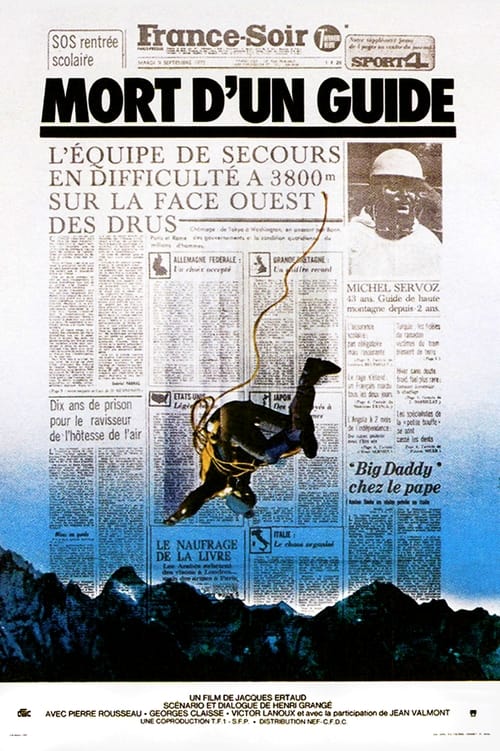
Veteran Chamonix mountain guide Michel Servoz and the young aspiring guide Patrick Falavier attempt to climb the west face of the Dru in the Mont-Blanc massif. When they are gone for five days, the captain of the gendarmerie in Morteau is worried, but he cannot undertake research for a rescue without the permission of the family.
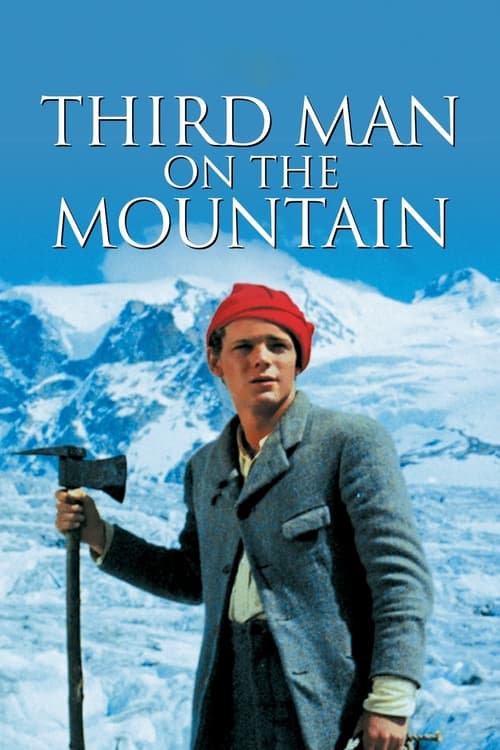
Famous British mountaineer Winter wants to climb a difficult summit, the Citadel. He goes to a small village but no guide wants to accompany him. A young man from the village, Rudi Matt, whose father died fifteen years earlier during an attempt to climb the Citadel, is determined to accompany him, with the help of his uncle. Winter also manages to hire a guide from a neighboring village and competitor, Emil Saxo. The roped party of four men then begins the ascent of the still untouched summit.
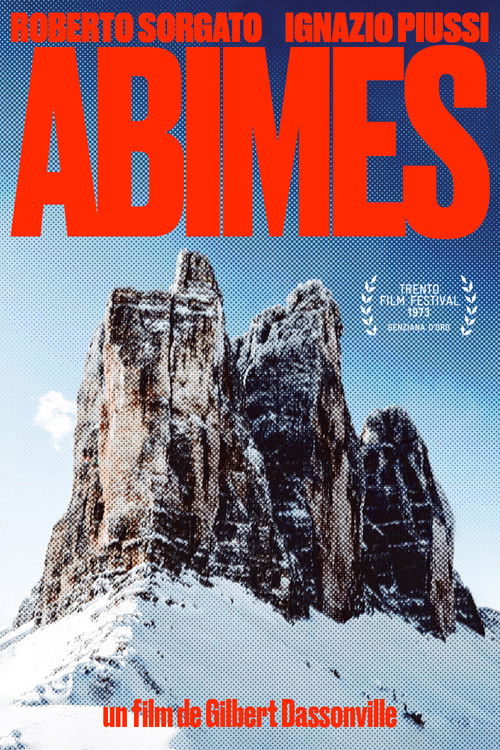
Mountaineers Roberto Sorgato and Ignazio Piussi relive their 1961 adventure: the first winter ascent of the north face of Cima Ovest di Lavaredo, a formidable Dolomite wall reaching 2,973 meters. During this expedition, Sorgato accidentally fell 60 meters while the climbers were preparing their third bivouac and found himself suspended in mid-air by a rope. Through sheer perseverance, ingenuity, and courage, he managed to pull himself back to his partner. The film, shot eleven years later, is a reenactment with the protagonists playing themselves. The difficulties this climb presents, even for the most experienced climbers, are irrefutably highlighted. The film received the Genziana d'Oro award at the Trento Film Festival in 1973.
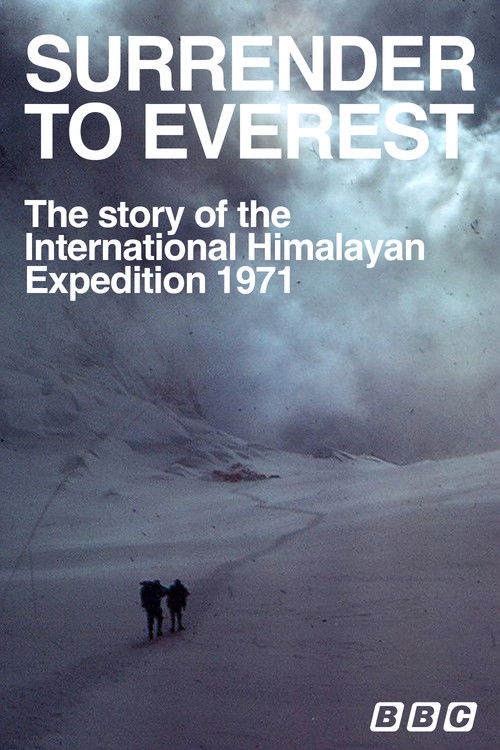
In 1971, American Norman Dyhrenfurth led an expedition of 30 climbers from 13 different countries, including Don Whillans, Dougal Haston, Naomi Uemura, Pierre Mazeaud, Michel Vaucher, and others. This expedition aimed to simultaneously climb the southwest face and the direct west ridge. During the ascent, Indian climber Harsh Vardhan Bahuguna perished at Camp 3 in a storm. The expedition, already suffering from organizational problems, was severely tested after his death. The Americans decided, unilaterally, to abandon the west ridge. The Europeans, who had spent days equipping the route, were left out and felt relegated to the roles of route setters and porters. Frenchman Pierre Mazeaud, Swiss climbers Michel and Yvette Vaucher, and Italian Carlo Mauri then left the expedition. The Americans continued their ascent of the southwest face up to 8,350 meters before giving up.
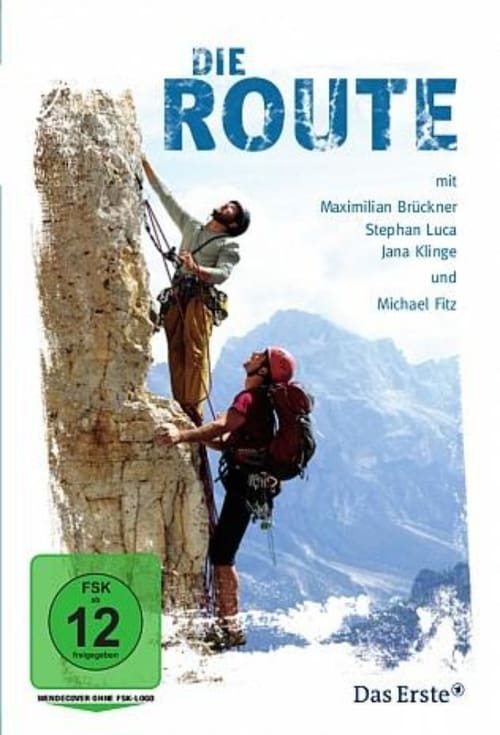
Tom and Mark are a close-knit rope team. While Mark dreams of Nanga Parbat, Tom furnishes the new house with his girlfriend Franziska. Tom has a serious accident on a particularly challenging route. Not only do Tom and Franziska have to rethink their life plans, but Mark also has to face a new reality. A story about friendship, guilt and responsibility.
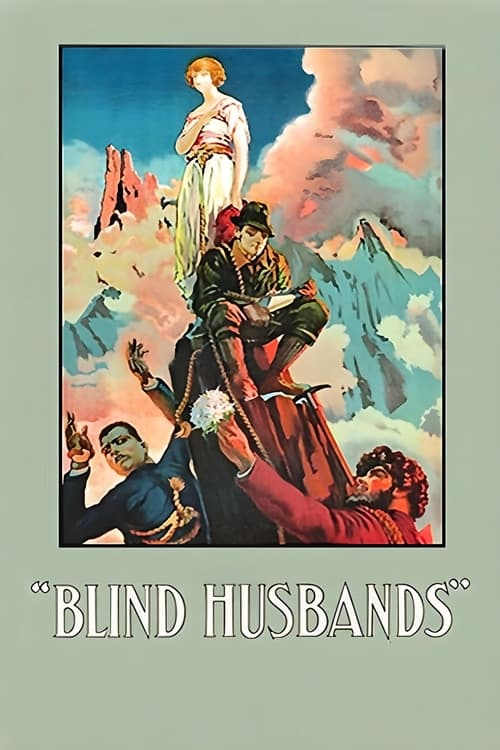
An Austrian military officer and rogue attempts to seduce the wife of a surgeon. The two men confront each other in a test of abilities that ends surprisingly.
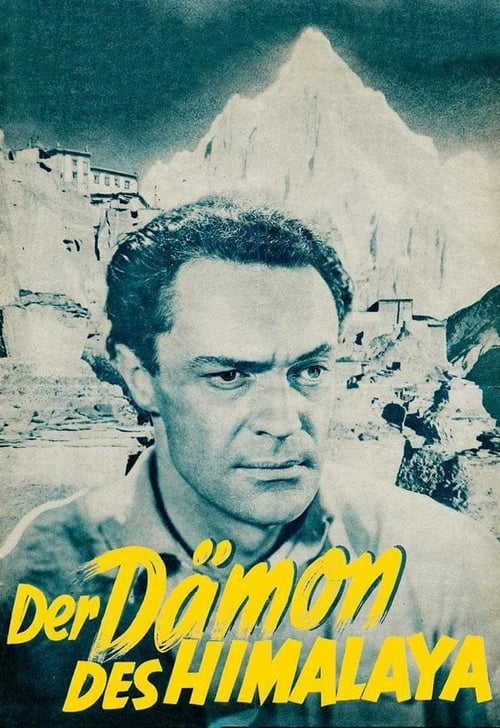
German film about a Himalayan expedition and the search for a mountain spirit, who guarded, according to the tradition of the locals, the peaks of high mountains. The long-lost and recently rediscovered and restored film is now a unique cinematic document because it is the first feature film that was shot directly in the Himalayas (up to 6400 m altitude). Hans Ertl even turned his Bell & Howell to the main summit of Sia Kangri, 7422m. Likewise, the film contains footage from India and Tibet, from a time long before the emergence of mass tourism. Some of the footage was later recycled in ‘Lost horizon’ (1937) by Frank Capra and in ‘Storm over Tibet’ (1952).
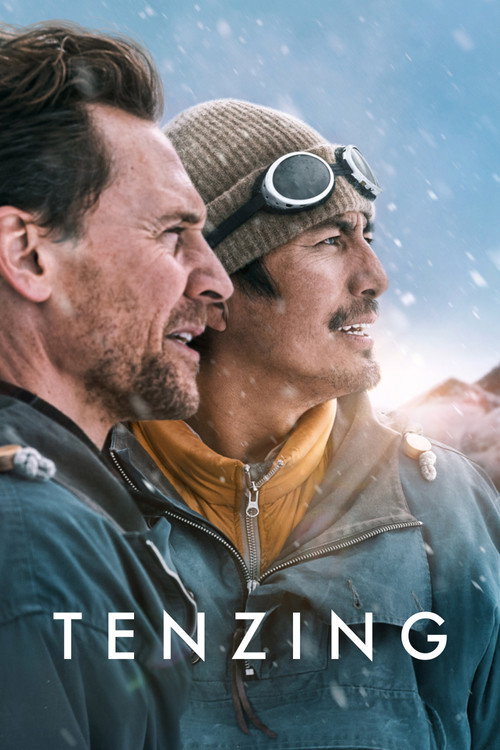
A determined man embarks on a high-stakes quest—and defies seemingly impossible odds—to fulfill his dream of being the first to reach the summit of Mount Everest.
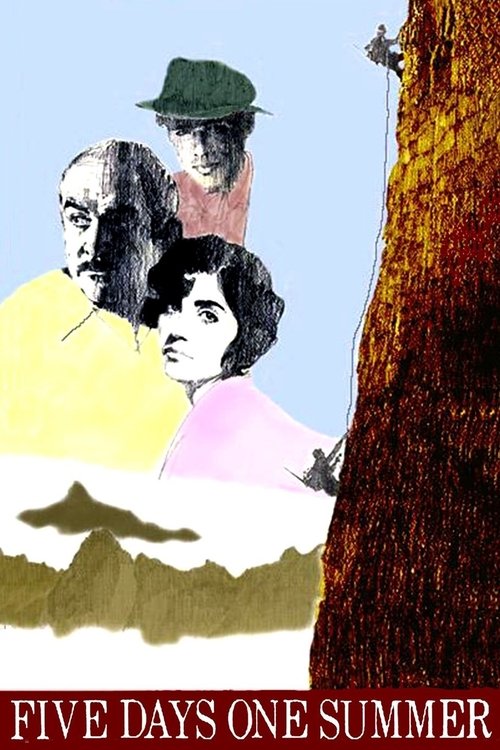
A 1930s Scottish doctor goes climbing in the Alps with an infatuated niece he passes off as his wife.
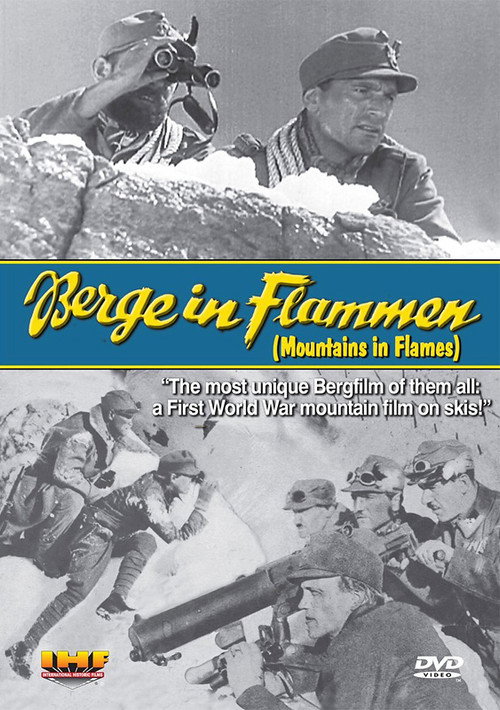
Two of Germany's best and busiest directors collaborated on Berge in Flammen (Mountain in Flames). The storyline should be of interest to pro-ecologists, inasmuch as the directors take to task the warmongers of the world for despoiling the natural beauties of the European mountain ranges with their shell-fire. The final outrage occurs during a battle between the Austrians and the Italians in the Dolomites, culminating with the destruction of an entire mountain (hence the film's title). The harrowing images on screen were complemented perfectly by the musical score of Giuseppe Beece. Also known as The Doomed Batallion, Berge in Flammen was filmed in three different languages -- German, English, French -- for a total cost of $150,000.