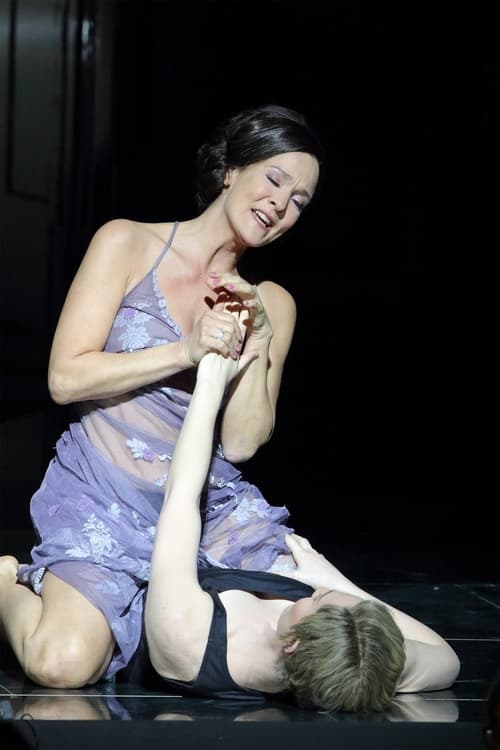
The great Georg Solti conducts a spectacular studio production of this masterpiece of 20th century opera. Two internationally celebrated Hungarian opera stars perform Bartók's darkly psychological parable with searing dramatic intensity.
Sylvia Sass
as Judit
Kolos Kováts
as Bluebeard
Ernani is a gripping drama about love and revenge by Giuseppe Verdi. Written in his unique style it brims with poignant arias, rousing choruses and enthralling ensemble scenes. The rebel leader Ernani recognises his father's murderer in the Spanish King Carlo and seeks revenge on him. Both men love Elvira – as does old Silva whom she is to be married to ... Director Lotte de Beer and her set and costume designer Christof Hetzer devote themselves to the fictional plot which bears references to the 16th century. They demonstrate their rich scenic imagination in this production, conducted by Enrique Mazzola who “provides musically magic moments at the stand of the Wiener Symphoniker” (Schwäbische Zeitung). “Great singers, fiery music and an action-packed staging” (Allgäuer Zeitung). “A mixture of Tarantino’s ‘Kill Bill’ and Monty Python’s ‘The Knights of the Coconut’” (Deutschlandfunk).
With the “Méditation”, Jules Massenet probably wrote one of the most famous melodies of our time. It originates from his comédie-lyrique Thaïs, which – unlike Massenet's operas Werther or Manon – never made it into the international opera repertoire. Presumably because the two main roles of Thaïs and Athanaël demand something almost superhuman from the singers. In the new production by Peter Konwitschny at the Theater an der Wien, the American soprano Nicole Chevalier is one of the most exciting singers currently on stage in the title role. At her side, the young Austrian bass-baritone Josef Wagner celebrates his house debut. This is a fascinating and musically excellent performance of a timeless classic of the opera repertoire.
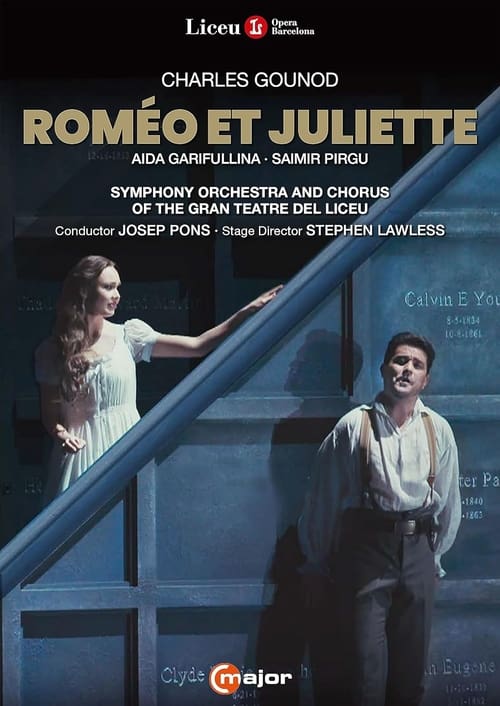
Romeo and Juliet is the most famous love story of all time. In Charles Gounod's operatic adaptation of the Shakespearean tragedy at the Gran Teatre del Liceu in Barcelona “Saimir Pirgu and Aida Garifullina mesmerize as the tragic lovers” (Euronews). Charles Gounod is one of the great representatives of French lyric drama and due to his famous aria “Je veux vivre”, ravishing melodies, magical duets and the unique ballet scene in Act IV, Roméo et Juliette continues to gain much popularity. This production by Stephen Lawless once again demonstrates the abundance of ideas that Shakespeare’s legendary tale is able to inspire, even in the 21st century. In addition to the lavish stage sets and the carefully chosen costumes and props, the production captivates the audience thanks to its refined dramaturgical logic
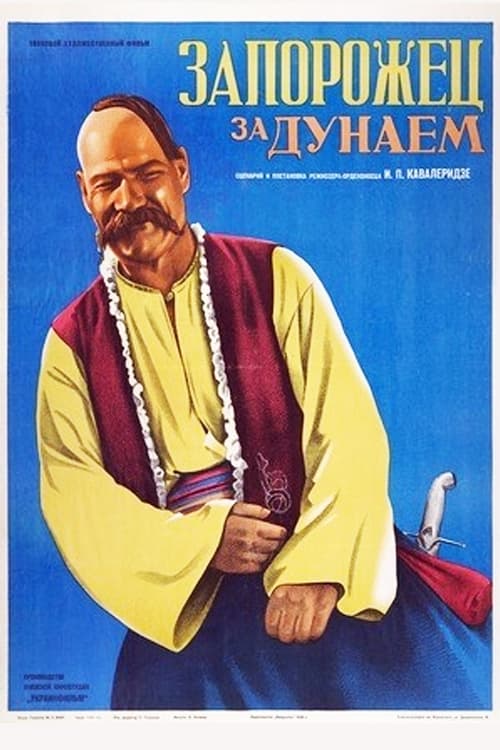
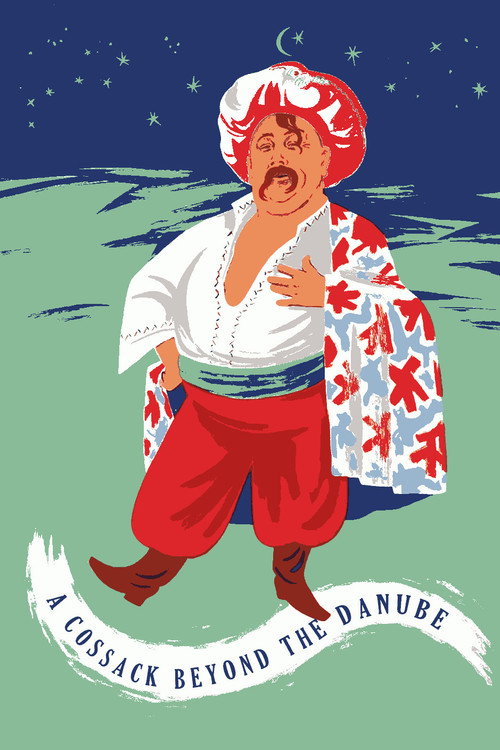
Adapted from the opera written by the composer Semen Hulak-Artemovsky.
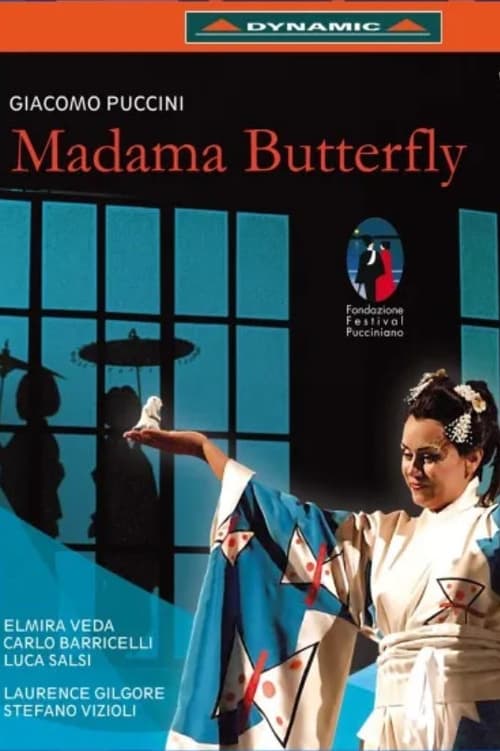
Madama Butterfly is, with Bohème, the most loved and staged of Puccini’s works. This Blu-ray production was staged at the 2007 Puccini Festival in Italy’s Torre del Lago, Puccini’s home town. Starring as Cio Cio San is the Russian soprano Elmira Veda. This version is only available as Blu-ray.
A Ukrainian comic opera with spoken dialogue in three acts with music and libretto by the composer Semen Hulak-Artemovsky (1813–1873). The orchestration has subsequently been rewritten by composers such as Reinhold Glière and Heorhiy Maiboroda. This is one of the best-known Ukrainian comic operas depicting national themes.
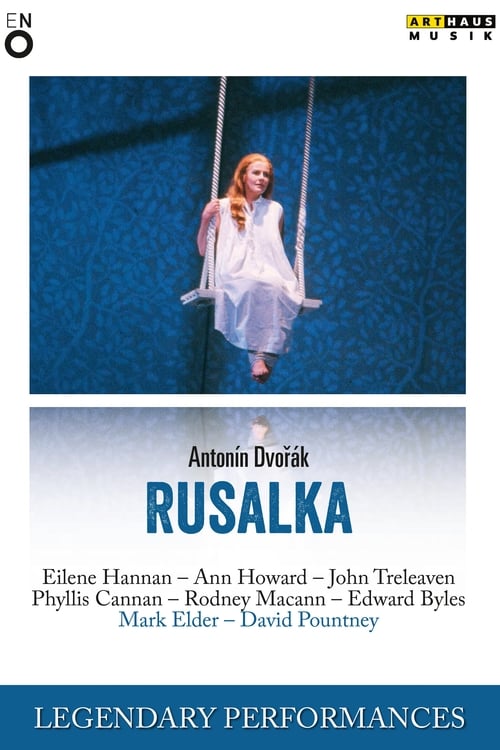
Dvořák's "Rusalka" in a production by David Pountney at the English National Opera in 1986. Mark Elder conducts the orchestra, accompanied by the English National Opera Chorus in English.
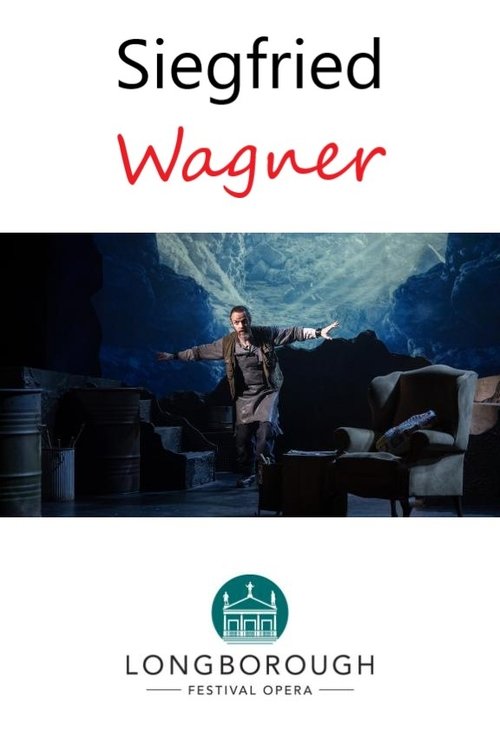
The hero Siegfried reforges his father’s shattered sword, embarking on a quest for the greatest prize of all – the love of the valkyrie Brünnhilde, who lies trapped in a ring of fire. Siegfried is the third opera in Richard Wagner’s four-opera cycle Der Ring des Nibelungen. Wagner broke off composition at the end of Act II of Siegfried to write Tristan und Isolde and Die Meistersinger von Nürnberg, returning to Siegfried seven years later. Longborough Festival Opera, known as the British Bayreuth, calls on renowned Wagnerian Anthony Negus to conduct and Amy Lane to stage this new production of Siegfried in the bucolic English Cotswolds.
A version of Benjamin Britten's opera based on the Melville story. Will the virtuous young sailor Billy Budd be hanged for murder?
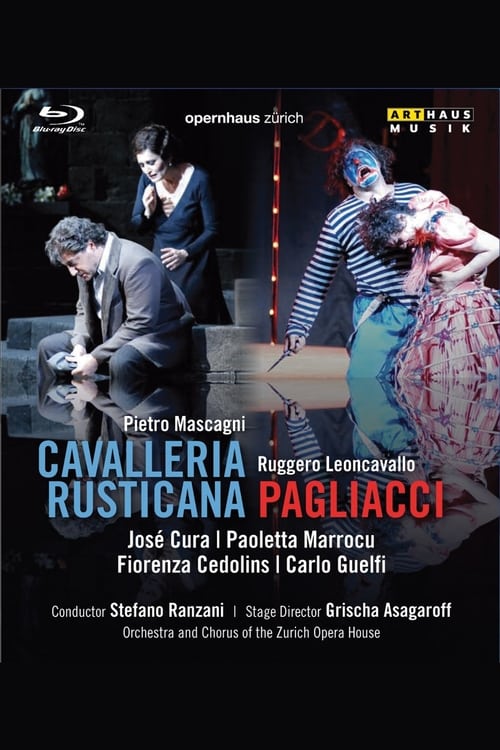
Pietro Mascagni's opera recorded in 2009. Conductor Stefano Ranzani leads the orchestra and chorus of the Zurich Opera House, with performances by Argentinian tenor Jose Cura and soprano Pauletta Marrocu.
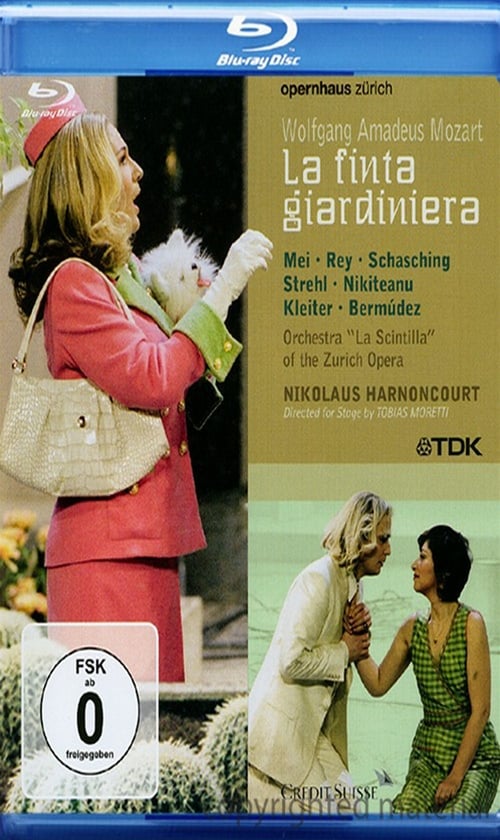
The Zurich Opera gathered a superb cast for this production: Italian soprano Eva Mei sings the Countess Violante, known as Sandrina, the feigned gardener of the title. Spanish soprano Isabel Rey is her opponent Arminda, and Arminda's former lover, the melancholy Cavaliere Ramiro, is sung by Romanian mezzo Liliana Nikiteanu. Moretti's staging presents the action in a modern villa in a hierarchical world of the rich and famous.
The operatic version of the famous story about a governess who fears her two charges are possessed.
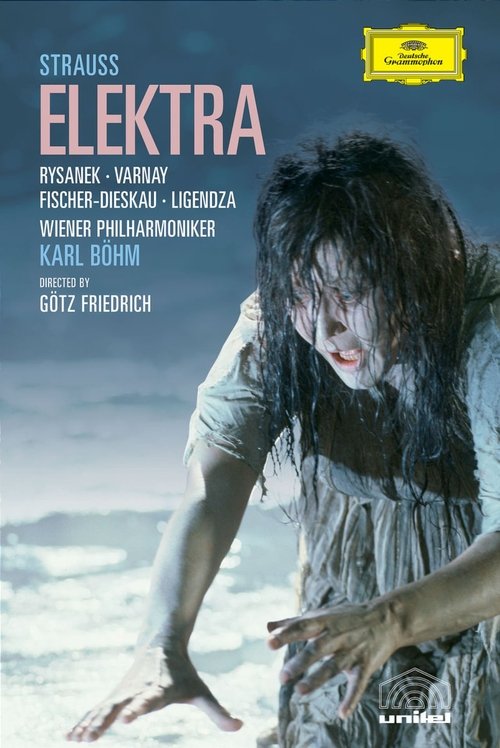
Strauss's opera adapted to the screen by Gotz Friedrich.
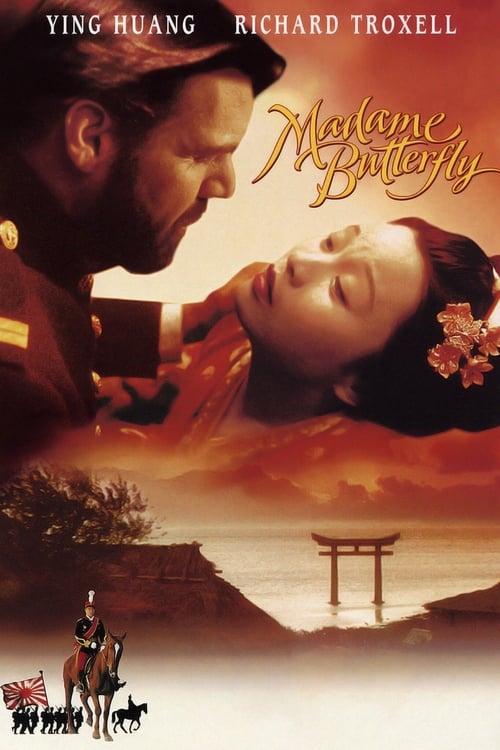
Cio-Cio-San, a young Japanese geisha, seeks to fulfill her dreams through marriage to an American naval officer. Her faith in their future is shattered by his empty vows and the loss she endures touches something deep within us all.
In October 1733, the audience at the Académie Royale de Musique witnessed the birth of a revolutionary work: Hippolyte et Aricie. With its inventiveness and musical richness, Rameau’s opera marks a break in the history of French music. A similarly revolutionary duo – Jeanne Candel and Raphaël Pichon – get to grips with this work for the Opéra Comique.
Based on a revolutionary play supposedly written by the Eternal President of the Democratic People's Republic, Kim Il-sung, and rumored to have been co-directed by Kim Jong-il. This revolutionary work is also popular among the Chinese, especially those who lived through the Cultural Revolution, and have fond memories of revolutionary antics.
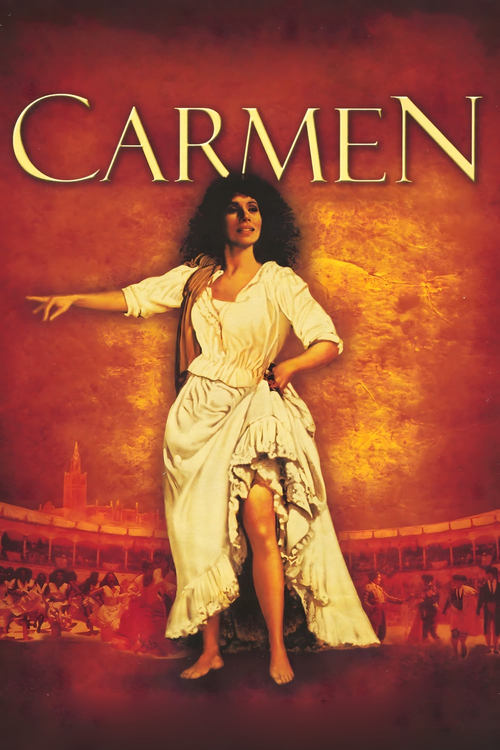
In the early 19th century, in Seville and the surrounding area, Carmen seduces the sergeant Don José, who deserts the army to be with her. But the beautiful gypsy falls in love with the bullfighter Escamillo, much to Don José’s despair.