A retired teacher investigates the shadowy history of his rural Missouri community, including the origins of a looming structure known as the Rockpile.
Thomas M. Whelan, Jr.
as Himself
Dylan Busken
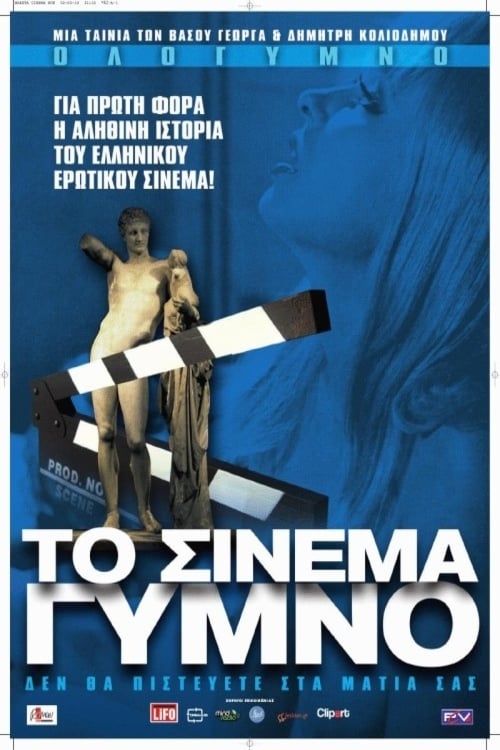
In the early 70s Greek cinema entered in a period of crisis. One of its aspects was said "crisis of issues" and one of the exits heard in the name "erotic cinema". The genre was already acquaintance from the abundance of foreigner films, that was distributed in the grindhouses under the "adults only" motto and its Greek version had a lot of variants.
Arguably second only to Muddy Waters among the Mississippi Delta singers who traveled north and pioneered urban electric blues (their supposed rivalry is the subject of one of this DVD's bonus features), Wolf was a big, imposing man with an inimitable, booming voice and a lasting influence on generations of rock & rollers--all of which comes across in the 90-minute film.
Two children accused parents and teachers of leading a paedophilic satanic cult, supposedly headquartered in secret rooms on the school premises. The story was not true. But once the fire was lit, it was hard to put out. Emily Turner’s film considers the real-world impact of an outrageous online conspiracy theory, exploring the importance of truth and the cost of lies.
Gouge - a documentary tracing The Pixies' story featuring interviews with Bono, David Bowie, Thom Yorke and Jonny Greenwood (Radiohead), Graham Coxon and Alex James (Blur), Fran Healy and Andy Dunlop (Travis), P J Harvey, Tim Wheeler (Ash), Gavin Rossdale (Bush) and Badly Drawn Boy.
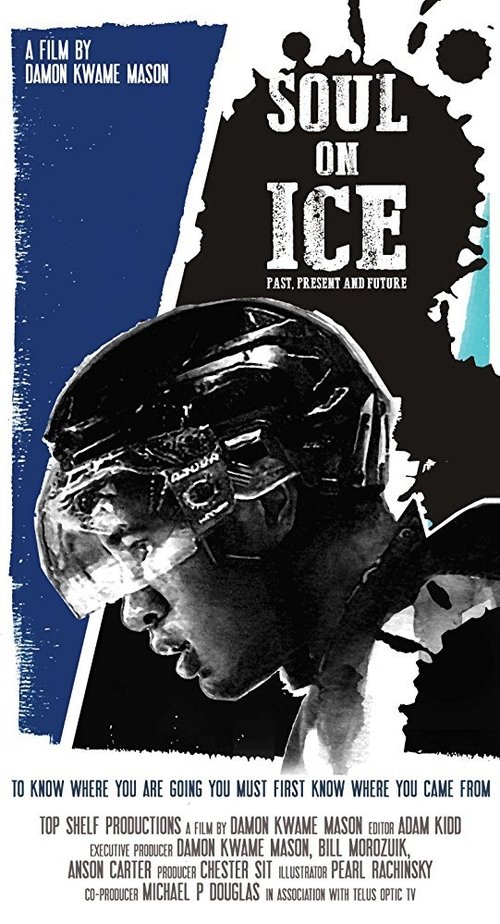
Soul On Ice: Past, Present, and Future is a film that presents and retells the unknown contributions of black athletes in ice hockey. For untold decades, hockey was seen as a homogeneous sport, exciting to watch but played by one kind of player. But people deserve to now know of the exploits of athletes who dared to stand out, and dared to make the sport their own. These Black athletes dared to give their sport soul.
Humorist Roy Blount Jr. takes viewers on a journey down the Mississippi River, showcasing everything from areas with spectacularly beautiful scenery to ugly and dangerously polluted stretches bordered by industrial development.
Documentary about the lost 1914 film "Sperduti nel buio". Film historian Denis Lotto journeys across Europe following the trail of the lost movie.
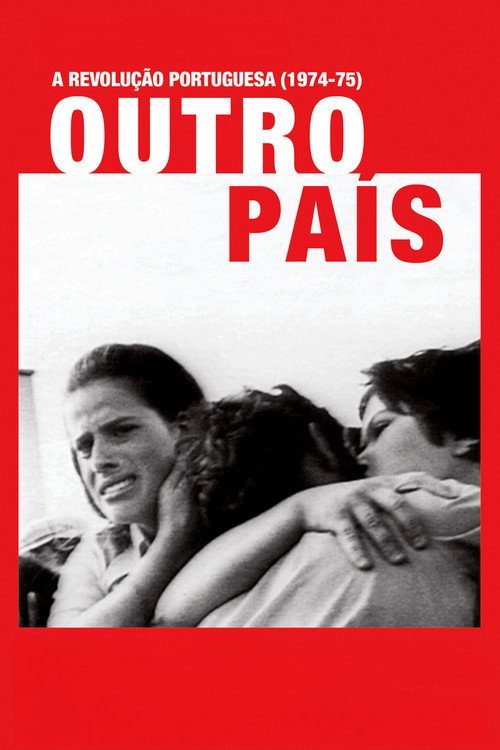
The Portuguese Revolution (1974-75) seen through the eyes of some of the most important photographers and filmmakers that witnessed the event. Their dreams and expectations and what came out of the revolution. With outstanding historical footage.
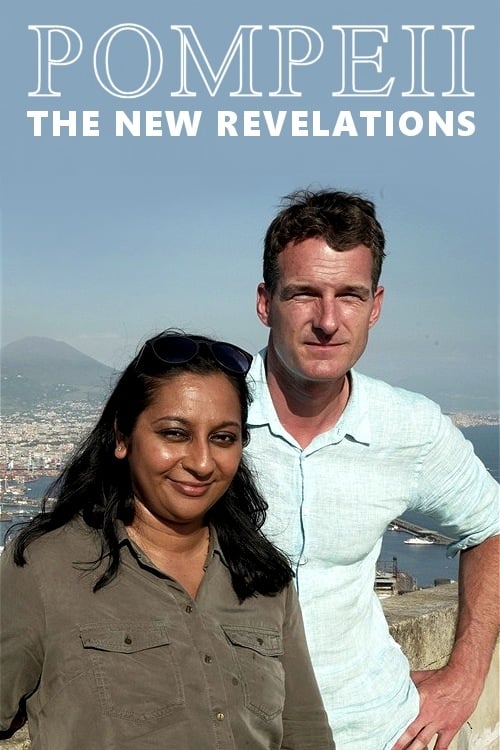
Archaeologist Raksha Dave and historian Dan Snow return to Pompeii to gain special access to a variety of new excavations, including two never-before-seen discoveries.
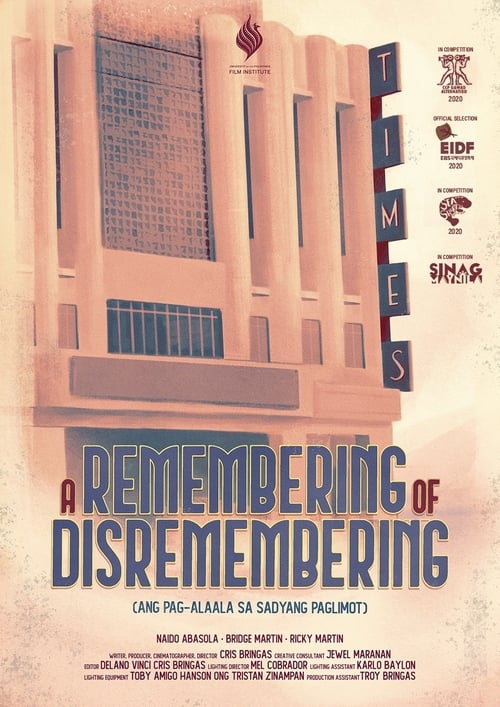
Told through the tales of love of a retiring film projectionist and a late-blooming actress, the short documentary delves into the journey of Manila’s oldest movie theater from grandiosity to obsolescence.
My grandfather fought alongside Pancho Villa, became Master Mason, was an elected official who represented Oaxaca three times, and president of the national Association of Cattle Hands. In 1942, he formed the Legion of Mexican Fighters, a group of 100,000 cattle hands training to repel a possible Nazi invasion in Mexico. His story of success, however, held a secret that affected my family, and that I discovered while making this documentary.
Jaw-dropping evidence of foul play in the death of JFK Jr., all based on official gov't documents. The prime suspect, George W. Bush, though very publicly running for president, disappeared the day of the murder, and stayed missing for 3 days.
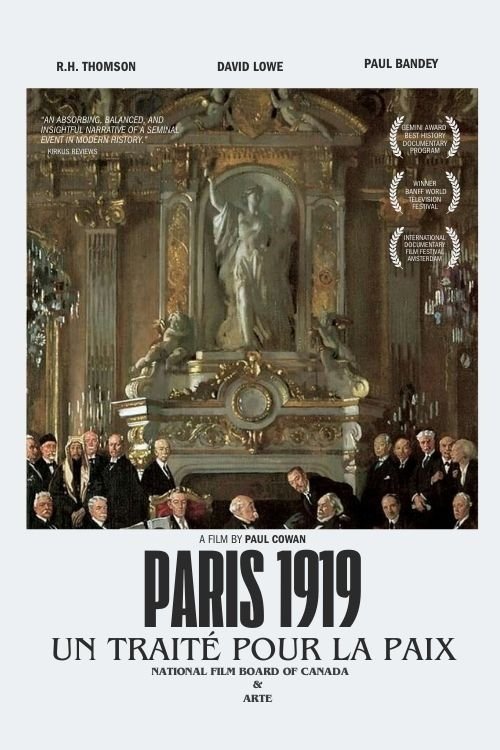
The last shots had been fired in the First World War — but peace had yet to be made. Inspired by Margaret MacMillan’s acclaimed work of popular history, Paris 1919 takes us inside the most ambitious peace talks in history, revisiting the event with a vivid sense of narrative. Evoking a pivotal moment when peace seemed possible, director Paul Cowan reflects upon the hard-learned lessons of history.
Summer 1936 - The Berlin Olympics, organized by the Nazi regime on the eve of World War II, acted as a grand showcase for a Germany that was athletic, peaceful and rejuvenated. The violence and hate that until then had reigned in the streets of Berlin suddenly vanished. Adolf Hitler became the triumphant host of European countries he would soon try to invade or face in a deadly global conflict.