Don't worry. You were lonely at home. It will be better to be with friends. There will always be a lot of people visiting you. The ceiling is higher, and it will be warmer there.
Chun Woo-hee
as Woo-hee
Lee Joo-young
as Joo-young

Jamie is a boorish, insensitive American twentysomething traveling in Chile, who somehow manages to create chaos at every turn. He and his friends are planning on taking a road trip north to experience a legendary shamanistic hallucinogen called the San Pedro cactus. In a fit of drunkenness at a wild party, Jamie invites an eccentric woman—a radical spirit named Crystal Fairy—to come along.
Some time after the Mousekewitz's have settled in America, they find that they are still having problems with the threat of cats. That makes them eager to try another home out in the west, where they are promised that mice and cats live in peace. Unfortunately, the one making this claim is an oily con artist named Cat R. Waul who is intent on his own sinister plan.
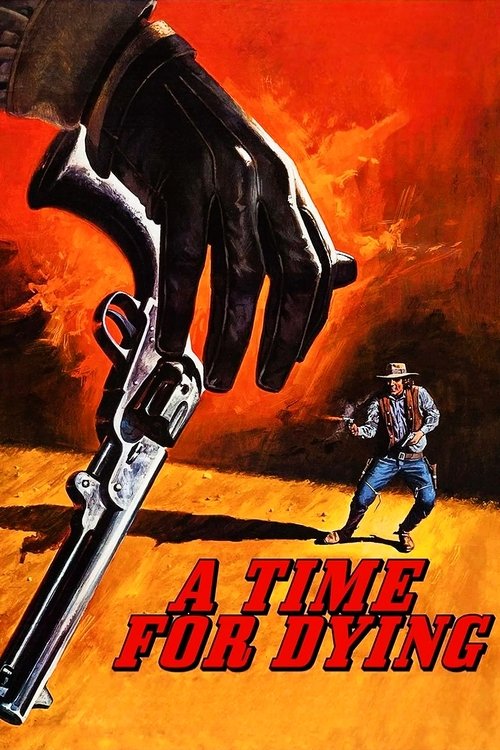
Passing through a town, a farm boy aspiring to be a bounty hunter rescues a woman who has been tricked into working in its brothel and the two travel towards his father's ranch.
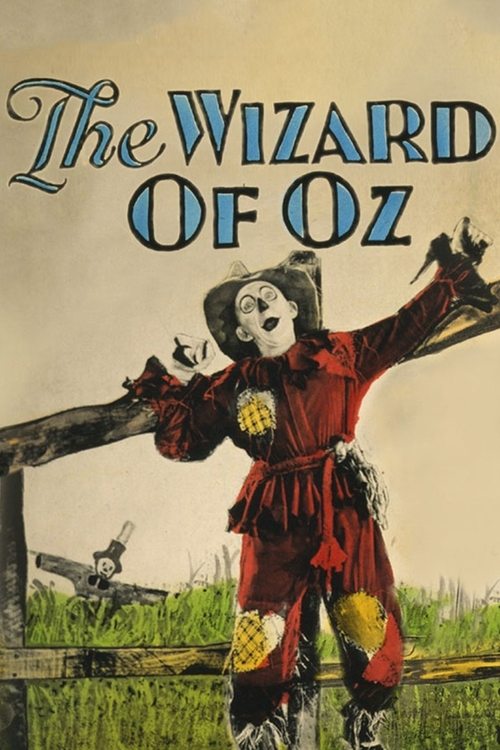
A farm girl learns she is a princess and is swept away by a tornado to the land of Oz.
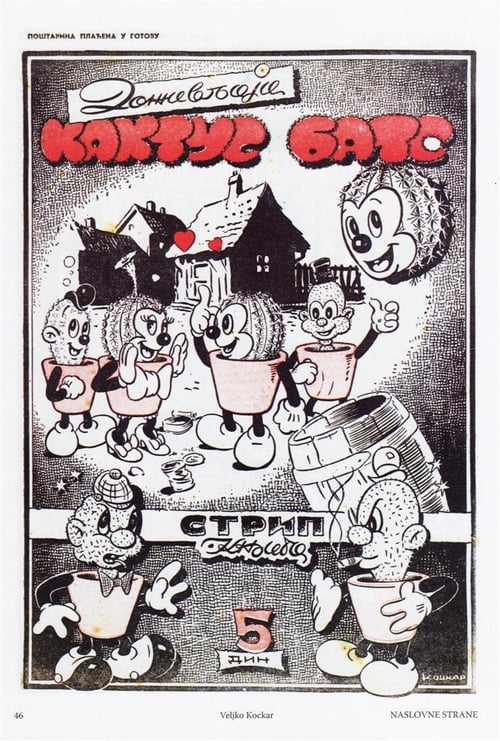
Aleksandar Zograf, a renowned cartoonist discovers an unusual comic book from World War II. The comic’s hero is Kaktus Kid – a small cactus trapped in his pot. Intrigued, Zograf investigates into the life of Kaktus Kid’s creator – little known artist Veljko Kockar. He soon discovers that Kockar was arrested just after the liberation of Belgrade in 1944. He was charged for being a Gestapo agent and executed. Zograf’s investigation reveals a far more complex story: Kockar’s identity and artistic works were stolen, he possibly has an affair with the girlfriend of a guerilla soldier and he drew anti-communist propaganda for the Nazis. As he explores the story and pieces together the scraps of evidence 70 years after it happened Zograf is faced with his own personal and artistic dilemmas: why do these little drawings have such power to give consolation but also lead to violence?
The drive from Riverside, California to Phoenix, Arizona is affectionately known as the Cactus Trail. Starting in Riverside, sights of note include: the Mission Inn in Riverside whose unique style was the brainchild of Frank Miller; the Chapel of St. Francis in Riverside, which because of its dedication to aviation is the site of many weddings associated with aviators; the Camelback Mountain outside of Phoenix, so named for its shape.
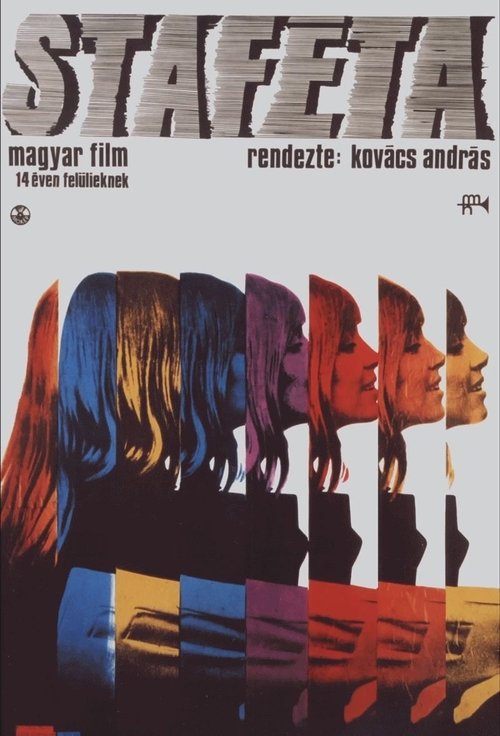
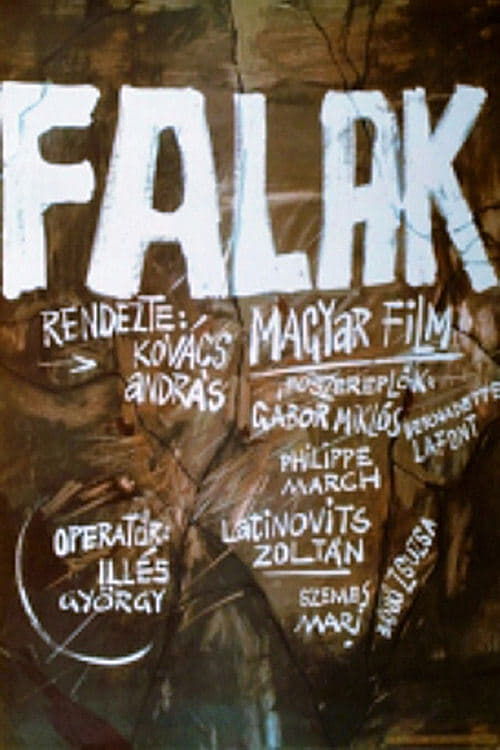
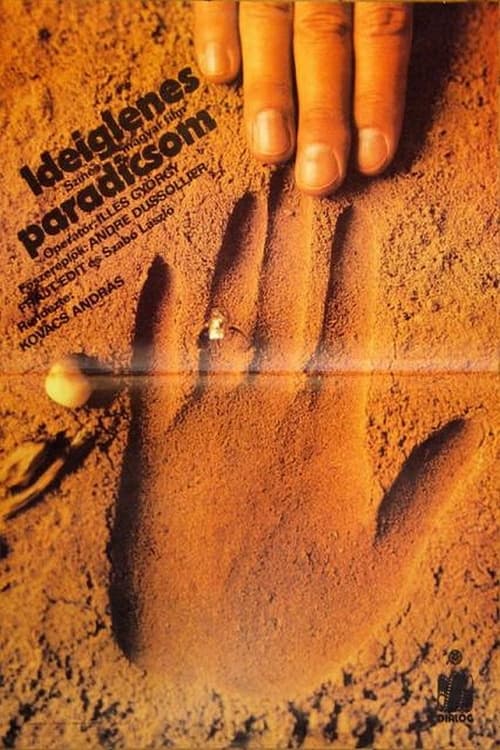
This film is a documentaristic dispute about the possibilities of young people to assert themselves, to make a career. Zsuzsa is a third-year university student studying pedagogy. She has been dating Zoltán for three years, and her thinking has been fundamentally shaped by this relationship. Yet now she would like to break up with him.
Gráci has been recently released from a reformatory school. His old gang would like to involve him in a new action, but he hesitates. His past record is bad enough already, and he would not like to get into new trouble.
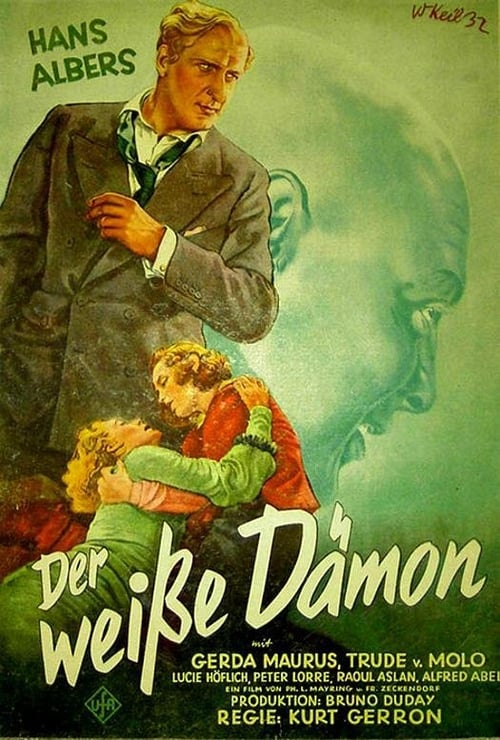
When Albers takes his drug-addicted opera star sister Gerda to a sanitarium, they both become targets of slimy dope peddler Peter Lorre, who fears that Gerda will blow the whistle on him. Lorre kidnaps the woman, leading Albers on a frantic chase.
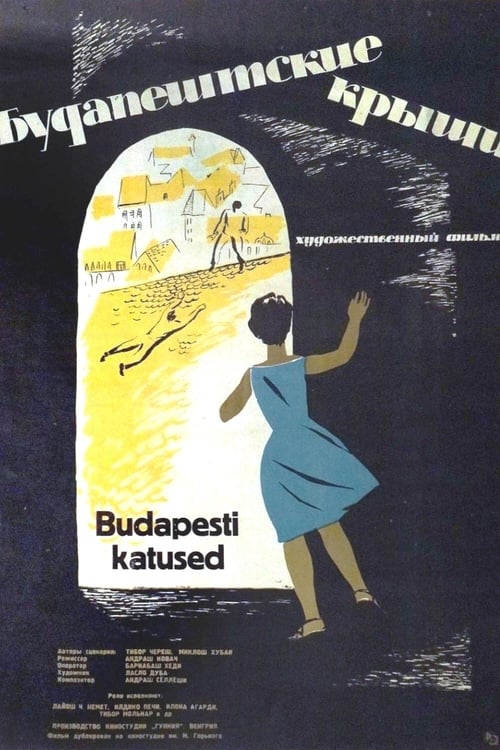
The engineer Ambrus has been suspended in his job because he publicly called the attention of the customers to a construction mistake of some goods designed to be exported. His immediate boss learns the news on a business trip to Paris. He meets his old friend Lendvay, an emigrant from Hungary, and his French wife in a cellar bar. After their talk Benkő starts seeing things in a different perspective. When he returns home, he decides to take a stand for Ambrus against Ferenczi, the general director, despite his wife's and the old director's advice.
The film is a true account of the drama of "non-action" on 14th and 15th of October, 1944. The Nazis, having a straightforward program, occupy Hungary with little or no difficulty, as the Hungarian political leadership had no unambiguous program for responding to possible steps of the Nazis. In spite of the secretly signed cease-fire agreement and proclamation, Horty gives up all plans of resistance at the news of the kidnapping of his son. The Nazis take over power and roll up the so-called conspiracy aimed at Hungary's breaking away from the German alliance.
1943. French POWs escape through Hungary towards the Balkan. Jacques and Gérard are caught and taken to an internment camp at Lake Balaton. Jacques meets Klári here, who was abandoned by her military officer husband for her Jewish origin. Both want to have a short affair, but love unfolds between them.
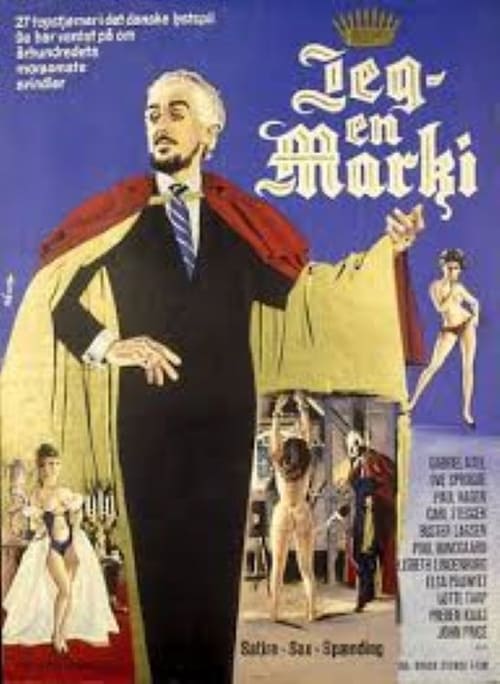
A poor dandy embezzled large sums of money and buys the title Marquis De Sade to impress the upper class. The film premiered as "I am a Marquis."
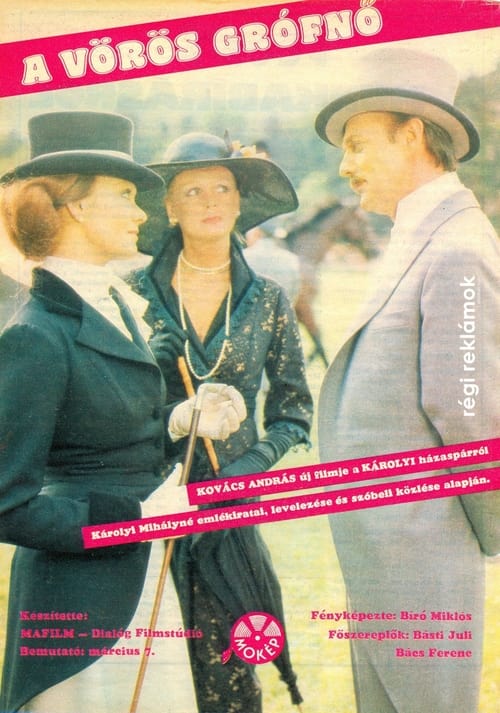
The plot of the film starts at the beginning of the century, in the heyday of the Andrássy and Károlyi families, during the ever increasing crisis of the Austro-Hungarian Monarchy, and ends with the emigration of the Károlyi couple after the collapse of the 1918-19 revolutions. It tells the story of this historical period (war, revolution, take-over by the proletariat, dictatorship) from the view of an extremely wealthy lady, Andrássy Katinka. The authors tried to evoke the special story during which a strange and unique woman gets thoroughly involved in history through her love and at the same time keeps her own identity and self-governance.
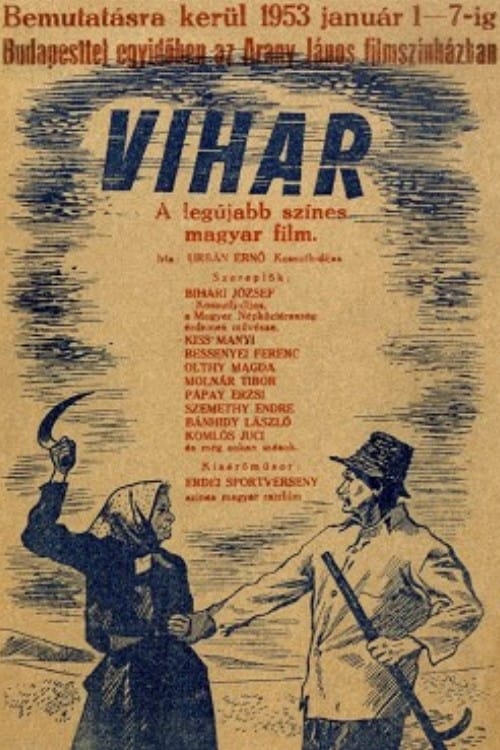
Vörös Hajnal (Red Dawn), a co-operative is the venue of skylarking, while the storm destroys the wheat which is to be harvested soon. Árendás, a middle-peasant, voices severe accusations against members of the co-operative: out of negligence, they failed to keep the ditches clean. It is always the soft option they seem to favour, while the necessity of properly taking care of the farmlands is long-forgotten. Members of the co-operative and the village people are deeply divided.