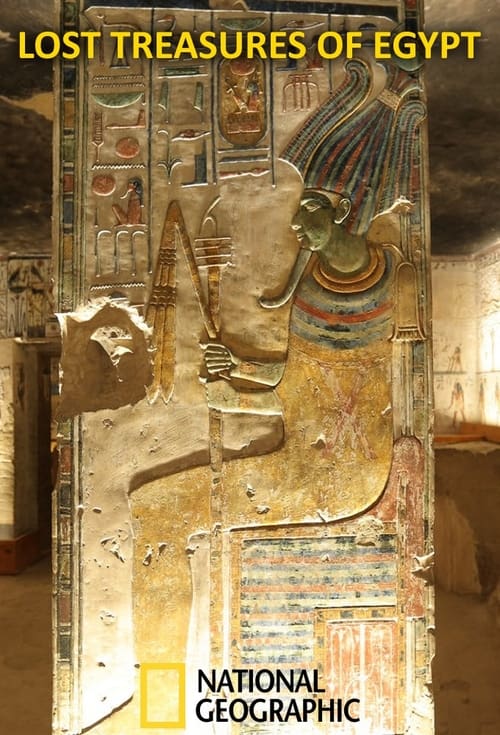
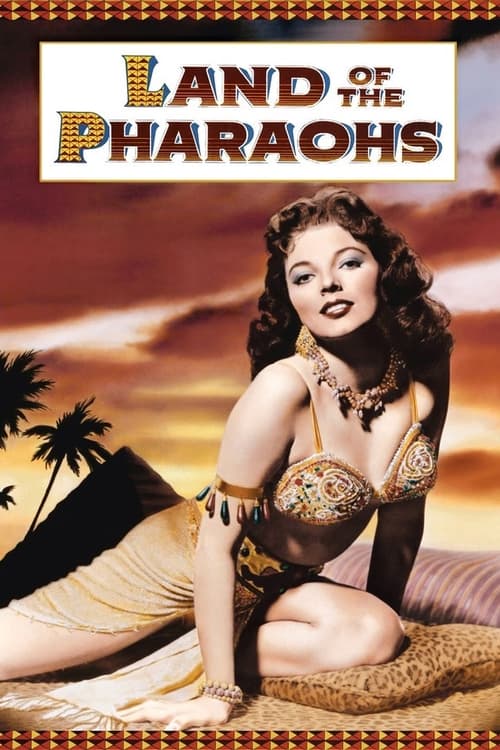
Egypt's two greatest Pharaohs, Khufu and Ramesses II, built their way to immortality through architectural marvels including the temples of Abu Simbel and the Great Pyramid of Giza
Yavar Abbas
as Director
The Kabul National Museum, once known as the "face of Afghanistan," was destroyed in 1993. We filmed the most important cultural treasures of the still-intact museum in 1988: ancient Greco-Roman art and antiquitied of Hellenistic civilization, as well as Buddhist sculpture that was said to have mythology--the art of Gandhara, Bamiyan, and Shotorak among them. After the fall of the Democratic Republic of Afghanistan in 1992, some seventy percent of the contents of the museum was destroyed, stolen, or smuggled overseas to Japan and other countries. The movement to return these items is also touched upon. The footage in this video represents that only film documentation of the Kabul Museum ever made.
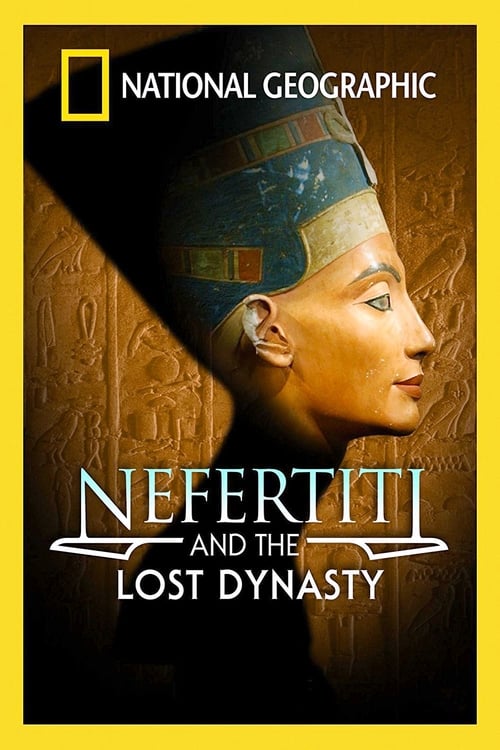
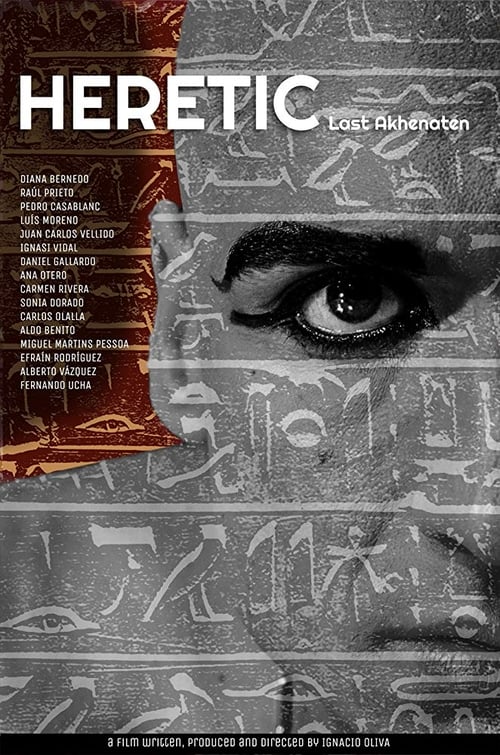
The film chronicles the last 3 years of Akhenaten -called "the heretic pharaoh"- and his wife Queen Nefertiti, their mysterious and convulse reign in the context of the profound political and theological reform they promoted.
A captured architect designs an ingenious plan to ensure the impregnability of the tomb of a self-absorbed Pharaoh, obsessed with the security of his next life.
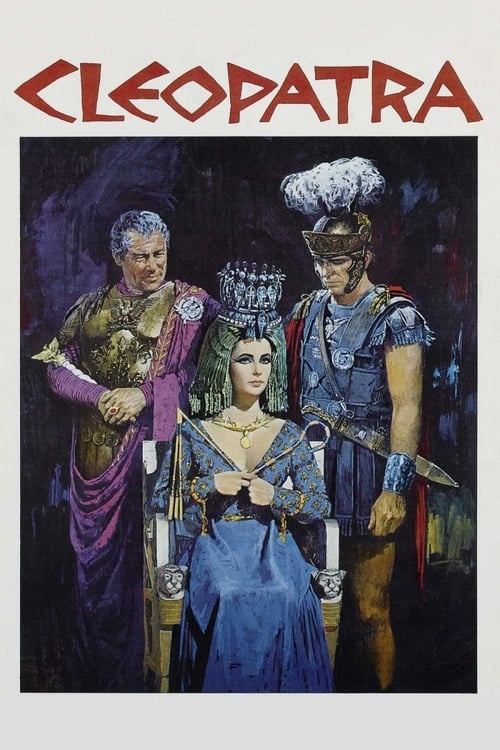
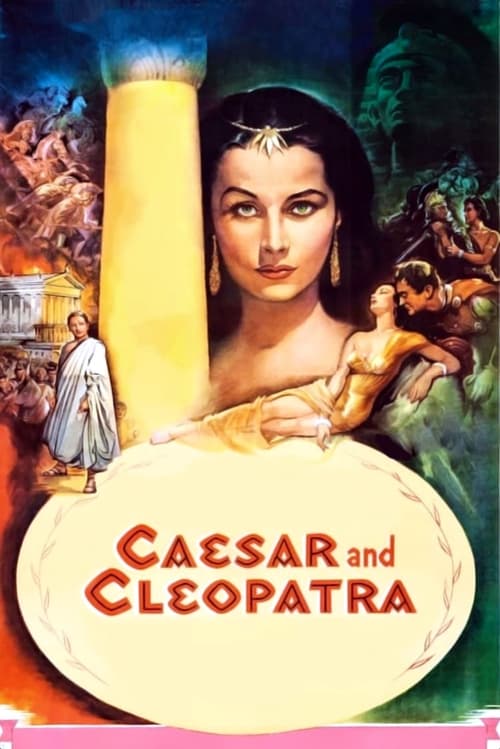
The queen of Egypt barges the Nile and flirts with Mark Antony and Julius Caesar.
This program presents the stories of the works of architecture regarded by the Greeks and Romans as the most extraordinary structures of antiquity: the Hanging Gardens of Babylon, The Statute Of Zeus, the Temple of Artemis, the Mausoleum of Halicarnassus, the Pharos of Alexandria and the Pyramids of Egypt and more.
In eighteenth-dynasty Egypt, Sinuhe, a poor orphan, becomes a brilliant physician and with his friend Horemheb is appointed to the service of the new Pharoah. Sinuhe's personal triumphs and tragedies are played against the larger canvas of the turbulent events of the 18th dynasty. As Sinuhe is drawn into court intrigues he learns the answers to the questions he has sought since his birth.
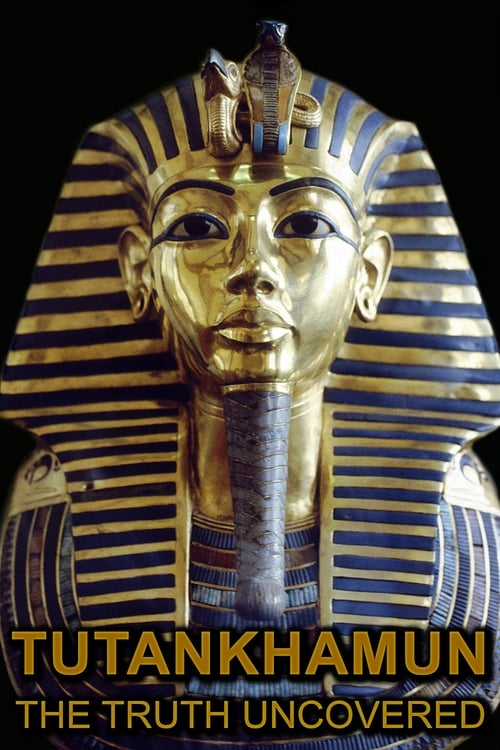
What killed King Tutankhamun? Ever since his spectacular tomb was discovered, the boy king has been the most famous pharaoh of all ancient Egypt. But his mysterious death, at just 19 years old, has never been explained. In this BBC One special, presenter Dallas Campbell reveals new scientific research and carries out unique experiments to get to the truth. For the first time, a virtual autopsy of Tut's mummified body reveals astonishing secrets about the pharaoh. Using CT scan data, the programme creates the first ever full size, scientifically accurate image of the real Tutankhamun. Brand new DNA analysis uncovers a shocking secret about Tut's family background, and the genetic trail of clues leads to a radical and revolutionary new theory to explain Tut's sudden and unexpected death. This is an epic detective story that uncovers the extraordinary truth of the boy behind the golden mask.
Egypt is home to one of the world's earliest civilizations, with its earliest settlements in northern Africa dating to 17000 BC. Ancient Egypt was a powerful, influential, and expansionist empire that grew from the Nile River Valley to include much of the eastern Mediterranean. The civilization brought many inventions and advancements, including agriculture, art, architecture, astronomy, mathematics, medicine, religion, writing, and so much more.
Explores the Pyramids of Giza as Egyptologists try to unravel the mysteries and decipher the clues behind these stone giants built over 4,500 years ago.
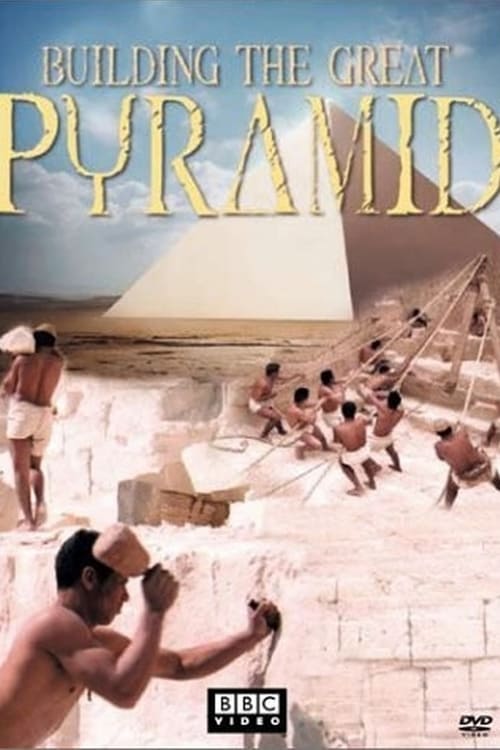
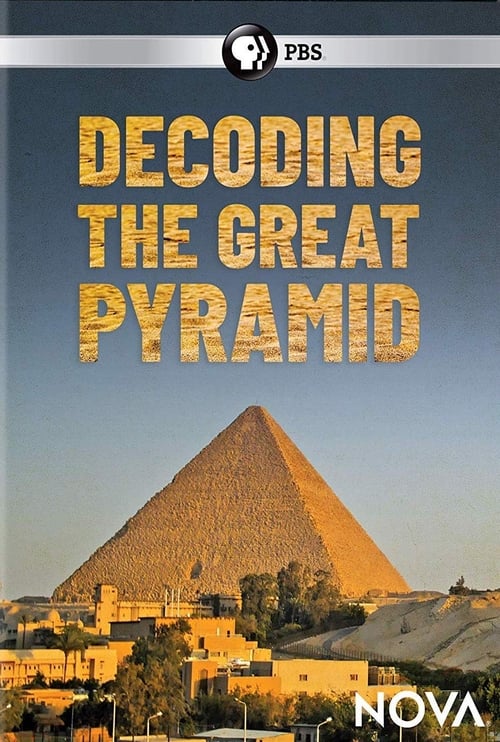
Stunning new archaeological evidence provides clues about the Egyptians who built the Great Pyramid of Giza--and how they did it. Join researchers as they delve into the logbook of a work crew and discover how the massive project transformed Egypt.
As part of a high-tech forensic probe into the demise of Egyptian Pharaoh Tutankhamun, scientists use X-rays and CT scans as they attempt to reach a conclusion about just how this famed king died. In addition, they explore the mysterious curse on explorers linked to Tut's tomb excavation.
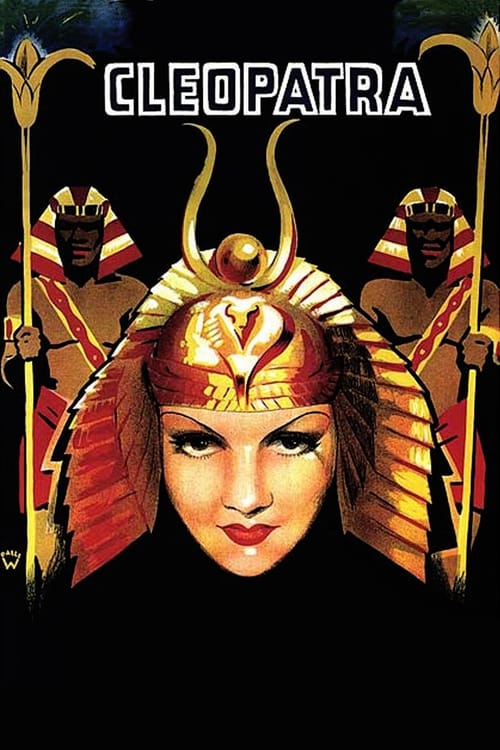
The fabled queen of Egypt's affair with Roman general Marc Antony is ultimately disastrous for both of them.
Determined to hold on to the throne, Cleopatra seduces the Roman emperor Julius Caesar. When Caesar is murdered, she redirects her attentions to his general, Marc Antony, who vows to take power—but Caesar’s successor has other plans.
Escaping death, a Hebrew infant is raised in a royal household to become a prince. Upon discovery of his true heritage, Moses embarks on a personal quest to reclaim his destiny as the leader and liberator of the Hebrew people.
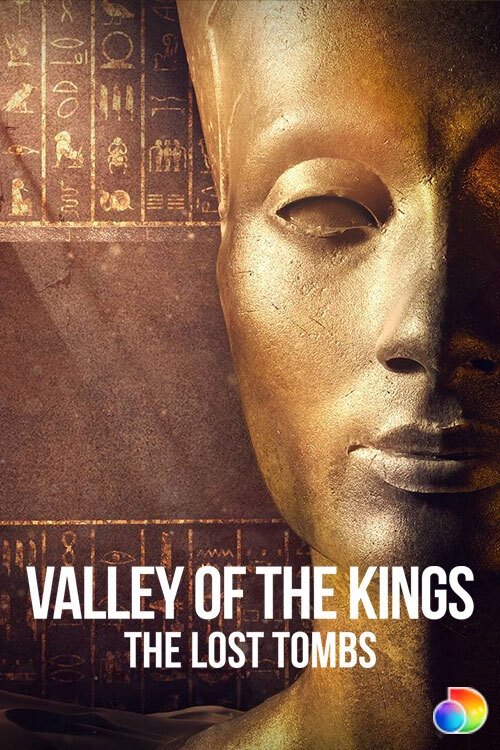
With over 60 tombs, the Valley of the Kings is the most-famous burial ground on Earth. In the biggest Egyptian excavation ever, a team of archaeologists led by Zahi Hawass heads into the Western Valley to hunt for evidence of an undiscovered tomb.
After 20 years seeking Cleopatra's tomb, archaeologist K. Martinez's search shifts to an underwater Mediterranean site. She's joined by Titanic finder Bob Ballard, Egyptian Navy and dive teams to explore the location.
Of the Seven Wonders of the Ancient World, the Pyramid is the only one to survive. Many believe that even with our 21st-century technology, we could not build anything like it today. Based on the most up-to-date research and the latest archaeological discoveries, here is how the Pyramid came to be.