This melancholy piece about the metamorphoses of love and the eternal dissatisfaction of human beings with what they have was inspired by the lyrics of the French song "Plaisir d'amour."
Your first date becomes your worst nightmare...
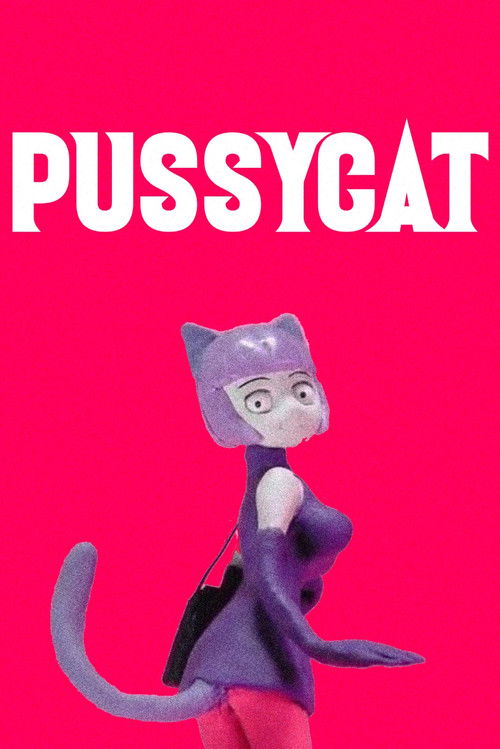
A pretty female cat gets into trouble. What's gonna happen?
It’s the Little Things that frustrate us all. Everyday sketches of a dysfunctional world in which nothing quite works and everybody has their foibles. Can the repetition of mundanity endure under extreme circumstances?
One summer afternoon in 1907, Abel and his wife (both mice) are picnicking, when they become separated during a violent rainstorm. After flying some distance, Abel discovers himself alone on a river island, unable to swim due to the powerful current. Abel periodically attempts to leave the island by various means: flying on a leaf, rowing a crudely fashioned boat, etc. Meanwhile, he tries to create a normal life of sorts, even learning to enjoy a new hobby: sculpture. Still, Abel's goal is to escape the island and rejoin his wife in the city.
Hykade's third and final part of The Country Trilogy. The once dead father of "We Lived in Grass" returns. "I give you the runt," he says. "But you take care of it and you kill it next year."
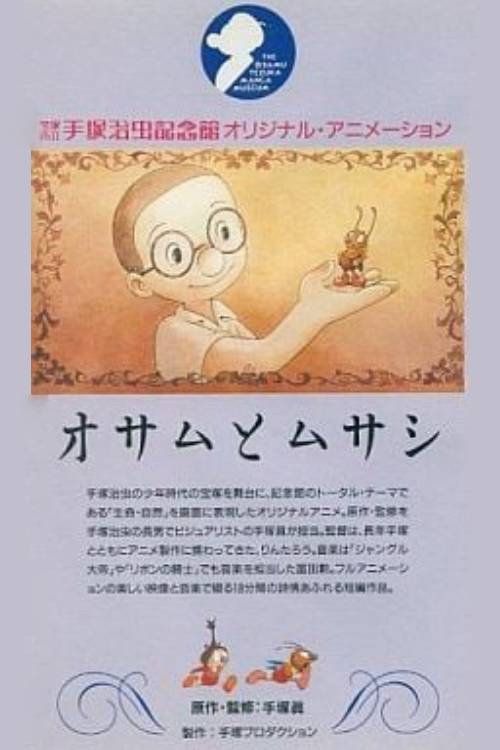
The animation was produced for the Tezuka Osamu Manga Museum, thus it features scenes from the "life and nature" of Tezuka Osamu's childhood, themes that are central to the museum as a whole, through exchanges between the boy Osamu and the carabid beetle (Osamushi) who provided the origin for the artist's name.
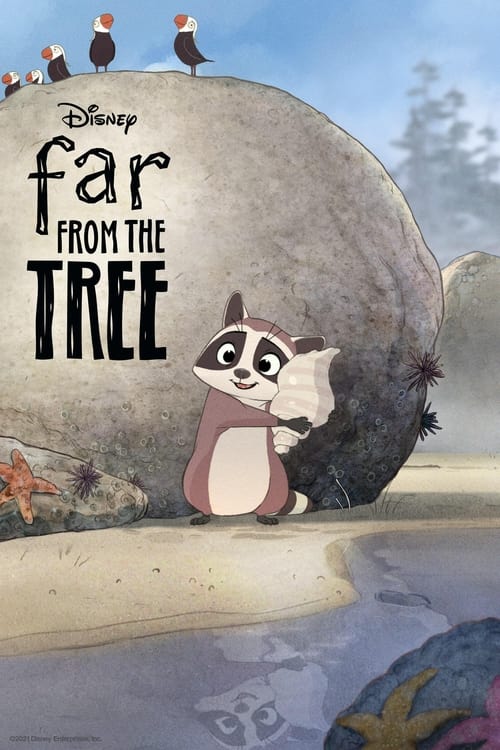
On an idyllic beach in the Pacific Northwest, curiosity gets the better of a young raccoon whose frustrated parent attempts to keep them both safe.
A film about the vortex of time. It’s also about childhood and how it marks us for life. It’s a film that speaks of the relationship a son has with his father. And of the many words never spoken because they’re written in one’s heart.
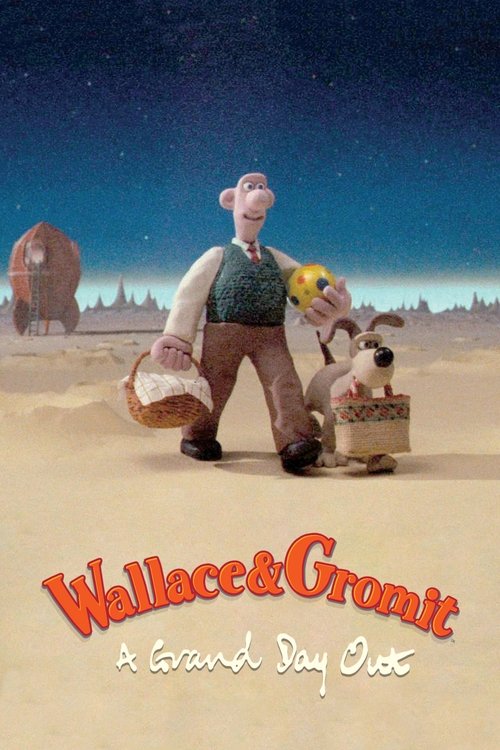
Wallace and Gromit have run out of cheese, and this provides an excellent excuse for the duo to take their holiday to the moon, where, as everyone knows, there is ample cheese.
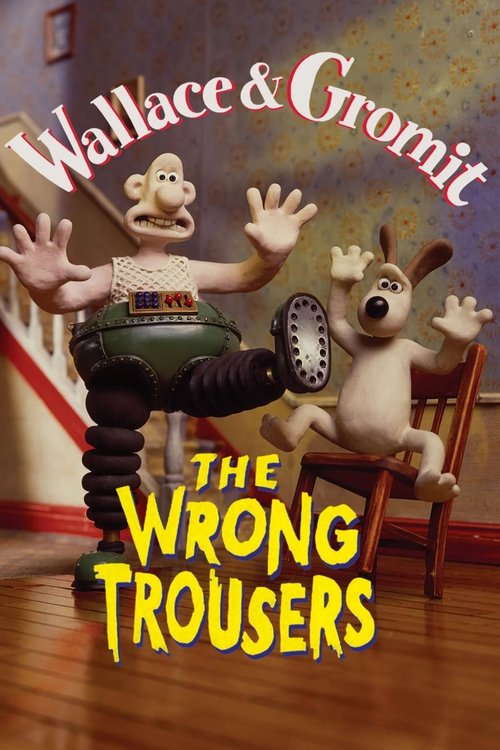
Wallace rents out Gromit's former bedroom to a penguin, who takes up an interest in the techno trousers created by Wallace. However, Gromit later learns that the penguin is a wanted criminal.
Wallace's whirlwind romance with the proprietor of the local wool shop puts his head in a spin, and Gromit is framed for sheep-rustling in a fiendish criminal plot.
Focusing on developing relationships with the computer as a nonhuman entity, Listener is an iterative, site-specific performance artwork which speculates a future through Lakota ontology, narratively and physically manifesting a relationship with metals in electronics, performed via an electronic interface woven into hair (hair is sacred to the Lakota). The sonic landscape includes live police scanners, synthesizers played by the hair, and algorithmically re-arranging poetry with a voice speaking of a future landscape, prophecies, dreams, and the possibilities in listening.
This is a classing Jordan animation, primarily in B/W, with touches of color. Actually, the engraved art work was film on color negative, so that subtle variations in tone are recorded. The mood--enhanced by John Davis' original music--is dream-like. It is both lyric and crackling, producing a kind of anticipatory tension. The scenes, in the usual Jordan manner, follow the surreal principle of placing objects and people where the ought not to be, and making movements that in the waking world are impossible. Each scene is a kind of drama from another world.
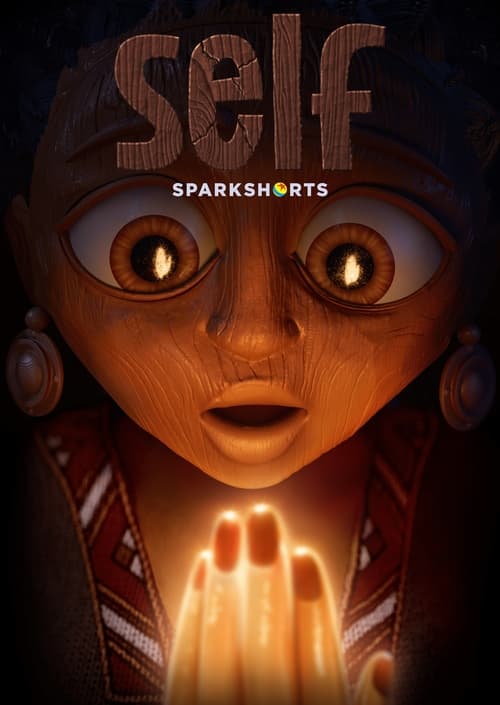
A wooden puppet who desperately wants to fit in makes an ill-fated wish upon a star, sparking a journey of self-discovery.
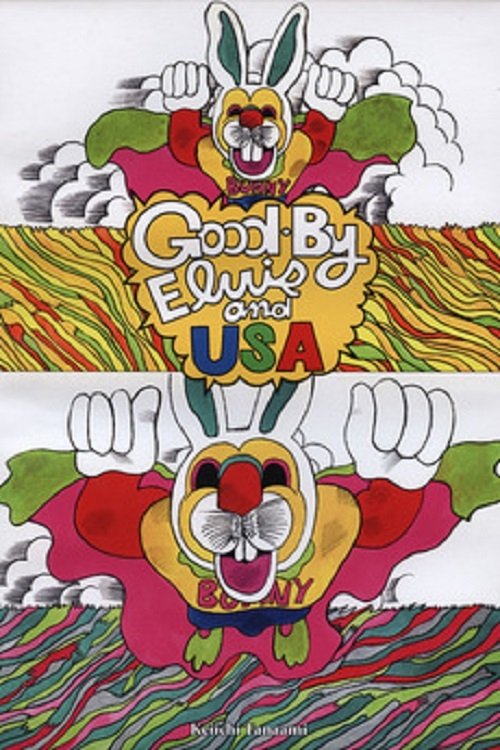
A trippy pop-art collage of phallic objects, naked women and American icons, most notably Elvis Presley.
The Pretender is a short animated documentary that revisits the life of Attar of Nishapur during the Mongol invasions of the 13th century. Blending cinema with architecture and rock music, the film follows a symbolic journey through the Seven Cities of Love, where Attar reflects on the mystical insights of Sufi philosophy.
The tale of the blacksmith Stepan, who returned the Moon, the Stars and the Sun to people.
This short film begins with the character Chauncey (a puppet made of sex toys resembling a mouth and hands with a sock for a body) rolling around in a babies’ rolling chair and watching obscure cartoons and shows on TV. They have satirical, comedic, religious, and disturbing overtones... but to Chauncey and his Dad, this is normal. After a while of the cartoons and Chauncey eating a sausage and then throwing it up, the cartoons inspire Chauncey to ask a series of philosophical questions to his Dad. The questions involve what happens after death, the meaning of life, and Chances asking about his identity and why he’s different.
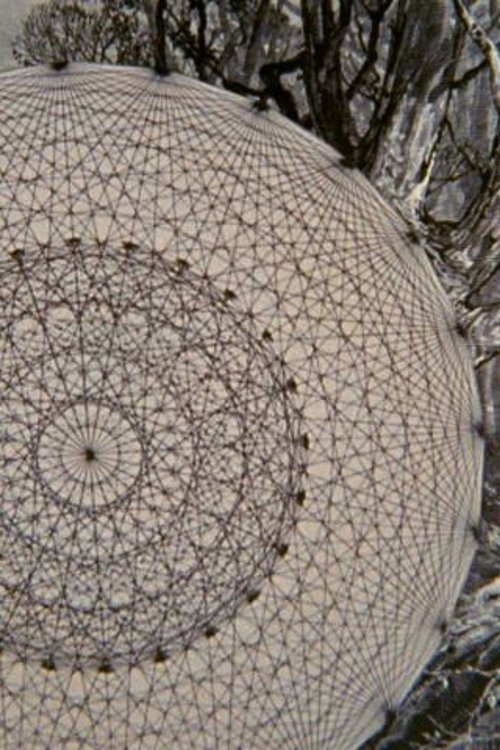
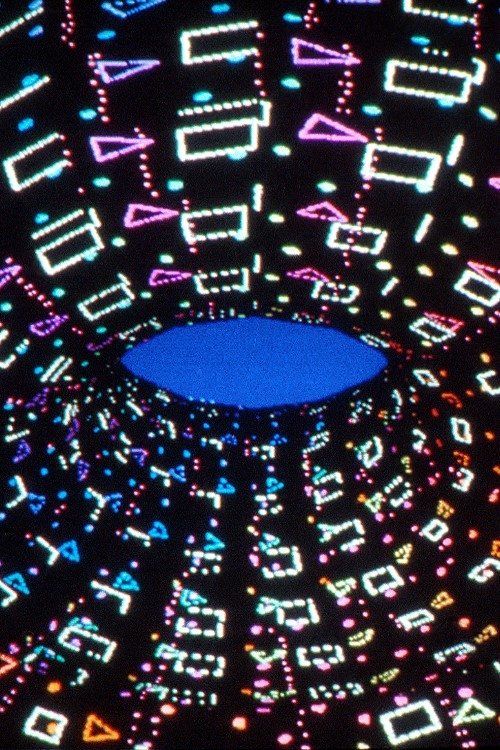
Video art by Vibeke Sorensen made at Calarts in 1989