An estimated 12 million people live in refugee camps worldwide and only 0.1% are resettled, repatriated, or integrated into normal society each year. The feature-length documentary.
Liban Rashid
as Interviewee
Adbi Halwo Ali
Abdihalim Mo
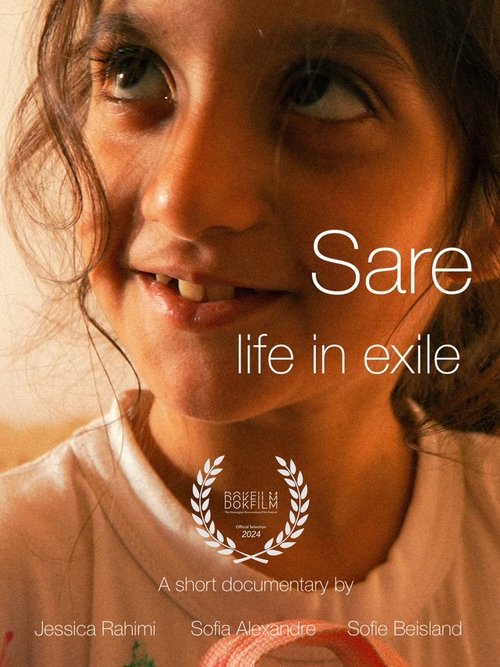
In Turkey, Ankara, a politically active family from Iran is being deported after 10 years. The story is told through their 7 year old daughter, Sare, while she herself has struggles of her own.
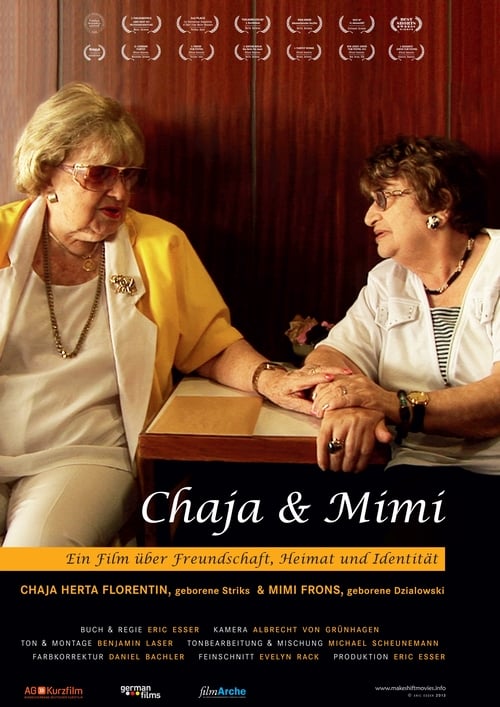
Chaja Florentin and Mimi Frons have been best friends for 83 years. Born and raised in Berlin, they had to escape from the Nazis to Palestine with their families in 1934. They talk about their complicated relationship with Berlin in a Tel Aviv café where they meet everyday. A film about friendship, homeland and identity.
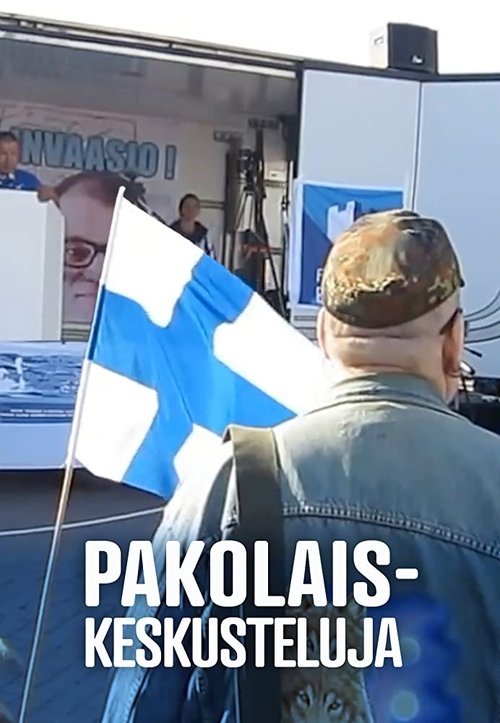
REFUGEE CONVERSATIONS / PAKOLAISKESKUSTELUJA is a 90-minute documentary film. Its themes are: refugees, racism, xenophobia, Islam, Christianity and compassion — or the lack of it. What is the meaning and role of these in Finland, a country which according to many studies is the happiest country in the world?
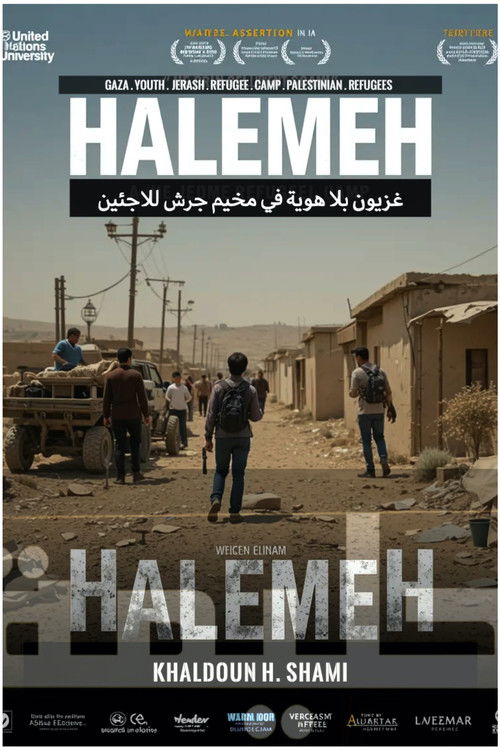
In the Gaza refugee camp of Jerash, Palestinians face the critical issue of lacking identification documents. This situation undermines their rights and hinders access to essential services and opportunities.
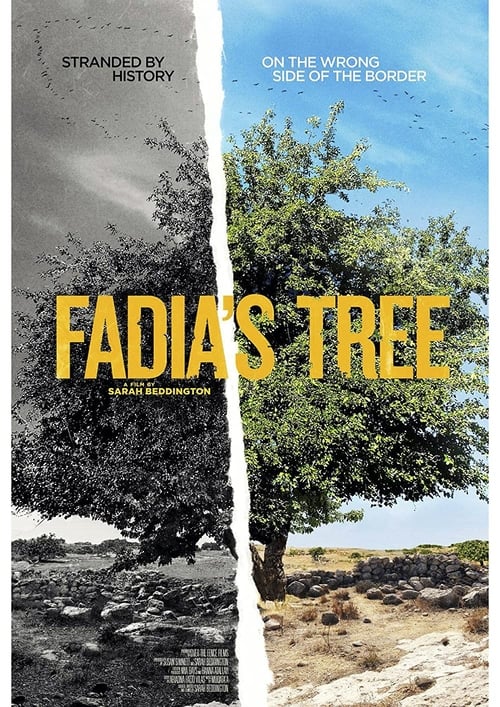
While millions of birds migrate freely in the skies above, Fadia, a Palestinian refugee stranded in Lebanon, yearns for the ancestral homeland she is denied. When a chance meeting introduces her to the director, Sarah, she challenges her to find an ancient mulberry tree that once grew next to her grandfather’s house in historic Palestine, a tree that stands witness to her family’s existence.
The story of an asylum seeker in England who, when confronted with the hostile immigration system in the UK, is forced to live on the fringes of society and rely on his bike to survive. Based on the lived experience of co-writer Ayman Alhussein.
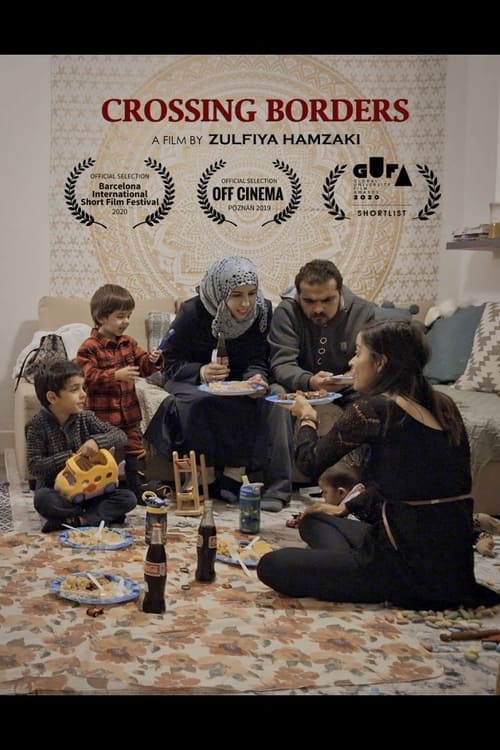
Escaping a refugee life from war-torn Syria sparks hope for a family looking to adapt to an American life.
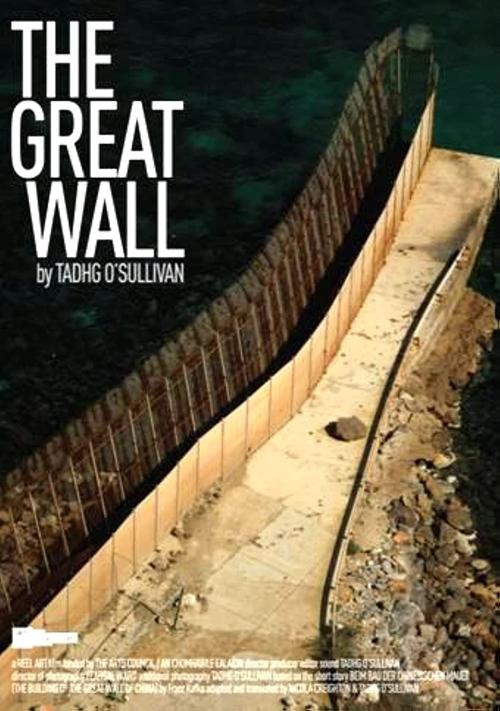
‘The Great Wall has been completed at its most southerly point.’ So begins Kafka’s short story ‘At the Building of the Great Wall of China’, and so, at Europe’s heavily militarised south-eastern frontier, begins this film. In the shadow of its own narratives of freedom, Europe has been quietly building its own great wall. Like its famous Chinese precursor, this wall has been piecemeal in construction, diverse in form and dubious in utility. Gradually cohering across the continent, this system of enclosure and exclusion is urged upon a populace seemingly willing to accept its necessity and to contribute to its building.
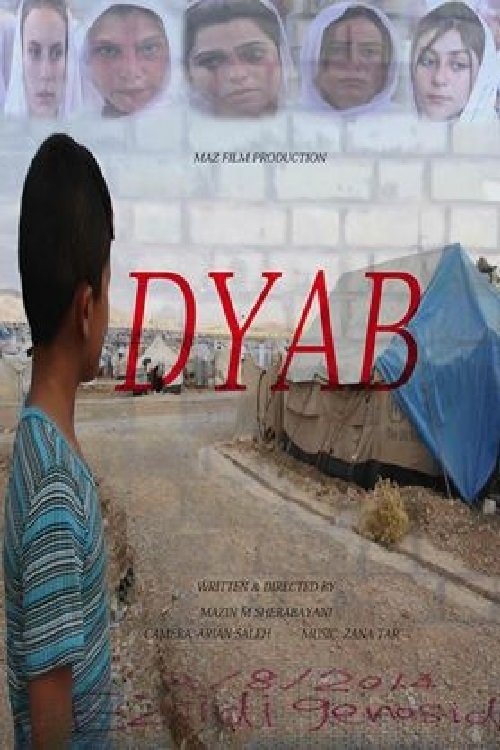
12-year-old Dyab is a Kurdish Yazidi boy living at Arbat refugee camp, after the horrendous attacks by the Islamic States on their villages at Shingal Mountains (Sinjar). However, Dyab’s dream is, to become a filmmaker and actor and tell the stories and sufferings of his people to the outside world.
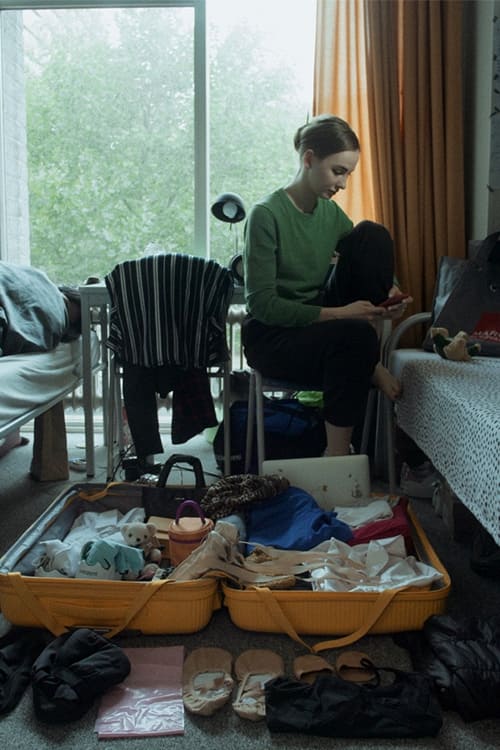
Stories about young Ukrainian dancers and their hasty flight to the Netherlands. You see their new life as refugees. The former conservatory in The Hague is a shelter for them where they collect their lives and find refuge in their profession: dance. The formation of a new ballet company, The United Ukrainian Ballet, is an important foothold in winning back their lives. They find comfort in each other and close friendships develop. In addition, there is the great love for ballet, for the dancers the best way to express themselves.
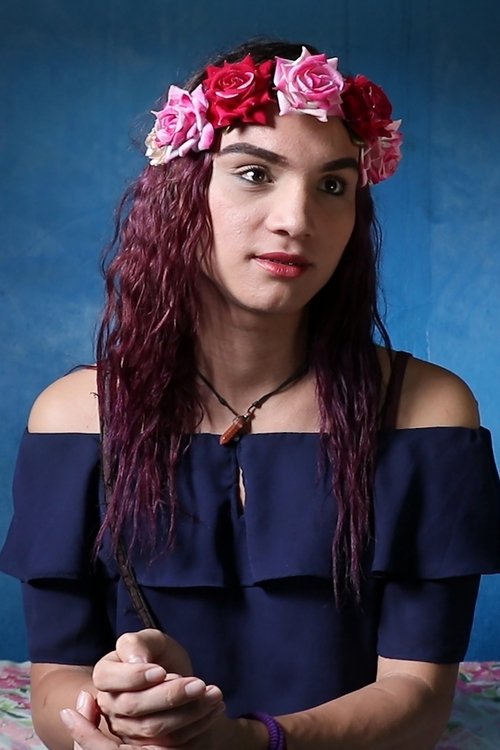
In 2018, Brazil's first shelter for LGBT+ refugees opened its doors in the city of Manaus, the largest city of the state of Amazonas. This collaborative documentary film tells the story of three residents who are all trying to build a new life in this incongruous urban metropolis. A candid, and intimate insight into the many challenges faced by LGBT+ refugees.
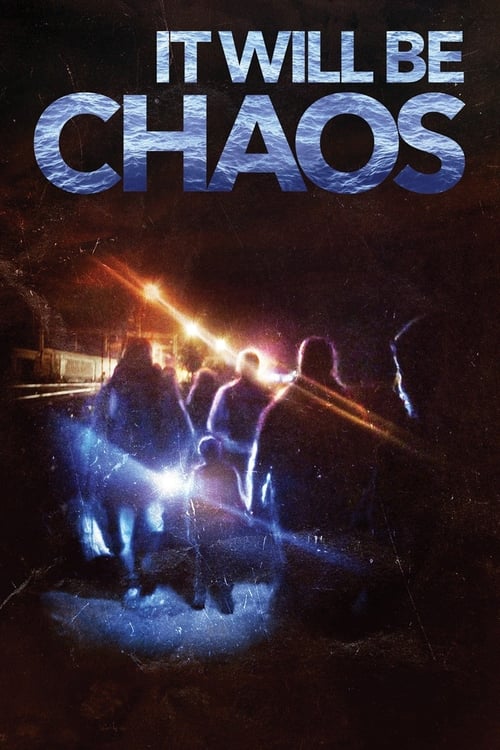
Part road-movie and part intimate portrait of lives in transit, IT WILL BE CHAOS unfolds between Italy and the Balkan corridor, intercutting two unforgettable refugees stories of human strength and resilience.
A portrait of the life and work of the great Hungarian composer Béla Bartók, exploring both his music and his passionate interest in his country's folklore.
Amid December’s festive glow, refugees remain hidden in forests along the Poland-Belarus border. This powerful documentary gives voice to their silent cries.