Park Chung-hee
as Self (archive footage)
Kim Sang-hyun
as Narrator
Baek Gi-wan
as Self
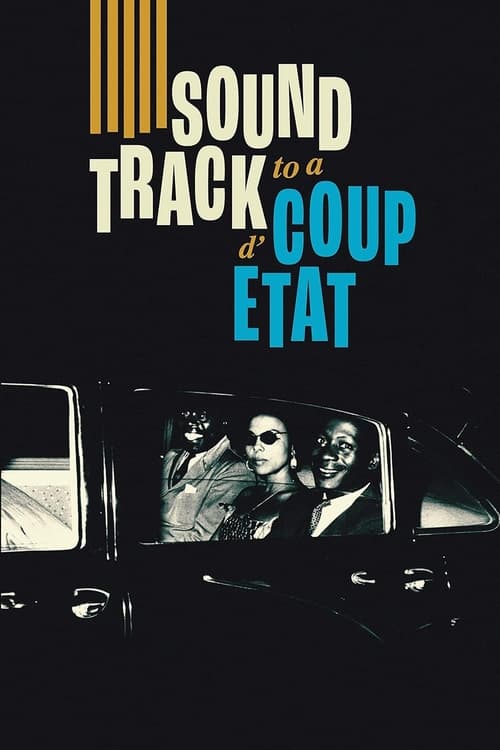
Jazz and decolonization are intertwined in a powerful narrative that recounts one of the tensest episodes of the Cold War.
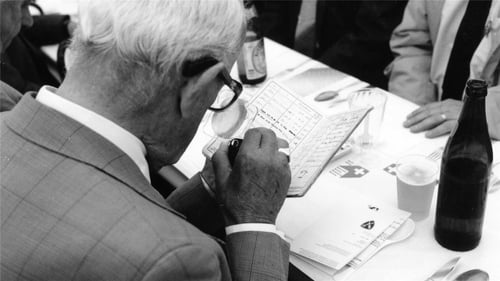
Documenting the lead up to the Swiss popular initiatives in 1989 to abolish the military, the first such popular vote in history. Showing events organized by the military, political discussions and a play adapting a novel by Max Frisch, treating the issue.
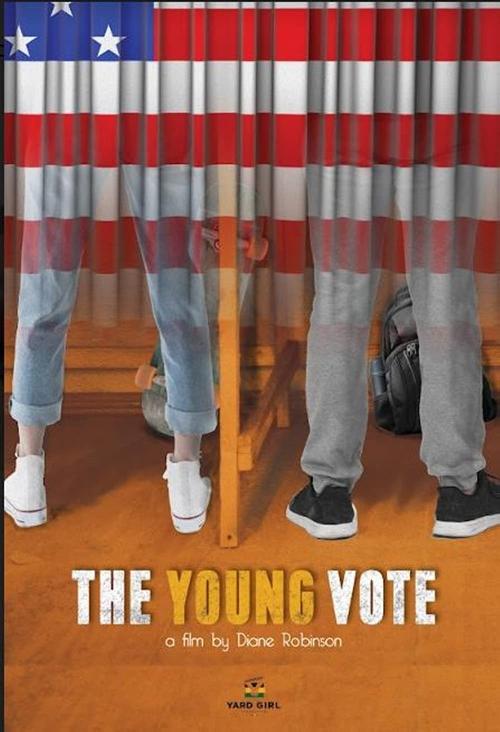
Follow a diverse group of students and activists during the 2020 election to understand young people's perceptions of voting and civic engagement.
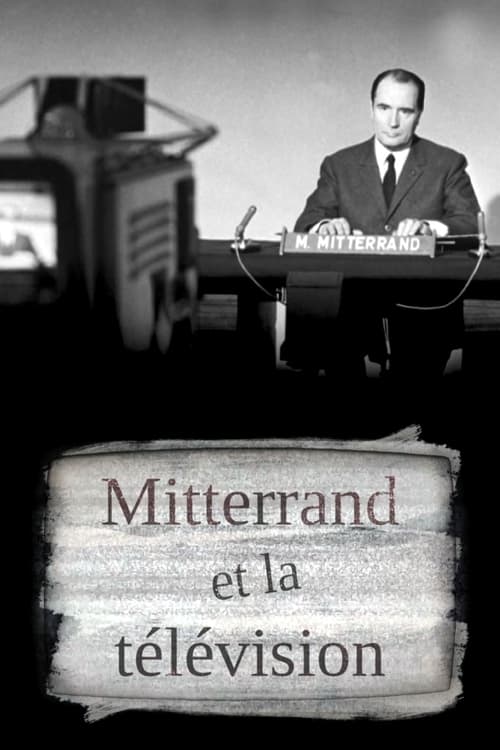
May 10th, 1981. François Mitterrand is elected President of the Republic. The “soviet tanks” supposedly coming upon the Champs-Élysées dressed in red, feared by some, did not march. Serge Moati takes a personal look at this episode, focusing on the relationship the president had with television, that he witnessed and played a role in.
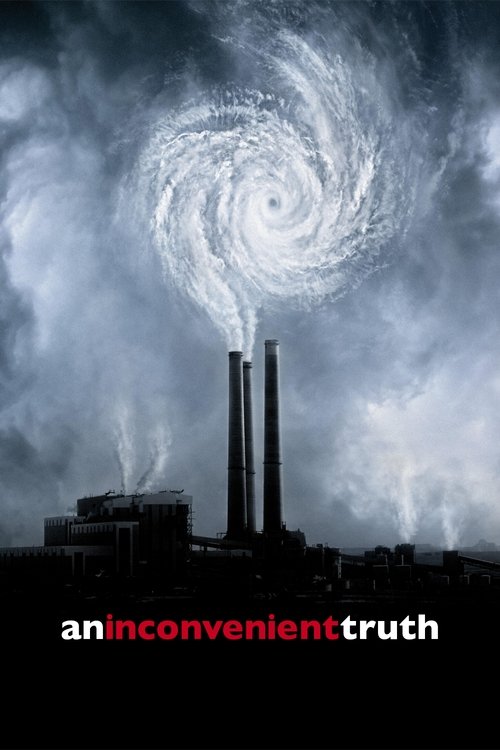
A documentary on Al Gore's campaign to make the issue of global warming a recognized problem worldwide.
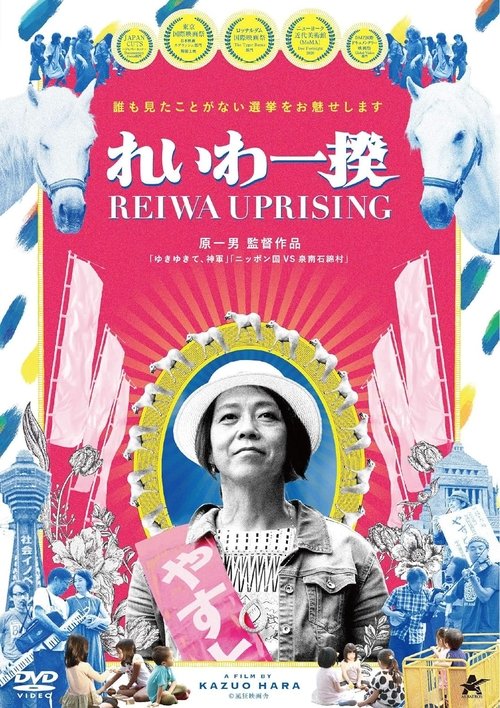
Kazuo Hara follows Ayumi Yasutomi, a transgender candidate, who is also a Tokyo University professor, as she embarks on a national campaign for a seat in Japan's Upper House.
Unfulfilled promises of politicians, victims of the system, backstage of election campaign.
"Slaughter" is an experimental short film that delves into the archival and historical footage of the Iranian Revolution in 1979, depicting a symbolic narrative surrounding the ritualistic act of animal sacrifice, known as "Besmel." It serves as an allegorical representation of a nation's sacrifice amidst the backdrop of political transformations.
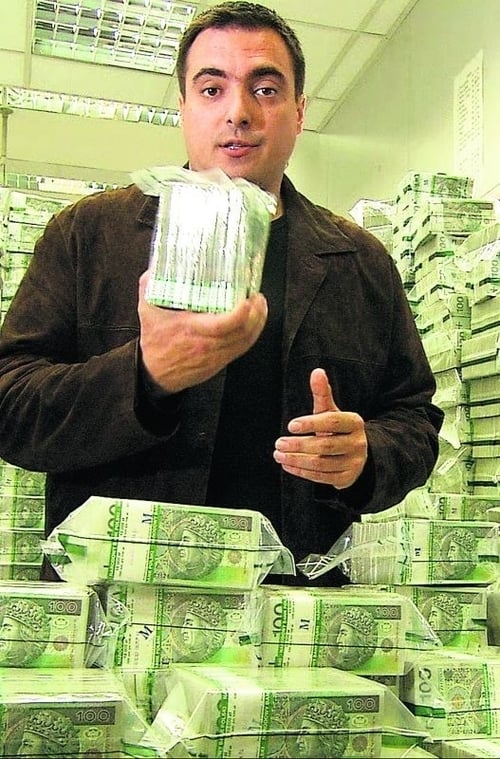
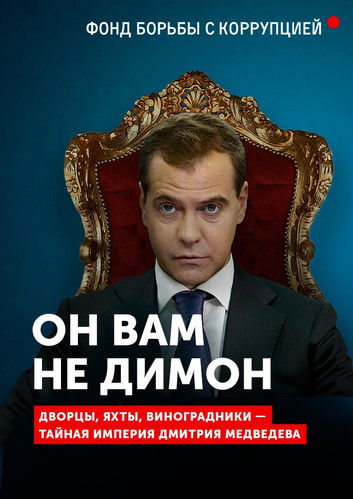
Don't Call Him Dimon is a 2017 Russian documentary film about the corrupt affairs of Prime Minister of Russia Dmitry Medvedev. According to the film, Dmitry Medvedev has stolen property estimated to be worth about $1.2 billion.
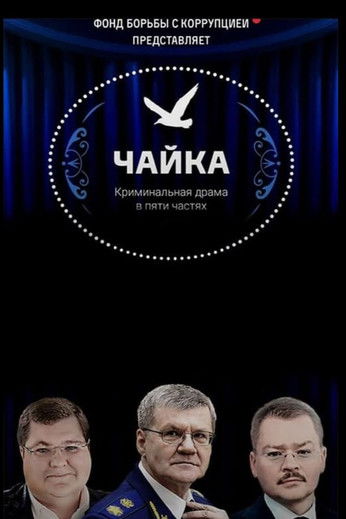
This documentary investigates the financial fraud of persons close to the Prosecutor General of the Russian Federation Yuri Chaika.
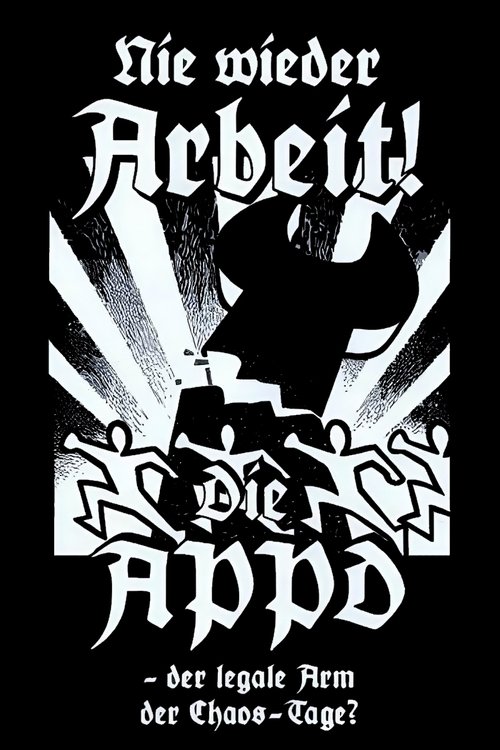
A "life without work" - this is the idea propagated by the "Anarchist Pogo Party of Germany" (APPD). In order to spread its unique political concept and to make the background to its activities appear transparent and credible to the voting public, the APPD commissioned a renowned film production company to create a loose mixture of subliminal propaganda and sympathetic trivialization. The film was also to focus on the glorification of the APPD politicians appearing in the election campaign in order to create the basis for a profitable cult of personality. A film that makes it crystal clear, compelling and, of course, intentional that the mob is on its way to power.
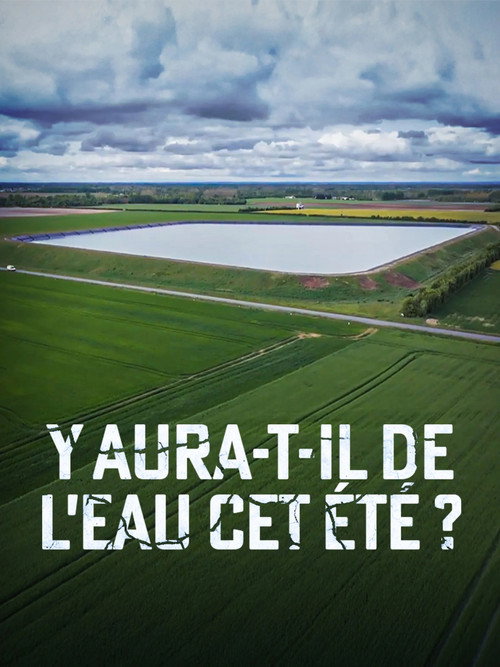
Through encounters with a hydrologist, a farmer, and citizens mobilized around the Marais Poitevin, the director helps us understand the effects—on biodiversity and the state of rivers—of substitution reservoirs, also known as megabassins. For several years, Anne-Morwenn, David, Patrick, Yann, and others have been fighting for fair water sharing and devising ways to convince as many people as possible that it is time to change the agricultural model.
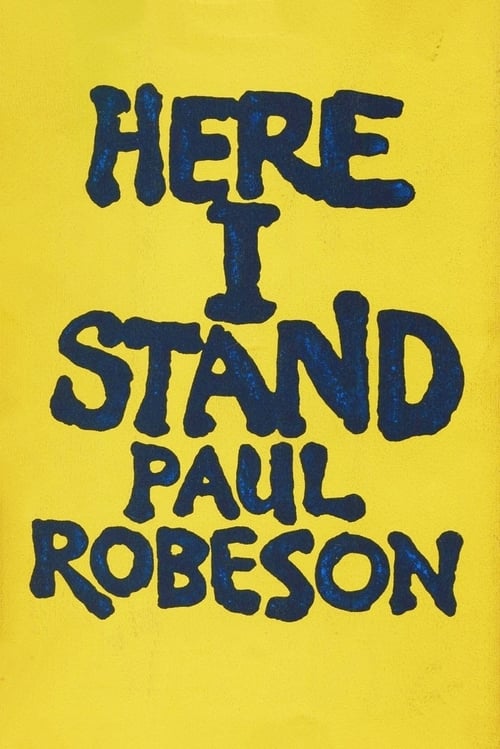
Paul Robeson: Here I Stand presents the life and achievements of an extraordinary man. Athlete, singer, and scholar, Robeson was also a charismatic champion of the rights of the poor working man, the disfranchised and people of color. He led a life in the vanguard of many movements, achieved international acclaim for his music and suffered tremendous personal sacrifice. His story is one of the great dramas of the 20th century, spanning an international canvas of social upheaval and ideological controversy.
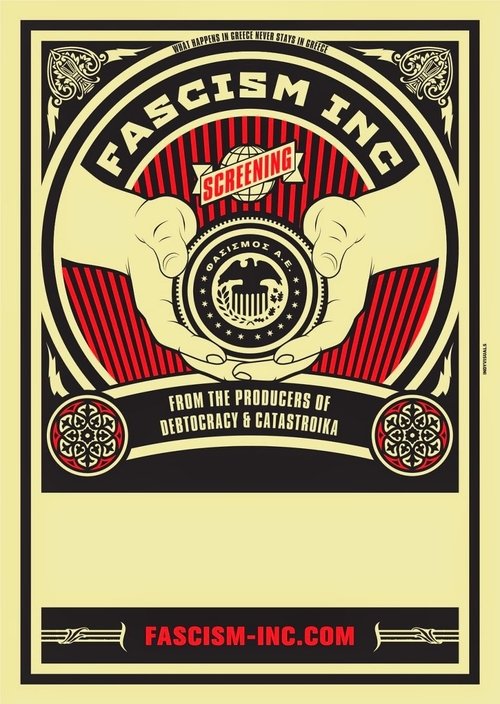
Unknown short stories from the past, the present and the future of fascism and its relation to the economic interests of each era. We will travel from Mussolini’s Italy to Greece under the Nazi occupation, the civil war and the dictatorship; and from Hitler’s Germany to the modern European and Greek fascism.
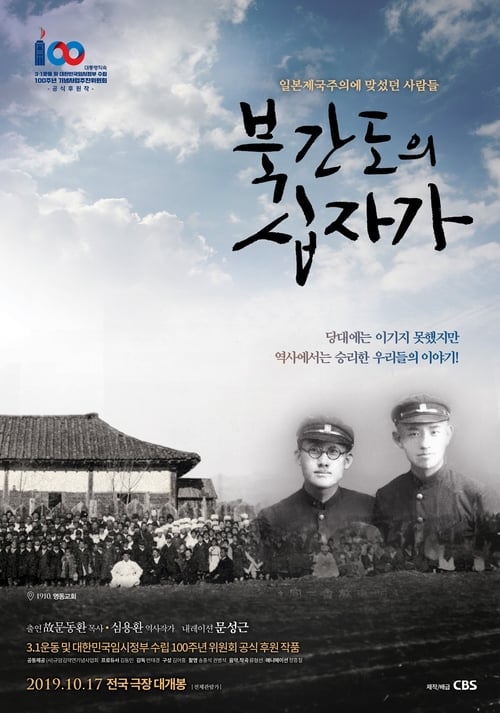
The Christians of North Gando lose their country and leave their hometown, but gain the Gospel. The cross they hold in their hands is the symbol of daring for independence and a royal summon of the generation they have to endure. Historian Sim Yo Han retraces the footsteps of the late Father Moon Dong Hwan and finds meanings of the anti-Japanese independence movement hidden in various parts of North Gando.
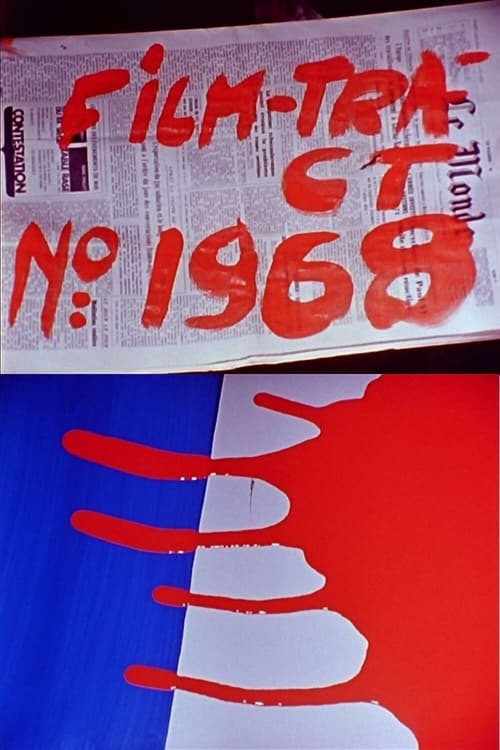
In the 1968 movement in Paris, Jean-Luc Godard made a 16mm, 3-minute long film, Film-tract No.1968, Le Rouge, in collaboration with French artist Gérard Fromanger. Starting with the shot identifying its title written in red paint on the Le Monde for 31 July 1968, the film shows the process of making Fromanger’s poster image, which is thick red paint flows over a tri-color French flag. —Hye Young Min
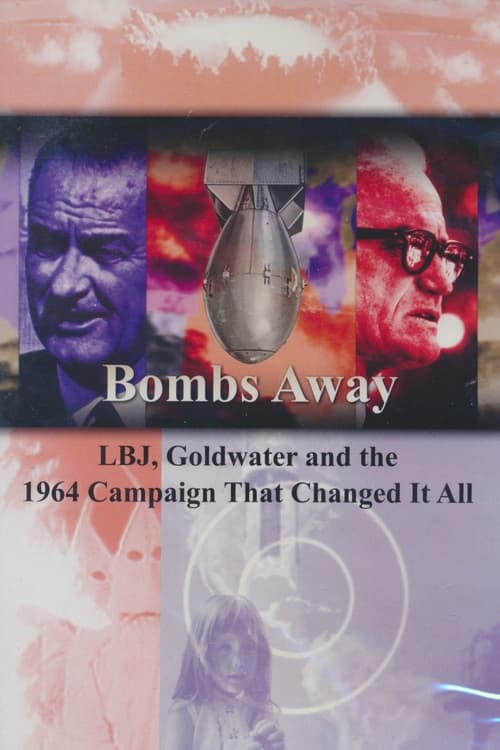
The political ad "Peace Little Girl" aired during the 1964 presidential campaign ushered in a new era of the television attack ad. The campaign also reshaped the American political landscape in other significant ways ultimately ending up with the establishment of the contemporary geopolitical map of red and blue states. Includes interviews with historians and participants in the campaign.