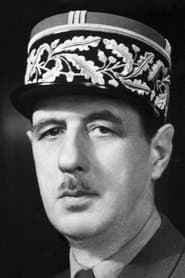
French Resistance's documentary during the liberation of Paris in August 1944.
Charles de Gaulle
as Self
Philippe Leclerc de Hauteclocque
Pierre Koenig
Brigitte Servan Schreiber
Pierre Blanchar
as (voice)
A documentary about the decisions parents made in evacuating their children out of harm's way (the Nazis), and being forced to stay behind, the parents realize that this may possibly be the last time they will see their loved ones.
In 2011, Maine State Prison launched a pioneering reform program to scale back its use of solitary confinement. Bafta and Emmy-winning film-maker Dan Edge and his co-director Lauren Mucciolo were given unprecedented access to the solitary unit - and filmed there for more than three years. The result is an extraordinary and harrowing portrait of life in solitary - and a unique document of a radical and risky experiment to reform a prison. The US is the world leader in solitary confinement. More than 80,000 American prisoners live in isolation, some have been there for years, even decades. Solitary is proven to cause mental illness, it is expensive, and it is condemned by many as torture. And yet for decades, it has been one of the central planks of the American criminal justice system.
Using never-before-seen footage, Japan's War In Colour tells a previously untold story. It recounts the history of the Second World War from a Japanese perspective, combining original colour film with letters and diaries written by Japanese people. It tells the story of a nation at war from the diverse perspectives of those who lived through it: the leaders and the ordinary people, the oppressors and the victims, the guilty and the innocent. Until recently, it was believed that no colour film of Japan existed prior to 1945. But specialist research has now unearthed a remarkable colour record from as early as the 1930s. For eight years the Japanese fought what they believed was a Holy War that became a fight to the death. Japan's War In Colour shows how militarism took hold of the Japanese people; describes why Japan felt compelled to attack the West; explains what drove the Japanese to resist the Allies for so long; and, finally, reveals how they dealt with the shame of defeat.
Documentary detailing the successful Operation Mincemeat in 1943, which led to the Allies successfully invading Sicily and the war turning in their favour.
In 2016, an album containing 250 previously unseen photos of Nazi officials was discovered in the USA by Stephan Hördler, a prominent Holocaust historian, who immediately understood the album's inestimable value. The album brings together photographs of a "group of friends," all from the same region of Germany, all of whom became SS men. From 1928 to 1943, the photo album allows us to follow their journey. Hördler conducted the investigation, comparing the photos in the album with other, better-known ones, the faces of these men with those of concentration camp officials, and ultimately revealed that it was at Lichtencburg that these young men were trained, a "school" for future camp executioners, and the bonds of camaraderie and informal network that would allow them to help each other, even after the war.
Between 1942 and 1944 some 24,916 Jews were deported from Belgium to Auschwitz. The roundups and deportations were organized and carried out by the Nazis with the - not always conscious - cooperation of Belgian authorities. The attitude of the authorities here varied from outright resistance to voluntary or unwitting collaboration.
A documentary that takes an in depth look at a government sanctioned art school in Cuba and its students. Interviews of various artists attending the school allow viewers a glimpse into their personal and professional lives.
Featuring excerpts from diaries and letters written by local residents and soldiers from both sides, the documentary tells the story of the Battle of Stalingrad through the voices of those who lived it.
Prelude to War was the first film of Frank Capra's Why We Fight propaganda film series, commissioned by the Pentagon and George C. Marshall. It was made to convince American troops of the necessity of combating the Axis Powers during World War II. This film examines the differences between democratic and fascist states.
A documentary propaganda film produced by the U.S. Army Signal Corps about the Aleutian Islands Campaign during World War II. The film opens with a map showing the strategic importance of the island, and the thrust of the 1942 Japanese offensive into Midway and Dutch Harbor. Nominated for the Academy Award for Best Documentary Feature.
Follows the plight of real-life dancers as they struggle through auditions for the Broadway revival of A Chorus Line and also investigates the history of the show and the creative minds behind the original and current incarnations.
A year in the life of troubled Australian graffiti artist Justin Hughes.
On June 14, 1977, the eve of the first democratic elections after Franco's regime, Llorenç Soler and his crew go out into the street and ask passers-by which party they are going to vote for.
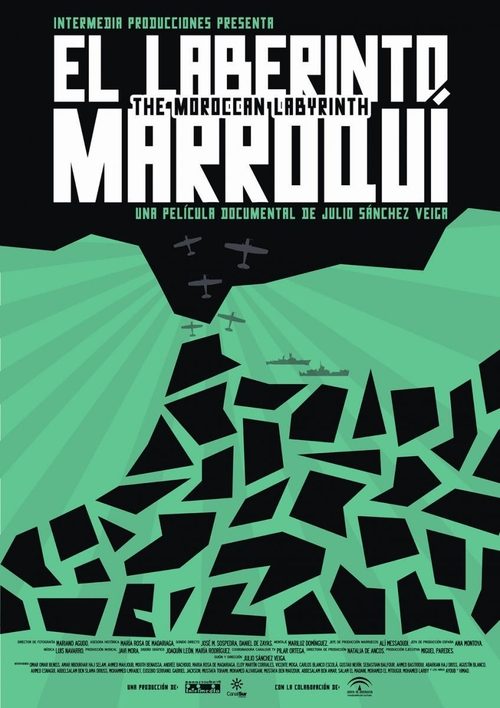
Manuel Horrillo has visited for 7 years the fields where the clashes between the Spanish troops and the rebels of the protectorate took place during the so-called Rif War, a forgotten war of the Spanish collective imaginary.
World War II was not just the most destructive conflict in humanity, it was also the greatest theft in history: lives, families, communities, property, culture and heritage were all stolen. The story of Nazi Germany's plundering of Europe's great works of art during World War II and Allied efforts to minimize the damage.
Though Henry Kissinger is often giving short statements to the media, he refuses detailed interviews about his own life. Now he has agreed to answer questions about his person in an extensive documentary.