With unique access to the Forbidden City, this documentary reveals the spectacular history of the world's largest palace, and the secrets of its astonishing design
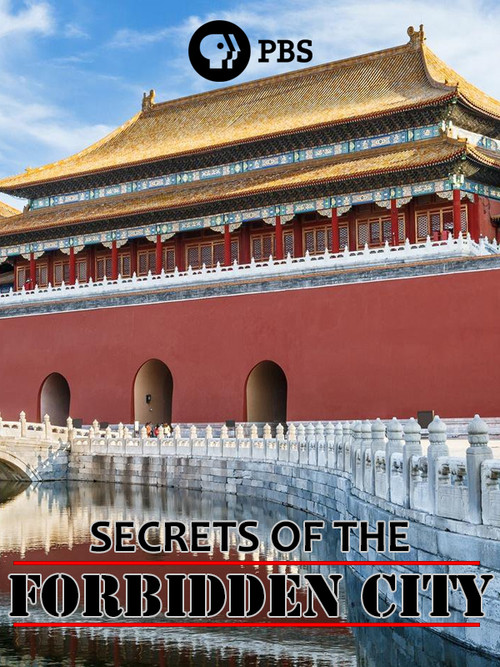
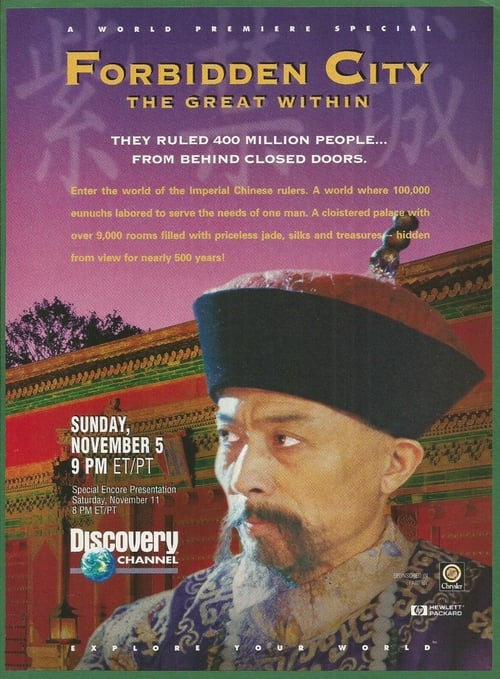
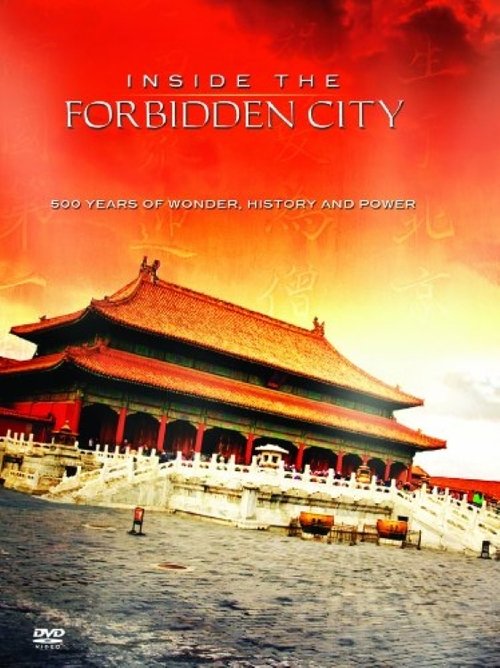
The Forbidden City is the world’s biggest and most extravagant palace complex ever built. For five centuries, it was the power center of imperial China and survived wars, revolution, fires, and earthquakes. How did the Ming Emperor’s workforce construct its sprawling array of nearly 1,000 buildings and dozens of temples in a little over a decade?
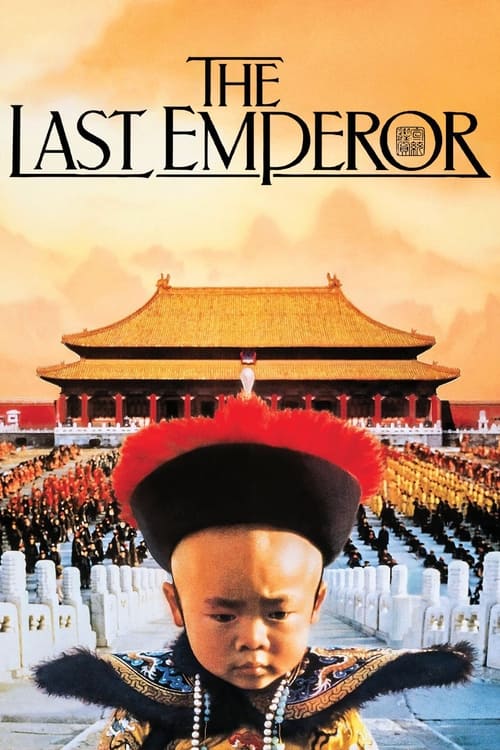
A dramatic history of Pu Yi, the last of the Emperors of China, from his lofty birth and brief reign in the Forbidden City, the object of worship by half a billion people; through his abdication, his decline and dissolute lifestyle; his exploitation by the invading Japanese, and finally to his obscure existence as just another peasant worker in the People's Republic.
Amidst the grand walls of the Forbidden City, the film takes us on a deep journey through the ceremonial life of the Chinese emperor, unveiling the secrets and intrigues of concubines, eunuchs, and palace maids. As the West begins to influence China in the late 19th century, the dynamics within the city shift dramatically. The film highlights the preservation and restoration of invaluable treasures and paintings, culminating in the creation of the Palace Museum. With insights from renowned China scholar, Jonathan Spence, this is an intimate exploration of the rich cultural and historical tapestry that makes up the heart of ancient China.
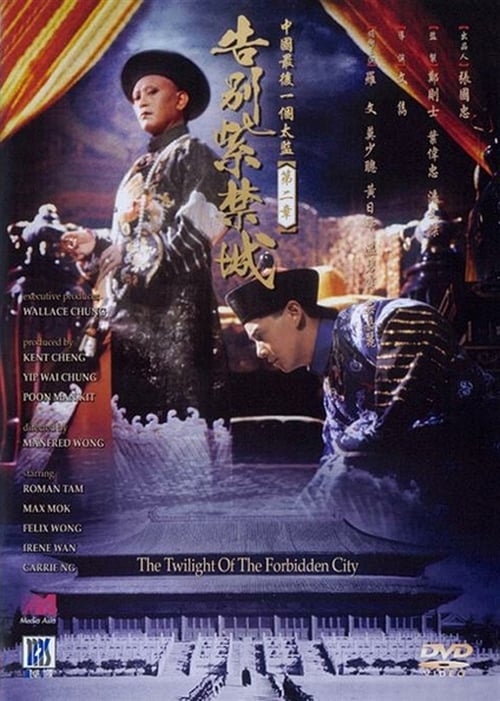
Hong Kong action star Max Mok stars in this period drama as Lau, a eunuch living at the end of the Ching Dynasty. Lau finds himself absorbed in the past along with another eunuch named Siu, and the two fall in love as they share their passion for Peking Opera. Unfortunately, they're unaware that their relationship serves as the catalyst for a series of events that end in disaster. Twilight indeed!
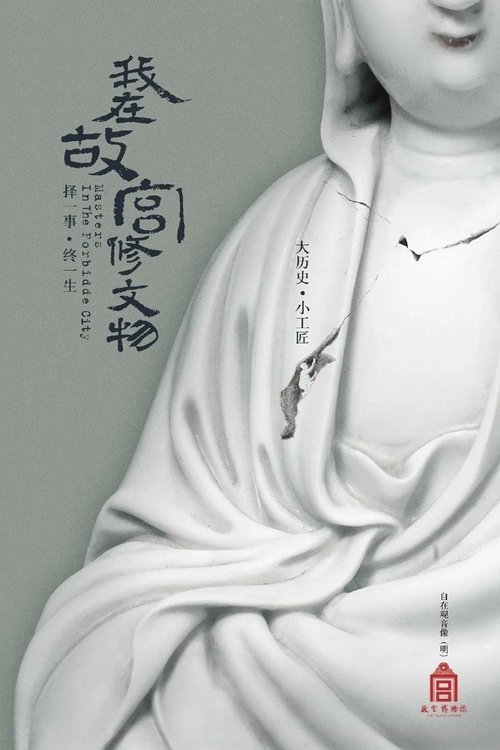
This documentary shines a light on the unsung life stories of restorers of cultural relics working inside the Forbidden City, together with the history of the antiques and the palace, the procedures of restoration and the development of cultural protection.
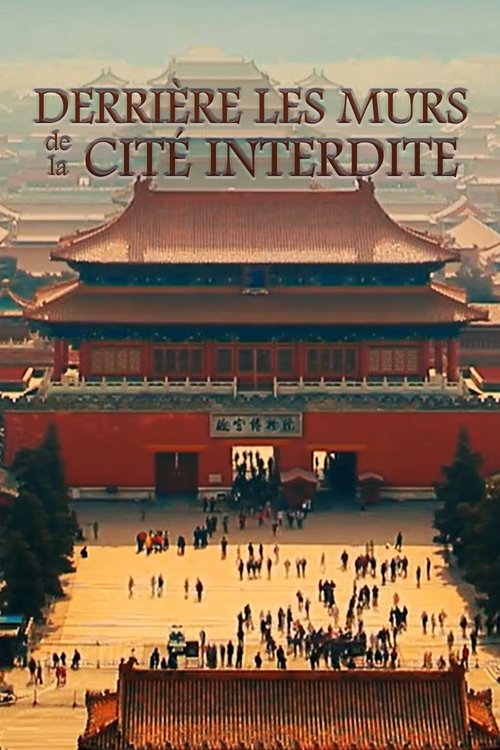
Secluded from view by nine-meter-high walls and composed of 980 buildings, the Forbidden City in Beijing is the largest imperial palace ever built in the world. Three majestic structures form its center and host the city's ceremonies, each of which is considered an architectural masterpiece. In 1406, construction of the Forbidden City was launched at the initiative of one of China's most powerful sovereigns and founder of the Ming dynasty: Yongle. Endowed with divine power, the construction has already resisted more than 200 earthquakes.
The film focused on a conflict between Empress Dowager Cixi, her son Guangxi (the nominal emperor) and his wife, Zhen Fei.
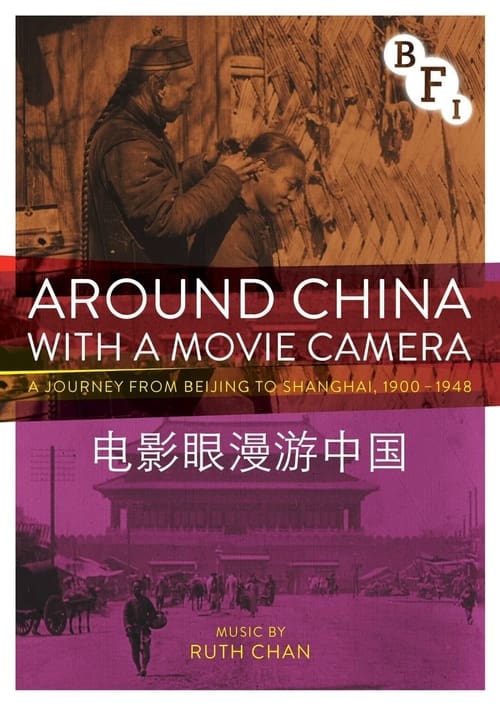
A new film compiled from the BFI National Archive's unparalleled holdings of early films of China, features films from 1900-48 filmed across China. The cinematic journey of Around China with a Movie Camera contains many films which may never have been seen in China, or at the very least not for over 70 years. These travelogues, newsreels and home movies were made by a diverse group of British and French filmmakers, some professionals, but mainly enthusiastic amateurs, including intrepid tourists, colonial-era expatriates and Christian missionaries.
Panoramic view of the Forbidden City (Imperial Palace), Peking, China.
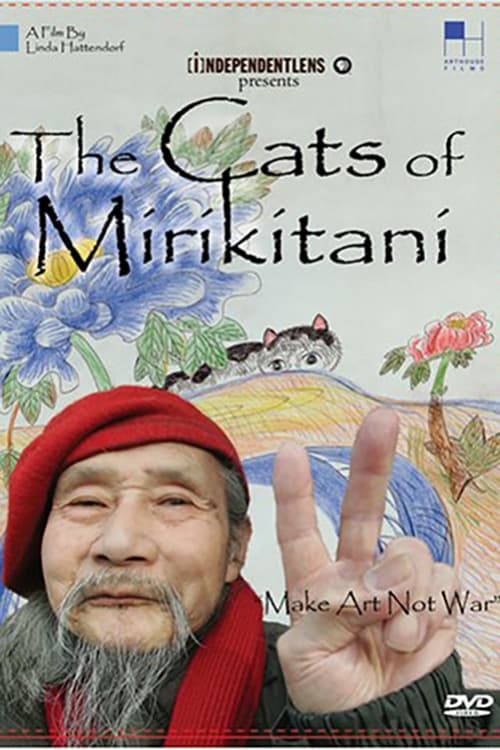
Documentary about red-bereted Jimmy Mirikitani, a feisty painter working and living on the street, near the World Trade Center, when 9/11 devastates the neighborhood. A nearby film editor, Linda Hattendorf, persuades elderly Jimmy to move in with her, while seeking a permanent home for him. The young woman delves into the California-born, Japan-raised artist's unique life which developed his resilient personality, and fuel his 2 main subjects, cats and internment camps. The editor films Jimmy's remarkable journey.
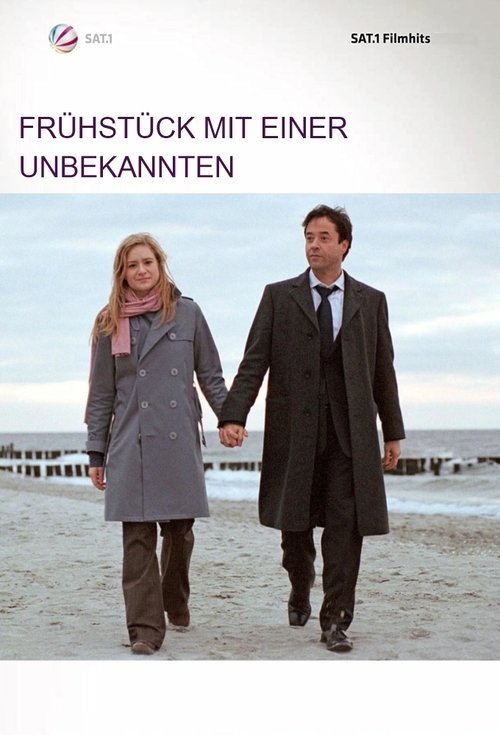
Laurens works for the German Minister of Finance and is an extremely correct and conscientious person. He knows his way around numbers, but less so with women. One day he meets Gina, a single young woman. She is sitting alone at one of the tables and Laurens forces himself to sit with her. Hesitantly, a first conversation develops between them. This is the beginning of a seemingly impossible love story that not only throws Laurens' life into turmoil. Laurens is secretary to the German finance minister. Over breakfast, he approaches the attractive Gina and invites her to accompany him to the G8 summit. There, Gina realizes that she doesn't fit into the world of politicians and business bosses. She is the only one to say what she thinks - and causes quite a stir. Laurens has to choose between his career and the love of his life.
In 1947, the borderlines between India and Pakistan are being drawn. A young girl bears witnesses to tragedy as her ayah is caught between the love of two men and the rising tide of political and religious violence.
History of Turkish Horror Cinema tries to take the first step in explaining how horror cinema started in Turkey, what prejudices it strives to break, and how film directors, producers and screenwriters see horror cinema.
Nenad Vižin's violent death was the catalyst for a unique phenomenon in the history of ex-Yugoslavia: 300 citizens of Rijeka signed a petition asking the police and the communist party to take responsibility. The petitioners were submitted to accusations and prosecutions. Although the events surrounding the death itself remain a mystery, it left its mark on a whole generation in Rijeka and is still a part of the social fabric of the city. This film depicts the mechanism of fear as an integral part of political systems and portrays the unique artistic rebellion that occurred in Rijeka in the 1980s as a reaction to fear and powerlessness.
The manager and employees of the long-standing rock nightclub Palach are followed in the last moments of the club's existence.