From 3 stars chefs to female cooks, sommelières, entrepreneuses all around the world, meet innovative women who want to change the world through gastronomy.
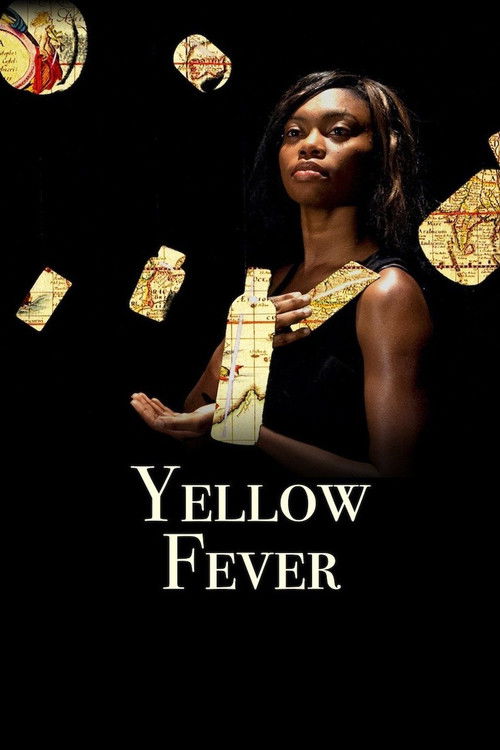
What does beauty look like? In this award-winning short, Kenyan filmmaker Ng’endo Mukii combines animation, performance, and experimental techniques to create a visually arresting and psychologically penetrating exploration of the insidious impact of Western beauty standards and media-created ideals on African women’s perceptions of themselves. From hair-straightening to skin-lightening, YELLOW FEVER unpacks the cultural and historical forces that have long made Black women uncomfortable, literally, in their own skin.
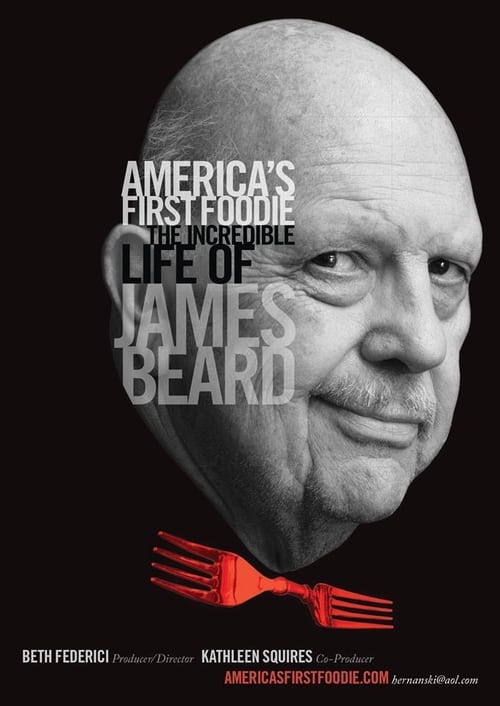
Food in the 21st century has become much more than “meat and potatoes” and canned soup casseroles.” Chefs have gained celebrity status; recipes and exotic ingredients, once impossible to find, are now just a mouse click away; and the country's major cities are better known for their gastronomy than their art galleries. This food movement can be traced back to one man: James Beard. His name graces the highest culinary honor in the American food world today—the James Beard Foundation Awards. And while chefs all around the country aspire to win a James Beard Award, often referred to as the “culinary Oscars,” many of those same chefs know very little about the man behind the medal. Respected restaurateur Drew Nieporent summed it up when he said, “Everybody knows the name James Beard. They may not know who he is, but they know the name.”
Documents a woman's actual pregnancy; the emotions, the affects on her husband and first-born child, the birth itself via Caesarean section, and her struggle to return to work and a social life, while still being a good mother.
A journey into the hearts, minds and eyes of Georgia O’Keeffe, Emily Carr and Frida Kahlo - three of the 20th century’s most remarkable artists.
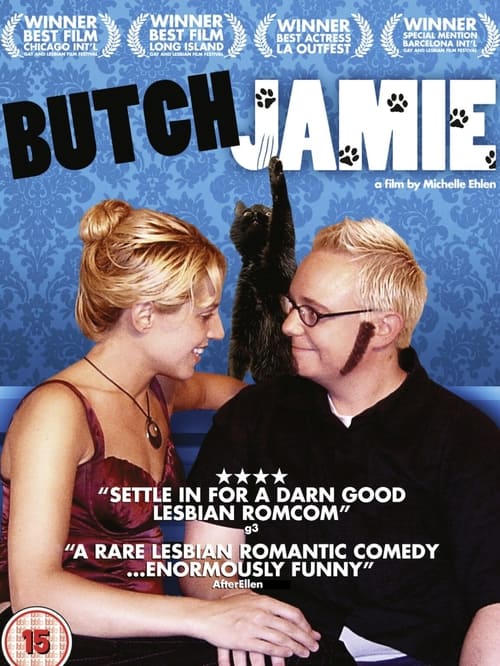
The film follows the story of Jamie, a struggling butch lesbian actress who gets cast as a man in a film. The main plot is a romantic comedy between Jamie's male alter-ego, "Male Jamie," and Jill, a heterosexual woman on set. The film's subplots include Jamie's bisexual roommate Lola and her cat actor Howard, Lola's abrasive butch German girlfriend Andi, and Jamie's gay Asian friend David.
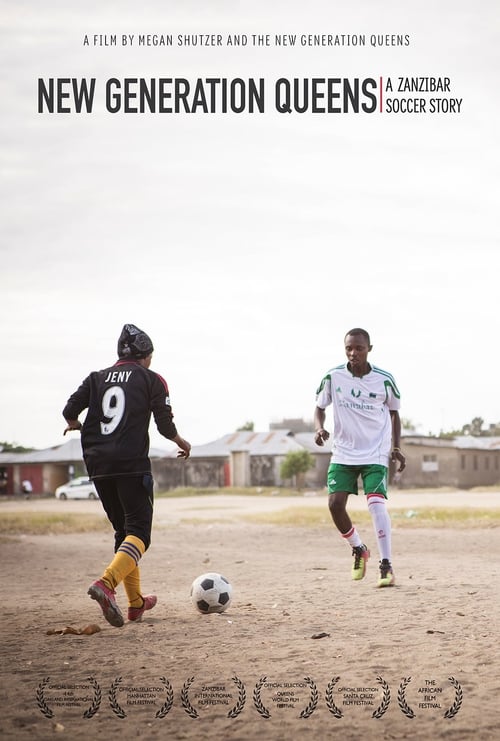
On an island where religion bars women from playing soccer, the Queens resist cultural norms and challenge local assumptions about Islam and gender identity. The film explores the history and character of the team, and the evolving perception of women in sports on the island.
Kids, not everyone wants them. Here's an in-depth look at Western women who've decided not to reproduce and the challenges that this decision still poses in 2015.
A quartet of refined elderly ladies gets together for coffee. Neatly dressed in houndstooth and pearls, they sip from elegant china and nibble on sweet cakes while discussing Viagra, cock rings, orgasms and quickies. Nothing's off the table as they reminisce about the past and revel in the sexual revolution that's come up around them, empowering their pleasure well into their twilight years.
After 20 years of living in Berlin, the director Olga Delane goes back to her roots in a small Siberian village, where she is confronted with traditional views of relationships, life and love. The man is the master in the home; the woman’s task is to beget children and take care of the household (and everything else, too). Siberian Love provides unrivaled insights into the (love) life of a Siberian village and seeks the truth around the universal value of traditional relationships.
Why are illegal abortions more accessible in Poland than legal ones in South Africa? This documentary feature explores and contrasts changes in Poland and South Africa regarding abortion laws and their impact on the lives of women. In the 90's, Poland banned abortion due to the increasing influence of the Catholic Church after the fall of communism; around the same time South Africa legalized it, reforming the health system after the fall of apartheid. The film reveals how the legal status of women is a direct result of the silencing or empowering of women's voices. In the Polish society and media, women's perspectives were made invisible; in South Africa, on the other hand, they were invited to give public hearings in the parliament about problems in the realm of reproduction.
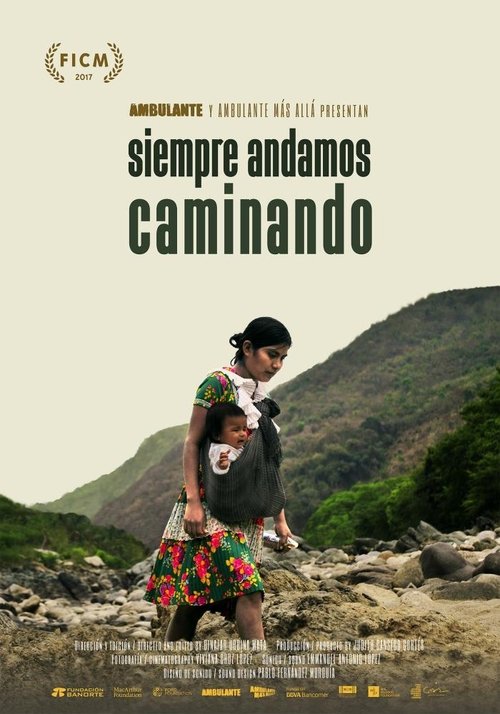
Alberta, Julia, and Catalina are three Chatino migrant women who have had to leave their communities to work on the Oaxacan coast. Catalina sells food, while Alberta and Julia work in lime and papaya orchards. The three women endure discrimination and the challenges of survival in an unknown place—all in order to improve their families’ quality of life.