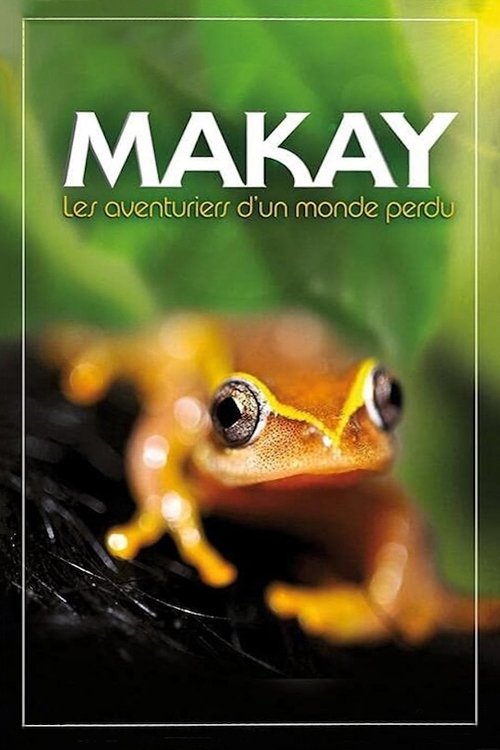
Come and join a group of French scientists on an unprecedented expedition to the most remote region of Madagascar. Discover the lost, breathtakingly beautiful region of Makay.
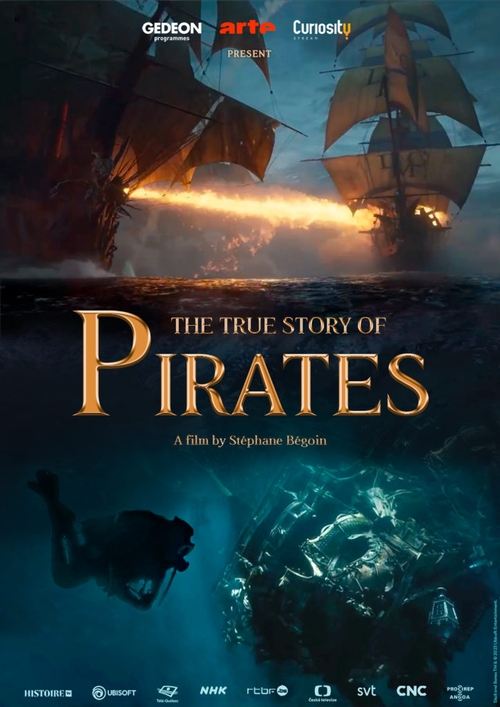
Thanks to new excavations in Mauritius and Madagascar, as well as archival and museum research in France, Spain, England and Canada, a group of international scholars paint a new portrait of the world of piracy in the Indian Ocean.
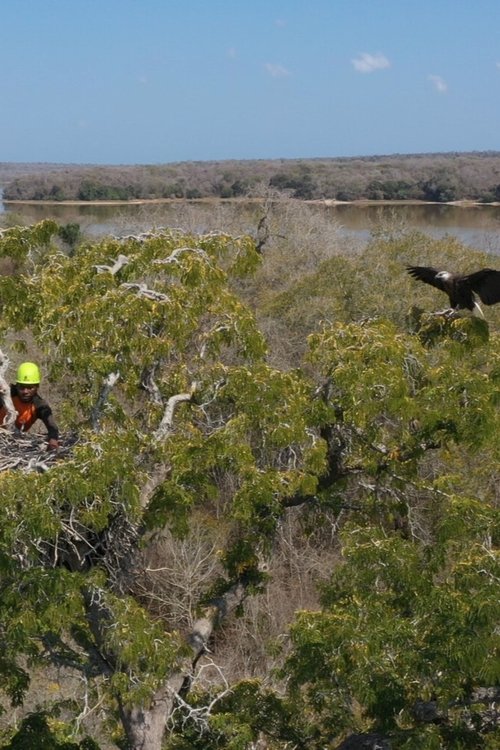
In the remote Manambolomaty lakes region, a globally unique ecosystem is home to both the Sakalava indigenous people and the endangered Madagascar Fish eagle. Through close collaboration with the local community, the region has become a stunning success for conservation - even as the rest of Madagascar's nature suffers heavy losses.
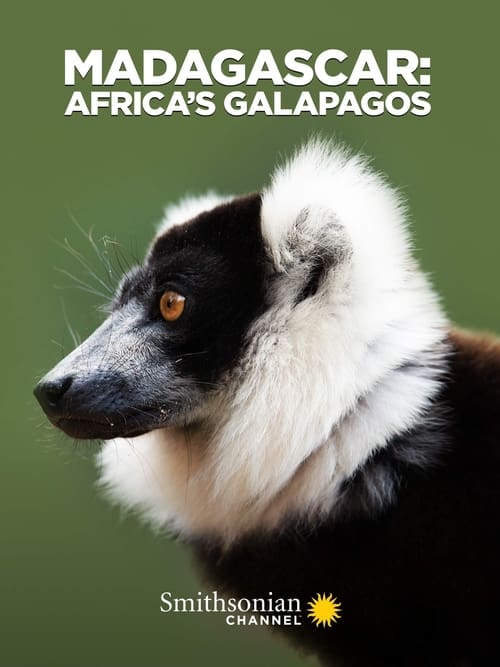
WILD MADAGASCAR spotlights the many strange and unique species of Madagascar and the impact that one species, the lemur, has had on the island's culture.
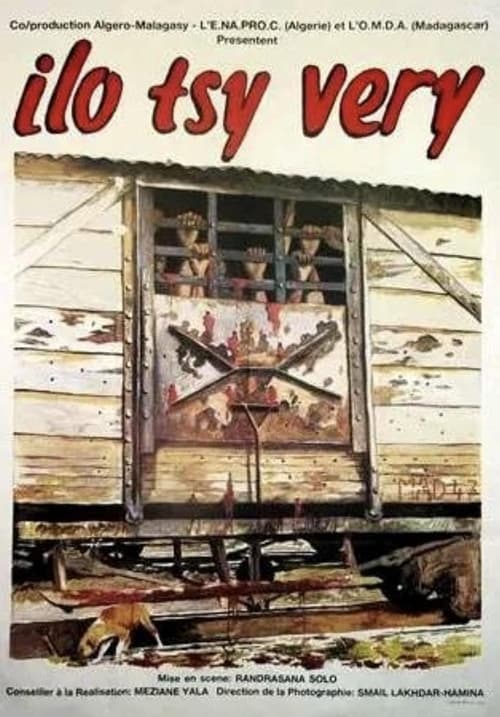
On March 29, 1947, peasants armed with sticks and knives attacked the French garrisons in Madagascar. The revolt would end twenty months later with the death of the last insurgents, shot down by the expeditionary force. France, accustomed to memory lapses, knew nothing of this insurrection and its trail of torture and abuses. In Madagascar, well after independence, the events of 1947 were never discussed. For more than a generation, parents refused to speak of them to their children. It wasn't until the 1980s that the silence was broken.
The film follows three climbers as they attempt to open a new climb, ground up, on a 700m Big Wall called Tsaranoro Atsimo in Madagascar. The walls of Tsaranoro are as wild and bold as the country, the rock beautifully carved as if by providential hand, and the story... that of a real adventure of friends taking the risks that come hand in hand with pushing boundaries.
A short documentary where we learn about the endangered lemurs, owls and otters from the Knockhatch Conservation staff.
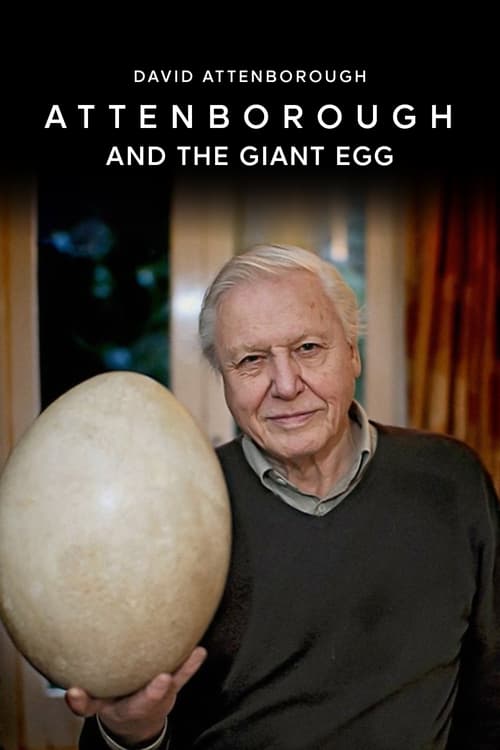
David Attenborough returns to the island of Madagascar on a very personal quest. In 1960 he visited the island to film one of his first ever wildlife series, Zoo Quest. Whilst he was there, he acquired a giant egg. It was the egg of an extinct bird known as the 'elephant bird' - the largest bird that ever lived. It has been one of his most treasured possessions ever since. Fifty years older, he now returns to the island to find out more about this amazing creature and to see how the island has changed. Could the elephant bird's fate provide lessons that may help protect Madagascar's remaining wildlife? Using Zoo Quest archive and specially shot location footage, this film follows David as he revisits scenes from his youth and meets people at the front line of wildlife protection. On his return, scientists at Oxford University are able to reveal for the first time how old David's egg actually is - and what that might tell us about the legendary elephant bird.
The story of Madagascar from 1895 to 1975: colonization, war, revolt, independence. Since the movie is a historical drama, the Malagasy government forced the director to modify the film so that it was in accordance with the Socialist Revolutionary ideas.
In 2007 the young explorer Evrard Wendenbaum cultivates the dream to lead an international team of researchers to the rocky trails of Makay, an almost unknown region Southeast of Madagascar. Canal + followed his project and decided to make a 90 minute 3D documentary. Pierre Stine directed the shooting with four stereographers from Binocle (Paris, France) in charge of 3D : 2 months of green hell with 90% humidity, temperatures above death valley level, torrential rain, snake bites, and other fun moments.
This is a film about the people living in the Alaotra region in Madagascar, and about the changes in their social and natural environments. This is also a film about the Bandro, the Alaotra gentle lemur (Hapalemur alaotrensis), that can survive only in the marshes surrounding the lake, and that is facing extinction due to these changes. This is also a film about research; on how to tackle complexity and grasp change. The AlaReLa (Alaotra Resilience Landscape) project aims to understand the various livelihood strategies of people like farmers or fishers, who use the lake, the marshes, and the land surrounding the lake to produce food and charcoal and other sources of energy. Follow us to some of Madagascar's hidden places - far away from the touristic centers - to find out what can happen when modern times seep slowly into traditional ways of living. What can be done to strike a balance between yesterday and tomorrow; between conservation and development?
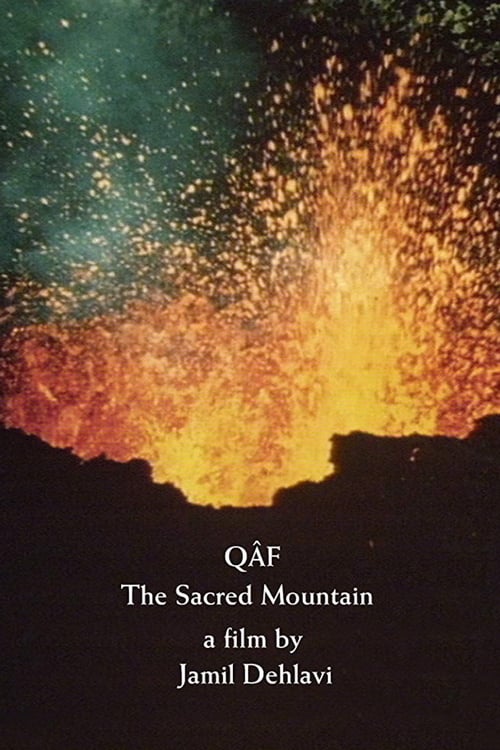
Footage of a volcano eruption in Madagascar set to music by Klaus Schulze, Popol Vuh and Tangerine Dream, and poems by Raficq Abdulla.
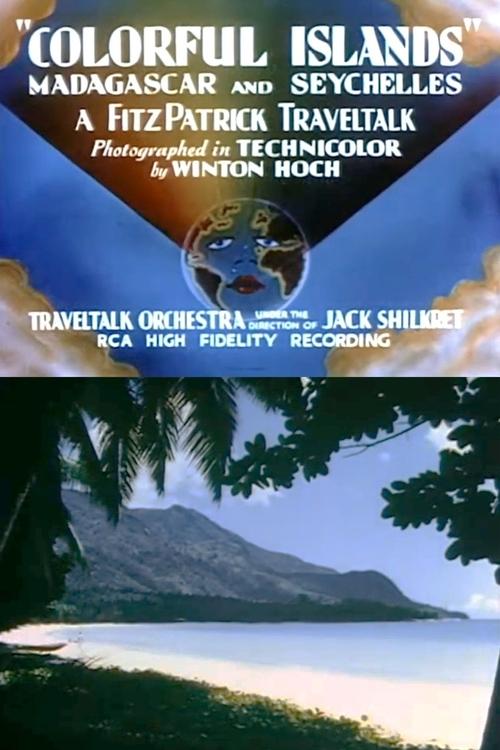
A Technicolor travelogue of the islands in the Indian Ocean east of Africa.
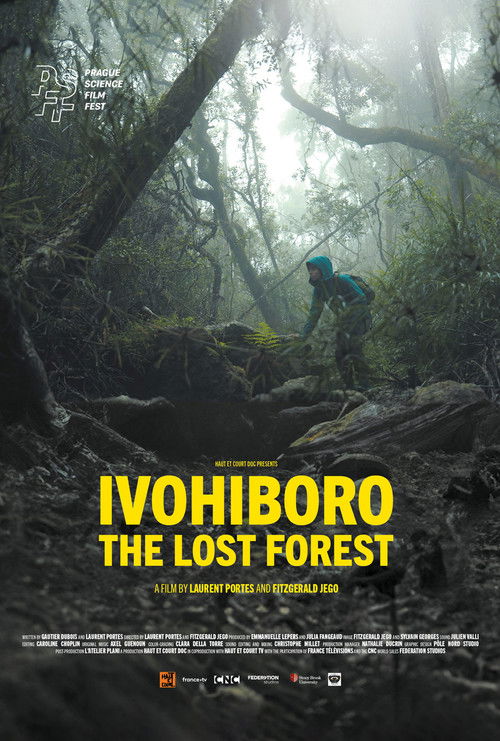
The film follows an expedition into Ivohiboro — a small, previously unexplored tropical forest in Southeast Madagascar rich with biodiversity.
Through my window-camera, during urban adventures, views of Algiers, where, as a child, after Algerian Independence, I learned about liberty, and which some decades later after immigrating against my will and deliberately becoming an exile, I chose as my city. I was then a "wife of the Republic of Madagascar," as the left-hand side page of my passport noted, while the right-hand side declared "of the ambassador extraordinary and plenipotentiary." Disembodied, words off-screen, intervening one over the other, simultaneous encounters of polyphonic voices glide.
This film reveals some of Madagascar's secretive and rarely filmed inhabitants, from the apex predator, the fossa, to the aye aye – possibly the weirdest creature on earth.