A documentary on the 1928 Olympic Games in Amsterdam. Made by Istituto Luce, there is an understandable focus on Italian athletes, but it is the first Olympic documentary that describes the techniques of certain events.
This colorful documentary chronicles the events of the 1968 Winter Olympics in France. The events made international celebrities of skater Peggy Fleming and skier Jean-Claude Killy for their gold-medal performances. The camera accurately catches the speed of bobsleds and downhill racers and ski jumpers as they race for the gold. President Charles DeGaulle is shown observing the action over 13 days, which saw France earn the best performance to date in the winter games.
A documentary portrait of a legendary Czech jockey, Josef Vána, reveals his inner world of thoughts. His unique way of life can't be described in words, and this is a first, really original view into his daily life around horses, terrifying accidents, and also stories about his family.
Explore the origins of skateboarding culture through the lens of the 1965 Palisades Skateboard Team, who reinvented a childhood hobby into a sport, bringing it to the vanguard of popular culture. Features interviews with the team members reflecting on how the sport has changed, 50 years later.
GOLD – YOU CAN DO MORE THAN YOU THINK is the emotional story about three outstanding top Athletes. Henry Wanyoike, a blind Marathon runner from Kenya, Kirsten Bruhn, paralyzed Swimmer from Germany and Kurt Fearnley, Australian Wheelchair racer.
In Asheville, NC, five individuals find their place in longboard world. This is an action documentary crafted with a broad audience in mind, appealing to more than just the downhill community.
This pioneering documentary film depicts the lives of the indigenous Inuit people of Canada's northern Quebec region. Although the production contains some fictional elements, it vividly shows how its resourceful subjects survive in such a harsh climate, revealing how they construct their igloo homes and find food by hunting and fishing. The film also captures the beautiful, if unforgiving, frozen landscape of the Great White North, far removed from conventional civilization.
Starting with a long and lyrical overture, evoking the origins of the Olympic Games in ancient Greece, Riefenstahl covers twenty-one athletic events in the first half of this two-part love letter to the human body and spirit, culminating with the marathon, where Jesse Owens became the first track and field athlete to win four gold medals in a single Olympics.
Part two of Leni Riefenstahl's monumental examination of the 1938 Olympic Games, the cameras leave the main stadium and venture into the many halls and fields deployed for such sports as fencing, polo, cycling, and the modern pentathlon, which was won by American Glenn Morris.
A day in the city of Berlin, which experienced an industrial boom in the 1920s, and still provides an insight into the living and working conditions at that time. Germany had just recovered a little from the worst consequences of the First World War, the great economic crisis was still a few years away and Hitler was not yet an issue at the time.
501 goals from 50 of Liverpool's greatest goalscorers. Red's striking legend John Aldridge is your host as he counts down the players and goals that have made Liverpool into the one of the most successful English football clubs.
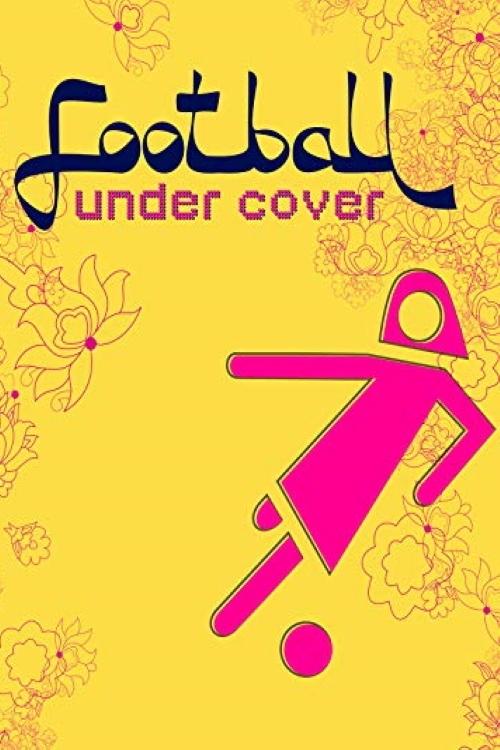
On an island where religion bars women from playing soccer, the Queens resist cultural norms and challenge local assumptions about Islam and gender identity. The film explores the history and character of the team, and the evolving perception of women in sports on the island.
Germantown and Martin Luther King High Schools were bitter rivals for over 40 years. This past year, a budget crisis caused Philadelphia to lay off over 4000 employees and close 37 schools, including Germantown High. Now Germantown must merge with their former rival, King. Against overwhelming odds, a 27-year old first time head coach and a new principal fight to inspire young men from difficult circumstances to come together and lift each other toward a better future.
Showcasing breathtaking footage of mountains and waves around the world, Shaka follows snowboarding world champion and renowned athlete Mathieu Crepel as he faces the biggest challenge of his life: to surf the legendary waves of Jaws Beach, Hawaii.
A documentary of the German national soccer team’s 2006 World Cup experience that changed the face of modern Germany.
Documentary film that tells the story of Toninho and Cristiano da Matta, father and son who dedicated their lives to one big passion: Motorsport. Going though thier battles, comebacks, tragedies and glories in one of the world's most competitive and dangerous sports.
Jyire holds a motocross race in his hometown, where he must adhere to the park’s restrictions and drown out the public’s concern.
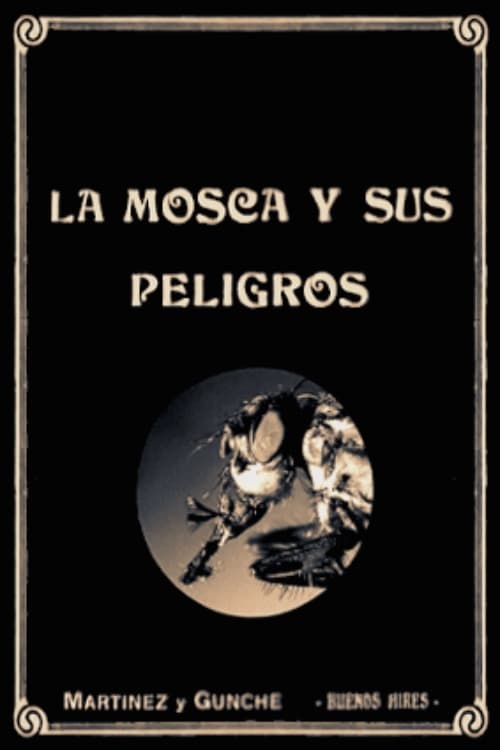
The Dangers of the Fly is an educational film made by Ernesto Gunche and Eduardo Martínez de la Pera, also responsible for Gaucho Nobility (1915), the biggest blockbuster of Argentinean silent cinema. De la Pera was a talented photographer, always willing to try new gadgets and techniques. This film experiments with microphotography in the style of Jean Comandon's films for Pathé and it is part of a series which included a film about mosquitoes and paludism and another one about cancer, which are considered lost. Flies were a popular subject of silent films and there are more than a dozen titles featuring them in the teens and early twenties.
Documentary examines the history and evolution of the Olympic Games, taking a close look at the Olympic charter, oath and ideals. Also featured are rare home movies and interviews with Olympic athletes and the oldest known color footage of the Olympic Games from Berlin in 1936.