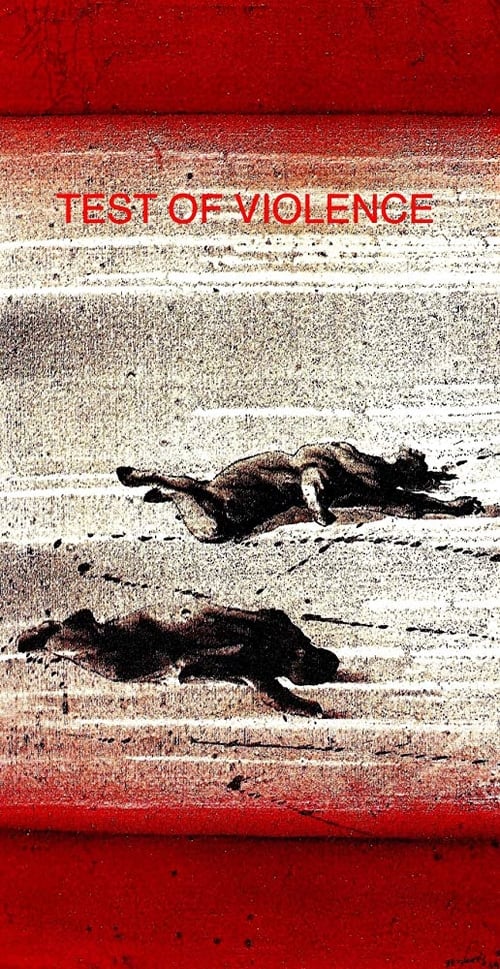
I set my sights on the human body and realized things, were moving at last, during my first material action, I soiled a female body with mud, paint, rubbish and paste, and tied it up in old rags and ropes dipped in mud. —Otto Mühl
Handling the materials and musing on how to treat or turn the wood, the metal, the paint, the wool, the words and the notes are what spark life in artists and those who experience what they express. They are the essential antidote to the Mr Gradgrinds of the world who insist we should “Never Wonder”. Film-maker Richard Watkins focuses on sculptor David Petersen, poet Harri Webb, the Welsh Brass Consort and Theatr Powys performing Emlyn Williams’ drama ‘Night Must Fall’.
Black Is the Color highlights key moments in the history of Black visual art, from Edmonds Lewis’s 1867 sculpture Forever Free, to the work of contemporary artists such as Whitfield Lovell, Kerry James Marshall, Ellen Gallagher, and Jean-Michel Basquiat. Art historians and gallery owners place the works in context, setting them against the larger social contexts of Jim Crow, WWI, the civil rights movement and the racism of the Reagan era, while contemporary artists discuss individual works by their forerunners and their ongoing influence.
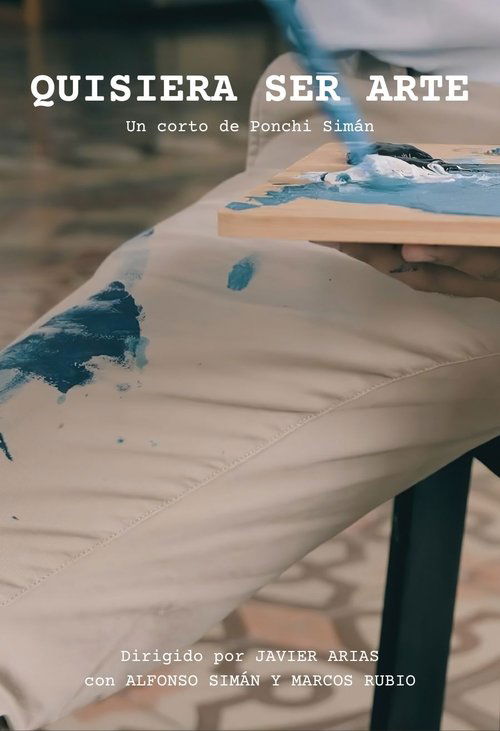
A monologue about the meaning of being art, delivered by the last character you’d expect: a pair of pants. A short film by Ponchi Simán.
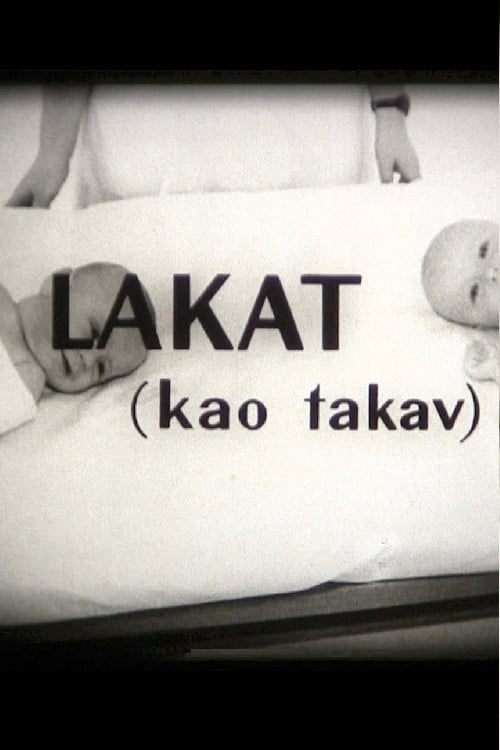
A tale of two brothers from babies to adulthood told without words. One brother is upstaged by the other from the crib onward. Eventually the tables are turned.
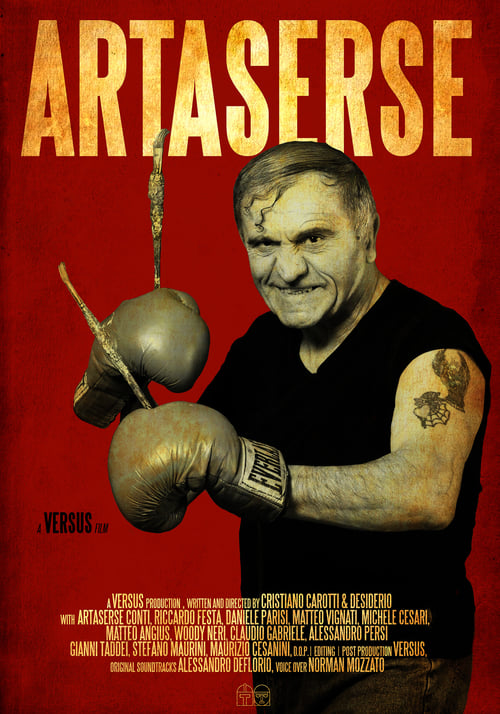
A one-of-a-kind cinematographic experiment. A grotesque fairy tale, staged in the real lives of the characters. A completely self-produced movie, designed and directed by two visual artists, with the purpose of telling the tale of Artaserse, a retired worker, boxer, trainer and life-long painter. Everything is staged in an industrial, now decadent Terni; like a steel bay without the sea, here it's difficult to dream about becoming an artist. This movie is like a suburban western movie; the boxer and the painting dancing the communal square dance together, in life and death, the meeting-match between Artaserse and an allegorical and remorseless art world, and more generically, the battle of all the colorful characters, appearing throughout.
Fifteen images of a camera running in a park and in obscurity searching the space of light through distorsion and the sensory of rapid motion.
Stuart Cooper's short about the work of Spanish artist Juan Genovés is an inspired introduction to the works of this extraordinary artist, exploring its minimalist aesthetic and storytelling qualities through a variety of cinematic techniques, including rostrum, animation, news footage and live action recreations.
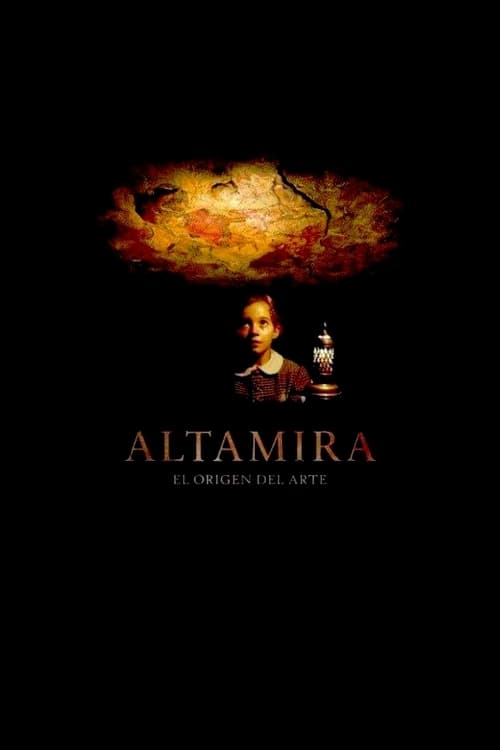
A documentary to 'rediscover' the so called Sistine Chapel of Rock Art and to tell the story of the discovery of a cave and some paintings that astonished the world 138 years ago. Filming this documentary lead its director, José Luis López Linares, through many rock caves around the world, grasping information about the life of the Magdalenian man -who lived twenty thousand years ago- and about an art form, the paintings, that make Altamira "the Prado museum of prehistory".
A day in the city of Berlin, which experienced an industrial boom in the 1920s, and still provides an insight into the living and working conditions at that time. Germany had just recovered a little from the worst consequences of the First World War, the great economic crisis was still a few years away and Hitler was not yet an issue at the time.
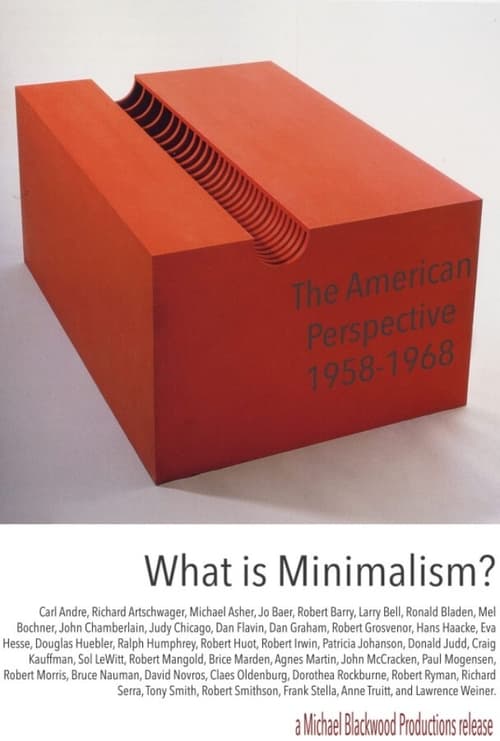
Featuring notable Minimalist artists such as Bride Marden, Claes Oldenburg, and Donald Judd, What is Minimalism: The American Perspective 1958-1968 explores the movement during an explorative exhibit at the Museum of Contemporary Arts in Los Angeles. Exhibition curator, Ann Goldstein, walks us through multiple rooms of the exhibit and offers her insight on Minimalism and its role in our society, stating that "It marked a fundamental, and critical and pivotal and irrevocable change in the course of art history," (Ann Goldstein). This film observes and analyzes the compelling creative choices behind some of the featured artists most applauded works of art.
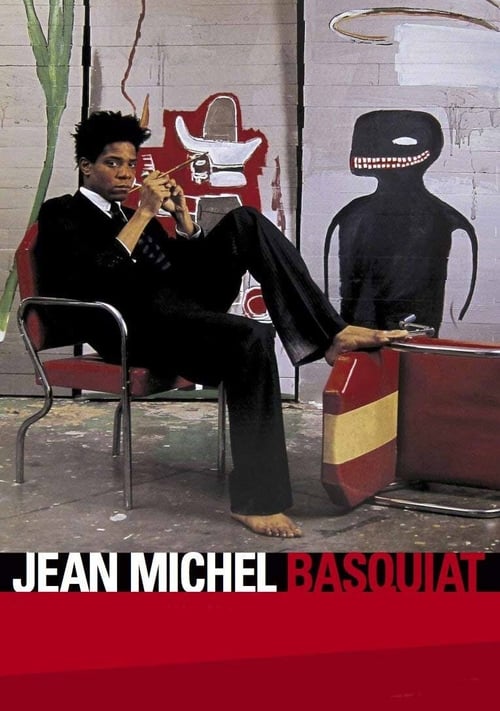
From Brooklyn to the Bronx, Soho to Greenwich, Union Square to Wall Street... Join us and the friends, collaborators and gallery owners who supported Jean-Michel Basquiat throughout his life. The first ever recognized graffiti artist, who saw international success as a neo-expressionist painter in the 80s, Basquiat is a true contemporary hero who died at the peak of his career.
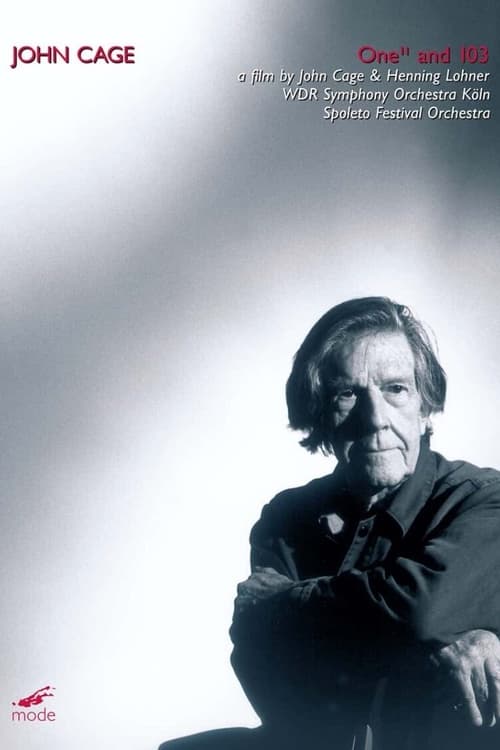
Avant-garde composer John Cage is famous for his experimental pieces and "chance music" but temporarily branched into video in 1992 with this art film about meaningless activity. The work is composed of two segments that are supposed to be played simultaneously: "One 11" contains the artistic statement, and "103" is a 17-part orchestral piece. Also included is a revealing documentary about Cage and director Henning Lohner.
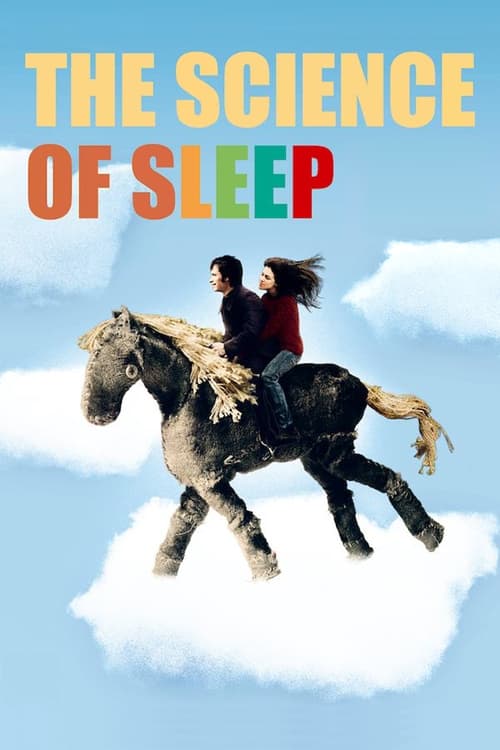
A man entranced by his dreams and imagination is lovestruck with a French woman and feels he can show her his world.
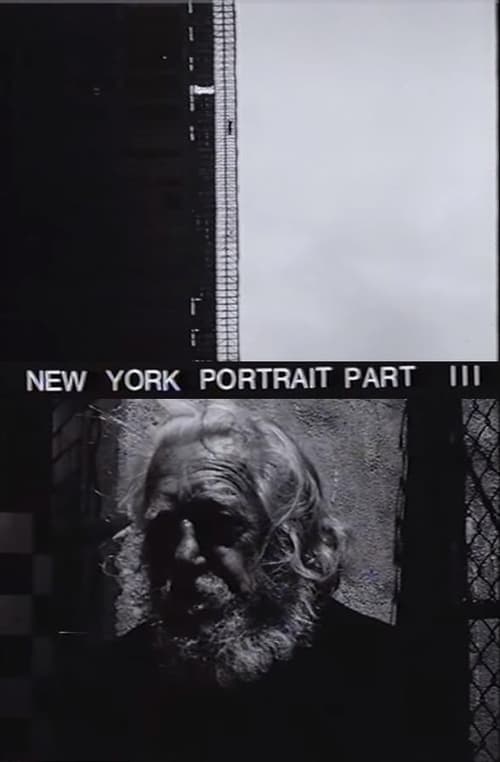
"[Hutton’s] latest urban film, New York Portrait, Chapter III, takes on a unique tone in relation to Hutton’s ongoing exploration of rural landscape. The very fact that Hutton is dealing with older footage, with archives of memory more than immediacy, gives it a different texture than his earlier New York films. Hutton always found the presence of nature in the city, not only in his many shots of sky and vegetation, but also in the geometry and texture of the city itself, which seemed to project an independence from the human." (Tom Gunning)
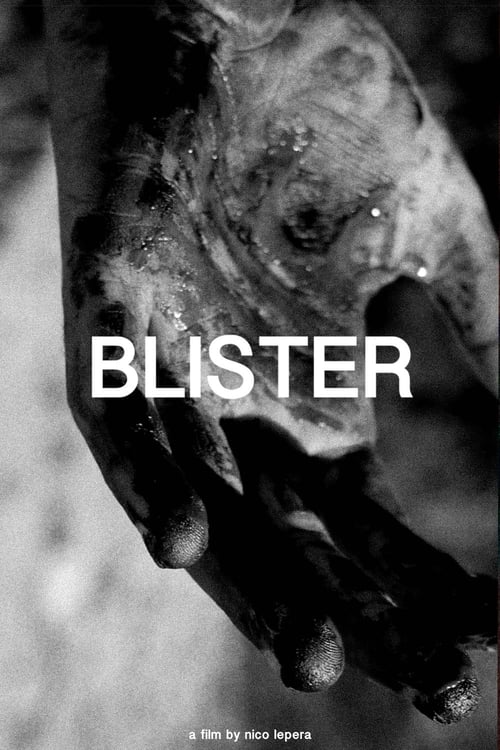
A kid's artistic expression turns to obsession as the paint blisters on a canvas.
Seemayer Studios presents a new documentary about the American Hotel in downtown Los Angeles and the Arts District that surrounds it. Since 1979, the American Hotel has been the beating heart of a rich community of artists who began moving into the deserted factory buildings between Alameda and the Los Angeles River.