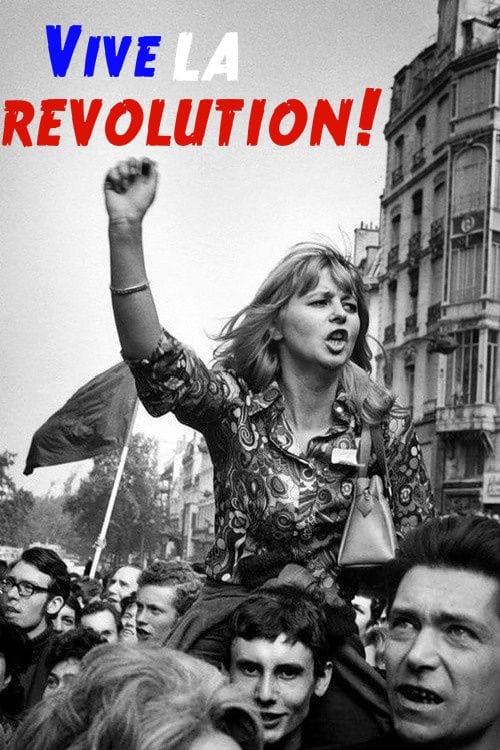
An analysis of the social upheaval of May 1968, made in the immediate wake of the workers’ and students’ protests. The picture consists of two parts, each with with identical image tracks, and differing narration.
The film is about a protest provoked when the university decided to restrict access to sports facilities to athletes, cutting out all other students. This is, strictly speaking, not a Prokino film. It was produced by the Waseda University Film Circle, which was organized by Kawazoe Shiro. Feature film directors Yamamoto Satsuo and Taniguchi Senkichi were apparently students at Waseda at the time and participated in the production.
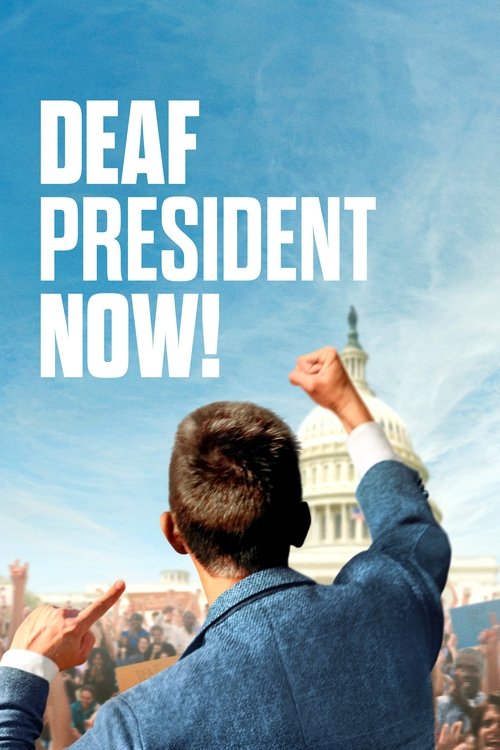
Discover the story of the greatest civil rights movement most people have never heard about. During eight tumultuous days in 1988 at the world's only Deaf university, four students must find a way to lead a revolution—and change the course of history.
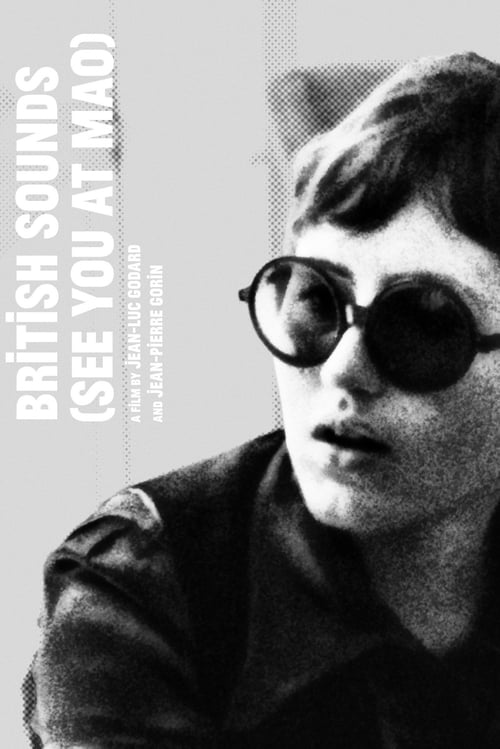
Jean-Luc Godard brings his firebrand political cinema to the UK, exploring the revolutionary signals in late '60s British society. Constructed as a montage of various disconnected political acts (in line with Godard's then appropriation of Soviet director Dziga Vertov's agitprop techniques), it combines a diverse range of footage, from students discussing The Beatles to the production line at the MG factory in Oxfordshire, burnished with onscreen political sloganeering.
L, a student in India witness to the government's violent response to university protests, writes letters to her estranged lover while he is away.
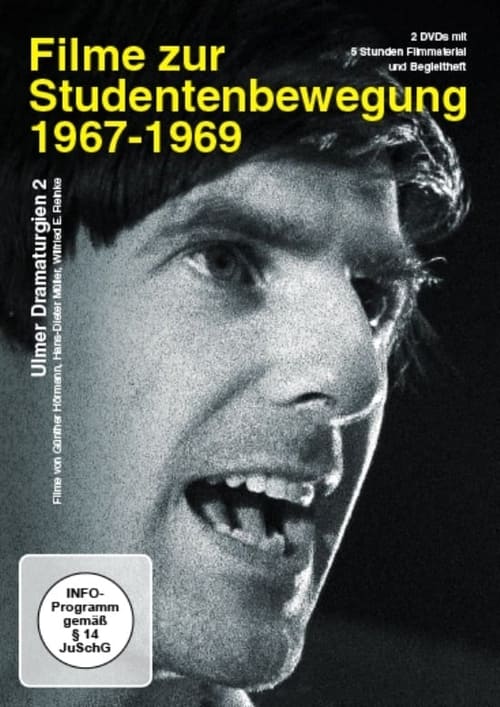
The film chronicles the beginning of the student protest following the death of student Benno Ohnesorg in Berlin in June of 1967.
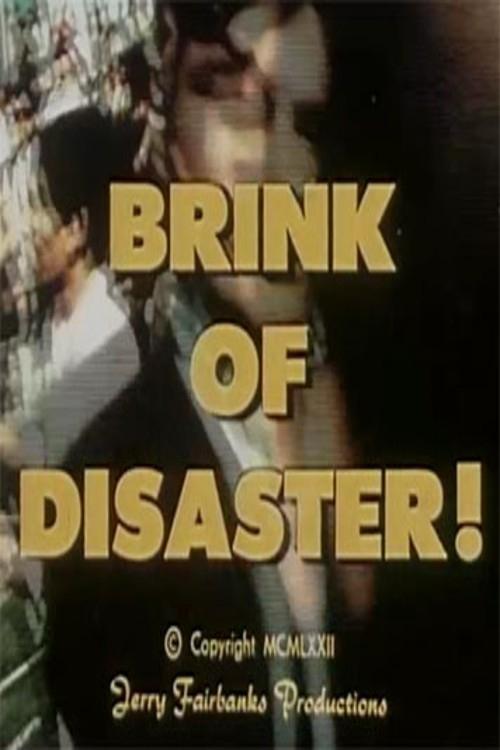
Contrasting radical mobs, anarchy, and 1960s counterculture with footage of American manufacturing and innovation, this film celebrates the concept of American exceptionalism and argues that anti-Vietnam War protesters were influenced by communism, atheism, and immorality. Set mostly in a university library, this political debate between a medical student, his 1770s ancestor, and a history professor is a sequel to the 1972 National Education Program film, Brink of Disaster! Two additional characters appear in this drama: a 19th-century steamboat captain, and the student’s grandfather - an early 20th-century automobile worker. The National Education Program at Harding College in Searcy, Arkansas created a variety of widely-distributed anti-communism films from the mid-1940s to the early 1970s.
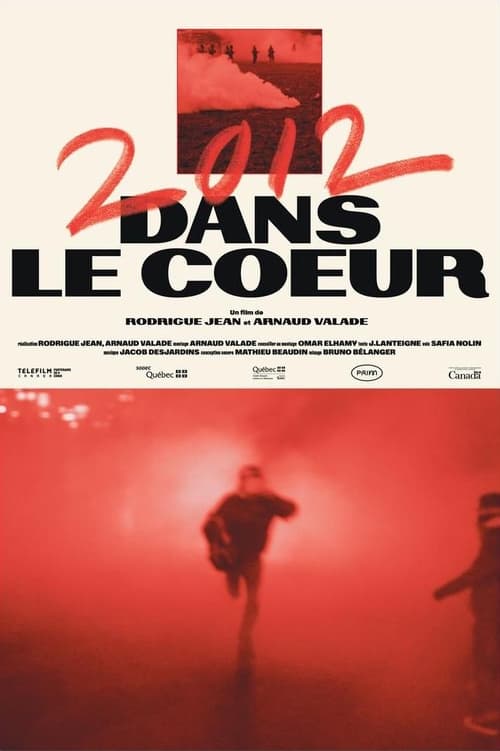
What remains of the 2012 Quebec student protests? Little has changed in the decade that ensued. Rodrigue Jean and Arnaud Valade exhume images of the battles, recorded live and relayed through the mass media, that flared up as anger and indignation went head-to-head with the rhetoric of power. Against these divisive images, the filmmakers overlay a historical perspective of the state and its police in Montreal, Quebec and Canada, delving into the roots of sanctioned violence. Their compelling glance at the past is, of course, a cry that continues to echo in the present day. While the voices have been silenced, revolt still brews. All it takes is a spark...
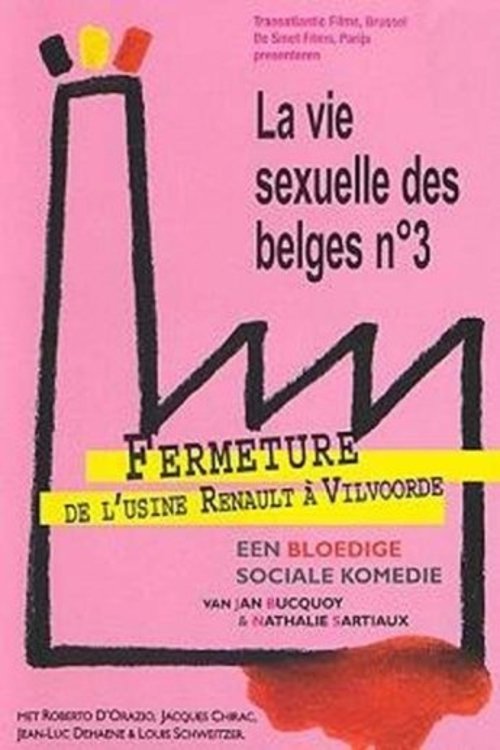
The Renault factory in Belgium must close down. Nobody can believe it. We follow the investigations by the director who is at the heart of the action and who interviews main politicians, the workers who violently protest and the direction. In the fiction part the president-director of Renault, Schweitzer is killed by one of the workers.
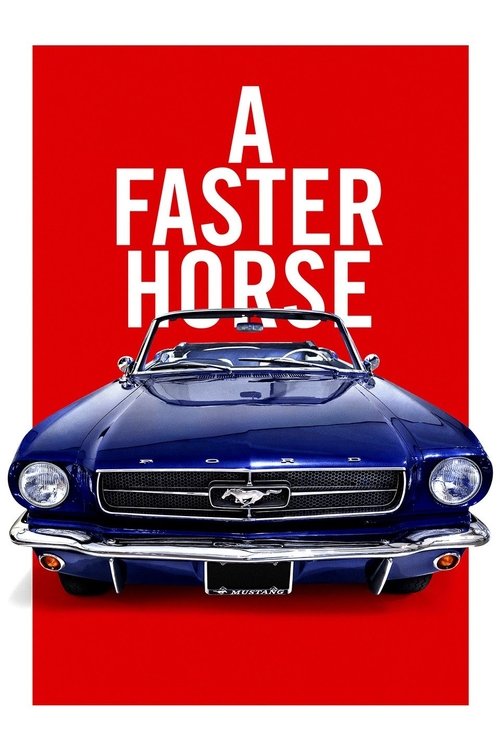
David Gelb (Jiro Dreams of Sushi) tackles another venerable, beloved, and long-standing institution: the Mustang, crown jewel of the Ford fleet. Only this institution is in turmoil. As the fiftieth anniversary of the Mustang approaches and the car industry struggles through the deepest trough of the financial crisis, Ford launches a redesign. Now the jobs of workers at Ford’s Flat Rock Assembly Plant, the expectations of the thousands of Mustang devotees, and the livelihood of the city of Detroit are all placed squarely on the shoulders of Dave Pericak. As chief program engineer, he will guide the 2015 Mustang from assembly floor to showroom—if only he can get that vibration out of the steering wheel.
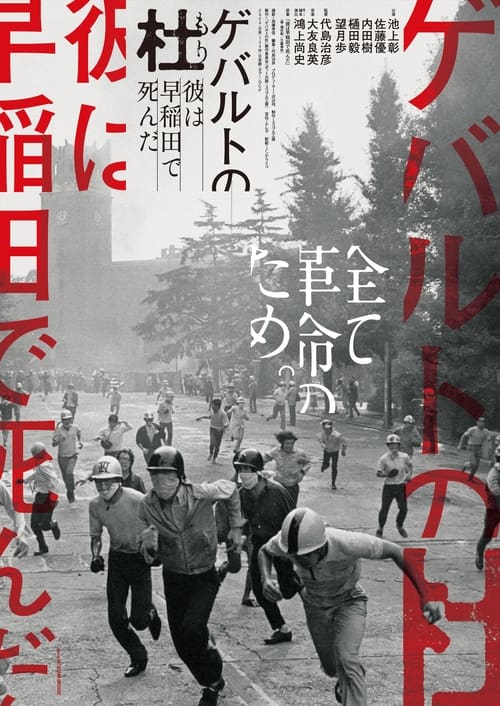
A documentary about the end of the student movement in 1972 and the lynching of Daizaburo Kawaguchi, a student at Waseda University. The documentary interweaves testimonies from japanese intellectuals and a short play, written and directed by Shôji Kôkami, about the murder.
This is the story of Kent State University students who stood up to question racism, violence against protesters, and the long American involvement in the Vietnam War. On May 4, 1970, the National Guard shot thirteen of them, killed four, and all were forever changed.
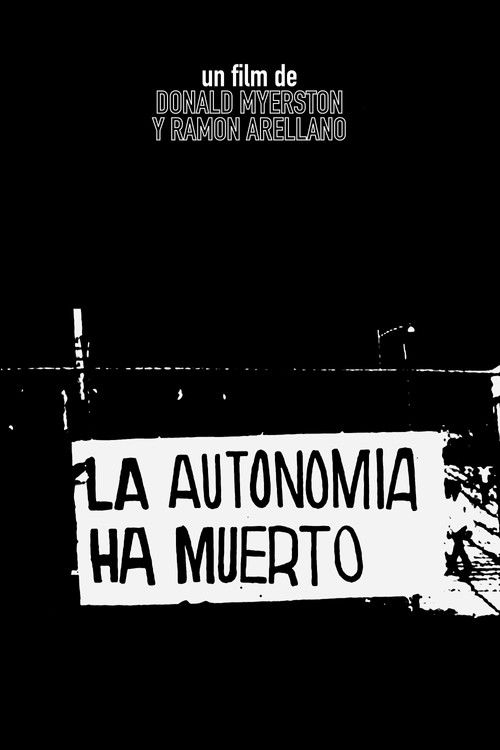
In 1969, the Renovación Universitaria movement and the subsequent raid on the Central University of Venezuela by the government of Rafael Caldera, triggered a strong wave of protest in the Institutes of Higher Education in Venezuela. This documentary collects part of the events that took place in the city of Mérida, Mérida State, where the University of the Andes is located.
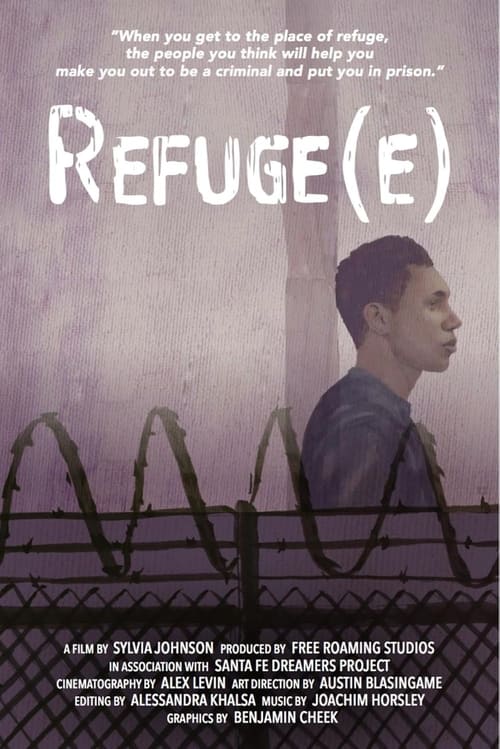
Refuge(e) traces the incredible journey of two refugees, Alpha and Zeferino. Each fled violent threats to their lives in their home countries and presented themselves at the US border asking for political asylum, only to be incarcerated in a for-profit prison for months on end without having committed any crime. Thousands more like them can't tell their stories.
Since its adoption in June 1955 by the Congress movement, the Freedom Charter has been the key political document that acted as a beacon and source of inspiration in the liberation struggle against Apartheid. It was reputedly the main source that informed democratic South Africa’s liberal constitution and a constant reference point for the ruling African National Congress (ANC) and rival political parties that it spawned since 1994, all claiming the Freedom Charter’s legacy. Freedom Isn’t Free assesses the history and role of the charter, especially in relation to key political and socio-economic aspects of developments in South Africa up to the present period. It includes rare archival footage with interviews of a cross-section of outspoken influential South Africans.
In the summer of revolt 1968, student Leobardo López Aretche captured the protests in Mexico City, and the state’s brutal response, up close – and like many of his subjects and fellow comrades, would pay a high price for his audacity. Fifty years later, his movie is no longer a secret.
A mix of Rock and Roll and Blues are the secret for successful rebellion. When I took my camera to the middle of France where the GM&S factory was threatened by a permanent shut down, I felt like something extraordinary was about to take place. And it did. The lyrics were written by workers who have had enough! The tune was composed by people not afraid to go against even the rules of revolt! The volume was loud enough to attract the media. Their working-class concert spread across France like wild fire. I sat out of sight, camera in hand, filming like catching fish in a barrel.
After the failed Umbrella Revolution in 2014, lives go back to normal, but the scenes of the great protest are like yesterday for Billy and Popsy, students in the University of Hong Kong who took part in the movement. One of them now becomes a student leader, while the other chooses a low-profile life as a private tutor. Amid the rapid social changes, when the Communist Beijing government is extending their influence to Hong Kong to take away the freedom and democracy, how would the youths see their future? Do they still see hopes, when both peaceful protests and radical actions seem to be futile?
When the Chinese Communist Party backtracks on its promise of autonomy to Hong Kong, teenager Joshua Wong decides to save his city. Rallying thousands of kids to skip school and occupy the streets, Joshua becomes an unlikely leader in Hong Kong and one of China’s most notorious dissidents.