sissou
The debate between pro and anti-GMO makes the debate passionate and sometimes incomprehensible. This fascinating global overview unravels the true and the false, scientific evidence to support it....
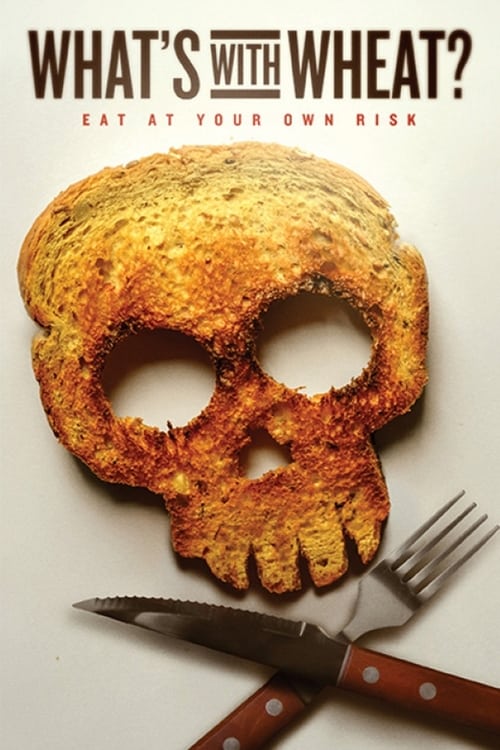
Why are so many people wheat-intolerant or sensitive to wheat? And why is wheat linked to so many modern-day health problems, when it has been a staple of the human diet for thousands of years? In this documentary, a nutritionist interviews 14 experts, to understand how wheat has changed since it was first cultivated, how these changes could be affecting human health, and how people can break a dietary cycle that could be making them sick.
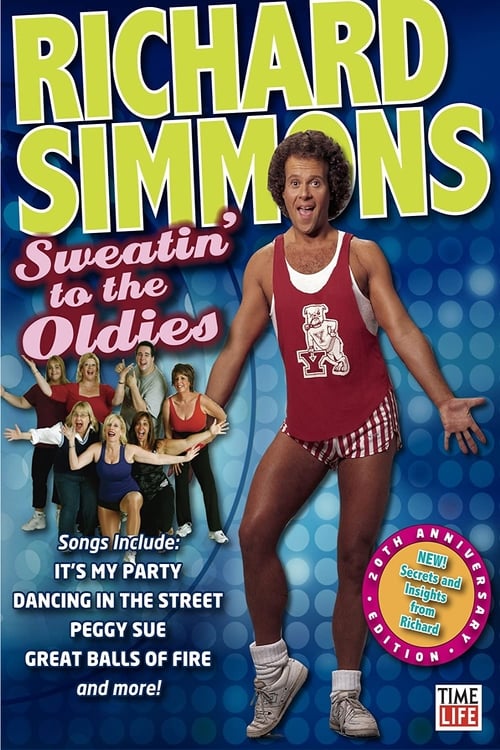
Fitness expert Richard Simmons gets some of his friends together and invites you to the High School Prom. But there's no need to rent a gown or a tuxedo, just come as you are. This is an aerobic exercise party where, instead of boring elevator music, you get to work out to ten of the biggest hit songs from the 1950's & '60's performed by a live band! "Dancing in the Streets," "Beyond the Sea," "On Broadway," "It's My Party," "Peggy Sue," "Great Balls of Fire," "Wipeout," "He's a Rebel," "Personality" and "Ain't No Mountain High Enough." If you need to get or stay fit, but want to have fun while doing it, let Richard and his friends show you the way!
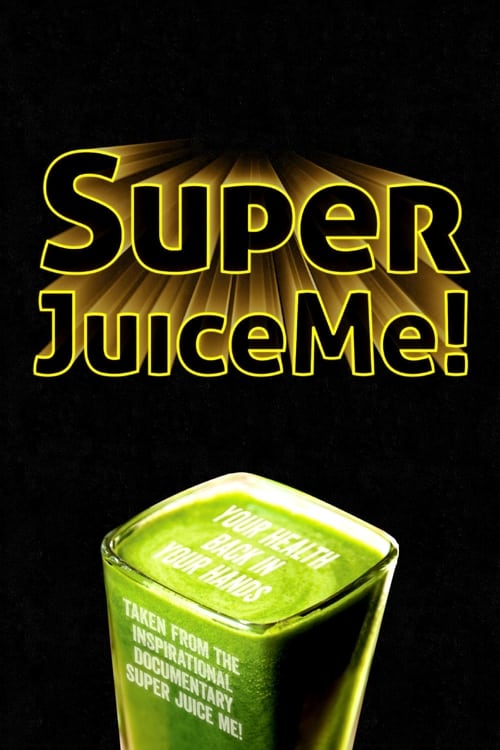
The world is facing a “pandemic” of chronic disease – heart disease, diabetes, cancer, obesity, asthma, kidney and liver disease, Alzheimer’s, autoimmune diseases, allergies and skin conditions and many, many more. This year more than 36 million people will die from degenerative conditions – more than from all other causes put together*, and that number is expected to rise to over 50 million within 15 years. At the same time, the amount spent trying to treat these diseases with pharmaceutical drugs is expected to rise by 50% to more than $1.2 trillion! One summer Jason Vale took eight people who collectively suffered from 22 different chronic diseases and put them on his ‘Juice Only’ diet for 28 days. Could these different diseases with their many different prescribed drugs be improved and even cured by one thing? Maybe it’s time to get Super Juiced!
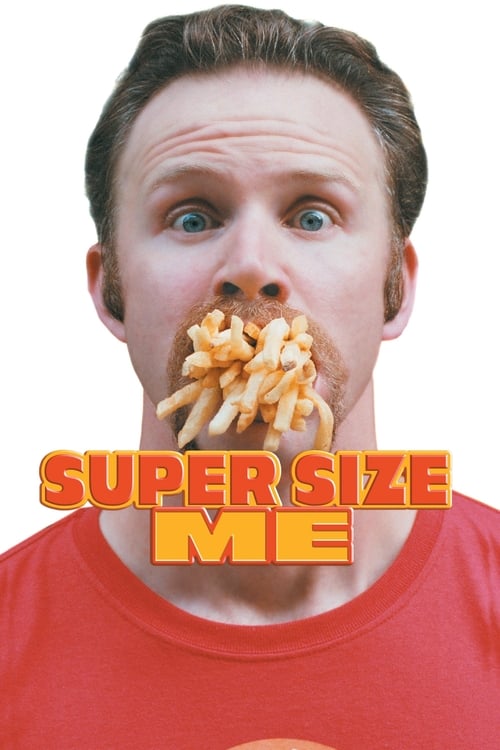
Morgan Spurlock subjects himself to a diet based only on McDonald's fast food three times a day for thirty days without exercising to try to prove why so many Americans are fat or obese. He submits himself to a complete check-up by three doctors, comparing his weight along the way, resulting in a scary conclusion.
Director Dominique Leclerc spent years depending on medical devices for her survival. Then, looking for alternative solutions, she entered the world of emerging technologies. Posthumans follows her as she meets with cyborgs, biohackers, and transhumanists who are trying to use these technologies to outsmart illness, aging—and even death. The documentary looks at pressing ethical and political questions that are sure to impact the future of our species.
The majority of premature deaths can be prevented through simple changes in diet and lifestyle. In How Not to Die, Dr. Michael Greger examines the fifteen top causes of death in America-heart disease, various cancers, diabetes, high blood pressure, and more. He explains how nutrition and lifestyle can sometimes trump prescription pills and other approaches, freeing us to live healthier lives.
Through an intimate conversation, Steph Jane, age 28, shares the struggles and lessons her second diagnosis of stage-4 cancer has taught her. From being genuinely present and savouring simple moments to thoughts of the future and what really matters, Steph reveals beauty and wisdom which transcend appearance and years.
Follow an international fitness expert's inspiring journey from cancer to recovery proving her philosophy that physical exercise makes you stronger to face all of life's adversities.
The Connection is a film about how frontier research is proving that there is a direct connection between your mind and your health.
Monsanto is the world leader in genetically modified organisms (GMOs), as well as one of the most controversial corporations in industrial history. This century-old empire has created some of the most toxic products ever sold, including polychlorinated biphenyls (PCBs) and the herbicide Agent Orange. Based on a painstaking investigation, The World According to Monsanto puts together the pieces of the company’s history, calling on hitherto unpublished documents and numerous first-hand accounts.
For the past 20 years, the world has seen an alarming decrease in IQ and a rise of autism and behavioral disorders. This international scientific investigation reveals how chemicals in objects surrounding us affect our brain, and especially those of fetuses.
With the world increase in spillover diseases from animals Scientists trace outbreaks such as the Zika and Ebola viruses which have the potential to infect humans.
With nutritionally-depleted foods, chemical additives and our tendency to rely upon pharmaceutical drugs to treat what's wrong with our malnourished bodies, it's no wonder that modern society is getting sicker. Food Matters sets about uncovering the trillion dollar worldwide sickness industry and gives people some scientifically verifiable solutions for curing disease naturally.
Before compiling your next grocery list, you might want to watch filmmaker Deborah Koons Garcia's eye-opening documentary, which sheds light on a shadowy relationship between agriculture, big business and government. By examining the effects of biotechnology on the nation's smallest farmers, the film reveals the unappetizing truth about genetically modified foods: You could unknowingly be serving them for dinner.
Poverty, Inc. explores the hidden side of doing good. From disaster relief to TOMs Shoes, from adoptions to agricultural subsidies, Poverty, Inc. follows the butterfly effect of our most well-intentioned efforts and pulls back the curtain on the poverty industrial complex - the multi-billion dollar market of NGOs, multilateral agencies, and for-profit aid contractors. Are we catalyzing development or are we propagating a system in which the poor stay poor while the rich get hipper?
Increase of chronic diseases, loss of biodiversity, extinction of bees... for a few years, the consequences of pesticides mass use are compelling public opinion. How to explain their effects on human health and biodiversity, whereas EU regulations forbid the spread of every harmful product ?