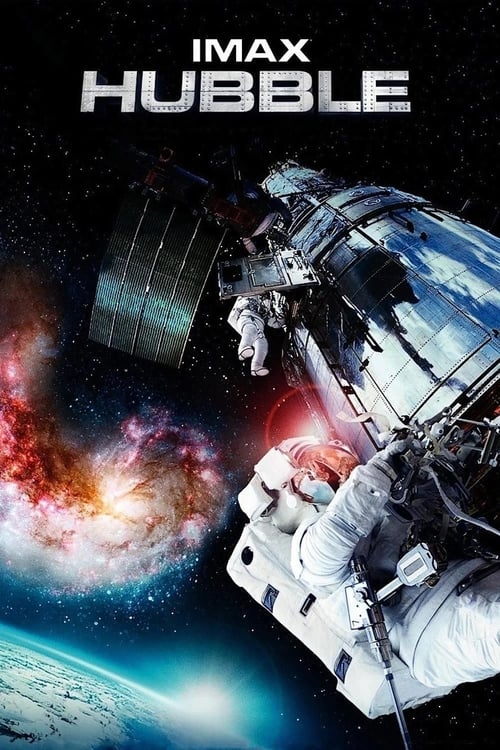
National Geographic and NASA are sending you into space - live! For the first time ever, board the International Space Station and take a complete orbit of Earth in real time.
Rick Mastracchio
as Self
Koichi Wakata
Some 220 miles above Earth lies the International Space Station, a one-of-a-kind outer space laboratory that 16 nations came together to build. Get a behind-the-scenes look at the making of this extraordinary structure in this spectacular IMAX film. Viewers will blast off from Florida's Kennedy Space Center and the Baikonur Cosmodrome in Russia for this incredible journey -- IMAX's first-ever space film. Tom Cruise narrates.
Join the Mars rovers Spirit and Opportunity for an awe-inspiring journey to the surface of the mysterious red planet.
A team of international scientists attempt to document the first-ever image of a black hole.
A year through the distant eyes of meteorological satellite Himawari-8 – a hypnotic stream of Earth's beauty, fragility and disasters. Animation of satellite irradiation scan measurements, scientific data by meteorological satellite Himawari-8 courtesy of JMA/BoM/NCI
A feature-length documentary about the film Galaxy Quest and its legacy, celebrating its milestone 20th anniversary.
Wicket the Ewok and his friends agree to help two shipwrecked human children, Mace and Cindel, on a quest to find their parents.
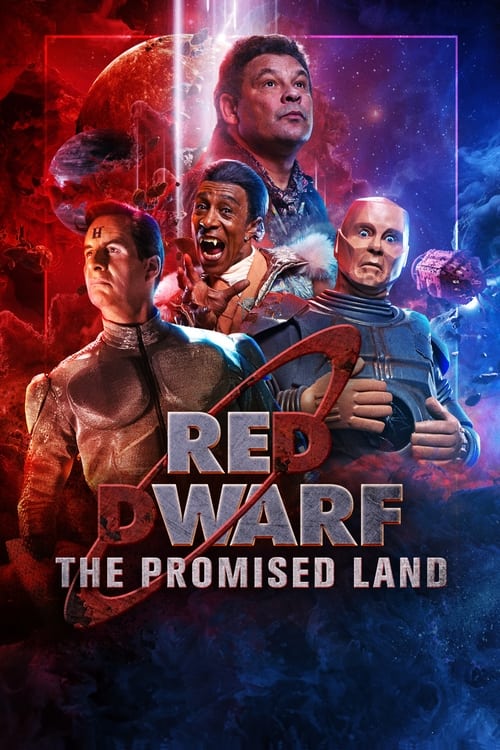
A pilot for an unproduced British science fiction space adventure series.
In unusual circumstances, scientists from different countries work together to achieve a common scientific goal. Locked in their spinning space lab, they are isolated from the world — family and friends - and can only watch from the outside as life on Earth continues without them. The space station is a monument not only to the weaknesses of humanity, but also to its ability to do the impossible for the sake of life in space.
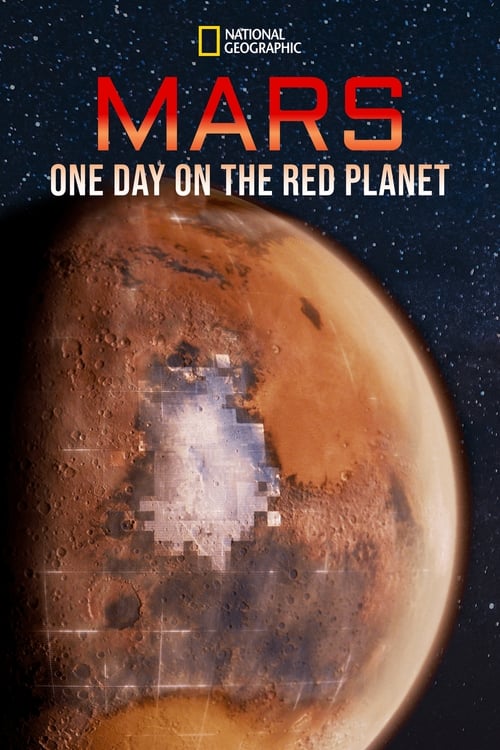
Did Mars ever have life on it? To answer this question, Europe and Russia have launched a unique and ambitious 2-stage project: ExoMars 2016-2018. This documentary is a thrilling look behind the scenes of a magnificent human and scientific adventure. We will uncover the most fascinating aspects of this mission and the search for signs of life on Mars.
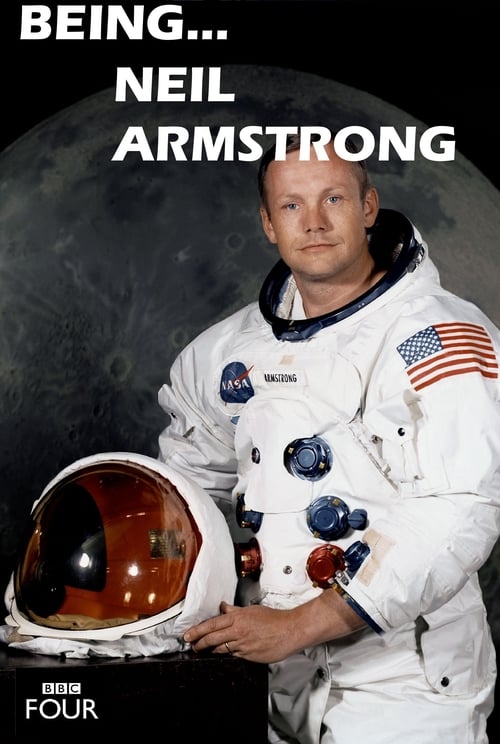
It has been said that 10,000 years from now only one name will still be remembered, that of Neil Armstrong. But in the four decades since he first set foot on the moon, Armstrong has become increasingly reclusive. Andrew Smith, author of the best-selling book Moondust, journeys across America to try and discover the real Neil Armstrong. He tracks down the people who knew Armstrong, from his closest childhood friend to fellow astronauts and Houston technicians, and even the barber who sold his hair, in a wry and sideways look at the reluctant hero of the greatest event of the 20th century.
The first American space station Skylab is found in pieces scattered in Western Australia. Putting these pieces back together and re-tracing the Skylab program back to its very conception reveals the cornerstone of human space exploration.
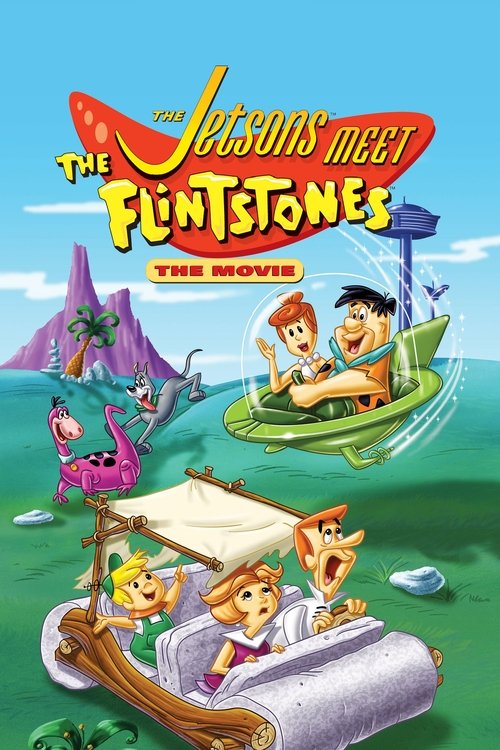
Elroy Jetson invents a time machine that takes him back to prehistoric times, where he meets the Flintstone family.
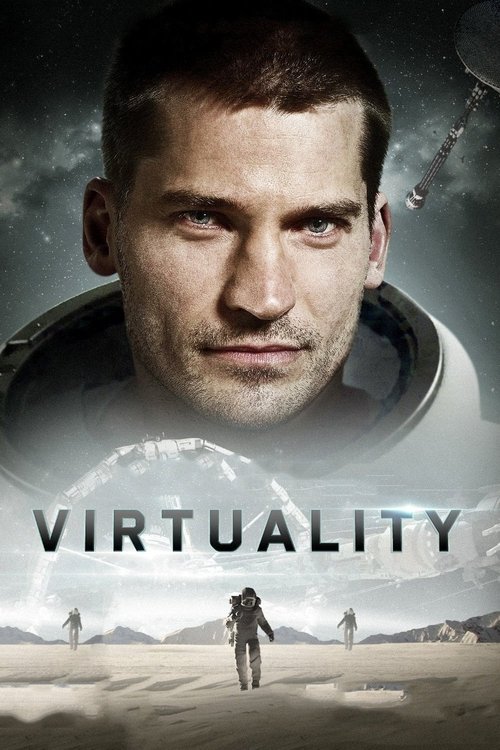
Twelve extremely talented men and women have been chosen to be part of the Phaeton mission, a 10-year trek to explore a distant planetary system. In order to endure the stress of being confined to their high-tech vessel, the crew passes the time using advanced virtual reality modules that allow them to take on various identities. But as the ship approaches a critical phase of their journey, a deadly flaw is discovered in the virtual system, forcing them to question if someone onboard might be a killer.
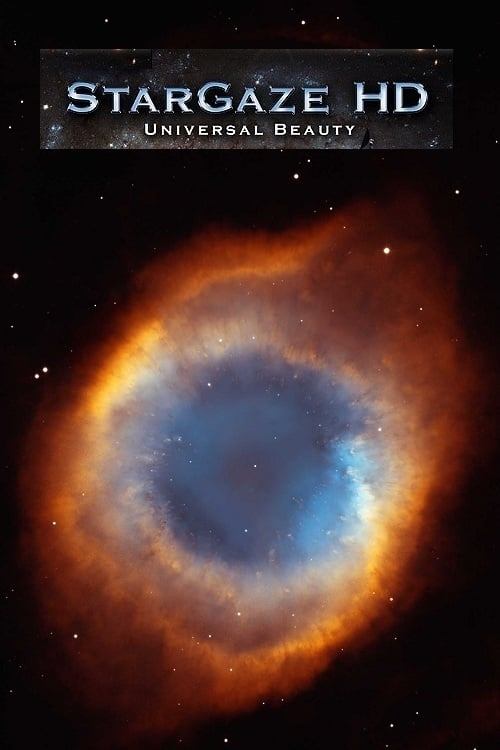
We have all dreamed of going where no man has gone before but that time is here and now. We are on the very edge of a new era in humanity. Within our lifetime, mankind will not only be journeying to other planets, we will be inhabiting them. Our ultra-high technology robots are even now walking upon the surface of Mars, sending back information and preparing the ground for our arrival. This is not science fiction, we are living the future now.
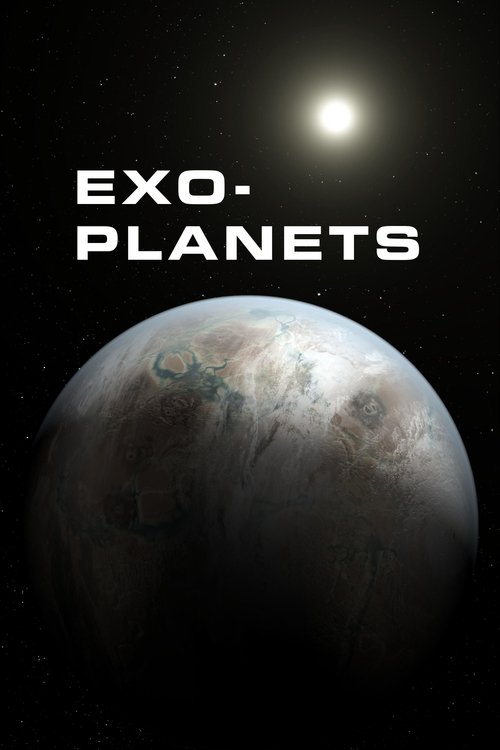
NASA may have just gotten one step closer to the answering the question: are we alone? The Spitzer Telescope has made a groundbreaking discovery of exoplanets that could be similar to our own. And as Kepler also continues its search, our understanding of the universe continues to be redefined.
This feature-length documentary is a portrait of eclipse chasers, people for whom solar eclipses - among nature's more spectacular phenomena – are a veritable obsession. The film follows 4 of them as they travel incredible distances to witness the last total eclipse of the millennium as it sweeps eastward across Europe to India. At various points along the way enthusiasts Alain Cirou in France, Paul Houde in Austria, Olivier Staiger in Germany and Debasis Sarkar in India offer their impressions of the historic event.
214 million years ago a gigantic meteorite broke up and impacted Earth. 65 million years ago, the impact that killed the dinosaurs occurred where the country of Belize stands today. 200 thousand years ago early humans were walking and died when they were hit by a 40 meter wide meteorite hit South Africa creating a 1.4 km wide crater. This meteorite fragment, the largest ever found hit Namibia 80 000 years ago and more recently a major impact occurred in Toungouska, Russia in 1908. Every year 10 000 tons of meteoritic matter fall onto Earth in much smaller but not necessarily less influential pieces. This film will explore how the impact of these meteorites big and small through the ages have changed our world and what they brought from outer space with them that may have been the seed of life itself on Earth.
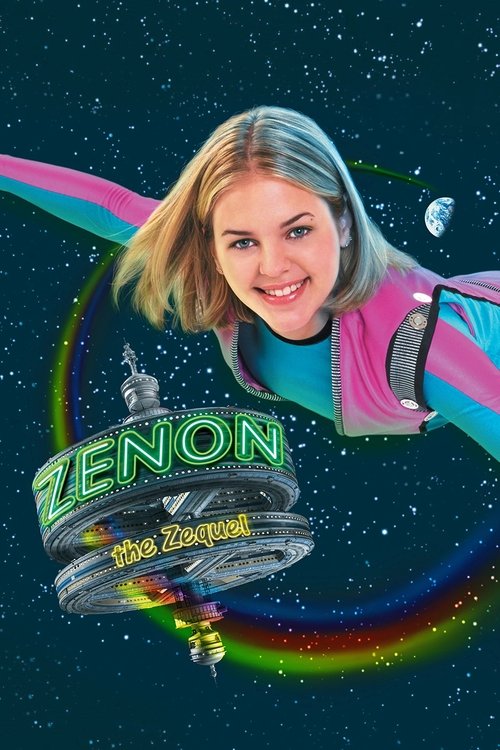
Zenon Kar, a 13-year-old girl who lives on a space station in the year 2049, gets into some trouble and is banished to Earth. With help from some Earth friends she must find her way back.