“First” pan in Pannonian Basin and highly likely in the Balkans was created in 1912 by Ernest Bosnjak. The film documented the unveiling of the monument to Ferencz Rákóczi in Sombor and also features a brief tilt shot of the monument itself.
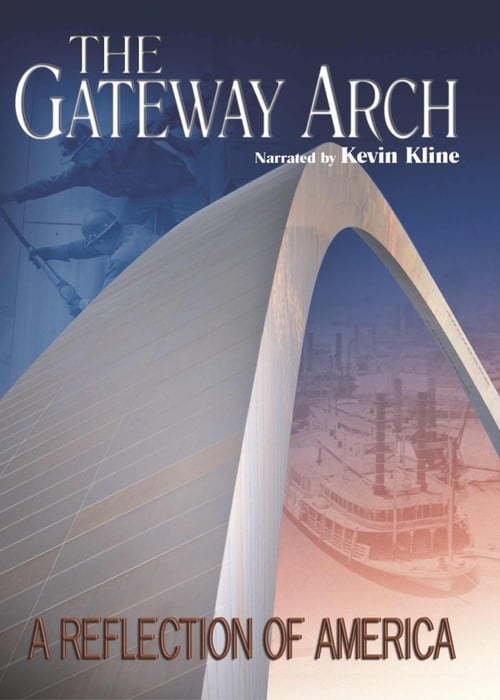
The Gateway Arch: A Reflection of America chronicles for the first time the complete story of this great American symbol… from Thomas Jefferson, Lewis & Clark, and St. Louis’ role in westward expansion; to the eventual construction of the largest stainless steel structure in history.
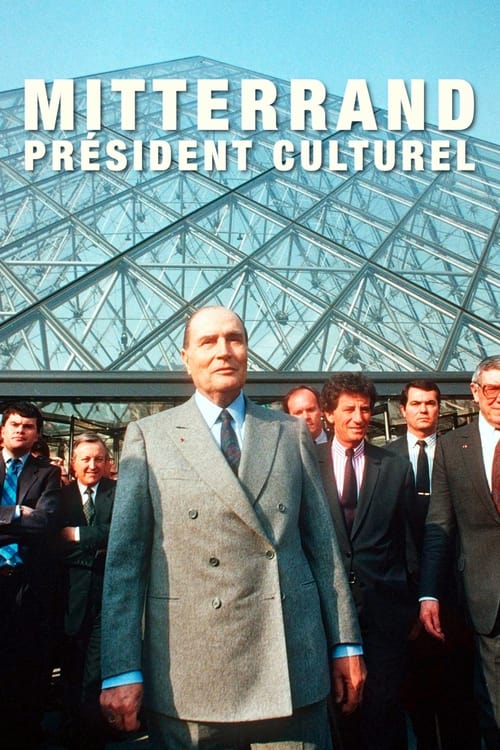
On the occasion of the fourty years anniversary of François Mitterand's election, a look back to the relationship between the President and artists, from admiration to manipulation.
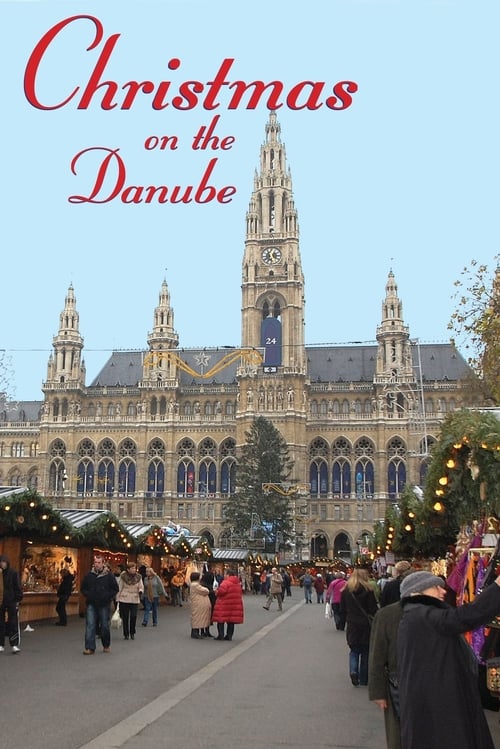
This documentary visits cities and towns and captures stunning landscapes along Europe's majestic Danube at Christmastime. Locations covered include Passau, Germany; Salzburg, Oberndorf, the Wachau Valley, and Vienna in Austria; Bratislava, Slovakia; and Budapest, Hungary. Along the way the viewer learns relevant history.
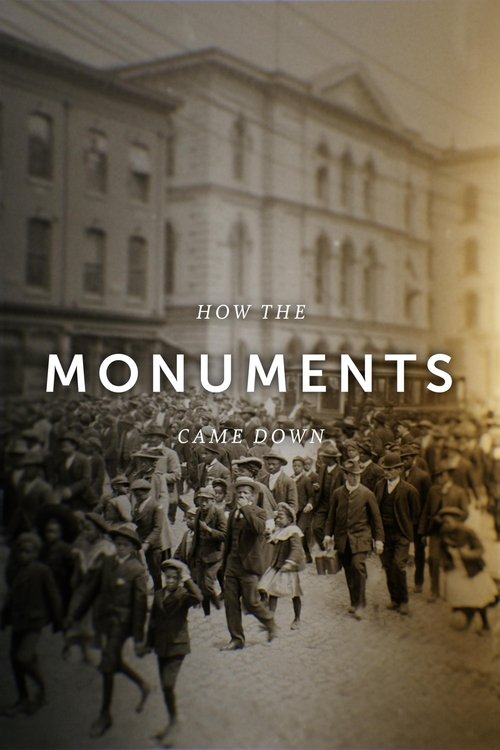
How the Monuments Came Down is a timely and searing look at the history of white supremacy and Black resistance in Richmond. The feature-length film-brought to life by history-makers, descendants, scholars, and activists-reveals how monuments to Confederate leaders stood for more than a century, and why they fell.
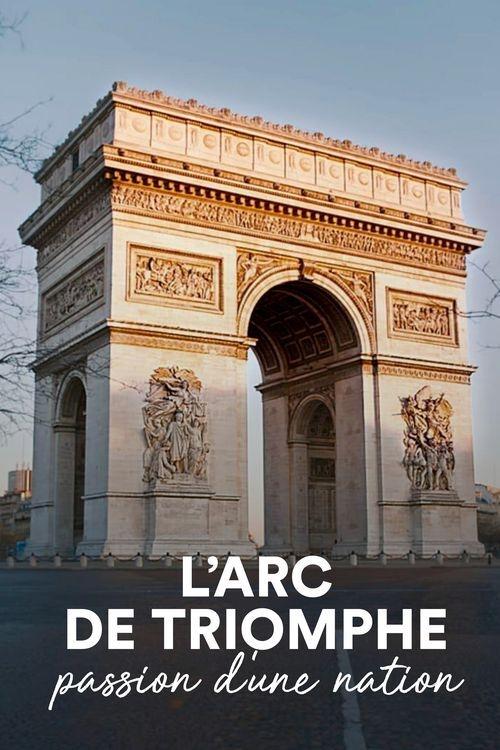
The pride of Napoleon's victories, the Arc de Triomphe, whose first stone was laid in 1806 at the top of the Champs-Élysées, is, along with the Eiffel Tower, one of the most visited monuments in the French capital. Wanted by an emperor, inaugurated under the reign of a king (Louis-Philippe) and sanctuarized by the Republic, this patriotic temple polarizes the passions of a whole nation. A historical portrait before "packaging", which teems with anecdotes and unsuspected details.
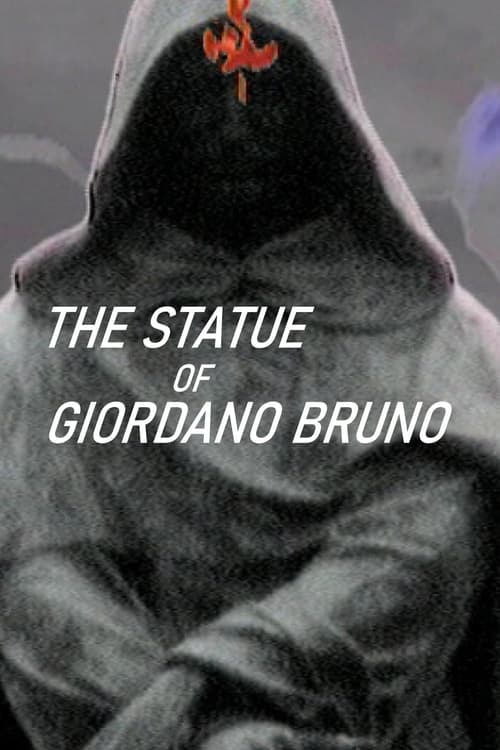
This film was made out of the capture of a live animation performance presented in Rome in January 2005 by Pierre Hébert and the musician Bob Ostertag. It is based on live action shooting done that same afternoon on the Campo dei Fiori where the philosopher Giordano Bruno was burned by the Inquisition in 1600. A commemorative statue was erected in the 19th century, that somberly dominate the market held everyday on the piazza. The film is about the resurgence of the past in this place where normal daily activities go on imperturbably. The capture of the performance was reworked, shortened and complemented with more studio performances.
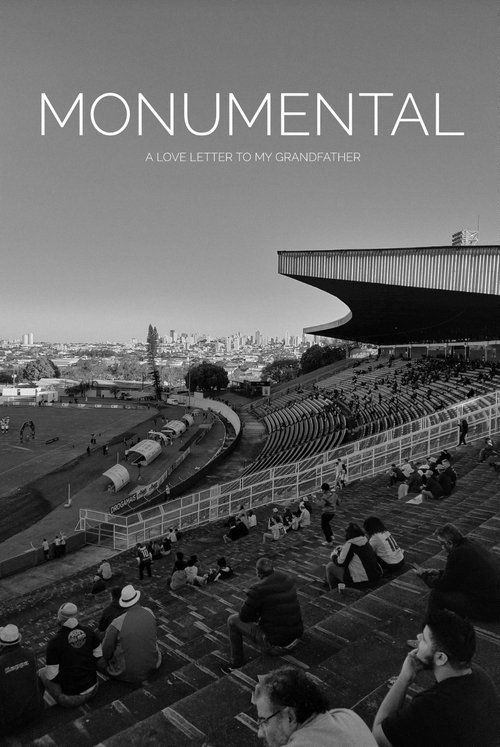
The director's affection for the Londrina Esporte Clubeb (LEC) and his grandfather is transmitted through this short documentary that shows an important match for the championship. During a trip the director managed to kill the longing of the two...
Atlanta History Center explores the controversial history of the Stone Mountain carving through a documentary film and online resources.
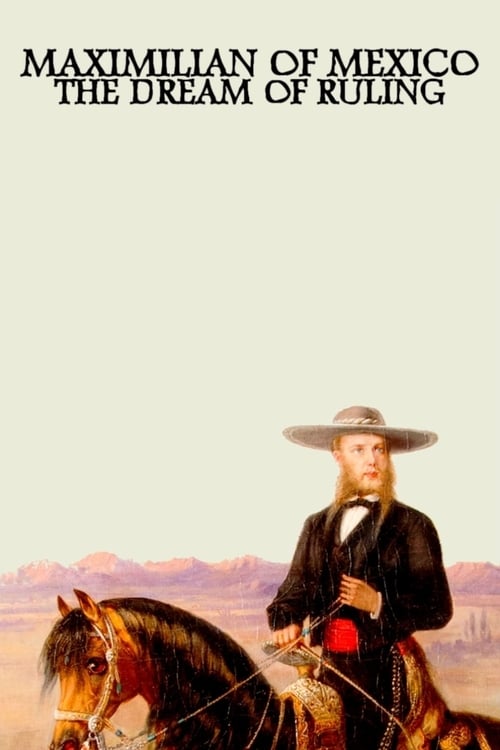
The life and struggles of Ferdinand Maximilian Joseph Maria of Habsburg-Lorraine (1832-1867), emperor of the Second Mexican Empire as Maximilian I of Mexico from 1864 to 1867 (under the wing of Emperor Napoleon III and the French Empire), his tragic confrontation with Mexican leader Benito Juárez, the defeat of the will and the end of a dream.
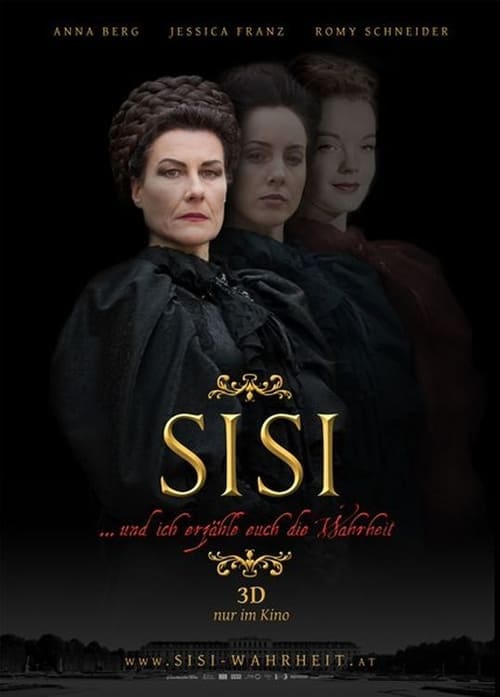
September 11, 1898: The imperial family’s personal physician, Dr. Herman Widerhofer, is deeply shocked by the news that an anarchist has assassinated Empress Elisabeth in Geneva. He then shuts himself up in his private rooms and recalls the empress’ fateful life. We learn the truth about Elisabeth, as the doctor knew more about her than anyone else.
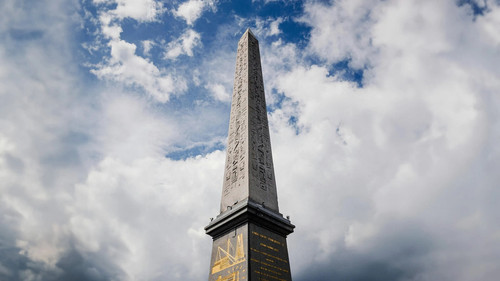
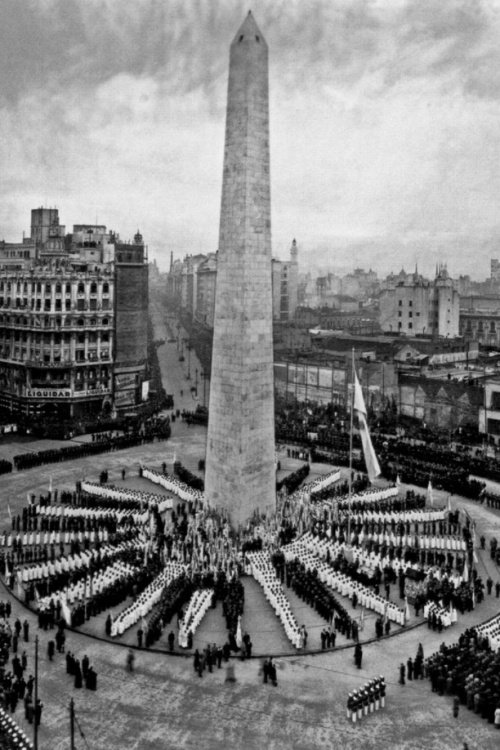
The construction of the Obelisco in Buenos Aires, Argentina.
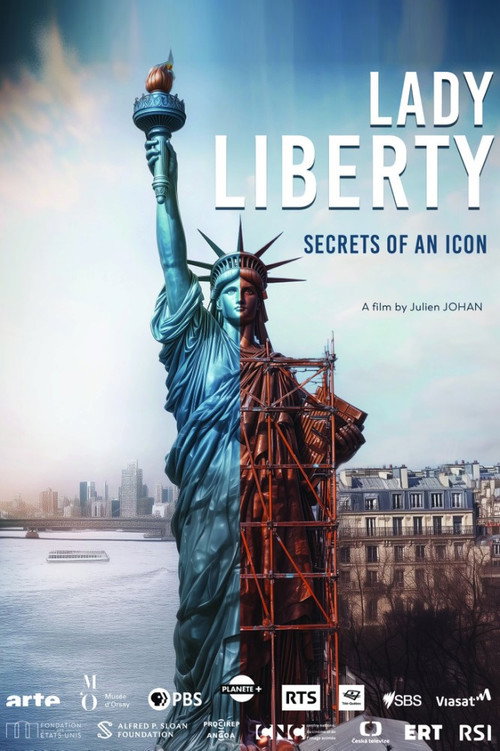
This iconic statue was a gift from France to the new-born American Republic and was the first crowd-funded monument of all time. A symbol of emancipation and freedom, which took two decades to be completed. The film features original 3D virtual reconstitutions of Auguste Bartholdi’s Atelier in Paris and travels back in time to bring viewers at the heart of the Statue’s original construction, revealing the founding ideals of our democracies.
The Elk sculpture is a beloved icon in Portland, Oregon, but it was sidelined during the 2020 protests. Six years later, it returns, this time to a city and a nation divided over who or what belongs on a pedestal. As protest consumed Portland, Ore. in 2020, the city removed a beloved elk sculpture for safekeeping. Six years later, the elk is the first of the city's damaged monuments to return, and the only sculpture without controversy. But in a city that never really stopped protesting, people remain divided over why the elk went away—and what it means for the dinged-up but refurbished symbol to finally return. Set in an American city reckoning with its symbols of westward expansion, the unfolding fate of the elk and the other sculptures tells the story of a nation divided over who and what belongs on a pedestal.
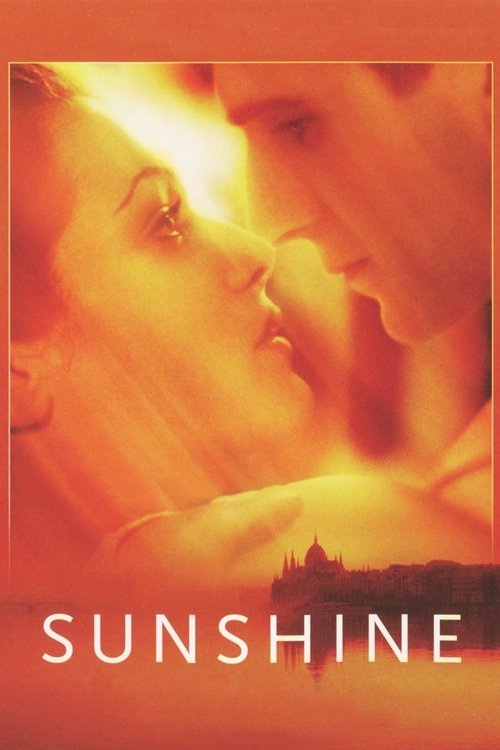
The fate of a Hungarian Jewish family throughout the 20th century.