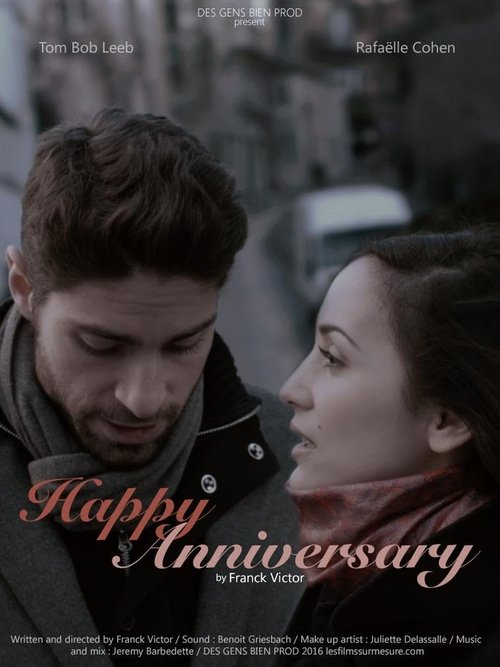
Give it time. You'll get over it. Jean celebrates his birthday, gets drunk and recalls the dreadful weekend that led to his break-up with Mathilde.
Swann Arlaud
as Jean
Victoire du Bois
as Mathilde
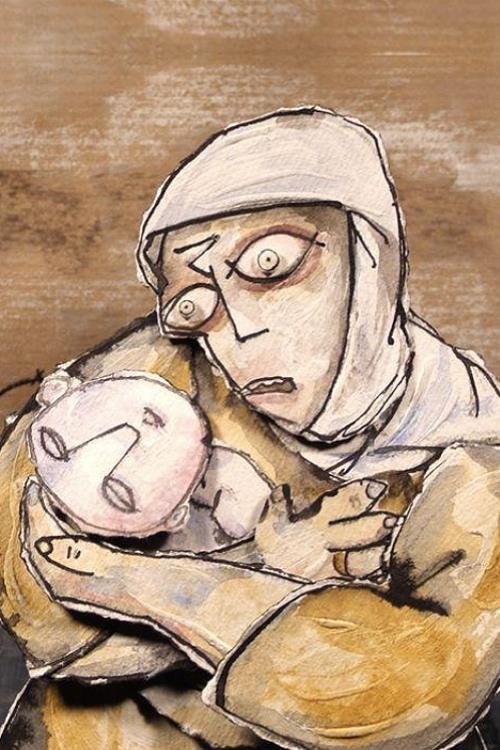
Inspired by Picasso's Guernica (1937), this film is fundamentally about the Israeli-Palestinian conflict.
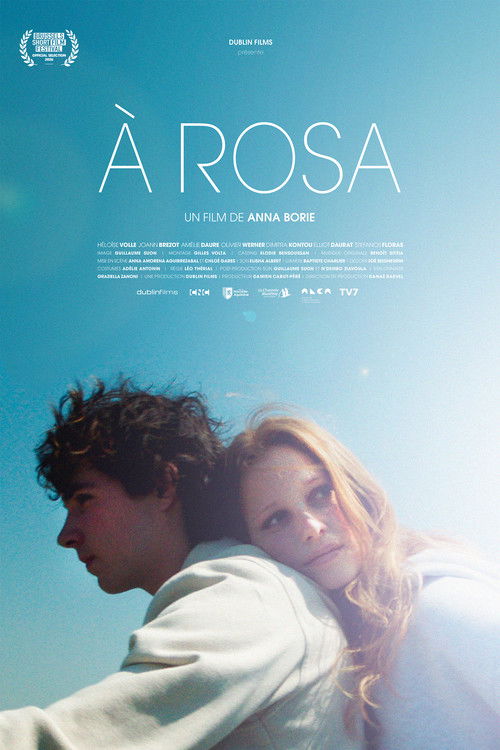
Rosa, 15, lives in an oyster-farming family. As her gravely ill father nears death, the support of Adel, her childhood friend, forges a new bond between them. In this fragile in-between, Rosa moves forward and falters…
It's love at first sight for the Boy, but obstacles— namely shyness, and the temerity of other suitors— place themselves in the way of his love. Unknowingly, the Boy and the young woman of his fancy both stay at the home of mutual friends— But all is not well, as robbers lurk outside the house.
Awakening on the floor of a destroyed suburban bedroom, we discover a global invasion has begun and we are not alone in the house.
After the death of her little boy, Anita wants to take her own life.
The day the radiation disappears, Simon rushes to the heart of the zone, taking his colleague Agathe with him, in the hope of rediscovering a lost past.
In a world where artists are tiny beings born from animals, a mockumentary explores the lives of four sisters born from bird eggs, living completely isolated from civilization in a seemingly idyllic setting.
When their therapist announces a trip to the town of 'The Forgotten' to work on their bad behavior, cousins Garu and Ponki laugh and make fun, believing their parents will send them to a luxury resort instead, as usual. What they don’t know is that this time their irreverence will lead them to a less glamorous, and possibly perpetual, adventure!
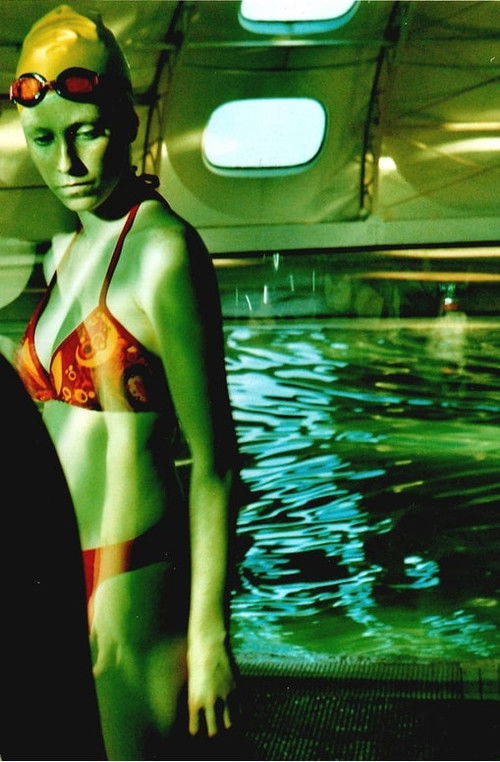
Lucille, an introverted eleven year old girl, live with her parents, who are caretakers of the swimming pool in which they stay. Because of the weirdness of this place, which looks like a flying saucer, an awful anguish comes out of Lucille's mind. The "unidentified frightening object" of her confusion would happen to be even more obsessing than all fears of childhood.
Freely adapted from Gabriel García Márquez's Chronicle of a Death Foretold, the film follows the investigation of a local teacher's murder in a small and desperately poor rural village, the story of the crime gradually pieced together from the fragmented memories of witnesses forced to testify at an inquest. Sharing with her Fifth Generation colleagues Chen Kaige and Tian Zhuangzhuang a remarkable eye for the barren landscapes of northern China and a fascination with small-town life — especially those enduring superstitions that Communism failed to erase — director Li Shaohong also introduces several formal innovations, particularly in storytelling structure, that remain unprecedented in Chinese cinema.
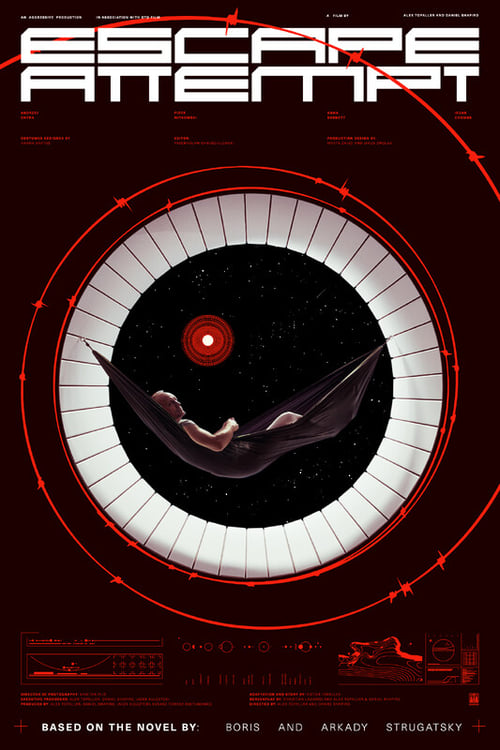
A soldier escapes from a World War II concentration camp. Once he gets out, he finds himself on an unknown planet in an unknown future controlled by a homicidal alien race.
Three athletes race to win the heart of a woman.
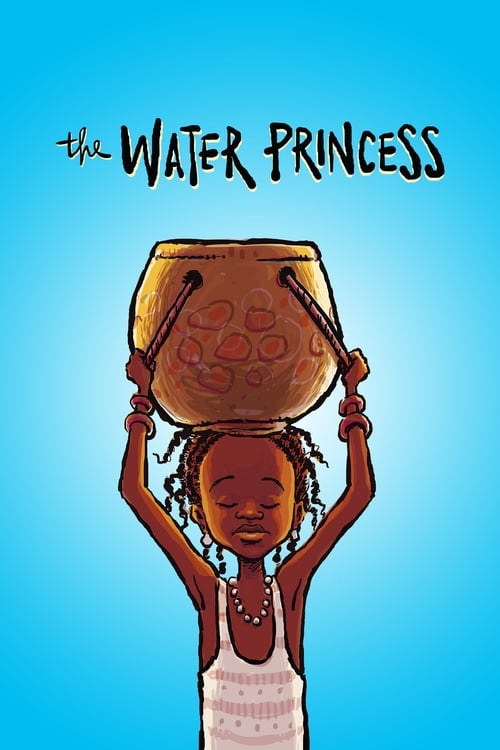
A young girl dreams of bringing clean drinking water to her African village. As a child in Burkina Faso, Georgie, and the other girls in her village had to walk for miles each day to collect water. This vibrant, engaging story sheds light on this struggle that continues all over the world today, instilling hope for a future when all children will have access to clean drinking water.
On the eve of deportation, a refugee hacker fights for a chance at the American dream after he is betrayed by a politician using him to sway public opinion.
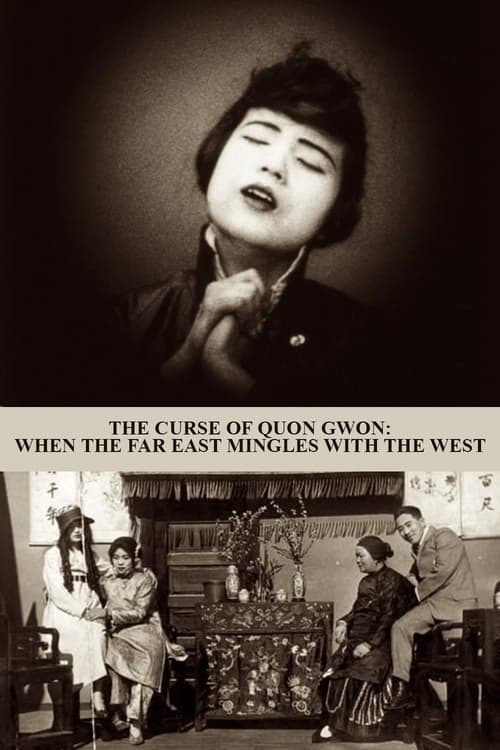
The Curse of Quon Gwon is the oldest known Chinese-American film and one of the earliest American silent features made by a woman. Only two reels of the film survive, and no intertitles are known to exist, making it difficult to parse out the exact plot. An article in the July 17, 1917 issue of The Moving Picture World states that the film "deals with the curse of a Chinese god that follows his people because of the influence of western civilization." The film also touches on themes of Chinese assimilation into American society. Formally premiering in 1917, no distributor was willing to purchase a Chinese-American film without racial stereotypes. Considered a devastating financial failure, the film was only screened two more times until its rediscovery in 2004. Preserved by the Academy Film Archive in 2005.
An elliptical, pictographic animated film that uses flat, painted figures and collage elements in both two and three dimensional settings to explore the realms of memory, language and identity from the point of view of a woman amnesiac.