Rabot is one of the poorest neighborhoods in Gent. The documentary focusses on the last remaining members living in three tower blocks that are ready to be demolished. It’s a universal parabel about dreams, loneliness and our own indifference.
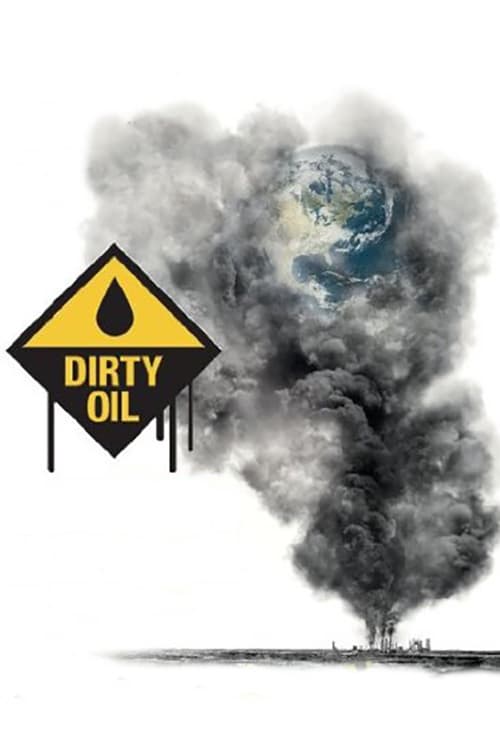
Deep behind-the-scenes into the strip-mined world of Alberta, Canada, where the vast and toxic Tar Sands deposit supplies the U.S. with the majority of its oil. Through the eyes of scientists, 'big oil' officials, politicians, doctors, environmentalists, and aboriginal citizens directly impacted by 'the largest industrial project on the planet today,' the filmmakers journey to both sides of the border to see the emotional and irreversible toll this 'black gold rush' fueled by America's addiction to oil is taking on our planet.
Eleven award winning directors explore why nearly one out of every two students in Latin America never graduates high school.
Explores the rise of modern slavery in the UK, giving a portrait of the dark world of forced labor through the eyes of the people involved.
In 1975, as the Vietnam War was ending, thousands of orphans and Amerasian children were brought to the United States as part of "Operation Babylift." Daughter from Danang tells the dramatic story of one of these children, Heidi Bub (a.k.a. Mai Thi Hiep), and her Vietnamese mother, Mai Thi Kim, separated at the war's end and reunited 22 years later. Heidi, now living in Tennessee - a married woman with kids - had always dreamt of a joyful reunion. When she ventures to Vietnam to meet her mother, she unknowingly embarks on an emotional pilgrimage that spans decades and distance. Unlike most reunion stories that climax with a cliché happy ending, Daughter from Danang is a real-life drama. Journeying from the Vietnam War to Pulaski, Tennessee and back to Vietnam, Daughter from Danang tensely unfolds as cultural differences and the years of separation take their toll in a riveting film about longing and the personal legacy of war.
When filmmaker Mai Masri returned to her hometown of Nablus after a fourteen year absence, she discovered a new generation of Palestinian fighters: the children of the Intifada. Winner of the Award of Public at the Freminin Pluriel Festival, Children of Fire captures their courageous story on film and paints a daring portrait of the Palestinian uprising.
In 1977, a book of photographs captured an awakening - women shedding the cultural restrictions of their childhoods and embracing their full humanity. This documentary revisits those photos, those women and those times and takes aim at our culture today that alarmingly shows the need for continued change.
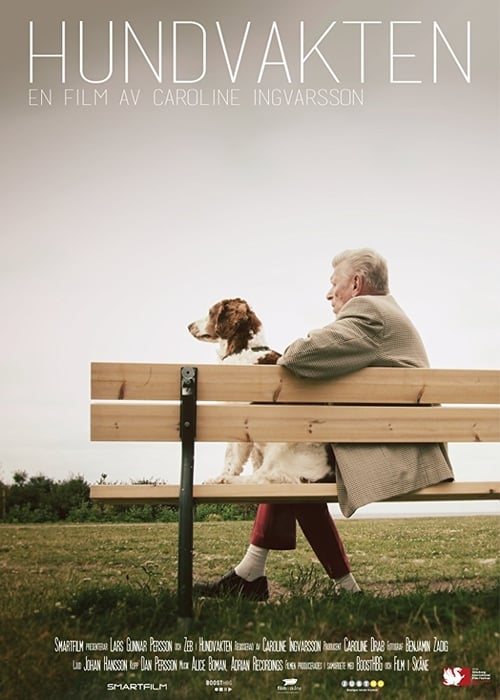
Retired actor Lars-Gunnar Persson spends his days with his neighbor's dog, sharing memories of failed relationships and questioning what life might have been. It's a friendship that suits Lars-Gunnar because the dog, Zeb, is an excellent listener.
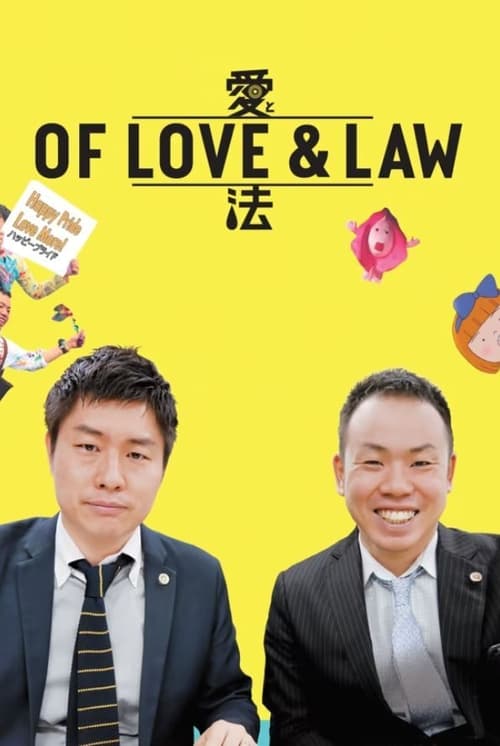
Fumi and Kazu have a lot to teach us about love. When they decide to stick their necks out and create the first LGBTQ+ law firm in Japan, they are drawn into the lives of people searching for protection and support. Despite their own relationship having no legal status, they work pro-bono for long hours, all the while foster-parenting a teenager. We meet with a colourful cast of misfits, dissidents and artists – from a delightful eccentric being prosecuted for her kitschy vagina sculptures, to a troubled outsider who, as the child of an ‘immoral woman’, has no legal identity. A saying is repeated throughout the film, that one must ‘read the air’ – conform to the tacit conservatism that forbids sexual diversity. With love, humour and serious legal chops, Fumi and Kazu do exactly the opposite.
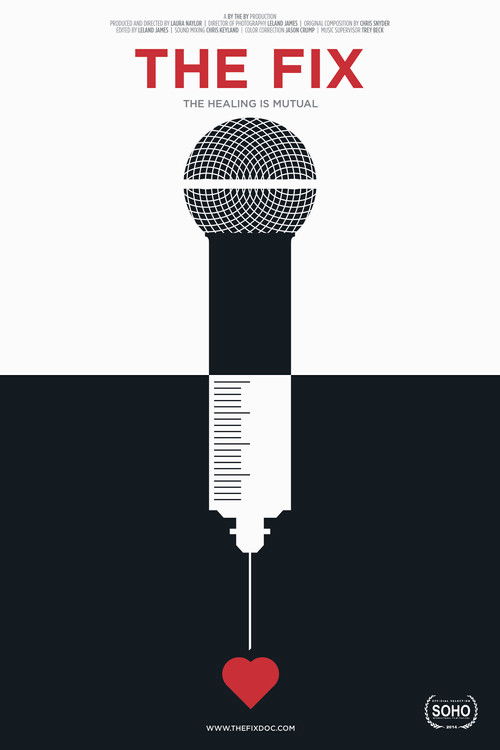
Junior, a young father trying to turn his life around after years of heroin addiction, joins forces with a group of fellow hepatitis-C-infected former junkies in the Bronx to fight the disease in their community. Knitting personal narratives together with a profile of innovative programs at a methadone clinic, the film explores the concept of storytelling as an instrument of change and gives a powerful voice to marginalized members of society.
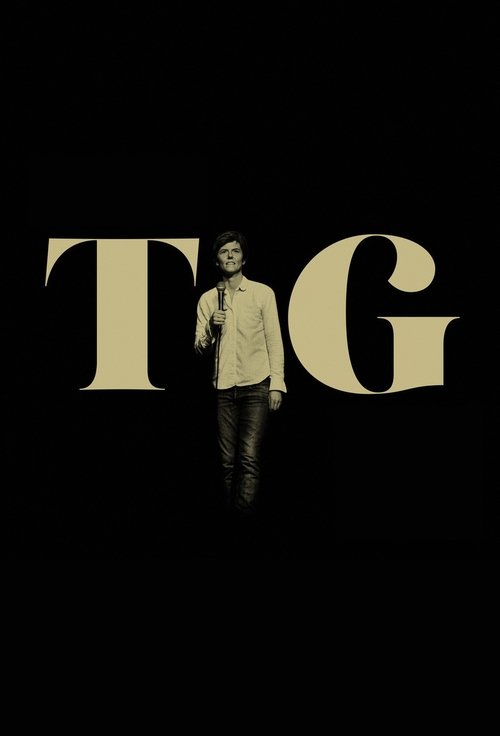
An intimate documentary that follows Tig Notaro, a Los Angeles based comedian, who just days after being diagnosed with invasive stage II breast cancer changed the course of her career with a poignant stand-up set that became legendary overnight. It explores Tig's extraordinary journey as her career ignites and as her life unfolds in grand and unexpected ways, all the while continuing to battle a life-threatening illness and falling in love.
An eye-opening investigation into the making of Hollywood sex scenes, shedding light on the real-life experiences behind classic scenes of cinema and tracing the legacy of exploitation of women in the entertainment industry.
Audre Lorde, the highly influential, award-winning African-American lesbian poet came to live in West-Berlin in the 80s and early '90s. She was the mentor and catalyst who helped ignite the Afro-German movement while she challenged white women to acknowledge and constructively use their privileges. With her active support a whole generation of writers and poets for the first time gave voice to their unique experience as people of color in Germany. This documentary contains previously unreleased audiovisual material from director Dagmar Schultz's archives including stunning images of Audre Lorde off stage. With testimony from Lorde's colleagues and friends the film documents Lorde's lasting legacy in Germany and the impact of her work and personality.
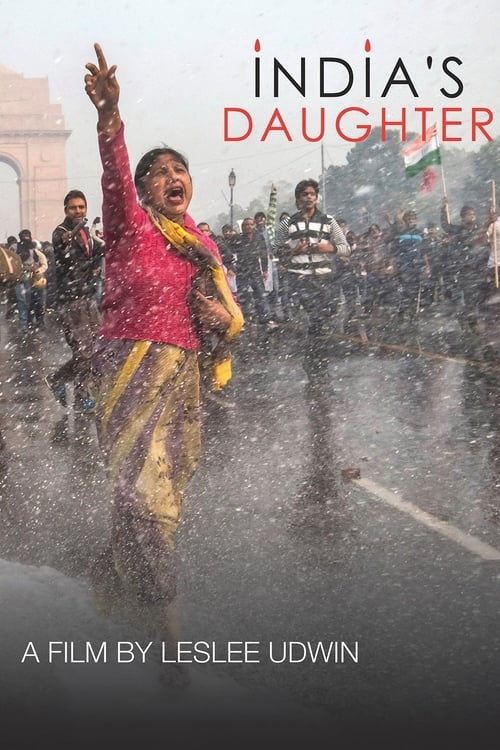
The story of the short life, and brutal gang rape and murder in Delhi in December 2012 of an exceptional and inspiring young woman. The rape of the 23 year old medical student by 6 men on a moving bus, and her death, sparked unprecedented protests and riots throughout India and led to the first glimmers of a change of mindset. Interwoven into the story line are the lives, values and mindsets of the rapists whom the film makers have had exclusive and unprecedented access to interview before they hang. The film examines the society and values which spawn such violent acts, and makes an optimistic and impassioned plea for change.
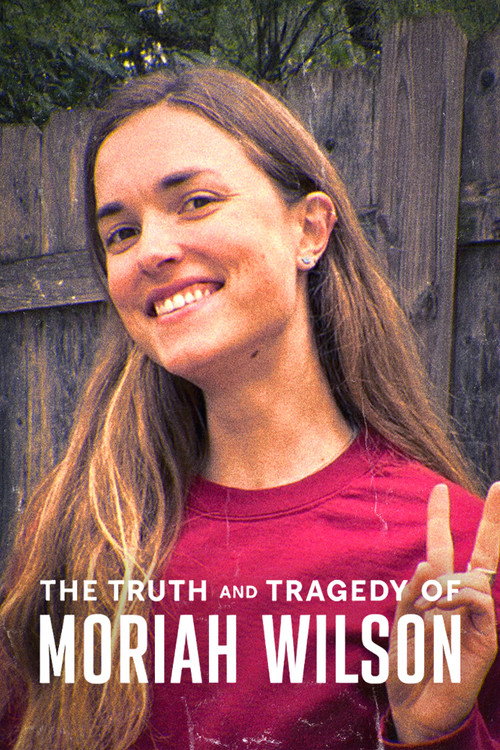
An intimate, arresting portrait of cyclist Moriah Wilson—raised by a fierce, loving family—whose singular drive becomes her superpower, carrying her to athletic brilliance and, devastatingly, toward a life cut short by murder.
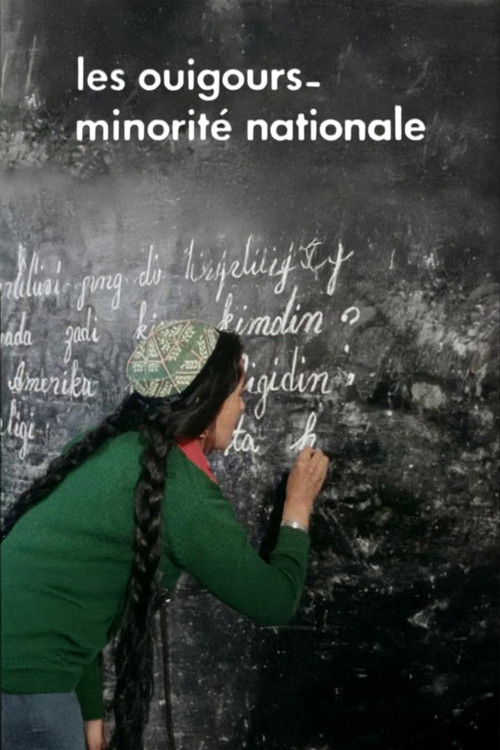
Filmed in western China in the late 1970s, this documentary portrays the Uyghur people, a Turkic-speaking Muslim minority living in the Xinjiang region. Directed by Joris Ivens and Marceline Loridan-Ivens, the film documents daily life and cultural practices during the closing years of the Cultural Revolution, situating Uyghur identity within the broader political and social framework of the People’s Republic of China.
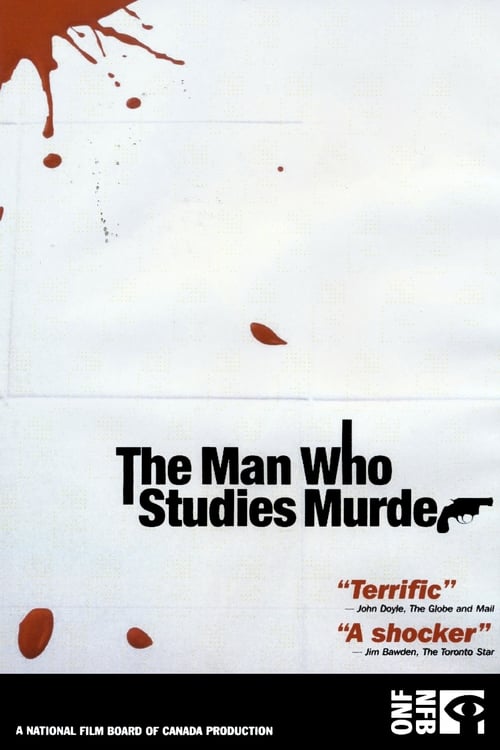
Elliott Leyton, the subject of this riveting documentary by filmmaker Barbara Doran, can't help but be fascinating; that's because Leyton, who teaches at the Memorial University in Newfoundland, is also a valuable ally for law enforcement officials who need his expertise in psychology and criminal behavior to catch some of the most heinous criminals: serial killers.
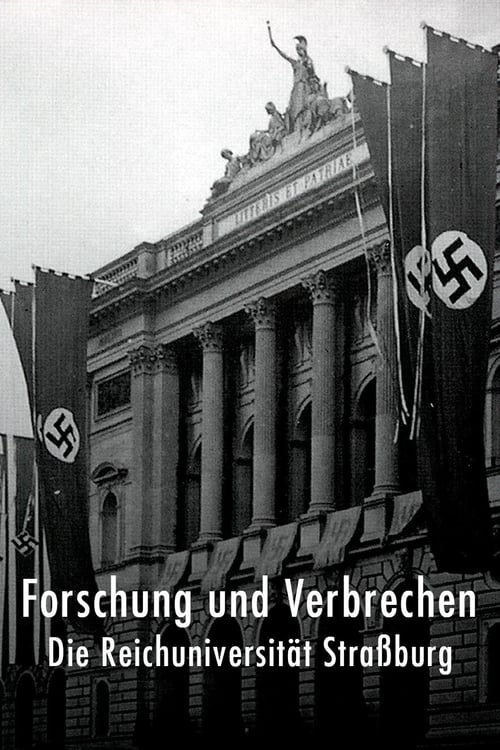
Strasbourg was home to one of three Reich Universities founded by the Nazis, known as a project close to Hitler's heart. The university, founded in 1941, is infamous for the human experiments performed on KZ prisoners by the professors of the medical faculty. What did its dean, Johannes Stein, grandfather of documentarian Kirsten Esch, know of these crimes?
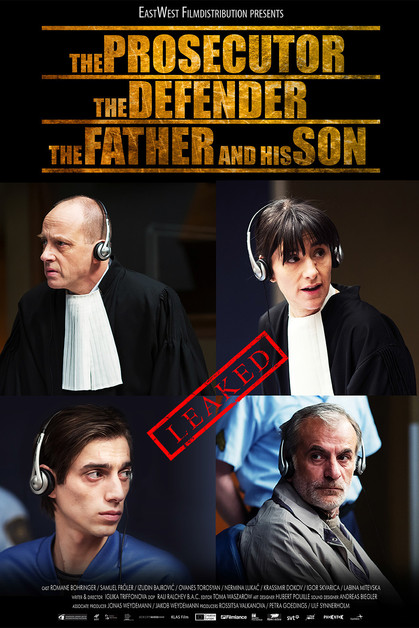
The Hague, the International Criminal Tribunal for the former Yugoslavia: Two ambitious lawyers face each other in the trial of Milorad Krstić, who’s accused of committing war crimes as a commander in the Bosnian war. The defender, Mikhail Finn, has managed to refute all the accusations against his client. Convinced of Krstic´s guilt, Catherine Lagrange, the prosecutor, summons a young man with incriminating evidence against Krstić. He claims to have been abandoned by his parents as a child and to have been one of Krstić’s soldiers. Defender Finn starts to investigate in order to verify the witness’ testimony – and soon encounters the young man’s family. Inspired by a true story.
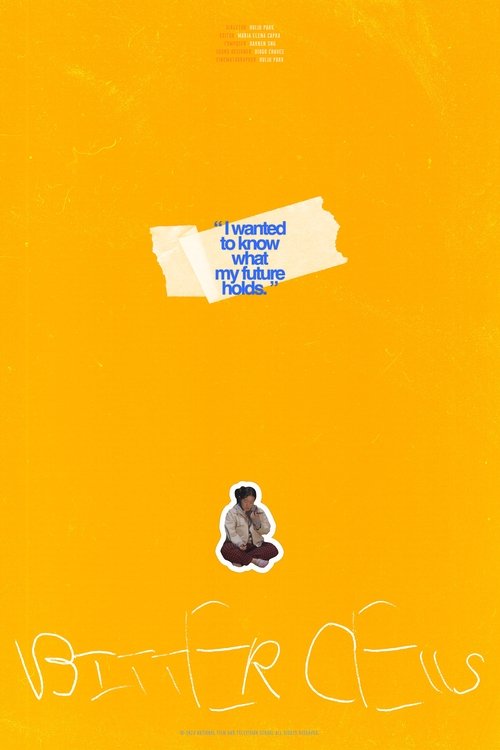
Huiju learned of her biopsy test results, but lied to her mum about them. Feeling guilty about the lie, she embarks on her journey to find cancer patients who have the same diagnosis as hers and learns about their experiences. After hearing their stories, she finds the courage to tell the truth to her mum.