Shadowlands is an animated short film about darkness that won't let go. About the constant fear that something terrible might happen. It describes a journey into the inner world and psyche of a young person in distress, a world far from "normal".
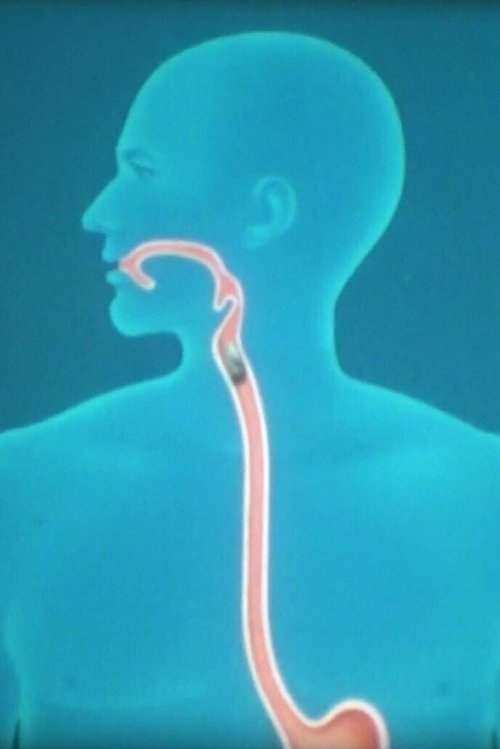
Using the basic nutrients protein, fat and carbohydrates as examples, the film provides an introduction to the complicated processes of digestion. Our digestive organs are presented schematically. It is shown that the interaction of the digestive organs prepares the food we eat and makes it absorbable. The absorbable food components enter the organism's metabolism and serve to build up the body and generate energy.
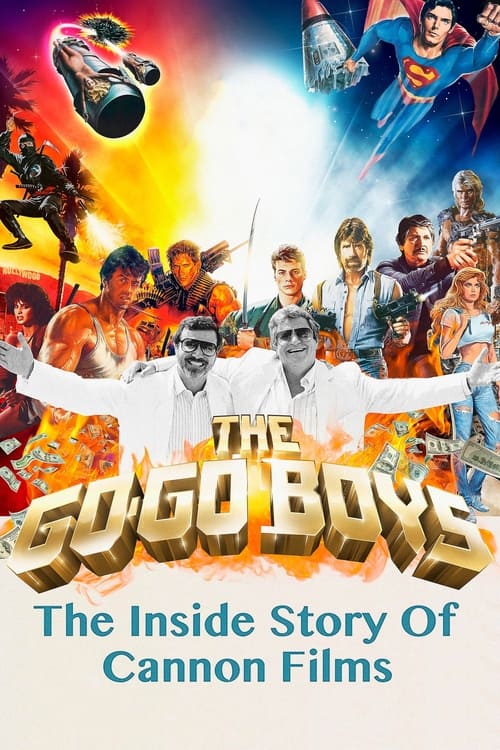
Cousins Menahem Golan and Yoram Globus relive the creation, rise and fall of their independent film company, Cannon Films. This documentary recounts their many successes and discusses their eventual downfall.
This short film looks at the importance of maintaining safe driving practices and heeding traffic rules. A traffic cop investigates a serious car crash and attempts to understand the cause.
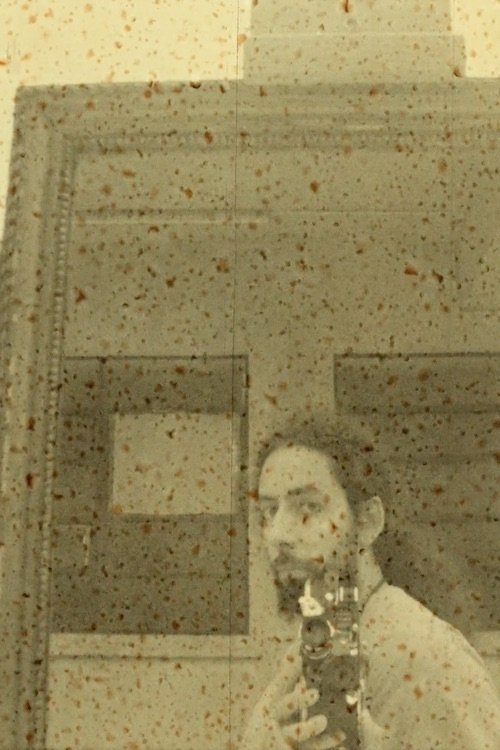
In 2012 I started testing a new hydrogen peroxide based bleach with an acid as a stabilizer, citric acid was the first choice, and these were my first positive results with Fomapan R100 on 16mm film.
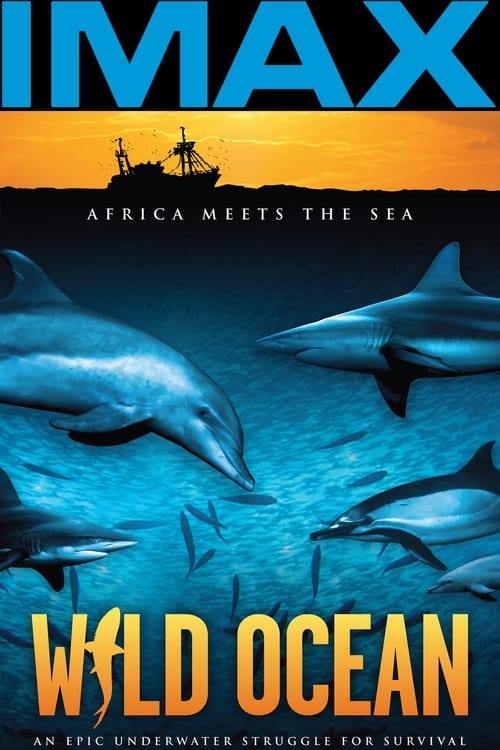
Wild Ocean is in an uplifting, giant screen cinema experience capturing one of nature's greatest migration spectacles. Plunge into an underwater feeding frenzy, amidst the dolphins, sharks, whales, gannets, seals and billions of fish. Filmed off the Wild Coast of South Africa, Wild Ocean is a timely documentary that celebrates the animals that now depend on us to survive and the efforts by the local people to protect this invaluable ecological resource. Hope is alive on the Wild Coast, where Africa meets the sea.
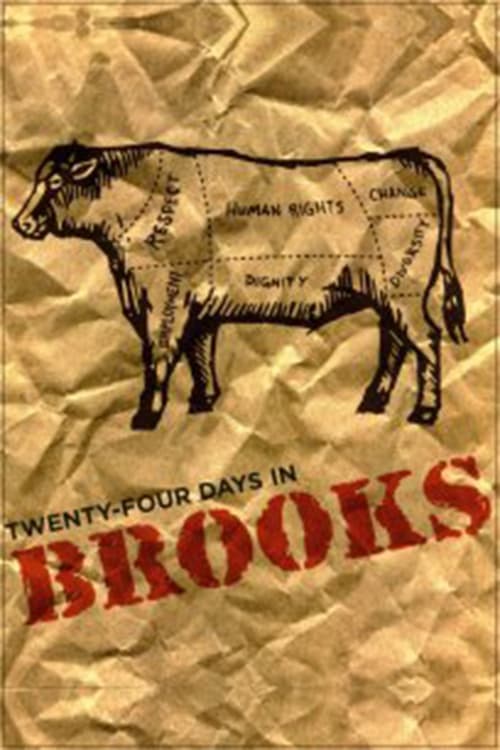
Over the course of a decade Brooks, Alberta, transformed from a socially conservative, primarily white town to one of the most diverse places in Canada as immigrants and refugees flocked to find jobs at the Lakeside Packers slaughterhouse. This film is a portrait of those people working together and adapting to change through the first-ever strike at Lakeside.
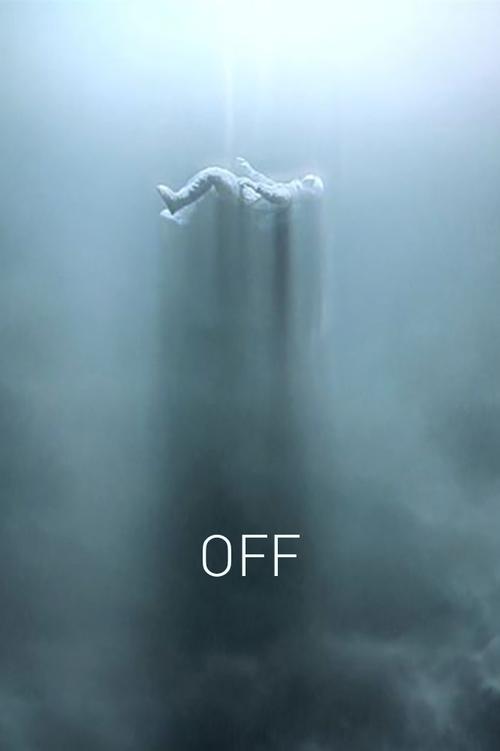
This atmospheric short will leave you contemplating just what awaits us as we venture beyond our own small world. What strange journeys lie in store, and what piece will humankind add to the grand design?
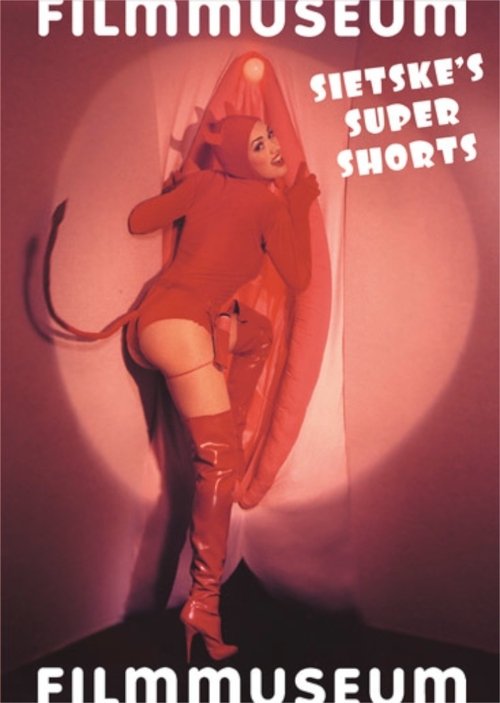
This early effort from Dutch prankster Sietske Tjallingii is a stop-motion miniature in which one mean hombre rides a 20th Century steed. Her later films would often feature the filmmaker herself as Bettie Page-inspired alter-ego "Miss T."
Madrid, Spain, 2120. The city has been transformed, stratified: the rich above, near the sky; the poor below, among the garbage. Nitrogreen, a highly unstable liquid capable of generating vegetation instantly, is the most valuable smuggled goods… and a ticket out.
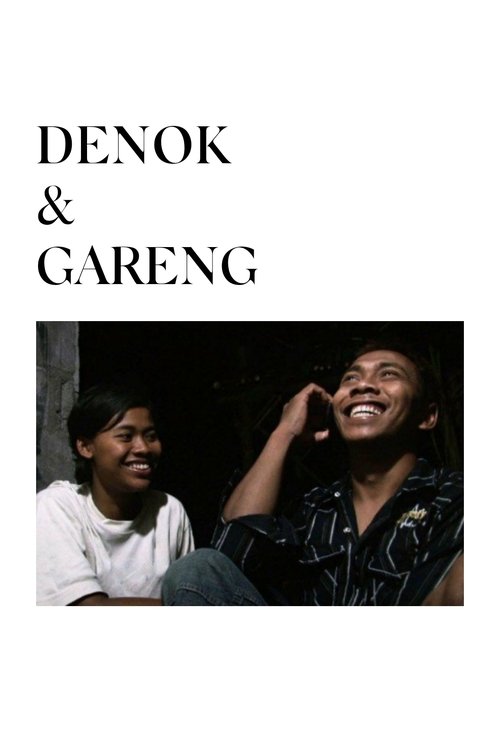
In the constant stream of hoping, failing and making new plans, Denok and Gareng stay united in their passionate struggle to make it up the hill one day. In the modest house of Gareng’s mum, these young, ex-street urchins Muslim couple starts a small pig business, looking for the lucky streak to come over the family. But new challenges constantly arise, putting their cheerfulness and patience on trial. In an entirely observational approach, ‘Denok & Gareng’ explores a strong loving relationship inside a strikingly vivid family that sticks together, fights back and laughs, about what others would call a Sisyphus fate.
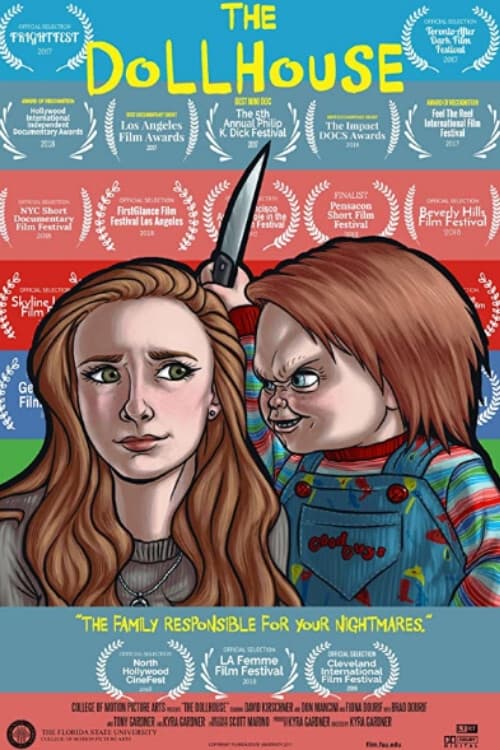
Kyra Gardner's loving tribute to growing up in the world of the psycho killer doll, Chucky.
A 'very intellectual' dirty talk on online sex work and a remix of 23-different-sources on the lookout for the answer to 'What happens to violence when you are not looking at it?' In this new work, EMIRHAKIN traces the parabola of performativity and gauges the unequal distances of labor in performance art and webcam performances from the focus point of body politics.
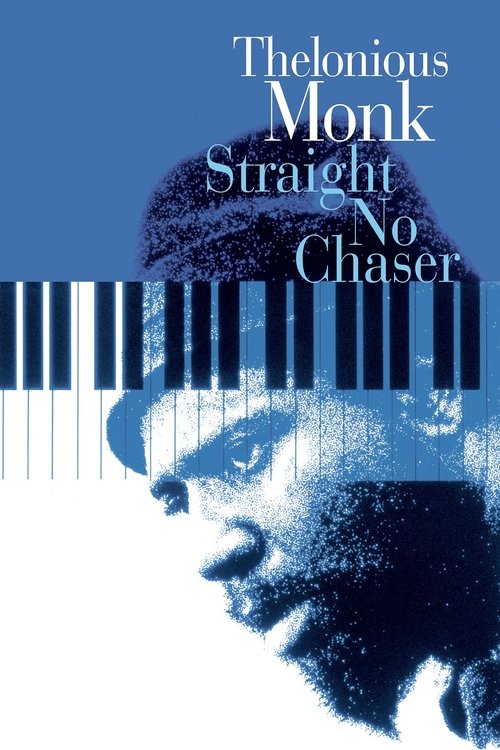
A documentary film about the life of pianist and jazz great Thelonious Monk. Features live performances by Monk and his band, and interviews with friends and family about the offbeat genius.
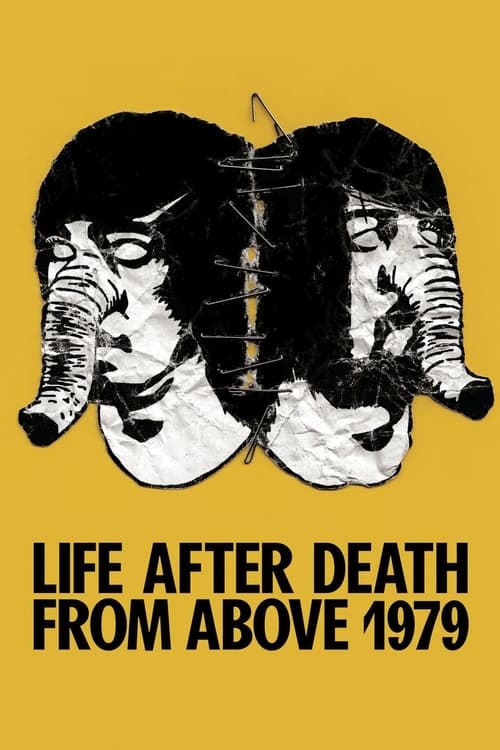
From 2001 to 2005, Jesse F. Keeler and Sebastien Grainger played 546 shows around the world. In 2006, they played zero. This is the story of the life, death, and reunion of Canadian dance-punk two-piece band Death From Above 1979.
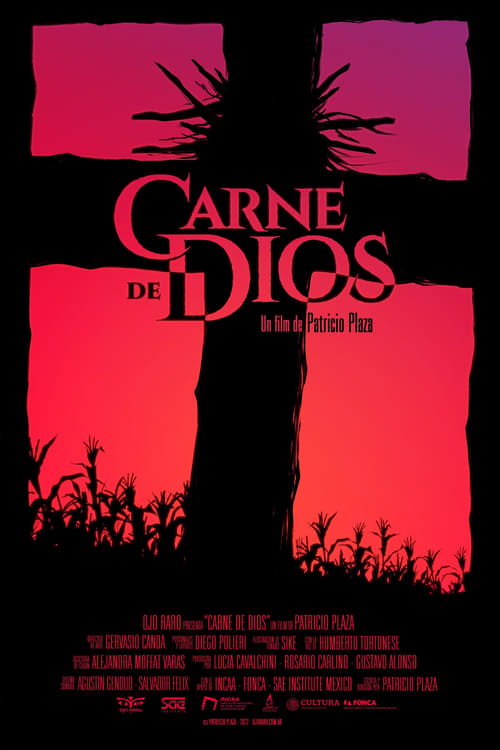
The 17th century. Somewhere in the Mexican mountains, a Catholic friar who has fallen victim to a strange disease is carried by his native disciple to the home of an indigenous healer. The old woman will try to cure him by performing an ancient ritual that will have unexpected effects in the body and mind of the evangelist.
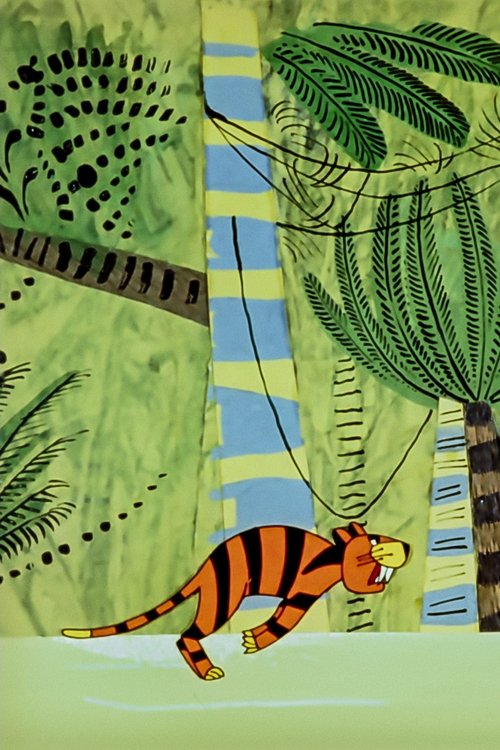
Two twinlike women who live in the Stone Age want to wear the clothes that are all the rage. Birds on their heads, tigers on their shoulders and a fast crocodile as a means of transport –these are the challenges that men have to face.