Alejandro Aguirrebent
as
Diego Aroza
Edgardo Desimone
Néstor Gianotti
José Luis González Prieto
Luciano Guglielmino
Victoria Parada
Ana Clara Schauffele
Paola Tzivelecom
Purehearted teen Lazzaro is content living as a sharecropper in rural Italy, but an unlikely friendship with the marquise’s son will change his world.
Shun and Nagisa first meet and fall in love during their first year of high school. While Shun is graduating from university, Nagisa tells him that he doesn't see a future for them. Despite Shun's strong feelings, they go their separate ways. Years later, Shun is now a store owner, living alone in a rural area. Out of the blue, Nagisa arrives with his six-year-old daughter, Sora. Spending time together, Shun realizes he still harbors feelings for Nagisa. Can Nagisa reconcile with his feelings for Shun, which have been there all along?
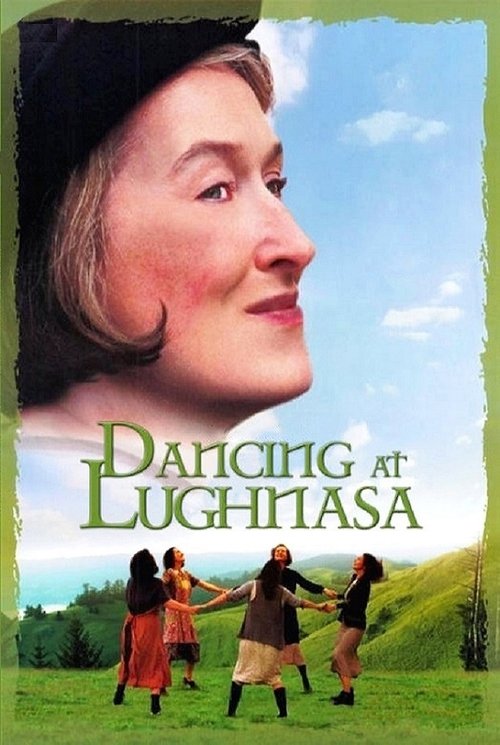
The lifelong friendship of two rural Irish girls is put on the test when they grow up and leave for the big city, each with different life goals in mind.
Johan and Anna-Karin have been a couple for years but despite many attempts, Anna-Karin doesn't get pregnant. A visit to a fertility clinic shows why: Johan's sperm quality is too low. Johan is waiting to take over his father's farm, but what's the point if they can never have children? The news also puts a strain on their relationship since Anna-Karin desperately wants to be a mother.
In the wake of the social unrest caused by the 1923 Great Kanto Earthquake, two female sumo athletes, Kiku and Tokachi, and an anarchist group called the Guillotine Society, spark an unlikely connection.
World War II, 1940. When the Nazi hordes invade and occupy Great Britain, the English citizens are soon divided between those who choose to submissively collaborate and those who are willing to fight.
Mbeu Yosintha was made to help farmers and rural communities cope with the effects of climate change and in particular the ever changing rain patterns in South East Africa. The film is a drama using local actors and was devised with Malawian writer Jonathan Mbuna following extensive research with various agricultural NGOs in Malawi. Following successful drama like Mawa Langa this film has already been seen in Malawi by over 10,000 people in rural areas using a pedal-power cinema kit.
Poignant stories of homelessness on the West Coast of the US frame this cinematic portrait of a surging humanitarian crisis.
Southern Gothic tale of a coal miner pushed to his limits for the love of his son.
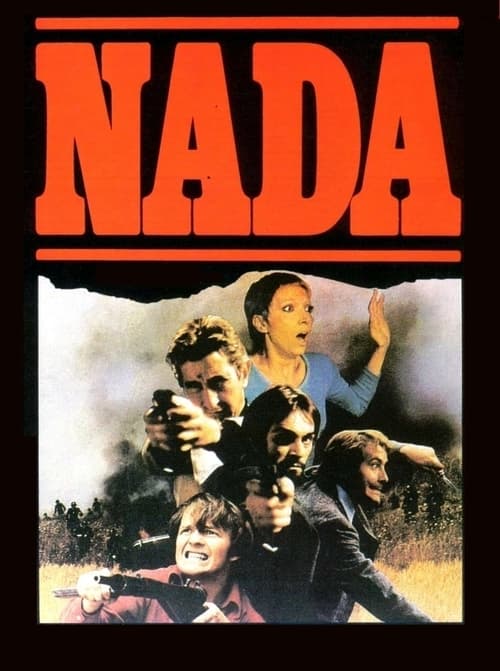
At the outbreak of the Spanish Civil War, the nun Maria is forced to flee her convent. She takes refuge in a brothel, until it is liberated by a woman's anarchist group. Maria joins the group and eventually goes to the front. The women's group faces the problems of fighting not only the nationalists, but also factions on the left seeking to impose a more traditional military structure.
Twenty years ago, three men set out on the longest walk of their lives. They vowed to repeat the walk, but this time they are joined by a forty year old wife and mother who is in the midst of a mid-life crisis.
Mario Moreno portrays a professor in this movie. A small town in the middle of no where requests the school Mario Moreno is working in for a teacher. He ends up going to give the town a hand. When he arrives he comes to know the corrupt leaders who through out the movie try to make him leave. Although he is being harassed you can see how much he cares for the kids and their circumstances. He deals with problems by using his hilarious comments.
Upon taking a new job, young lawyer Rick Hayes is assigned to the clemency case of Cindy Liggett, a woman convicted of first degree murder and sentenced to death. As Hayes investigates the background for her case, the two begin to form a deep friendship, while the date for her execution draws nearer.
From the 17th floor of an office building, Pierre is staring out a colleague that is here for hours.
While bicycling through the Spanish countryside, Walter, the aimless young son of a doctor, makes the acquaintance of proper, middle-aged, clumsy and secretive Lila. He falls in love with her, but she is resistant.
The lives of 7 friends in a small Czech town from 1945 to some time after 1958.
Fictionalized from a true story, this docu-drama takes us on a journey through Brazil's Mato Grosso do Sul and into the lives of Brazilian gauchos. Beautifully shot landscapes form the backdrop for a simple story of friendship and tolerance between Govinda and John, as Govinda explores his attraction to his fellow cowboy.
In the harsh post-war years' Catalan countryside, Andreu, a child that belongs to the losing side, finds the corpses of a man and his son in the forest. The authorities want his father to be made responsible of the deaths, but Andreu tries to help his father by finding out who truly killed them. In this search, Andreu develops a moral consciousness against a world of adults fed by lies. In order to survive, he betrays his own roots and ends up finding out the monster that lives within him.
Kharkiv, the 1930s. The heyday of Ukrainian art. Ambitious young poet Vladimir Akimov happily settles in at the new luxury "Slovo" House built specifically for artists. He comes from the provinces and works as a proof-reader in a printing press, and has never even dreamed of living under one roof with prominent Ukrainian writers and artists. He thinks his own poetry is genius, but nobody takes his literary efforts seriously, not to mention the occasional chuckles over his epigone poems. But fate smiles at him. The head of the political intelligence agency suggests that he become the author of a play written earlier. Akimov agrees, signing a non- disclosure note. The poet has no idea what price he will pay for this success. “‘Slovo’ House” is a story about a generation of Ukrainian artists persecuted by the totalitarian system, unfolding against the backdrop of one of the largest genocides of the 20th century: the Holodomor, which caused the death of almost 7 million people.