The wolf of British Columbia is on a quest to master water, fishing and swimming. According to several specialists, the wolf is at the first stage of a process that could turn it into a marine mammal. How will its evolution unfold?
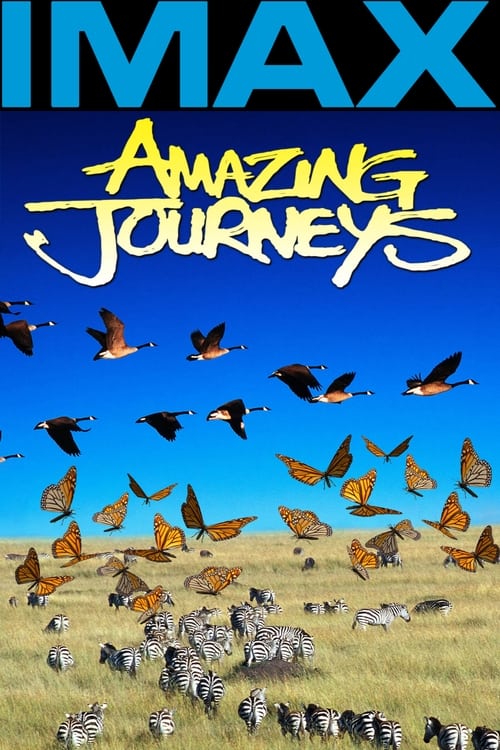
Ewan McGregor narrates a captivating portrait of wild Shetland and traces the course of a breeding season as the animals on these remote islands battle for survival.
The World's Biggest and Baddest Bugs, follows host Ruud Kleinpaste, as he embarks on an entomological odyssey around the globe in search of the ultimate biggest and "baddest" creepy crawlies. The World's Biggest and Baddest Bugs will then profile the "stars" of the show, with Ruud explaining in his audience-friendly style exactly what makes them so amazing.
The White Planet or in French, La Planète Blanche, is a 2006 documentary about the wildlife of the Arctic. It shows interactions between marine animals, birds and land animals, especially the polar bear, over a one year period. The fragility of the Arctic is hinted at as a reason to prevent climate change. It was nominated for the Documentary category in the 27th Genie Awards in 2007.
In a town on the edge of the Canadian Arctic, polar bears are waiting longer for the sea ice on the bay to form. It's a dangerous change for a place known as the polar bear capital of the world.
In a wild and windswept corner of Australia, acclaimed film-maker Simon Plowright spends a year living with the iconic but endangered marsupial, the Tasmanian Devil.
Disneynature's international team of filmmakers travel to the mountains of China to find and film the elusive snow leopard on the highest plateau on Earth, while enduring brutal weather and unsettled terrain.
Bora Bora is the most popular destination in French Polynesia, certainly because of its lagoon, considered the most beautiful lagoon in the world. In this context, the islet could have sunk under concrete and pollution, and the reef could have been irreparably impacted. However, thanks to the will of a handful of inhabitants including the mayor of the island, Bora Bora is today a model of sustainable development, with water treatment technologies that are 15 years ahead of France, programs to rebuild corals and protect wildlife, educational actions and the rehabilitation of Polynesian traditions such as “rahui” and the establishment of a monitoring network using new technologies. All of this makes the island a veritable open-air laboratory that shows the way for all tropical coastal environments around the world.
Home is where we grow up or settle permanently. And this home is always shaped by nature. Today, we human beings change and shape this more than any law of nature. HEIMAT NATUR is a visually stunning journey through the nature of our homeland, from the peaks of the Alps to the coasts and the depths of the North and Baltic Seas. In between is a cinematic foray through steaming forests, shimmering moors, over rose-blossoming heaths and the colorful cultural landscape around our villages and towns. In extraordinary images this nature is shown from its most beautiful side, examining the state of the native habitats. Slow-motion and time-lapse photography as well as intimate shots of familiar and unfamiliar species, some filmed for the first time, making the film a cinematic nature experience for the whole family.
There is a fabulous colony of Greater Horseshoe Bats in the heart of the Camargue. This species of bat is one of the most amazing. A true little clown equipped with the very latest biological technologies, the Greater Horseshoe Bat is as rare as it is mysterious. "The life of a Greater Horseshoe Bat" invites you to share the life of a young female and her mother, for better or for worse...
The ultimate icons of the polar wilderness able to withstand the harshest environments and remain a top predator; the lives of polar bears are nothing short of remarkable!
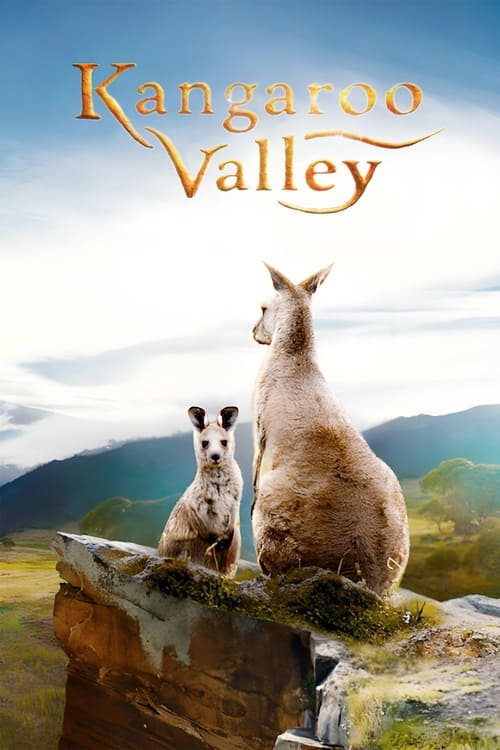
Journey to a secret valley in Australia, where a nervous baby kangaroo named Mala faces hungry dingoes and winter snows in this coming-of-age adventure.
Surrounded by war-torn nations, the wilds of Gabon may be the last best hope for many of Africa's species.
Wildlife photographer Steve Winter and cameraman Bertie Gregory capture the lives of jaguars in the Pantanal of Brazil; a mother jaguar teaches her cub how to survive, while a male jaguar dives headfirst into a river to tackle a six-foot-long caiman.
A well-preserved mammoth carcass is found in the remote New Siberian Islands in the Arctic Ocean, opening up the possibility of a world-changing “Jurassic Park” moment in genetics.
Science Breakthroughs: Homo Naledi Discovered in 2013, new and puzzling finding of small-skulled fossils of Homo Naledi has scientists trying to understand whether Homo Sapiens lived at the same time as Homo Naledi, and how Homo Naledi communities may have lived.
In 200,000 years of existence, man has upset the balance on which the Earth had lived for 4 billion years. Global warming, resource depletion, species extinction: man has endangered his own home. But it is too late to be pessimistic: humanity has barely ten years left to reverse the trend, become aware of its excessive exploitation of the Earth's riches, and change its consumption pattern.
David Attenborough investigates the remarkable life and death of Jumbo the elephant - a celebrity animal superstar whose story is said to have inspired the movie Dumbo. Attenborough joins a team of scientists and conservationists to unravel the complex and mysterious story of this large African elephant - an elephant many believed to be the biggest in the world. With unique access to Jumbo's skeleton at the American Museum of Natural History, the team work together to separate myth from reality. How big was Jumbo really? How was he treated in captivity? And how did he die? Jumbo's bones may offer vital clues.
The critically important work by renowned naturalist Claudine Andre to save the endangered bonobo apes of the Congo is presented in this visually stunning feature film.
Throughout the course of the Haida basketball season, leaders of iconic rez ball team the Skidegate Saints compete for two titles - defending their All Native Basketball Championship, while also battling for title to their land and waters with the government that stole it from them with the Indian Act.