A well-preserved mammoth carcass is found in the remote New Siberian Islands in the Arctic Ocean, opening up the possibility of a world-changing “Jurassic Park” moment in genetics.
Peter Grigoriev
as
George Church
Spira Sleptsov
Hwang Woo-suk
Shimon Volpert
Zurich-born Hugo Koblet was the first international cycling star of the post-war period. He was a stylist on the bicycle and in life, and a huge heartthrob. Koblet had a meteoric rise and won the Giro d'Italia in 1950. Once he had reached the zenith of his career, Koblet was put under pressure by overly ambitious officials and ended up ruining his health with drugs. In 1954, he married a well-known model and they became a celebrity dream couple. After his athletic career ended, Koblet began to lose his footing. Threatened by bankruptcy, he crashed his Alfa into a tree.
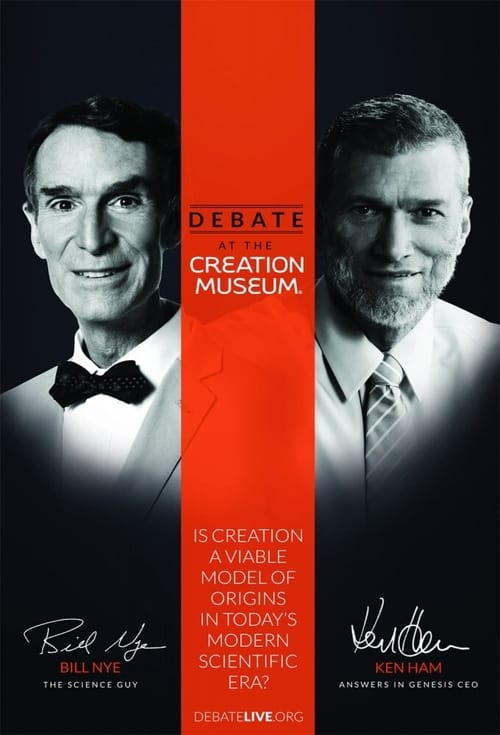
Bill Nye and Ken Ham debate whether creation is a viable model of origins in today's modern scientific era.
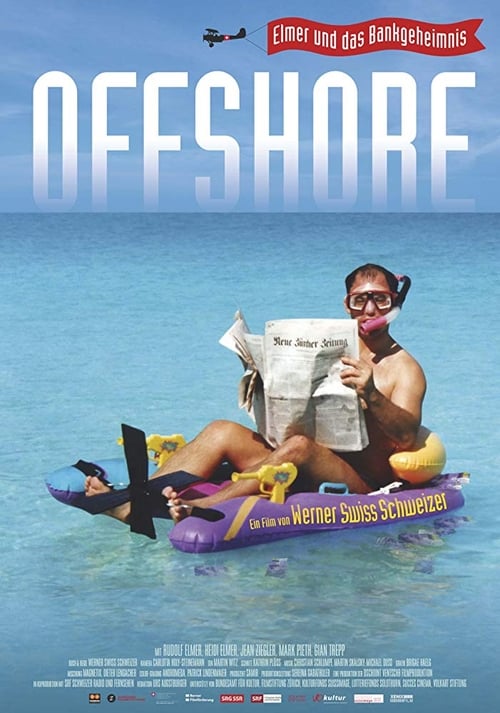
While managers of Swiss banks in the USA ruefully apologize for their tax evasions practices and customer data is disclosed to the American authorities, Rudolf Elmer, former auditor at bank Julius Bär, is indicted for violating the Swiss banking secrecy law on the Cayman Islands. Rudolf Elmer: from insider to critic.
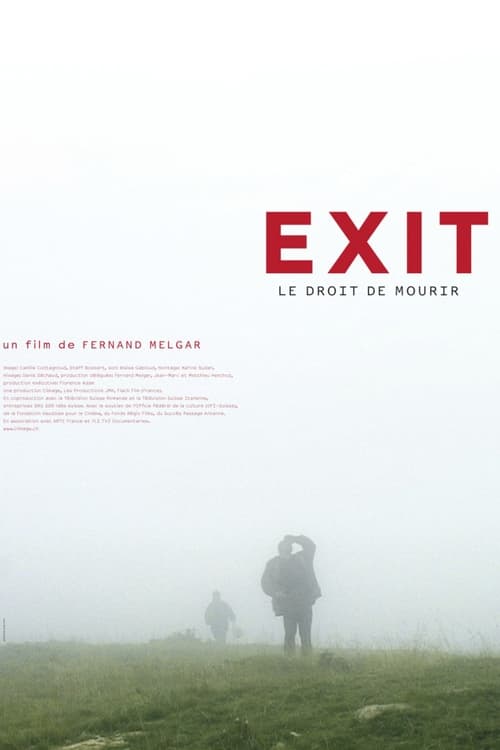
Switzerland is presently the only country in the world where suicide assistance is legal. Exit: The Right to Die profiles that nation's EXIT organization, which for over twenty years has provided volunteers who counsel and accompany the terminally-ill and severely handicapped towards a death of their choice.
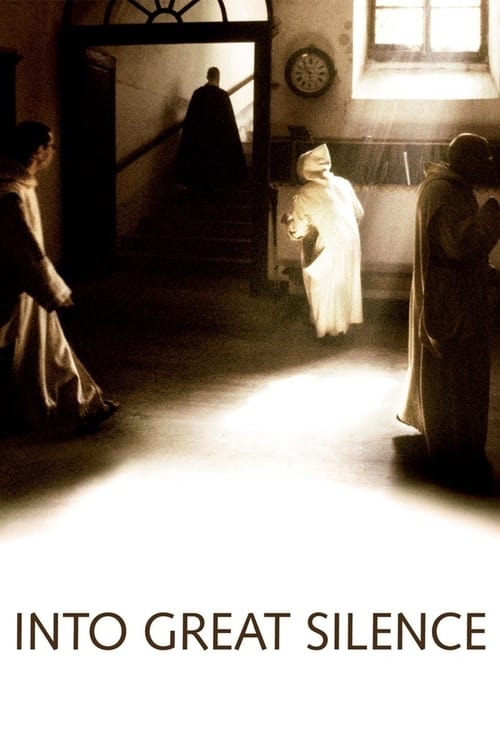
An intimate portrayal of the everyday lives of Carthusian monks of the Grande Chartreuse, high in the French Alps (Chartreuse Mountains). The idea for the film was proposed to the monks in 1984, but the Carthusians said they wanted time to think about it. The Carthusians finally contacted Gröning 16 years later to say they were now willing to permit Gröning to shoot the movie, if he was still interested.
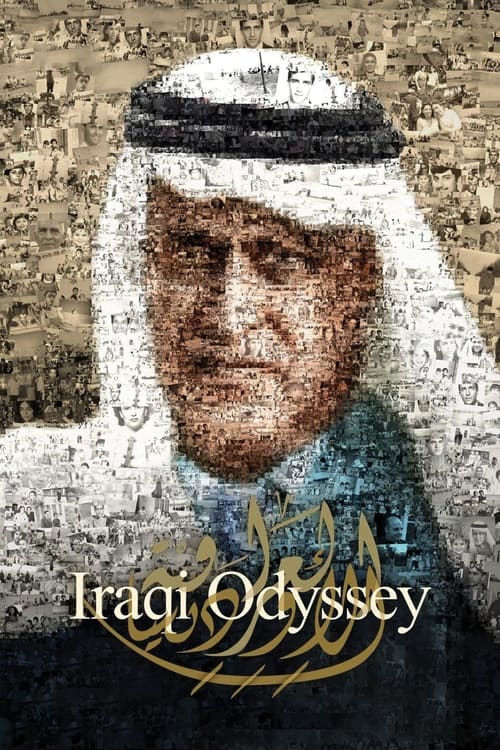
Tracing the emigrations of his family over more than half a century, this riveting documentary epic from acclaimed expatriate Iraqi filmmaker Samir pays moving homage to the frustrated democratic dreams of a people successively plagued by the horrors of dictatorship, war and foreign occupation of Iraq.
Women bring children into the world. But when, as in the case of Sandra, Jasmine and Jennifer, you're not yet eighteen and your belly is starting to round out, that's when people look at you sideways. And once the baby's here, life with a child is a far greater challenge than we ever imagined in our rosy teenage dreams. A long-term study of three very young mothers, their children and their fathers. A film about their first great love, their professional futures and their dreams for the future.
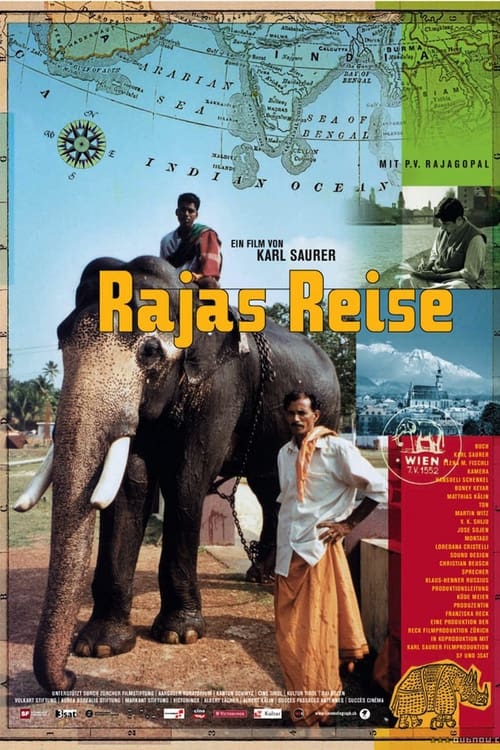
The film traces the mysterious story of the Indian elephant RAJA, who was sent on an adventurous journey from the forests of Kerala to Vienna around 1550, via Lisbon. Gandhi activist P. V. Rajagopal's explorations along the route uncover surprising facts and awaken fascinating associations. We witness the capture of the little elephant, its training, its work in the forest and its performances at temple festivals - until it is chosen as a status symbol by European rulers. A story of appropriation that continues to this day.
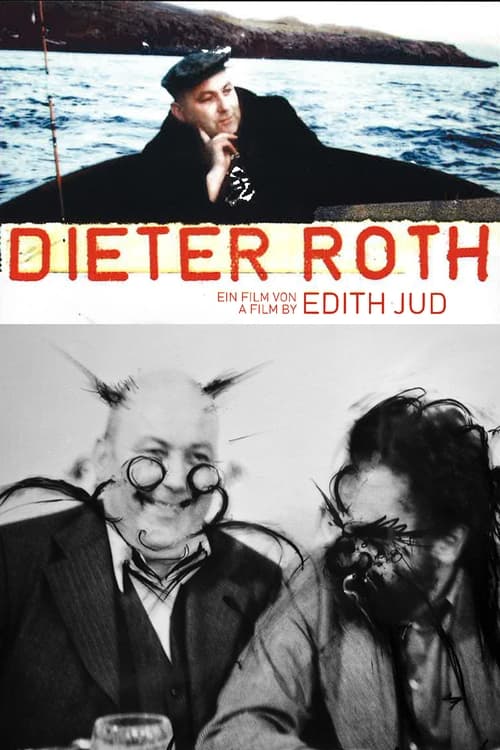
Dieter Roth was an artist who combined art and life in a unique way. He painted, drew, printed, wrote, filmed and made music. He created his own universe in which he turned all materials, no matter how banal or ephemeral, into art. The film "Dieter Roth" is conceived as an inner and outer journey, just as Dieter Roth lived, worked, taught, learned, loved and suffered while traveling. The starting point is his works, including videos and films in which he himself acts - friends and companions will also accompany this cinematic journey, above all his son Björn, who has worked with him for the last 20 years.
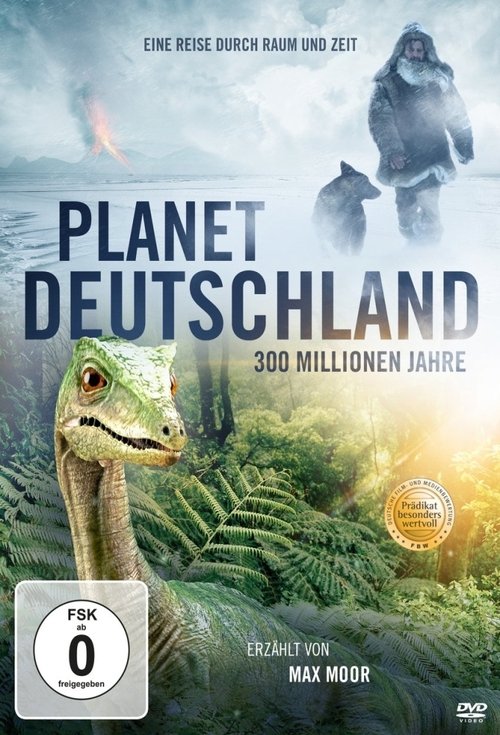
Documentary tells the story of Germany's origins from the Carboniferous period to the present day. It leads from the highest Alpine peaks to the rugged North Sea coasts - from the craters of the Eifel to the river labyrinth of the Spreewald. Back then - around 300 million years ago - giant dragonflies, for example, buzzed through dozens of meter-high fern forests. In the course of the Earth's history, however, we also encounter dying dinosaurs, meet rhinos and elephants on the Rhine and come across what is probably the first human in Heidelberg. Later, the Neanderthals appear and suddenly disappear again - for reasons that are still unknown. And finally, modern humans gradually spread and began to shape their environment.
An African narrator tells the story of earth history, the birth of the universe and evolution of life. Beautiful imagery makes this movie documentary complete.
In May of 1982 Julio Cortázar, the Argentinean writer and his companion in life, Carol Dunlop set out in their VW bus on a journey along the highway from Paris to Marseille that, for each of them, was to be their final one. Twenty-five years later, Océane Madelaine and Jocelyn Bonnerave set out to undertake the journey again.
Earth teems with a staggering variety of animals, including 9,000 kinds of birds, 28,000 types of fish, and more than 350,000 species of beetles. What explains this explosion of living creatures—1.4 million different species discovered so far, with perhaps another 50 million to go? The source of life's endless forms was a profound mystery until Charles Darwin brought forth his revolutionary idea of natural selection. But Darwin's radical insights raised as many questions as they answered. What actually drives evolution and turns one species into another? To what degree do different animals rely on the same genetic toolkit? And how did we evolve?
In this two-hour special, NOVA captures the turmoil that tore apart the community of Dover, Pennsylvania in one of the latest battles over teaching evolution in public schools. Featuring trial reenactments based on court transcripts and interviews with key participants, including expert scientists and Dover parents, teachers, and town officials, "Judgment Day: Intelligent Design on Trial" follows the celebrated federal case of Kitzmiller v. Dover School District.
MUHAI TANG – IN THE OCEAN OF MUSIC is a portrait of Chinese conductor Muhai Tang’s extraordinary life. Born in 1949, the founding year of the People’s Republic of China, and raised during the Cultural Revolution, it seemed as if he would have to abandon his dream of a career in music. However, his talent, perseverance and the support of Herbert von Karajan ultimately brought him to the world’s concert halls. Today, Muhai Tang is a global nomad. A wanderer between the worlds which he unites with music. His personal history, interspersed with historical caesurae, is typical for Chinese of his generation. He gained access to western culture early on through music. Muhai Tang’s life and work are exemplary of a changing China and the enrichment of the world by an artist between East and West.