In our 3-year marriage, we have fought on every holiday, on parents' birthdays, during ancestral rituals, and even on Christmas. We argue all the time. The tension between my wife and my mother is killing me.
Kim Jin-young
as
Cho Kyung-sook
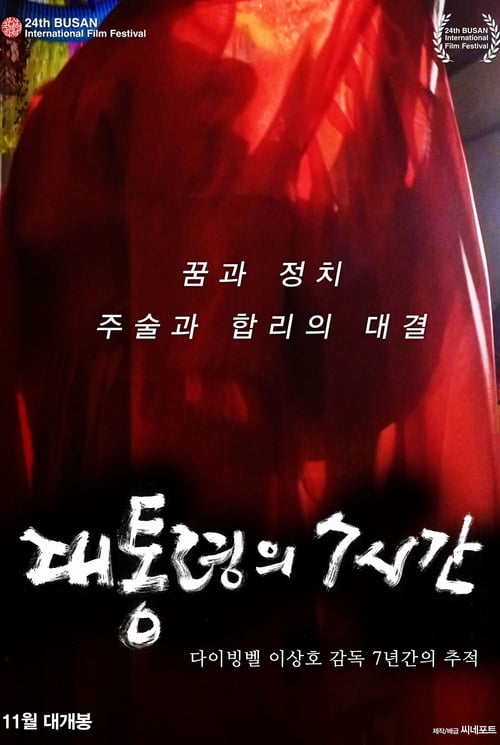
The film traces PARK Geun-hye's life back to the 1970s, when the leader-follower relationship began between PARK, who became the first lady of the Yushin regime, and CHOI Taemin, the leader of a pseudo-religion. It then examines the Sewol ferry incident, CHOI Soonsil Gate, candlelight rallies, and finally the impeachment.
The film describes the microcosmos of the small village Wacken and shows the clash of the cultures, before and during the biggest heavy metal festival in Europe.
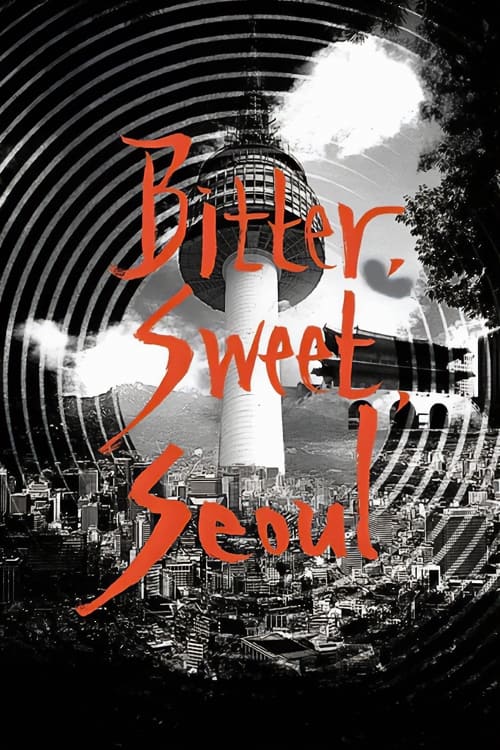
Over 98 days from August 20th to November 25th 2013, 2821 people from around the world sent 11,852 video featuring many different faces of Seoul. 154 were selected, edited, and made into a movie.
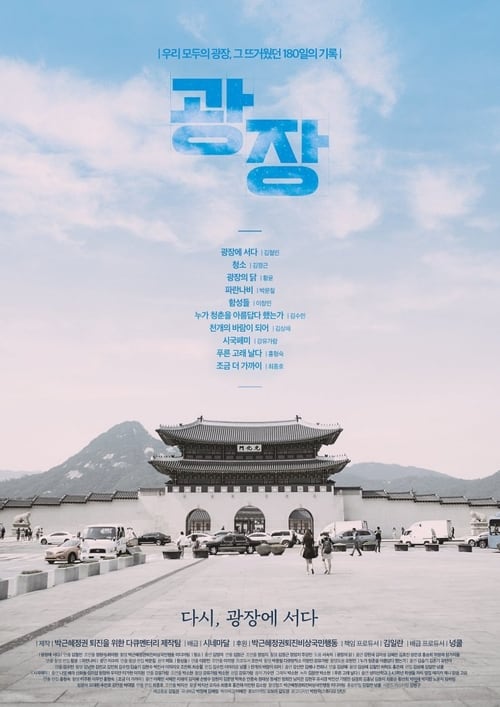
Project 1 _ Hong Hyung-sook The children who are enthusiastically painting and cutting a doll. What stories will be told at the Square? - Project 10 _ Kim Jeong-geun The janitorial worker from the Busan Subway Station, Kim Young-ja talks about how she hopes to see a clean world, just like how she cleans everywhere in the subway.
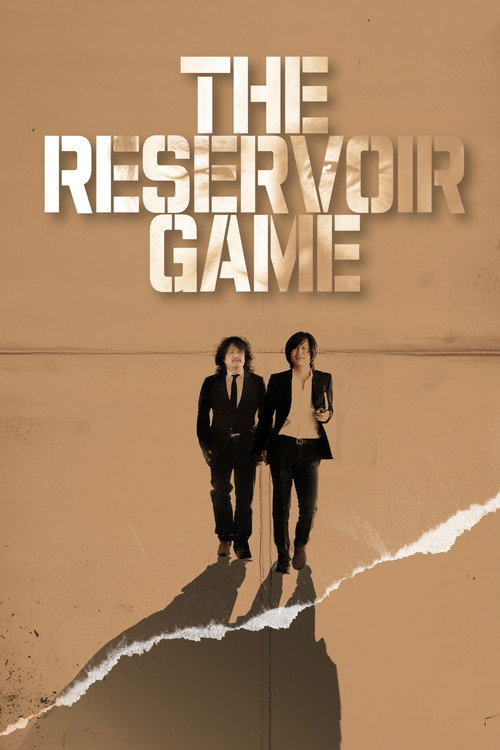
An investigative reporter seeks to expose the whereabouts of a slush fund belonging to the former president of South Korea, Lee Myung-bak.
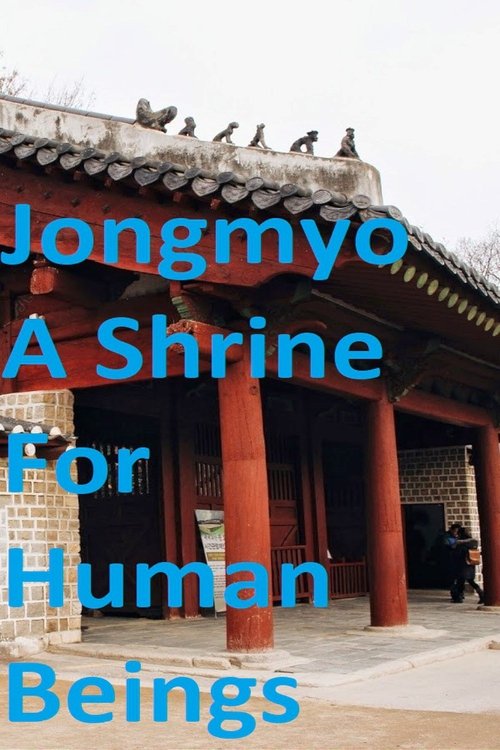
Jongmyo is the royal ancestrial shrine of the Josecon Dynasty. Considered as one of the most sublime and moderate architecture of the Joseon Dynasty. Jongmyo was designated as World Heriage by UNESCO in 1995.
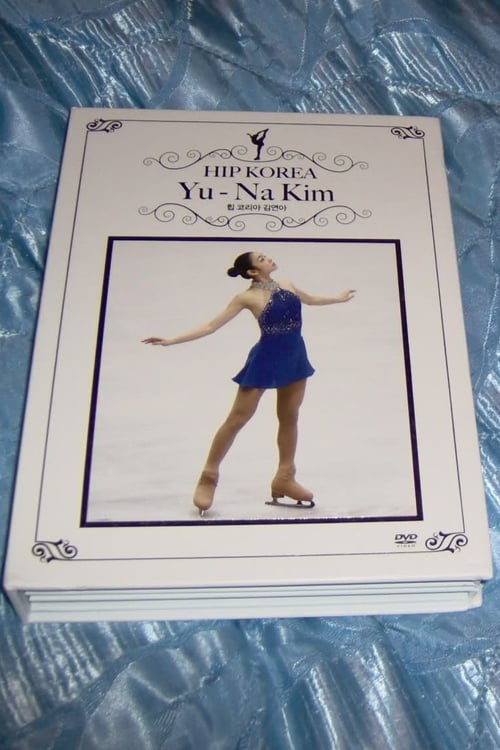
STEP INTO THE RINK WITH YU-NA KIM AS SHE AIMS TO MAKE HISTORY AS ONE OF THE WORLD'S GREATEST FIGURE SKATERS
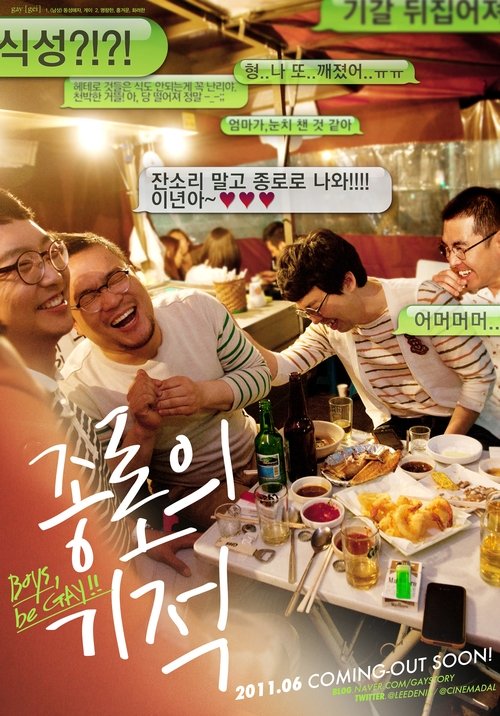
A story about 4 gay men who try to lead a normal life in Korea, the conservative and harsh country for LGBT in Asia. In the middle of making a queer film Jun-moon, a director, loses his self-confidence due to social scrutiny regarding his sexual orientation. Byung-gwon, a gay rights activist, has been participating in movements to establish equal rights for homosexual laborers. Young-soo, a chef who moved from the countryside 15 years ago, lived a lonely life but he finds happiness after joining a gay choir. Yol, who works for a major company, dreams of the day him and his partner, can have a legal wedding with overcoming the prejudice against people living with HIV/AIDS.
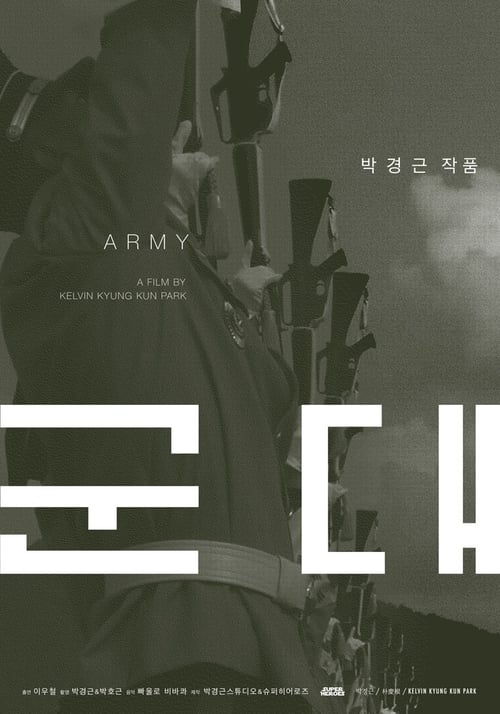
"You belong to the country for the next two years." The film describes Woo-cheol's struggles with becoming part of a group while trying to maintain his individuality throughout his military service period. A humorous yet cynical portrait of military groupism.
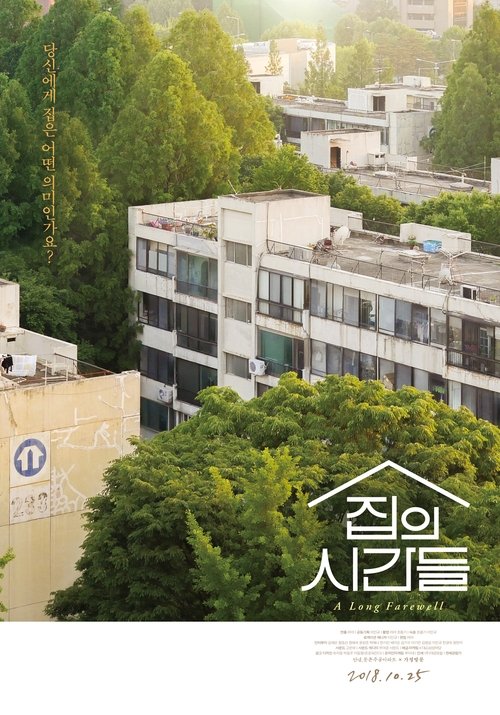
Dunchon Jugong Apts. at the edge of the metropolis, Seoul. It has been over 10 years since discussions of rebuilding these old apartment complexes began. The inhabitants tell us about their soon-to-be-demolished houses and apartments. Some of them have spent long spans of time here and some of them short. Some people are now raising daughters in the house they lived in since their childhood, some families came from other places and struggled to adjust. Each add their different forms of love to this space in their own way. As the long-postponed reconstruction nears reality, the day-to-day scenery of the apartment complexes and households is quietly coming to a close.
Interpreting an event of ROKS Cheonan corvette, torpedoed and sunken by North Korea, this documentary rebuilds the event with a different insight. No one can tell if the investigation of Cheonan has reached compelling conclusion. But the film tells and reveals how unreasonable Korean society is.
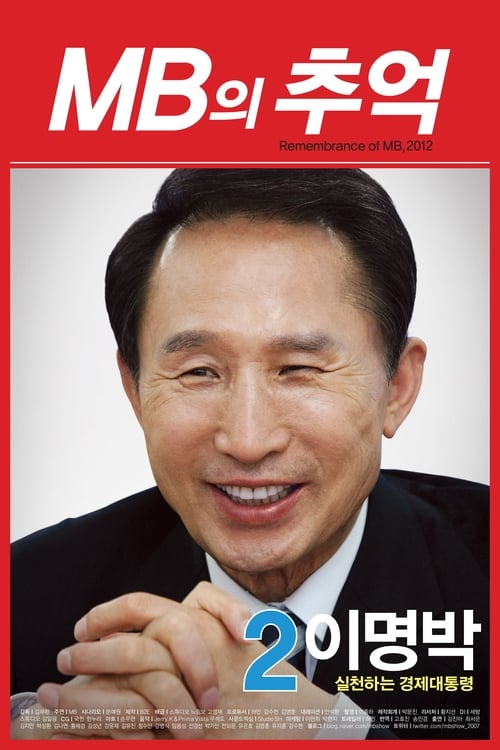
The public yearns for a hero who will solve the economic crisis, and MB bursts onto the scene. However, what made voters excited now makes them disappointed. How the then voters were seen from the MB’s perspective? A political documentary that makes people laugh and cry.
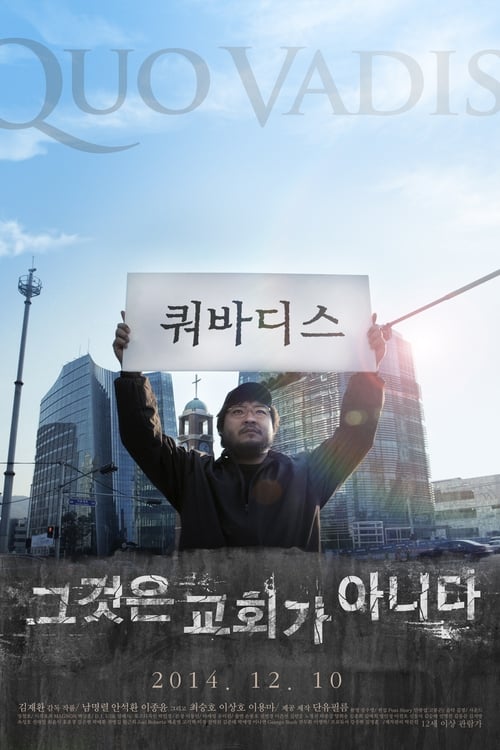
The church is the body of Christ. In Greece, the church embodied a philosophy. Then in Rome, it became an institution. Spreading throughout Europe, it became one with the culture there. Traveling to the US, the church became a business. And when it arrived in Korea, it became a conglomerate. The top five largest churches in the world are located in Korea. However, Christ has long been absent in the nation. So then, what is the church? Who is Jesus Christ? What kind of world do Christians want? If the church is indeed the body of Christ, then we must ask the questions point-blank. Where do we stand in all this? And where exactly are we headed? Korean churches—“Quo Vadis?” Korean society—“Quo Vadis?”
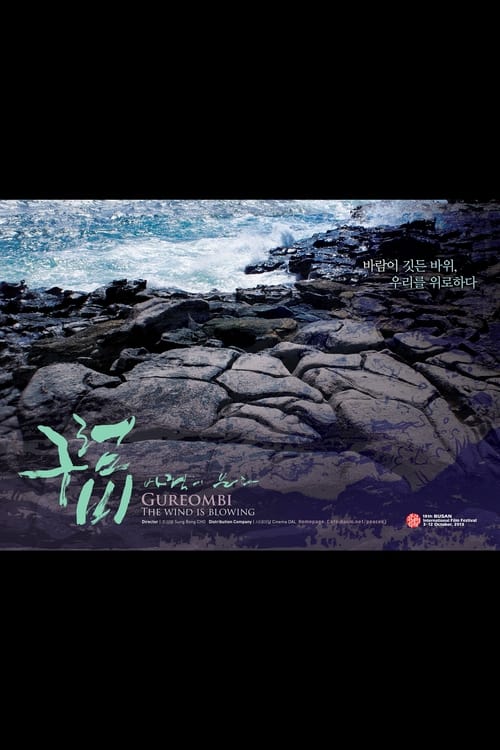
The story of the ancient and sacred Gureombi Rock. The story of the people of Gangjeong Village who rise up against the construction of a US/Korea Naval base on their holy and precious land. The winds of peace, like the winds of Jeju Island, are blowing.
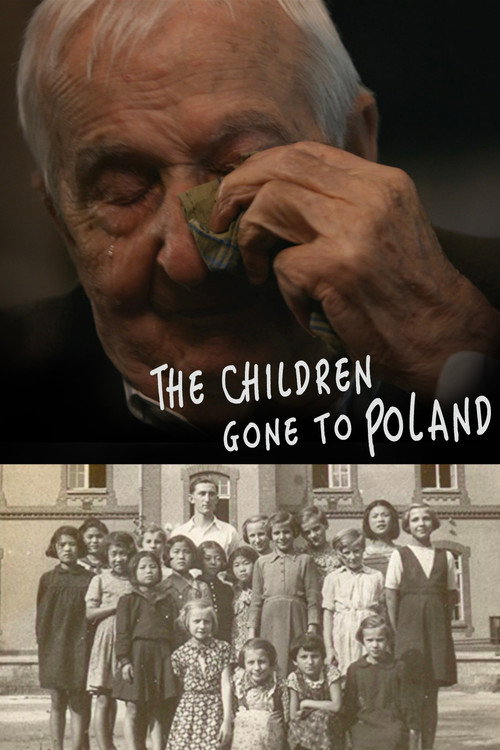
Tracing the footsteps of North Korean orphans who went to Poland during the Korean War, two women, one from the North and the other from the South, bond through the solidarity of wound and forge together a path toward healing.
Documentary on director Kim Ki-Duk looking back at his film career.