Details the German bombing of London the night of the 29th of December, in 1940.
Christopher Fox
as William White
Dilly Barlow
as Herself - Narrator (voice)
Matt Day
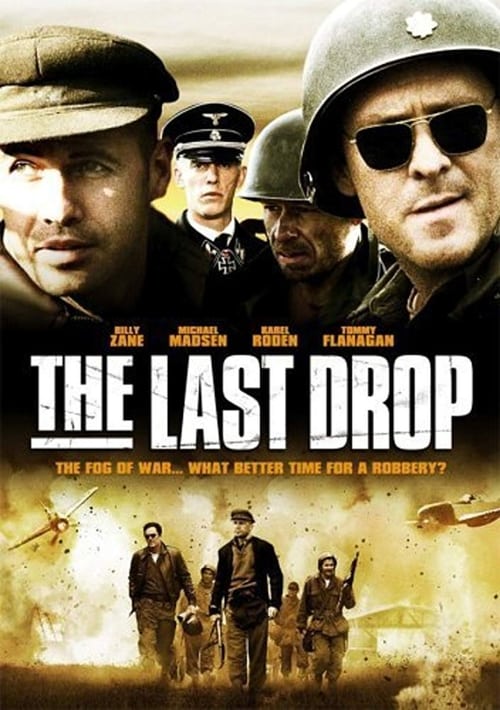
Different factions in WWII-era Holland race to find a stash of Nazi gold.
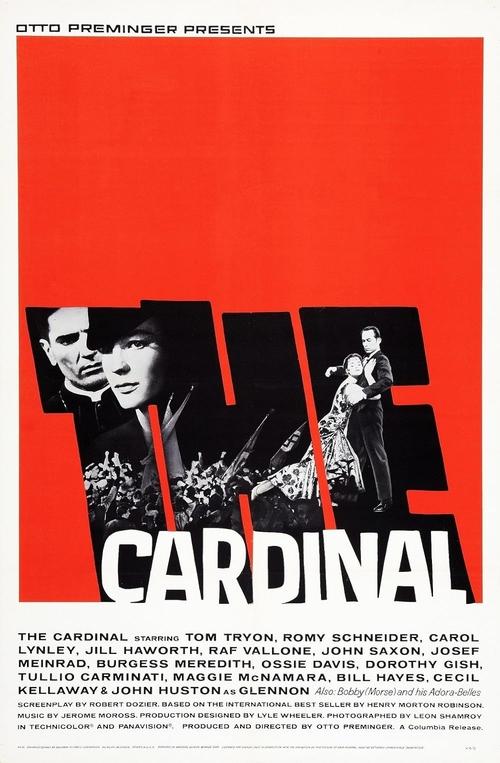
A young Catholic priest from Boston confronts bigotry, Nazism, and his own personal conflicts as he rises to the office of cardinal.
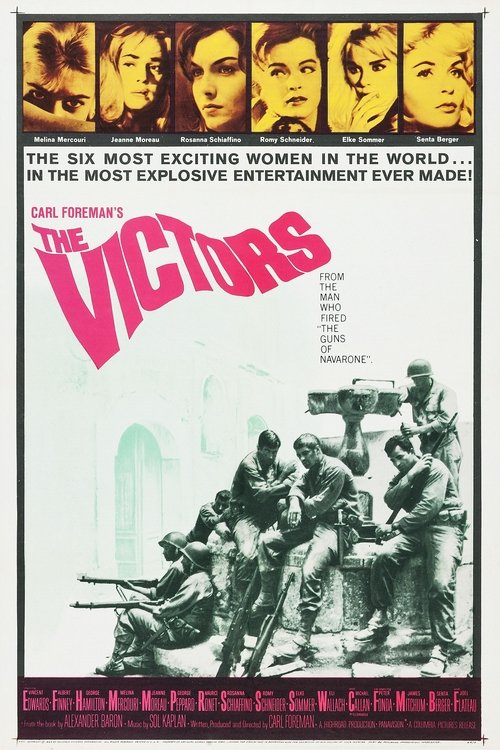
Intercutting dramatic vignettes with newsreel footage, the story follows the characters from an infantry squad as they make their way from Sicily to Germany during the end of World War II.
The German battleship Tirpitz was a constant threat to Allied merchant ships from 1942. On November 12, 1944, the ship was sunk off the coast of Tromsø, where it had been lying damaged since being disabled off the coast of Alta in September 1943. Along with the Bismarck, the Tirpitz was Germany’s largest battleship, and its sinking was a significant blow to German prestige.
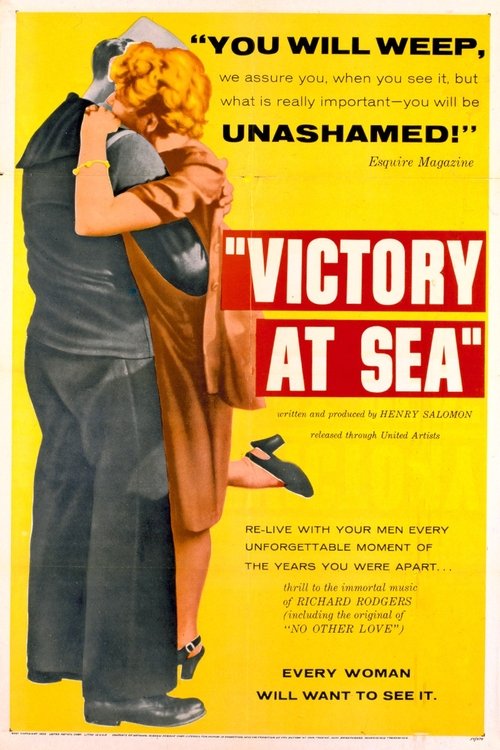
A feature-length, condensed version of the 1952 documentary TV series 'Victory at Sea'.
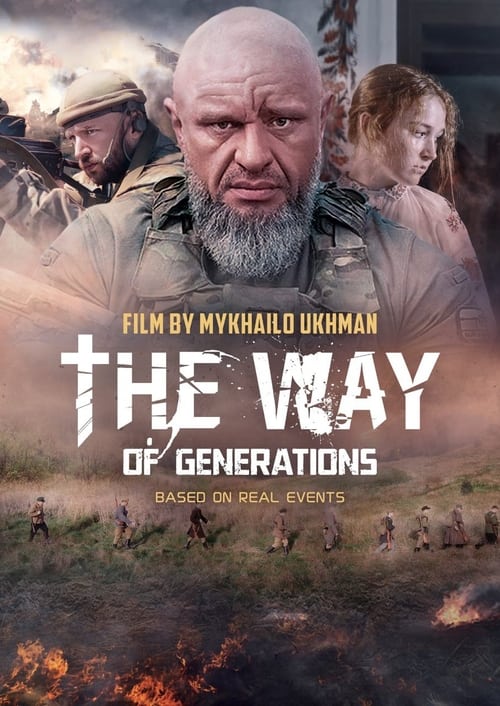
Thi is the story of a Kyiv boy who lives his life believing that the problems of his country do not interest him. However, everything changes when he meets in a dream a Ukrainian warrior who comes to Nazar from the last century. Or maybe it was not a dream?
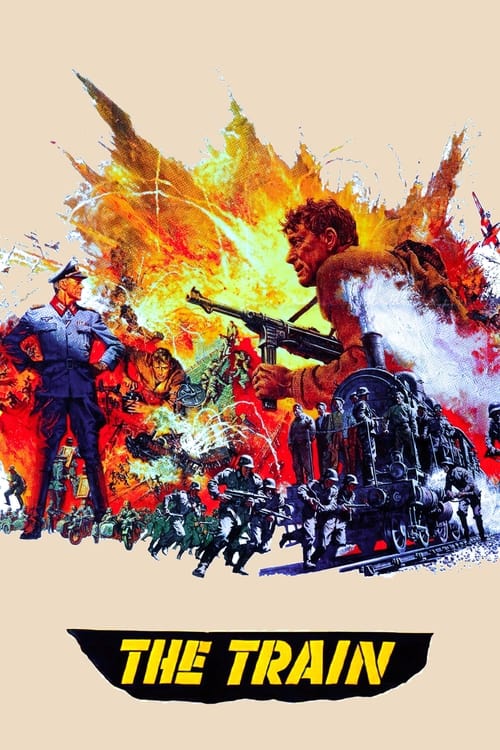
As the Allied forces approach Paris in August 1944, German Colonel Von Waldheim is desperate to take all of France's greatest paintings to Germany. He manages to secure a train to transport the valuable art works even as the chaos of retreat descends upon them. The French resistance however wants to stop them from stealing their national treasures but have received orders from London that they are not to be destroyed. The station master, Labiche, is tasked with scheduling the train and making it all happen smoothly but he is also part of a dwindling group of resistance fighters tasked with preventing the theft. He and others stage an elaborate ruse to keep the train from ever leaving French territory.
In the midst of World War II, the battle under the sea rages and the Nazis have the upper hand as the Allies are unable to crack their war codes. However, after a wrecked U-boat sends out an SOS signal, the Allies realise this is their chance to seize the 'enigma coding machine'.
Israel, 1956: Jewish teacher Rachel Stein rather unexpectedly meets an old friend at the kibbutz. It brings back memories of her experiences in the Netherlands during the war, memories of betrayal. In September 1944, Rachel's hiding place is bombed by Allied troops; she makes contact with a resistance member and joins a group of Jews to be smuggled across the Biesbosch to the freed South Netherlands. Only Rachel escapes a massacre by patrol Germans, and is rescued by a resistance group under the leadership of Gerben Kuipers, whose son is captured trying to smuggle weapons. Kuipers asks Rachel to seduce SS-hauptsturmführer Ludwig Müntze, a mission that she will soon learn that the boat attack wasn't a coincidence.
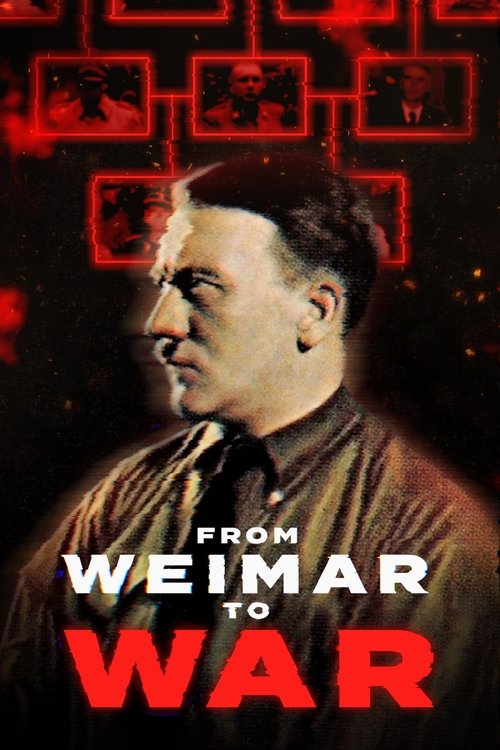
From the fragile democracy of the Weimar Republic to the brutal tyranny of the Nazi regime, this in-depth series explores how Germany's descent into chaos paved the way for Adolf Hitler's rise to power. After World War I, Germany faced economic collapse, political instability, and widespread social unrest, creating the perfect storm for radical ideologies to flourish. Tracing the Nazis' emergence from the fringes of politics to their consolidation of power, the series reveals the pivotal events, propaganda, and policies that reshaped Germany into a totalitarian state.
On March 24, 1944, in the heart of Nazi Germany, 76 British, Canadian, Norwegian and French pilots who were held in Stalag Luft III, a prison camp of the Luftwaffe, escaped. Unique testimony from the last survivors, recreations and today’s digital images sheds new light on the audacious escape.
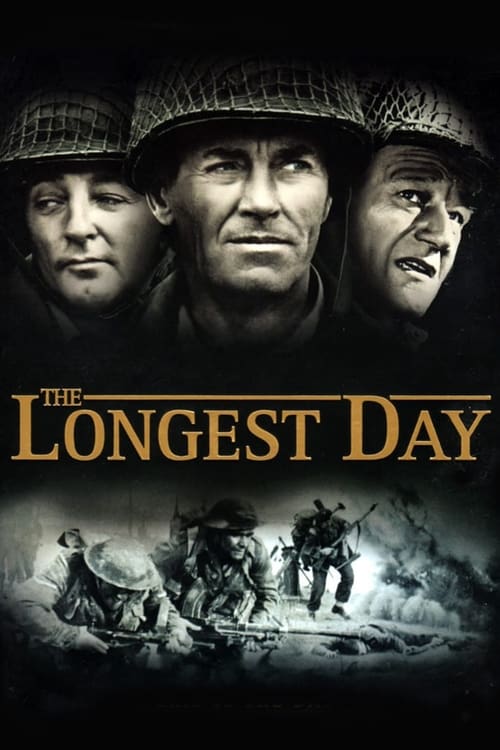
The retelling of June 6, 1944, from the perspectives of the Germans, US, British, Canadians, and the Free French. Marshall Erwin Rommel, touring the defenses being established as part of the Reich's Atlantic Wall, notes to his officers that when the Allied invasion comes they must be stopped on the beach. "For the Allies as well as the Germans, it will be the longest day"
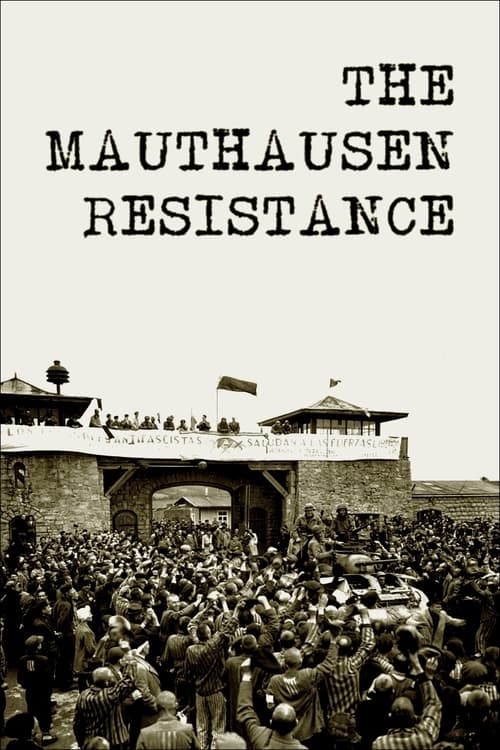
During World War II, the photographer Francisco Boix and other Spanish Republican prisoners of the Mauthausen concentration camp, where 120,000 people died, managed not only to survive their indescribable experience, but also, after the war, to reveal to the world what really happened in that hell, saving from destruction thousands of official photographs taken by the SS.
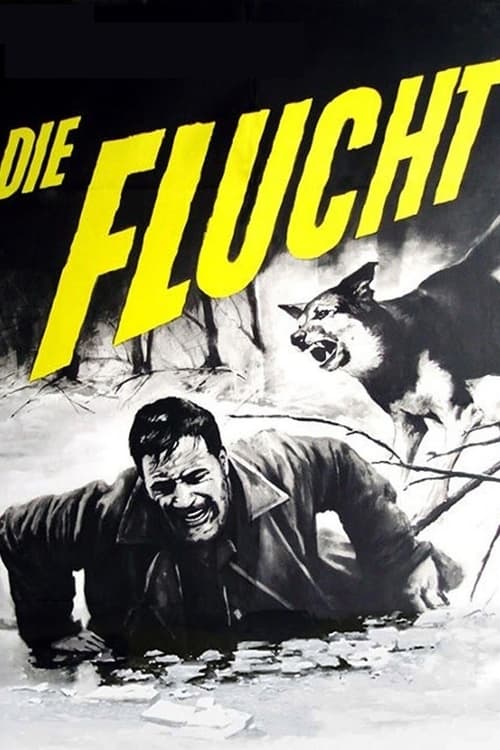
End of the WWII, concentration camp somewhere in Poland. Prisoners have heard that Germans have plans to kill them all, before the Allies come. One of the prisoners escapes, and tries to find the Allies. A manhunt begins.
The Polish city of Łódź was under Nazi occupation for nearly the entirety of WWII. The segregation of the Jewish population into the ghetto, and the subsequent horrors are vividly chronicled via newsreels and photographs. The narration is taken almost entirely from journals and diaries of those who lived–and died–through the course of the occupation, with the number of different narrators diminishing as the film progresses, symbolic of the death of each narrator.
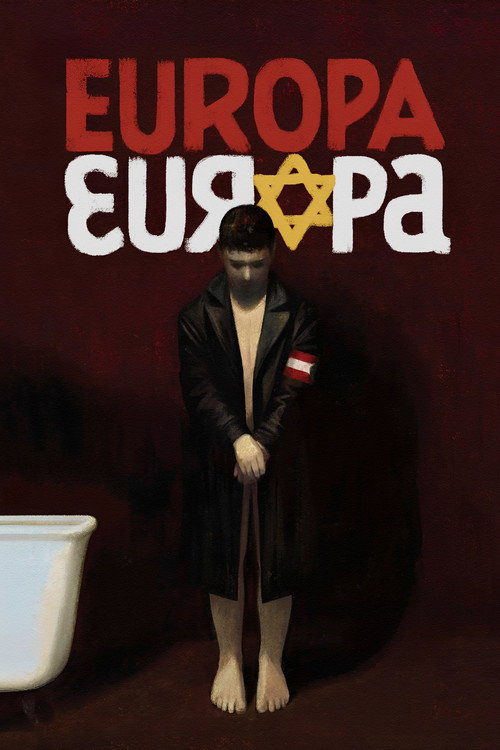
A Jewish boy separated from his family in the early days of WWII poses as a German orphan and is taken into the heart of the Nazi world as a 'war hero' and eventually becomes a Hitler Youth.
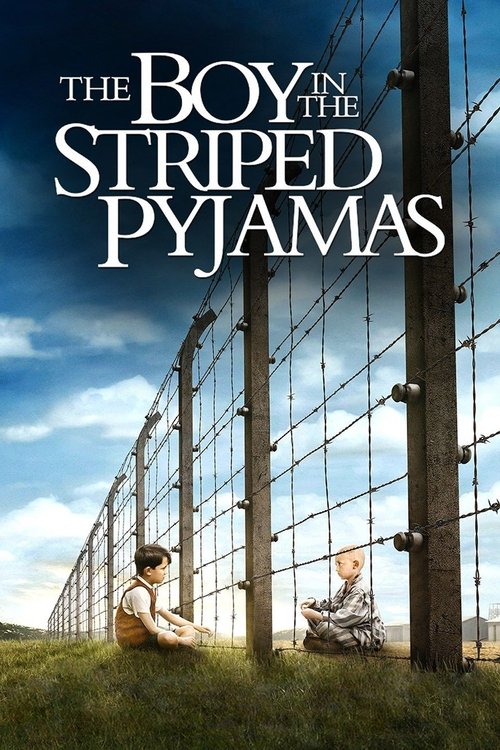
When his family moves from their home in Berlin to a strange new house in Poland, young Bruno befriends Shmuel, a boy who lives on the other side of the fence where everyone seems to be wearing striped pajamas. Unaware of Shmuel's fate as a Jewish prisoner or the role his own Nazi father plays in his imprisonment, Bruno embarks on a dangerous journey inside the camp's walls.