A group of women prisoners have signed up to foster retired racing greyhounds and get them ready for adoption. The prisoners have just eight weeks to transform the dogs into family pets, or the dogs could be euthanised.
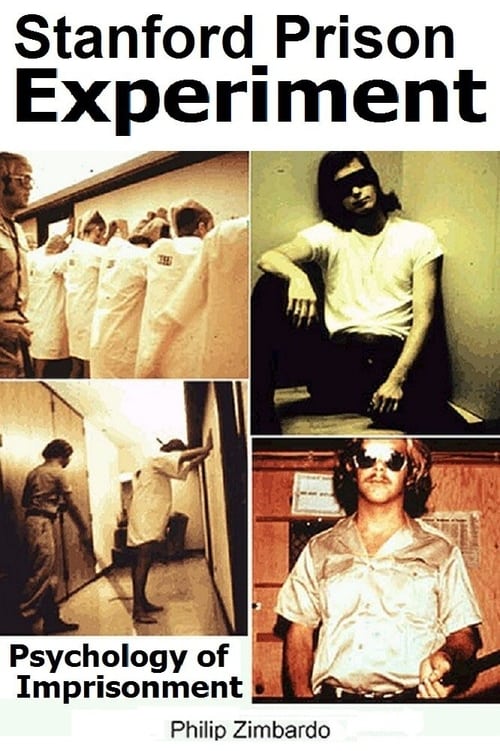
The Stanford prison experiment was a landmark psychological study of the human response to captivity, in particular, to the real world circumstances of prison life, and the effects of imposed social roles on behaviour. It was conducted in 1971 by a team of researchers led by Philip Zimbardo of Stanford University.
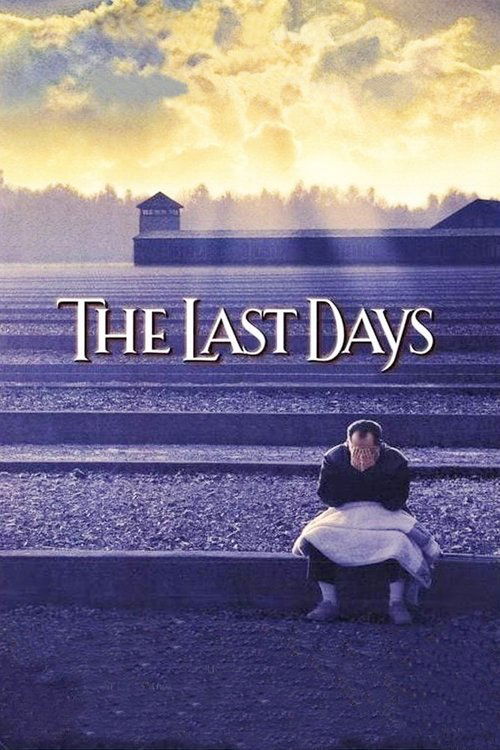
This Oscar-winning documentary recounts the harrowing stories of five Hungarian Jews who endured the horrors of the Holocaust and Hitler's reign.
Investigating the infamous Abu Ghraib scandal, Errol Morris interviews American guards and Iraqi prisoners who were at the military jail before images of prisoner torture emerged in 2004. One female guard, who posed alongside fallen Iraqis in notorious images, tells Morris that her crimes were inspired by her love for another soldier, and another explains why she took photographs of her fellow troops. In the process, Morris suggests that the scandal resulted from systemic flaws in the military.
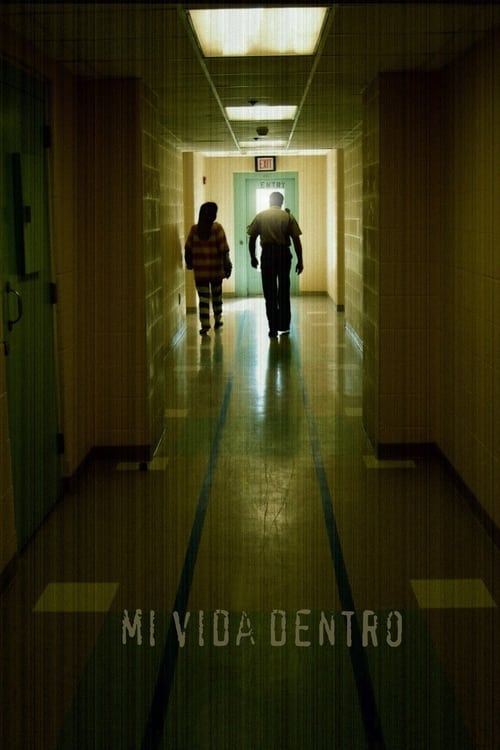
Rosa is a Mexican woman who, at the age of 17, migrated illegally to Austin, Texas. Some years later, she was jailed under suspicion of murder and then taken to trial. This film demonstrates how the judicial process, the verdict, the separation from her family, and the helplessness of being imprisoned in a foreign country make Rosa’s story an example of the hard life of Mexican migrants in the United States.
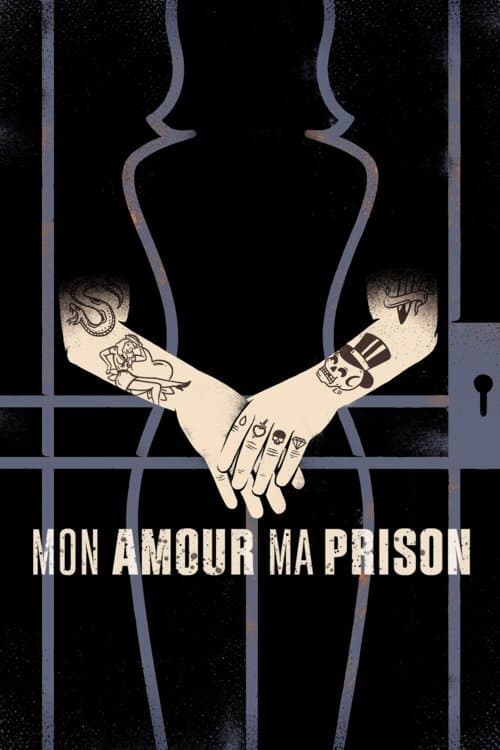
Every year, hundreds of women develop relationships with prisoners. They fall under the charms of killers, petty criminals, rapists and crooks. Most only share a few letters, but some make it all the way to the altar. It is hard to understand what these women expect from a relationship with a convict with a long prison sentence. This documentary takes a look at their lives and the reasons that make them pursue a relationship with a criminal.
SERVING LIFE documents an extraordinary hospice program where hardened criminals care for dying fellow inmates. Narrated and executive produced by Academy Award®-winner Forest Whitaker, the film takes viewers inside Louisiana's maximum security prison at Angola, where the average sentence is more than 90 years.
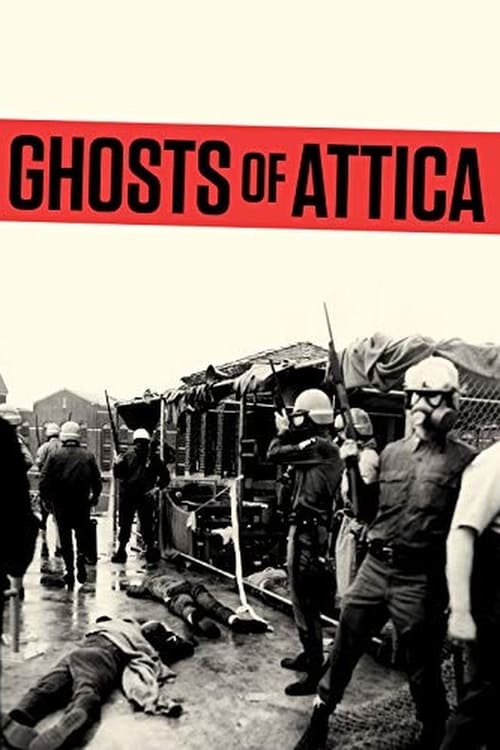
Documentary about Attica prison riot and lawsuits to get compensation for the victims of these events.
Follow the daily lives of several quilters inside the sewing room at South Central Correctional Center, a Level 5 maximum-security prison in a small town two hours south of St. Louis, MO. From design to completion, the men reveal their struggles, triumphs, and sense of pride in creating something beautiful in this windowless, sacred space deep within the prison walls.
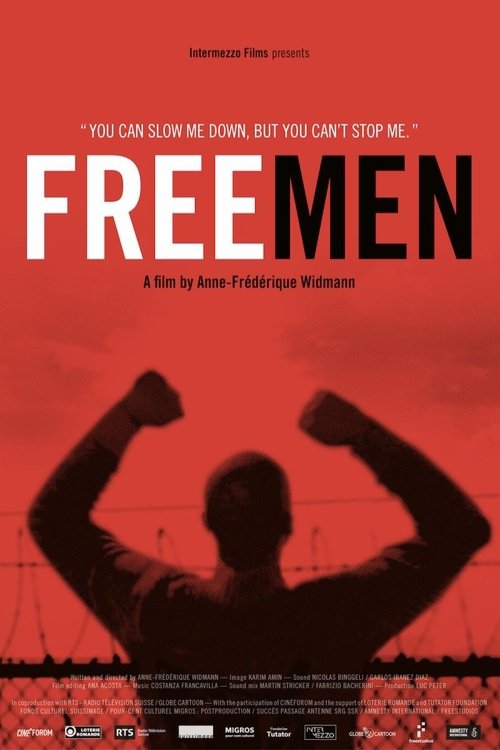
Told through the charismatic voice of inmate Kenneth Reams, Free Men is a film about human resilience. In solitary confinement for the last 25 years, Kenneth has pushed back the walls of his cell to become a painter, a poet, the founder of a non-profit, and an art event organizer - while fighting at the same time for justice. At age 18, Kenneth Reams was convicted for capital murder without firing a bullet. He became the youngest inmate on Arkansas death row. Alongside art, the film shows how love can cross barbed wire and the length of an ocean in Kenneth's love for Isabelle, a French artist who wants to become his wife.
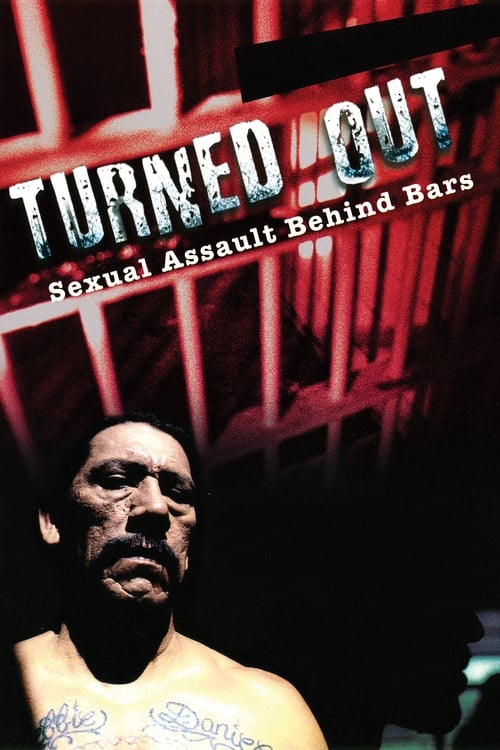
A look beyond the shock and inhumanity of prison rape to the intricate social hierarchy that keeps it alive. A filmmaker goes deep inside Alabama's infamous Limestone penitentiary to uncover the long-term causes and consequences of prison rape. With a startling lack of inhibition, five inmates reveal the workings of an elaborate inner society.
Frequent perpetrator Tony ends up in the Pieter Baan Center after yet another violent robbery. For seven weeks, a procession of behavioral researchers passes him by. They must ultimately come to a unanimous conclusion and then advise the judge: whether or not accountable; tbs or not. Psychiatrist: "What is the worst outcome for you?" Tony: "Tbs with compulsory care." The Pieter Baan Center is a detention center with the special task of investigating persons suspected of a serious crime. It is an independent investigation commissioned by the Ministry of Justice. In a seven-week process, the suspect's personality, the possible presence of a disorder and / or a mental illness and whether it can be linked to the crime are examined. Is there a chance of recurrence?
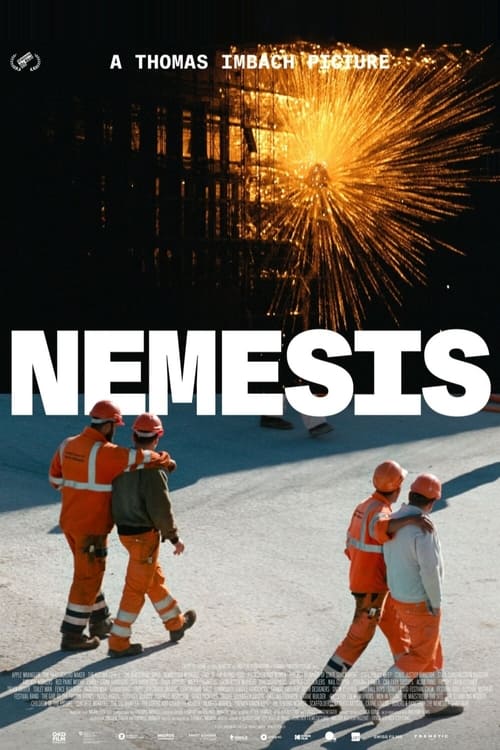
The film explores the destruction of a unique train station in Zurich and the construction of the new prison and police centre in its place. From the perspective of the filmmaker’s window, and with testimony from prisoners awaiting deportation, the film probes how we deal with the extinction of history and its replacement with total security.
Impressionistic glimpses of London life from early morning to rush hour.
In 2016 the largest and most modern prison in the Netherlands, Judicial Complex Zaanstad, opens its doors. New architecture and a new professional modus operandi enhance the efficiency of the complex and increase the responsibility for prisoners and guards. The demanding and versatile work of guards and prison officials gives us an insight into modern prison practices.
Devil worship? Could it be real? Follow up to Devil Worship: Exposing Satan's Underground.
French visual artist-director JR situates his latest social-art intervention in a Southern Californian supermax prison, where he has imagined an enormously ambitious collaboration with the facility’s inmates.
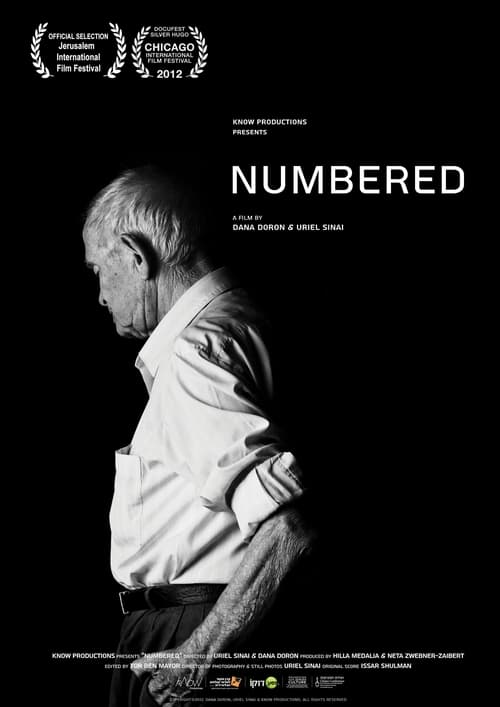
An estimated 400,000 people were tattooed with serial numbers at Auschwitz, of whom only a few thousand survive today. This intimate and visually rapturous documentary details the current lives of some of these survivors, their memories of the camps, and their relationships with the numbers. Numbered is an emotionally affecting portrait of memory and history, and their enduring presence in individual lives.
Going to the doctor to make a diagnosis or to have a treatment is a common thing in the outside world. But for every prisoner it is a very difficult or impossible path. Lander Garro, the director, turns to those who have lived the experience of being ill in prison to better understand its consequences. It uses a language that goes beyond political discourse, exploring the helplessness of prisoners whose right to health is limited from an emotional point of view, through cinematographic tools. 'Tipularen sehaska kanta' ('Nana de la cebolla' - 'Lullaby of the onion') more than a political film is an artistic film, narrated in the first person and from the entrails. Based on the poem 'Nana de la cebolla' by the Spanish poet Miguel Hernández, who died in prison in 1942, the film makes a historical analogy: if it didn't make sense to die in prison in 1936, does it make sense today?