A night in Buenos Aires. Young people between sunset and sunrise, in search of trash, love, justice, a future. Four life lines cross but never touch each other. A portrait of a society in crisis.
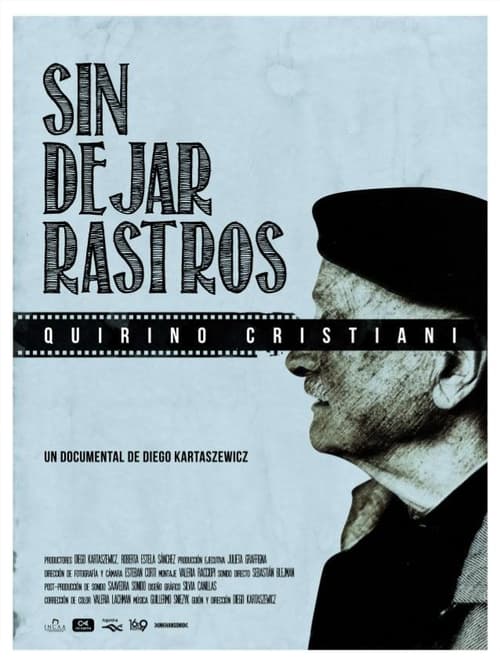
Without a trace portrays the life and work of filmmaker Quirino Cristiani, 1896 to 1984. An animator, cartoonist and italoargentino cartoonist, creator of the first feature animation world; The Apostle 1917.
The story begins in Patagonia, deep south in Argentina, where researchers look for the remains of a German U-boat landing. This search leads them to Argentina during the '30s before Second World War, a time when anti-Semitism flourished in the country.
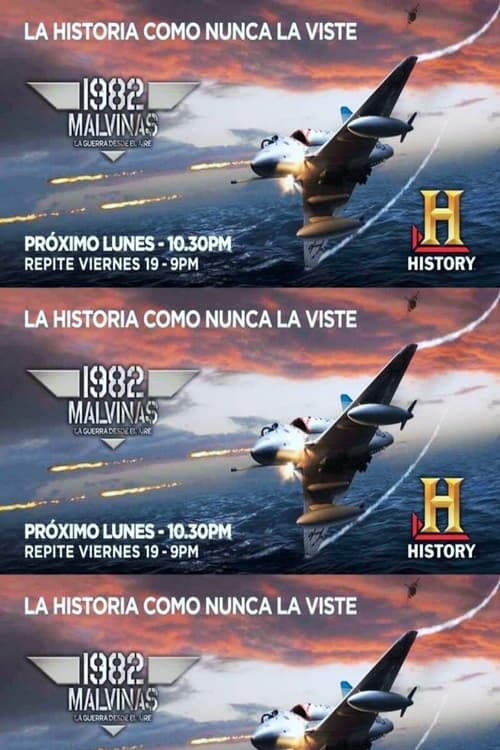
A detailed account of each of the details of the Malvinas War based on interviews, dramatic scenes, maps and other elements of historical roots without ignoring the historical antecedents from the 18th century that ended in this confrontation.
Over many years, the director’s father filmed his family life almost obsessively. His daughter’s birth, his son’s first steps, and always Valérie, the young mother. An impressive fund of material which their now grown-up daughter Faustine appropriates to tell quite a different story: that of a woman who sees her role as a mother and its demands take away her freedom step by step.
Through testimonies and images, the crude reality of human rights in Argentina in democracy is portrayed and the role of the hegemonic means of communication to make causes and protests invisible ...
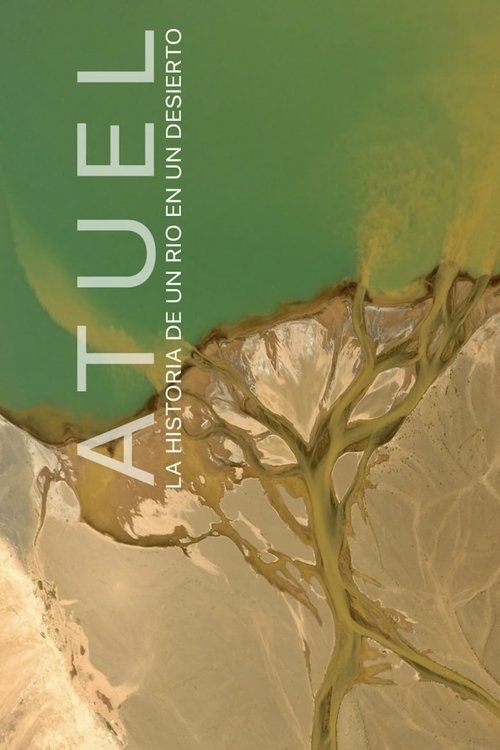
ATUEL is the story of a community and its river; of a river and its community. Everyone in the province of Mendoza, Argentina, lives in one of three oases. The southern oasis, home to the cities of San Rafael and General Alvear, depends primarily on The Atuel River. Yet incredulously, the river remains under threat. People cannot care for what they don’t know and so we decided to ask the river what story it would like to tell about itself. To do so, we travelled its entire length from its source in the heart of The Andes to where it dries out prematurely in the sands of The Cuyo Desert. We’re told we are the first to do so since 1884 and the first ever to do so by boat. 43 days. 480 kilometres. 38 people interviewed about their relationship with the river.
Documentary on State terrorism during the last military dictatorship in Argentina, made in its aftermath. Invited by the Goethe-Institut to hold a workshop with young film students, Schroeter contrasts the official statements of the regime with the testimony of victims, dissidents and relatives of the disappeared. And trust that their faces and words will resonate much more than a mere representation of violence.
Jérôme was sexually abused as a child by a priest. In a deeply personal film, he tries to search for clues in his memories and come to terms with the complicity of his former social environment.
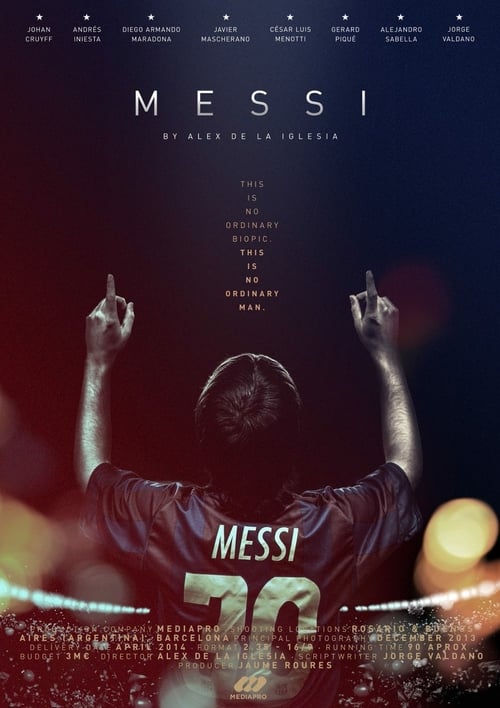
His teachers, coaches, childhood friends and Barça teammates, together with journalists, writers and prominent figures from the history of football, come together in a restaurant to analyze and pick apart Messi's personality both on and off the field, and to look back at some of the most significant moments in his life. Viewed from Álex de la Iglesia's unique perspective, Messi recreates the player's childhood and teenage years, from his very first steps, with a football always at his feet, through to the decision to leave Rosario for Barcelona, the separation from his family, and the role played in his career by individuals such as Ronaldinho, Rijkaard, Rexach and Guardiola.
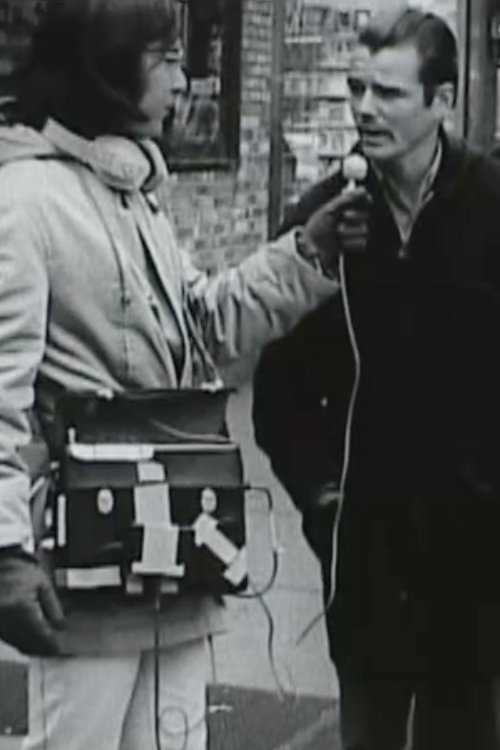
A portrait of the diverse opinions of Chicagoans as they reflect on the general state of affairs in America, the war in Vietnam, social and racial conflict, freedom and personal liberty, happiness, and social justice. Ratamata was made by future Tom Palazzolo collaborator Kreines when he was 16 years old, and was an award winner at the Young Chicago Filmmakers Festival.
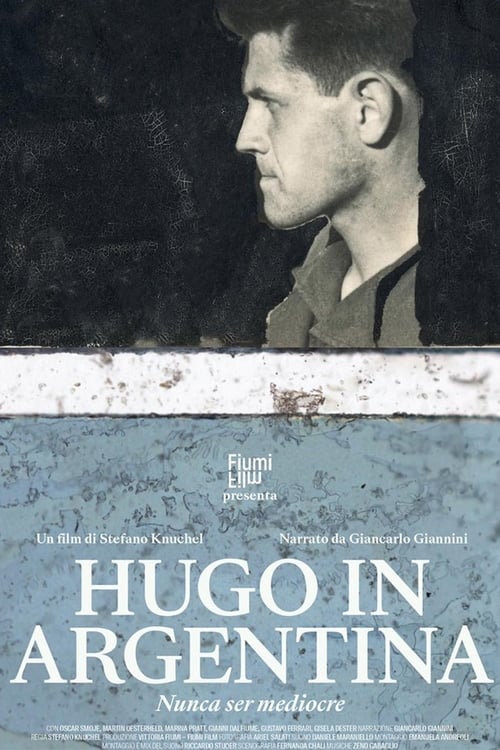
A promising Italian cartoonist lands in Buenos Aires in 1950, with the dream of reaching the United States, to discover that, for him, America will be Argentina. The country immediately overwhelms him with its massive economic boom and a cultural scene among the most vibrant in the world. We are at the dawn of Argentina's most delirious decade, and the young immigrant feels that the vast promise of this country is within his grasp. His name will indeed make itself known: Hugo Pratt.
A girl from St. Petersburg walks around protest-ridden Moscow, talking to riot police and believing that sooner or later they will go over to the side of the demonstrators. An 18-year-old student of a St. Petersburg college introduces herself as Alice and tells about herself that from the age of four she lived in an orphanage and in foster families. In Moscow, Alisa, for whom this is the first rally in her life, walks along the police cordons and looks under the OMON helmet. "Under the mask you can't see, are you even human?"
A custom car photographer, along with a talented metal flake painting artist, Alejandro Minissale, tour workshops, artists' studios, and custom events in Argentina with a single purpose: to promote this lifestyle that encompasses the world of American cars, as well as motorcycles, tattoo artists, illustration, memorabilia collecting, musicians and others.
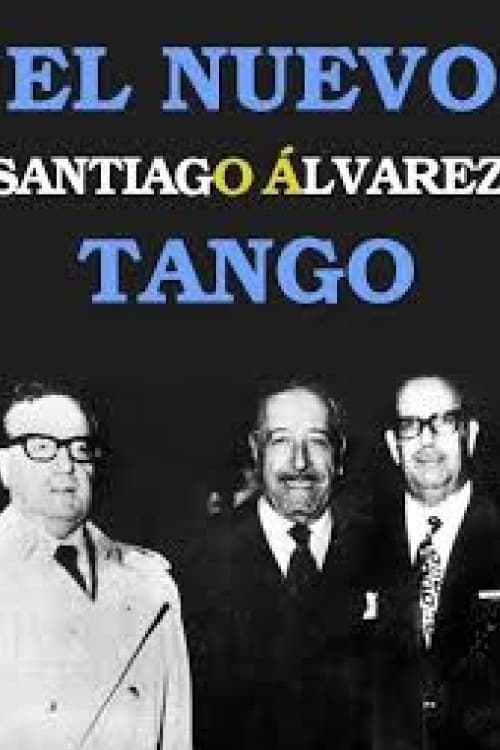
The New Tango (El Nuevo Tango) was not shown in Argentina for a long time as it deals with the ascent of Argentinean president Hector Campora in May 1973, and features Cuban and Chilean presidents, Osvaldo Dorticos and Salvador Allende. A million people gathered on the Plaza de Mayo to acclaim the new President. One of Cámpora's first presidential actions was a granting of amnesty to political prisoners who where jailed during the dictatorship. On 28 May Argentina restored diplomatic relations with Cuba, which then received Argentine aid - such as food and industrial products - to break the United States embargo against Cuba.
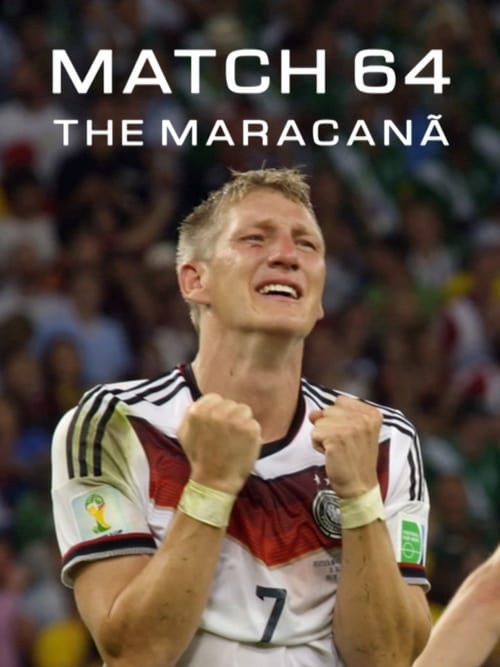
A documentary following the day life of fans in Brazil on July 13, 2014: the day when Germany and Argentina met up in the finals of FIFA World Cup.
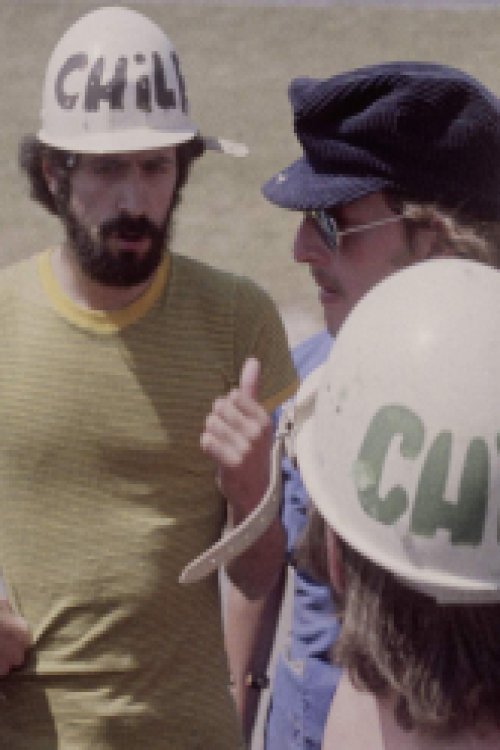
During the 16th Workers' Festival in Dresden in 1976, a student group of Chilean emigrants paints a mural symbolically depicting the activity of the Unidad Popular during Salvador Allende's reign. Festival guests comment on this work. Music by Chilean music group Jaspampa, formed in Leipzig in 1972.