A Tasmanian tiger wanders around in his zoo enclosure. A glacier is slowly melting. Facing its predicted disappearance, nature exerts its fury, bursts over the frame and resists its extinction by transformation.
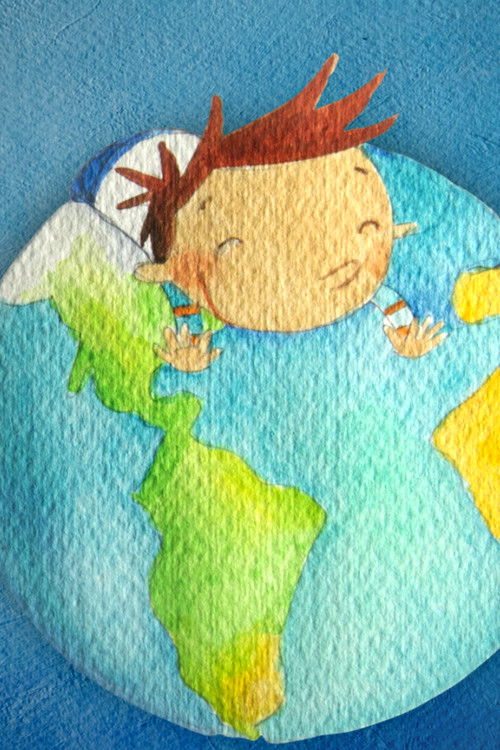
Pepé describes his house. He plays in the rain. At night he admires the stars, enjoys the vegetation and the colors of the afternoons. The animals around him look at him in amazement, he infects them with joy. Pepe is happy to live in his house, which is Earth.
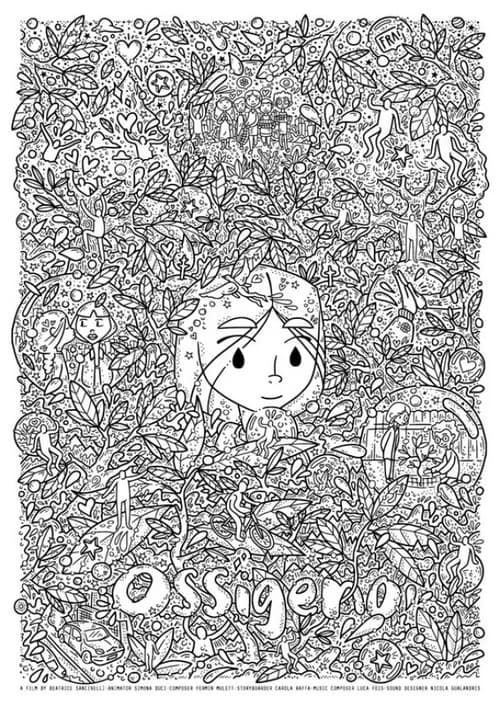
Lena is nine-year-old. One day, she spontaneously makes an act of love that will change her life. She will take care of a plant. An action so simple yet unusual that nowadays only children could instinctively do. Will this revolutionary gesture change the future of our world? In a blurry society made by technological progress and innovation, can a simple action become a revolution?
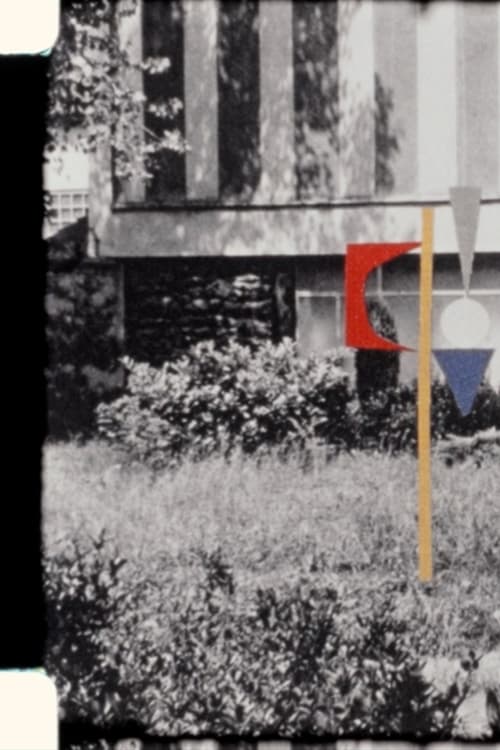
Filmed on 16mm film, this visual expression is rooted in its archival materials and backed up by the poem by Hans Magnus Enzensberger. It speaks of the forgotten people, their lives and their deeds. These two Archives have been found on the flea market in Zagreb. One is of a famous architect and the other one is of a famous composer. This film ponders on this occurrence, on the vanishing of and forgetfulness of humans.
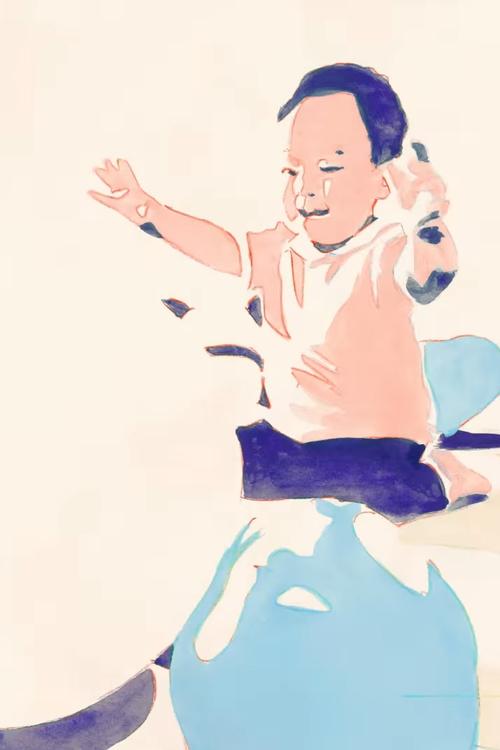
Home-video footage of infants playing transforms into an experimental display of rotoscope animation.
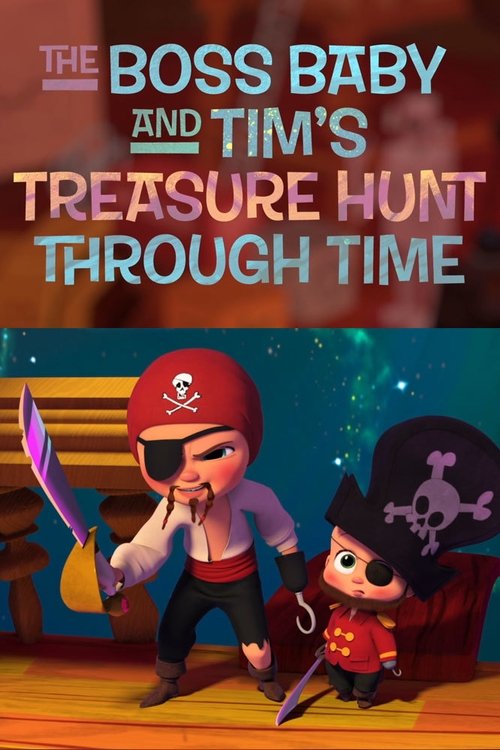
Join the fun as Boss Baby and Tim battle pirates, travel through outer space, swim deep into the sea, and go toe-to-toe with some ferocious dinosaurs!
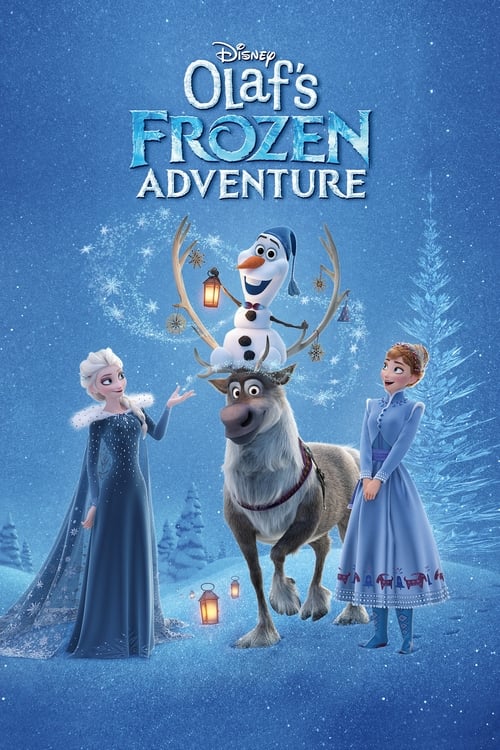
Olaf is on a mission to harness the best holiday traditions for Anna, Elsa, and Kristoff.
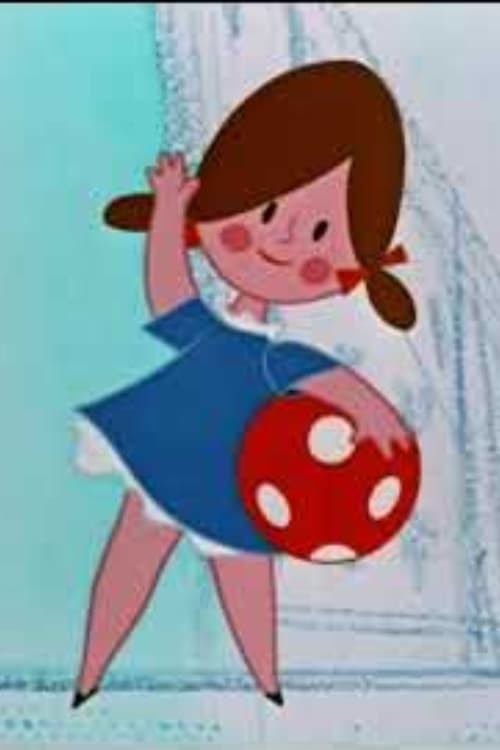
The city comes to life around a little girl and plays ball with her while she is waiting for her mother to do the shopping. Made in gouache technique, this lyrical short film was highly innovative for its time, winning the first prize at the Children’s Film Festival in Venice.
Hero was a high schooler living an ordinary life. One day, he meets a very strong and intelligent mechanical arm named "Mecha-ude". After a strange turn of events, the "Mecha-ude" started living inside Hero's hoodie and the two's life full of trouble begins. As the boy and his "Mecha-ude" fights together and strengthen their bonds, the two also meets new friends who also fights along with each of their own unique "Mecha-ude" partners. Out of those, one of the heroine has two "Mecha-ude" which appears out of her skirt. An active girl with a totally opposite characteristics from hero himself, he gradually becomes attracted to her. But the two are confronted with other "Mecha-ude" users who are in search of the secret of "Mecha-ude" relentlessly.
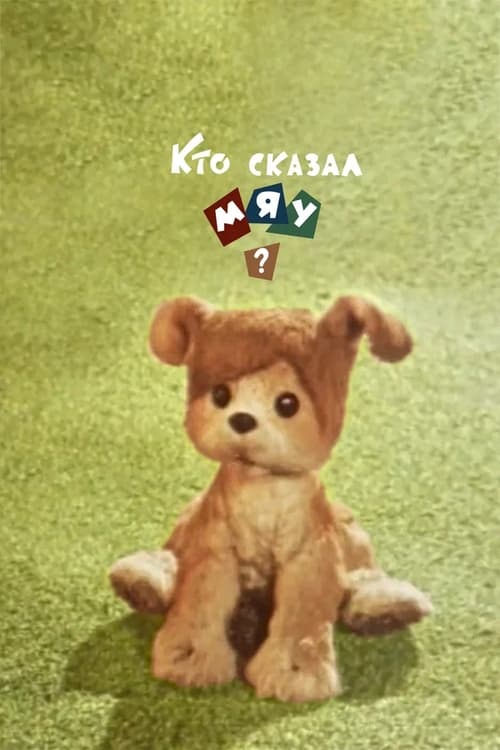
After hearing someone's "meow" for the first time in his life, baby puppy goes in search of the unknown beast and meets various inhabitants of the house and yard. On children's curiosity and the first acquaintance with the world.
An ingenious, witty essay on making filmed, photographed, drawn, painted, and Xeroxed images move. Reverberating between multi-media versions of the same events, playing with disjunctions between figure and ground, HEAD is a 'trickfilm' meditation on portraiture; the animator, as actor, lives through his drawings, which in turn become actors who influence his own self-image. An insider's diary on the process of creation, HEAD is a brilliant encyclopedic exploration of the circular relationship between the animator and his creation, of the nature of animated illusion itself.
The patriarch of a family dies, leaving his seven sons to fight for the inheritance.
Early abstract 3D film by animation master Norman McLaren and collaborator Evelyn Lambart.
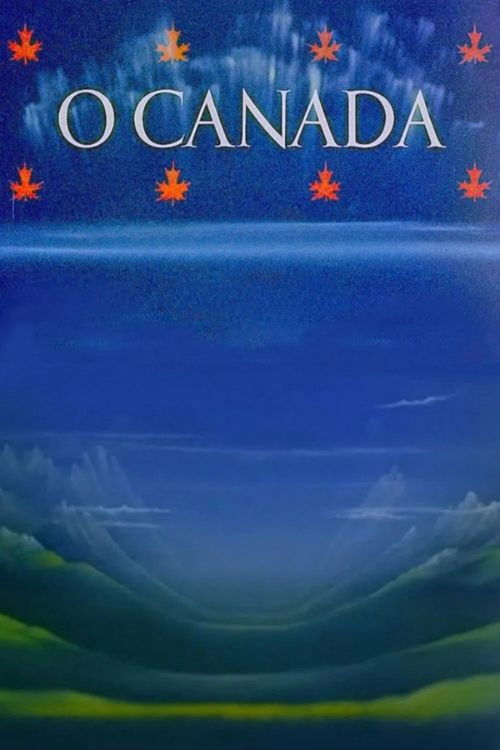
This very short stereoscopic film by Evelyn Lambart uses drawings to suggest movement across Canada’s ever-changing countryside.
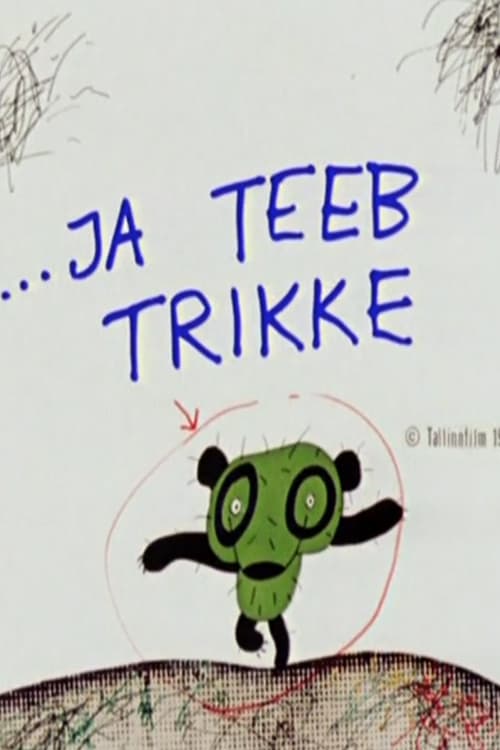
A tiny green bear (the Trickster) tries his best to impress a group of animals with his annoying tricks.
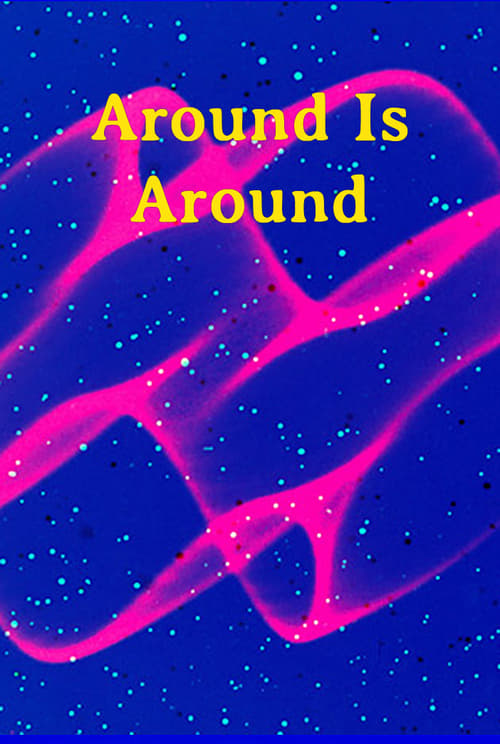
Handmade, direct animation film using rubber based masking material and colored dye. Rhthmic colored linear patterns of abstract grids move in syncopation to the allegro from the Brandenburg Concerto #3 in G Major by J.S. Back. Inspired by the handmade films of Norman McLaren, who once told Larry over milkshakes that Allegro was the best film he had seen made in 16mm.