Frédéric Buyle
as Underwater Photographer
On May 1, 1994, Roberto Cabrini announced the death of Ayrton Senna on national television and, since then, has never stopped investigating the facts related to the fatal accident that occurred at the Formula 1 San Marino Grand Prix. Three decades later, RECORD and PlayPlus present a special documentary by the journalist with the most complete production ever made to date about the days leading up to one of the most remarkable events in the history of Brazilian sports.
Monaco, 1999. One of the world's richest men dies in his penthouse. This documentary unpacks the mysterious murder of billionaire banker, Edmond Safra.
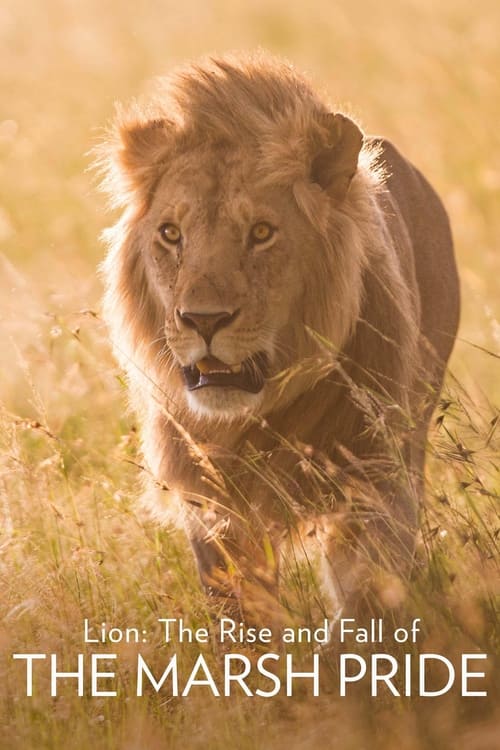
Documented in television documentaries for over 40 years by the BBC and other broadcasters around the world, the Marsh Pride is the most filmed pride of lions on Earth. In this film, the Marsh Pride battle for survival in Kenya's famous Maasai Mara Reserve, which has become a magnet for tourists, many of them keen to see the pride for themselves. A tale of shifting loyalties, bloody takeovers and sheer resilience, the lions’ story is told by those who filmed them, tried to protect them and lived alongside them, as well as some who ultimately wanted them dead.
Every year, thousands of Antarctica's emperor penguins make an astonishing journey to breed their young. They walk, marching day and night in single file 70 miles into the darkest, driest and coldest continent on Earth. This amazing, true-life tale is touched with humour and alive with thrills. Breathtaking photography captures the transcendent beauty and staggering drama of devoted parent penguins who, in the fierce polar winter, take turns guarding their egg and trekking to the ocean in search of food. Predators hunt them, storms lash them. But the safety of their adorable chicks makes it all worthwhile. So follow the leader... to adventure!!
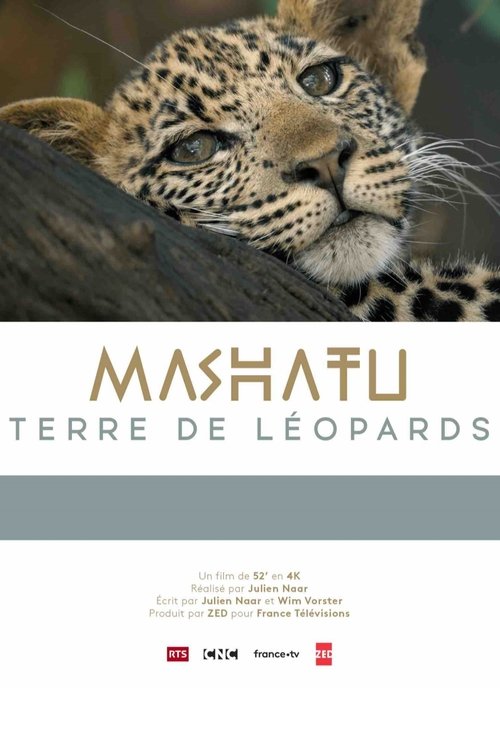
In southern Africa’s Mashatu, one of the last bastions for free-roaming leopards, a mother leopard has just given birth. And she’ll do anything to protect her two cubs. But on this land, which is drying up by the day, the struggle for survival is fierce. A leopard war is about to break out. In this 40,000-hectare enclave plagued by climate change, resources are becoming increasingly scarce for wildlife. The leopards living there are forced to adapt, developing new behaviors that will lead to terrible interspecies clashes. Will the mother leopard be able to protect her offspring from the many dangers? Can the cubs master the art of survival? A gripping animal tale that follows the destiny of a family of felines for 3 years, in the wilds of Botswana. Thanks to cutting-edge technology (drones, high-sensitivity cameras), this film captures rare images of a fascinating species, revealing behaviors never before observed.
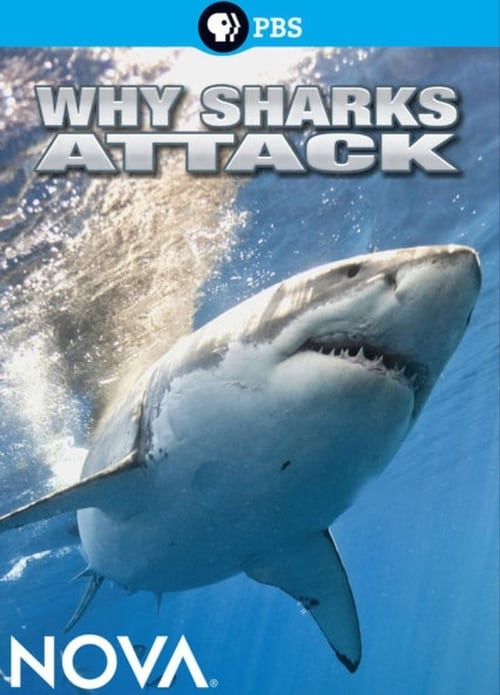
In recent years, an unusual spate of deadly shark attacks has gripped Australia, resulting in five deaths in 10 months. At the same time, great white sharks have begun appearing in growing numbers off the beaches of Cape Cod, Massachusetts, not far from the waters where Steven Spielberg filmed Jaws. What's behind the mysterious arrival of this apex predator in an area where it's rarely been seen for hundreds of years? Are deadly encounters with tourists inevitable? To separate fact from fear, NOVA teams with leading shark experts in Australia and the United States to uncover the science behind the great white's hunting instincts. With shark populations plummeting, scientists race to unlock the secrets of these powerful creatures of the deep in their quest to save people -- and sharks.
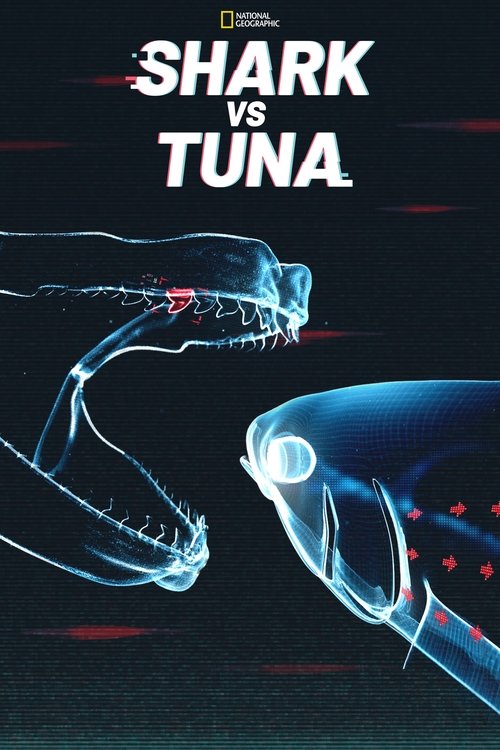
A clash of true oceanic titans sees fights in the remote battlefields of Ascension Island. Tuna are often faster, fitter and bigger than the sharks.
Drawing from never-before-seen footage that has been tucked away in the National Geographic archives, director Brett Morgen tells the story of Jane Goodall, a woman whose chimpanzee research revolutionized our understanding of the natural world.
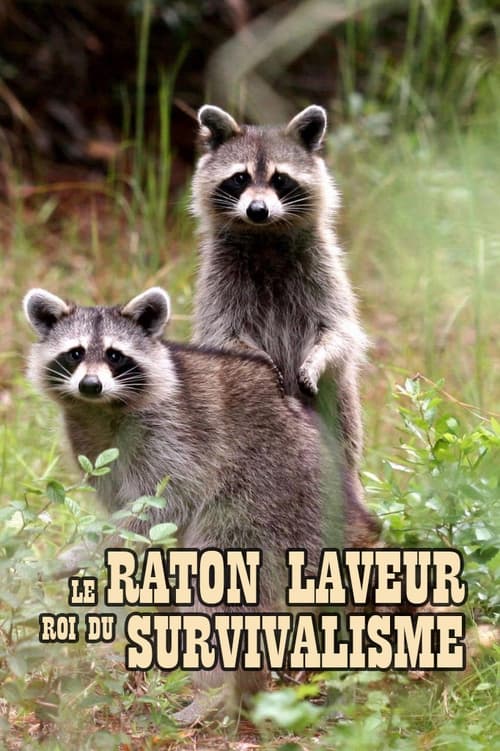
While, all over the world, multiple wild species are threatened, raccoons are displaying an unprecedented expansion. Beneath the innocent and graceful plush exterior hides an unparalleled "survivor" temperament. Omnivorous, curious, intelligent and extremely adaptable, raccoons prove to be very good at overcoming any challenge thrown by humans. But how do these clever creatures manage to survive both in the wild and in urban settings? Set in one summer in Georgia, USA, this film follows a litter of young raccoons from birth to adulthood on Jekyll Island.
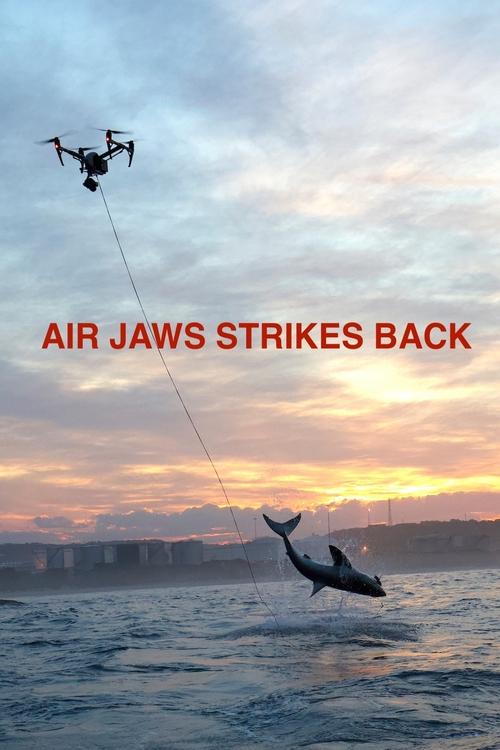
Air Jaws claims new turf in South Africa. Dr. Neil Hammershlag and Enrico Gennari follow with brand new technology: a "drone-towed" seal decoy to study and capture the harrowing and dramatic battles between shark and seal.
Atlantis is filmmaker Luc Besson's celebration of the beauty and wonder of the world beneath the sea, expanding upon themes touched on in his film The Big Blue. Combining stunning underwater cinematography and a hypnotic score by Eric Serra, Besson's singular vision defies dialogue or narrative structure to explore ocean life as you've never seen it before. Following the colossal success of The Big Blue, Luc Besson crisscrossed the world's seas and oceans to film the beauty and diversity of marine life: from the giant octopuses of Vancouver to the manta rays of the Pacific (New Caledonia), and the grey sharks of Tahiti. A film with no actors or sets other than the underwater world. A breathtaking view of marine species: sharks, dolphins, manatees, octopuses. An exploration of the seabed in the Bahamas, the Galapagos, Vancouver, and Tahiti.
When it comes to 'what Mother Nature intended', it turns out she was pretty open-minded. In this vivid, funny and eye-opening one-off doc we take the audience on a journey to explore the rich diversity of animal sexuality.
See the world's first MRI scan of a great white shark as Ultimate Shark reveals the extreme engineering and predatory abilities of one of nature's most near perfect predators. Hear firsthand accounts of people who survived harrowing encounters, including a surfer who was bitten on the arm and leg, towed by the surfboard ankle strap and miraculously escaped only with minor injuries. National Geographic demystifies the true motives and power behind their behavior.
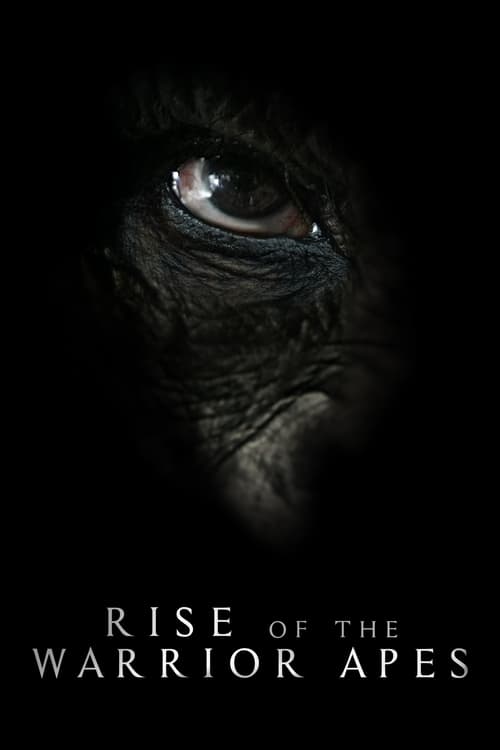
Filmed over 23 years, Rise of the Warrior Apes tells the epic story of an extraordinary troop of chimpanzees in Ngogo, Uganda – featuring four mighty warriors who rule through moral ambiguity, questionable politics, strategic alliances and destroyed trust.
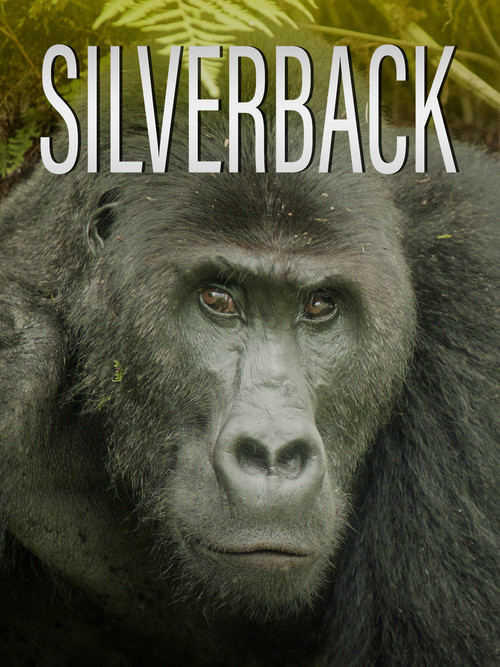
Feature-length documentary following award-winning wildlife cameraman Vianet Djenguet as he documents a gruelling but vital mission to ‘habituate’ a notoriously protective 450lb silverback, in a last-ditch effort to save the critically endangered eastern lowland gorillas from extinction.
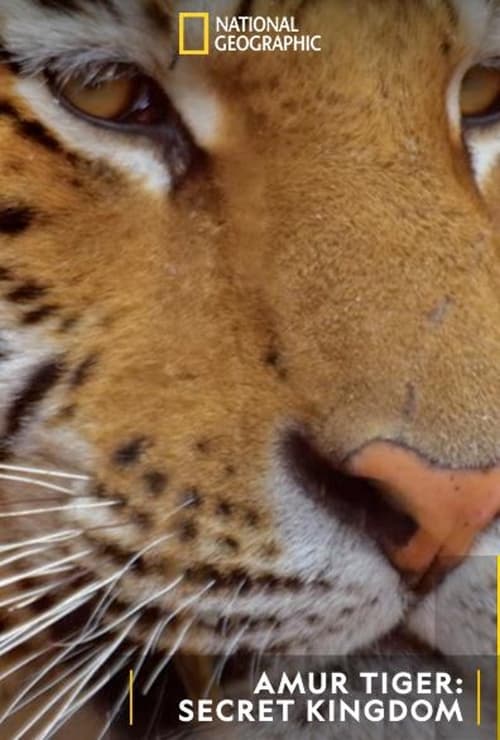
In the furthest reach of northeast China, is a mountain wilderness that few have yet explored: Hunchun National Nature Reserve. At its core, lives one of Earth’s rarest predators: The Amur tiger