Santiago Ríos
as Himself - Narrator (voice)
Tadeo Villalba Jr.
as Himself
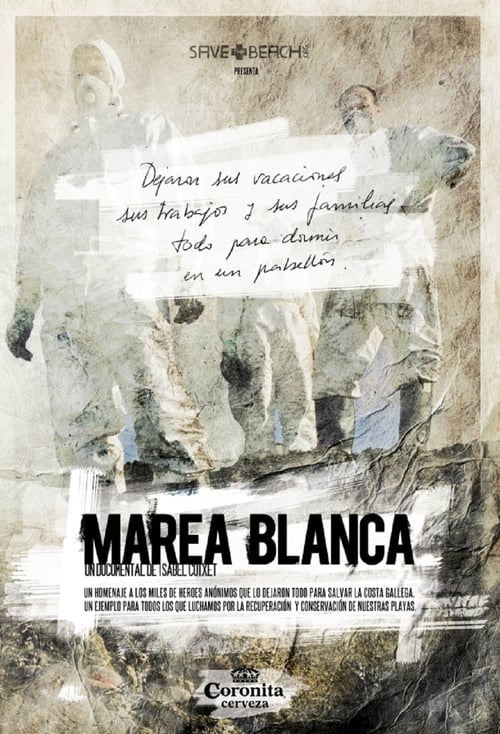
MAREA BLANCA is a Corona Save The Beach documentary directed by Isabel Coixet. It is a tribute to the thousands of anonymous heroes who left everything to save the Galician coast. An example for all of us who fight for the recovery and conservation of our beaches.
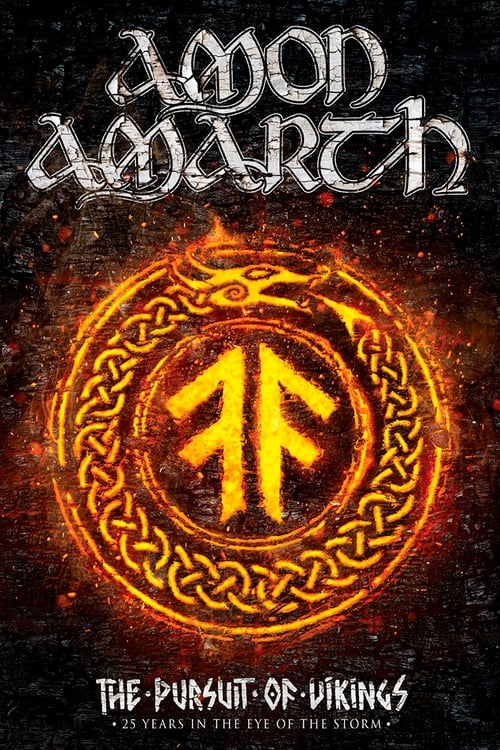
On November 16th, Amon Amarth will release their new documentary and supporting live album(s), The Pursuit Of Vikings: 25 Years In The Eye Of The Storm – which includes a retrospective documentary that features a wealth of live and behind-the-scenes content and extensive band interviews. This film tells the Swedish quintet’s history, through both their own eyes and those of the fans that have supported them along the way. It is a thrilling collection that pays respect to the faithful, as well as making for a detailed and riveting introduction for those new to their inspiring story. Paired with this documentary is the live video/audio, which contains two different sets at 2017′s Summer Breeze Festival in Dinkelsbuhl, Germany, capturing the unit at their very best.
A retrospective analysis of the causes and consequences of the catastrophic accident at the Chernobyl nuclear power plant in Ukraine on April 26, 1986.
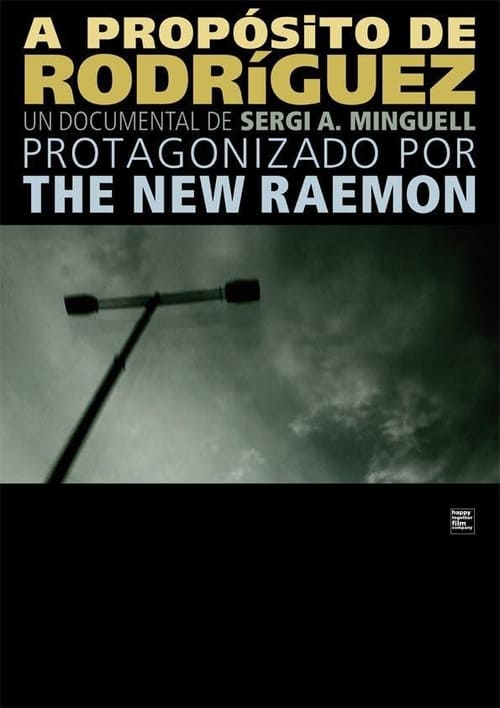
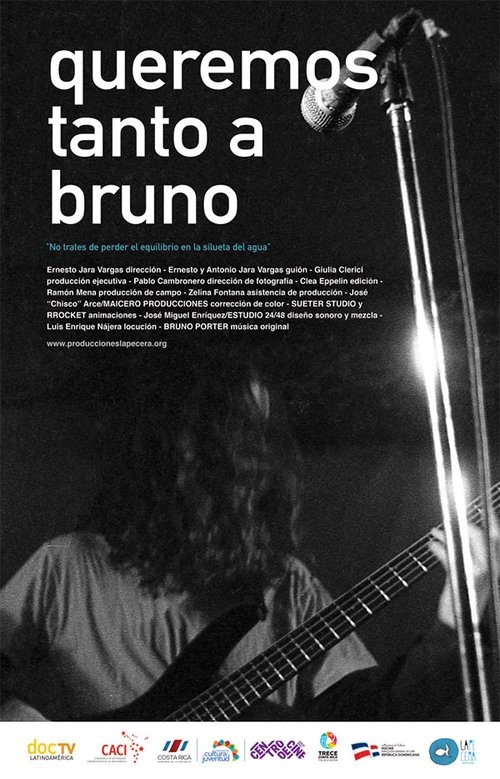
Ramón Rodriguez, lead singer of Madee starts his solo career as The New Raemon. The movie documents the transition with interviews and live performances.
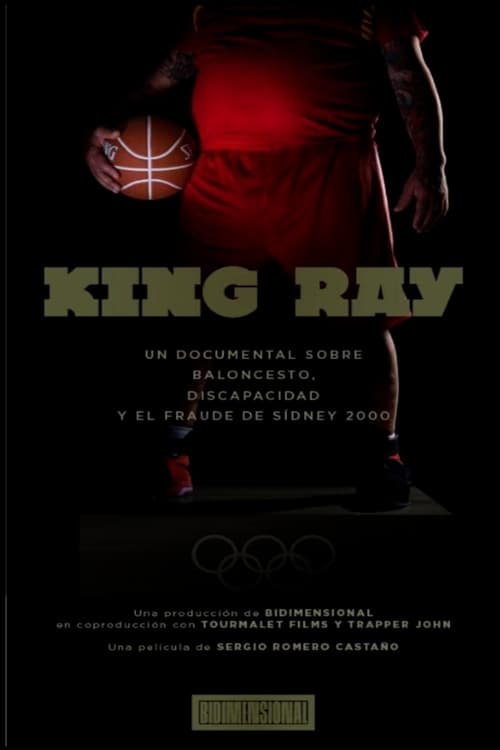
Paralympic Games, Sydney 2000. The Spanish basketball team wins the gold medal. A great lie in the History of sports. Raymond Torres was the captain of that team.
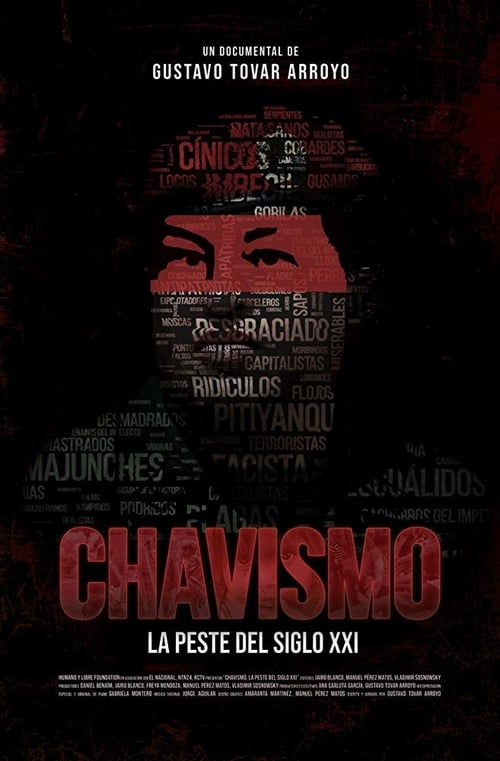
An analysis of the causes, social, political, and economic that caused the rise of Hugo Chávez as president of Venezuela; his abuse of power and the response of civil society, including the student movement; his political fall as well as the secrecy that surrounded his illness and the succession of Nicolás Maduro.
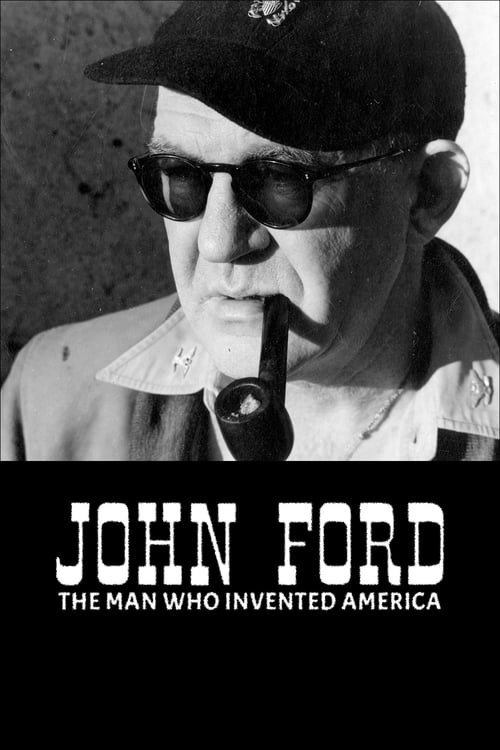
Over a 50-year career and more than a hundred movies, filmmaker John Ford (1894-1973) forged the legend of the Far West. By giving a face to the underprivileged, from humble cowboys to persecuted minorities, he revealed like no one else the great social divisions that existed and still exist in the United States. More than four decades after his death, what remains of his legacy and humanistic values in the memory of those who love his work?
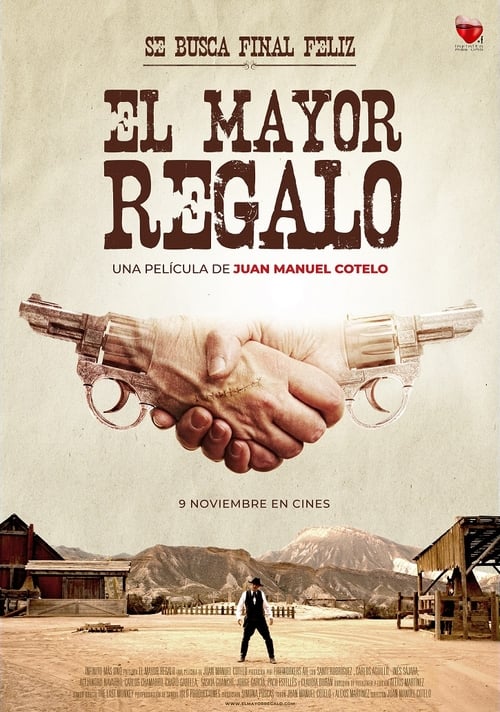
The last sequence of a Western is ready to be shot. In the blink of an eye, the Director modifies the classical happy ending, because revenge is not happy - and it is never the end of the conflict. He travels the world, horseback riding, seeking a better solution for any war. And he finds out that forgiveness has been tested all over the world, with the best results.
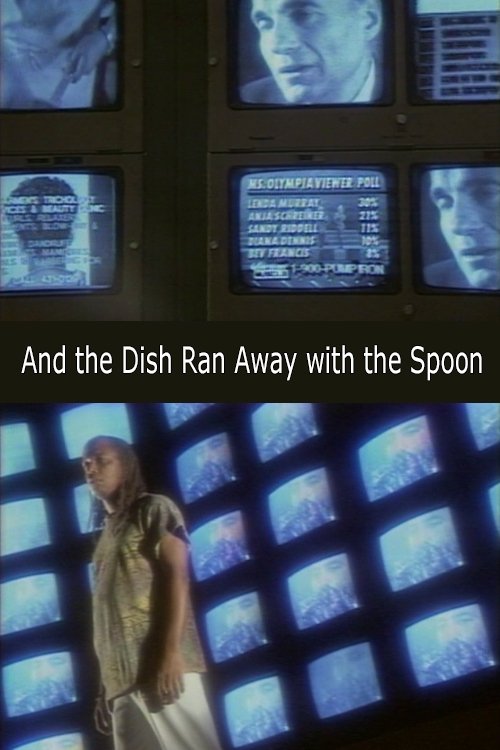
A documentary about the domination of Caribbean television by programs from the North, primarily the US. Proceeding from the observation that television in the Caribbean is overwhelmed by US and French programs, this film ambitiously weaves together interviews, indigenous poetry and music with clips from imported French and US television programs to show how Caribbean viewers receive a distorted view of the world that alienates them from their own cultural heritage. Also included is a glimpse of how Cuba has tackled the problem, featuring an interview with Cuban film director Tomás Gutiérrez Alea, and the US response in the form of Radio and TV Marti. This is part of the Developing Stories Series on Environment and Development. Starweek Magazine called it "An astonishingly searing look at TV."
The day starts in Lisbon and with it people return to the streets. These men live in a place which is not a home. Martins, the barber from Luanda, Simões with his spears, Manuel and his films and Francisco's silence share a place to rest, a shelter. They have some affinities with the outside world but they communicate through the words that they don't say. Perhaps the differences are clearest in everything that is silenced.
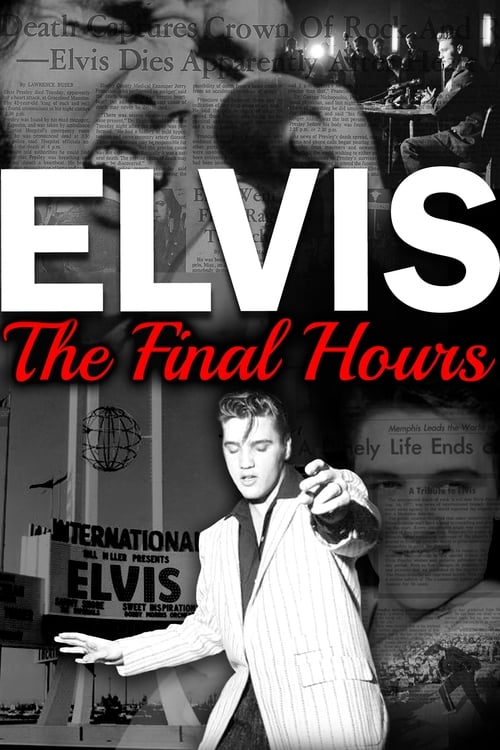
The death of the King of Rock n Roll shocked the world. How did this happen? The true story of Elvis Presley's last hours on Earth is told by the men who knew him best, his Memphis Mafia. Elvis' closest friends and confidants share their memories and experiences with the King and what really happened during his final hours. Including interviews with Sonny West, Billy Smith, Larry Geller, Joe Esposito, Jerry Schilling, Marty Lacker, and Lamar Fike.
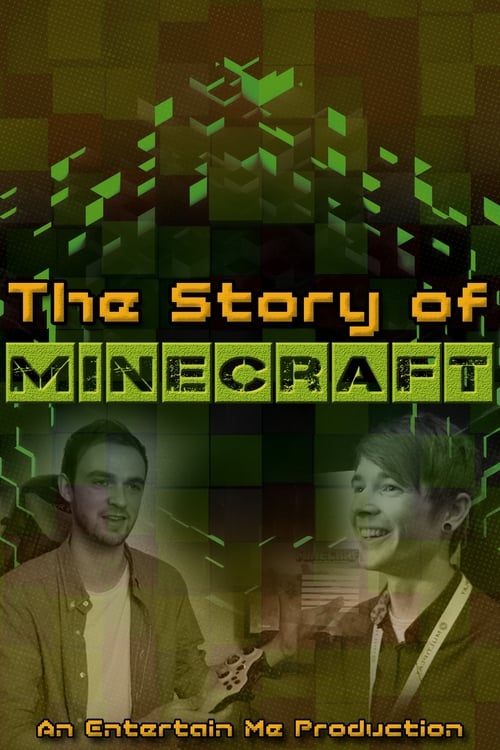
Since its development in 2009, Minecraft has taken the digital world by storm. It’s now played by millions of people on a global scale. Its impact on the gaming community is unrivalled, so much so that Microsoft purchased Minecraft for an eye watering $2.5 billion. With new game modes being developed, there is every chance Minecraft will be the worlds No. 1 game for many years to come. With exclusive interviews from YouTube celebrities such as The Diamond Minecart and Ali A, as well as industry experts, this documentary takes an in depth look at how one game took over the gaming world. Get lost in a digital universe, follow the story of Minecraft.
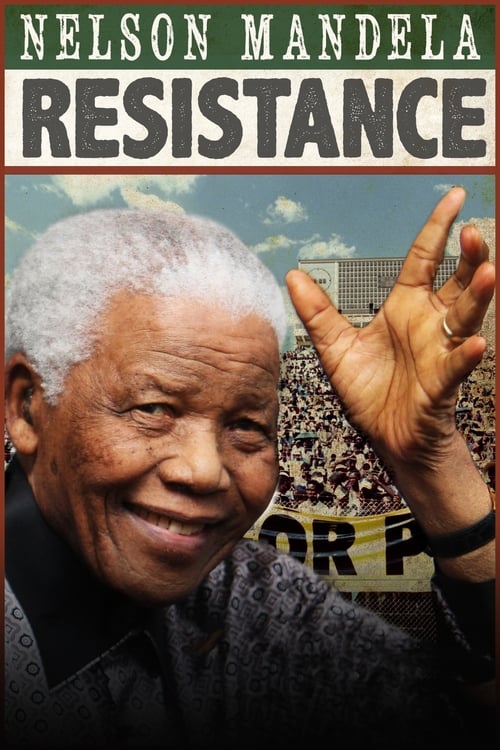
History never forgets its heroes, its legends and its victims. During the 20th century there is only one name that stood out and was shouted around the globe, his struggle for fairness and equality spread across the planet and left no one indifferent. Nelson Mandela is a symbol for peace and a synonym for liberty. Explore the life and legacy of a man who alone changed history. With interviews with close relatives and historical archives, this documentary will send you back in time to understand Nelson Mandela and to discover what changed in South Africa.