Little known facts about Yugoslavian president-for-life.
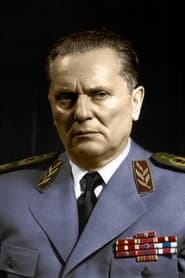
Josip Broz Tito
as Himself (archive footage)
Filmed in Belgrade in 1962, Parade documents the city’s engagement with the annual May Day celebration by largely ignoring the formal procession. Instead, Dušan Makavejev records the informal moments surrounding it: workers, officials, wanderers, and organizers negotiating space, hierarchy, and appearance. Shot with a detached, humorous eye, the film assembles a mosaic of everyday behavior that reveals the contrast between official ceremony and lived social reality.
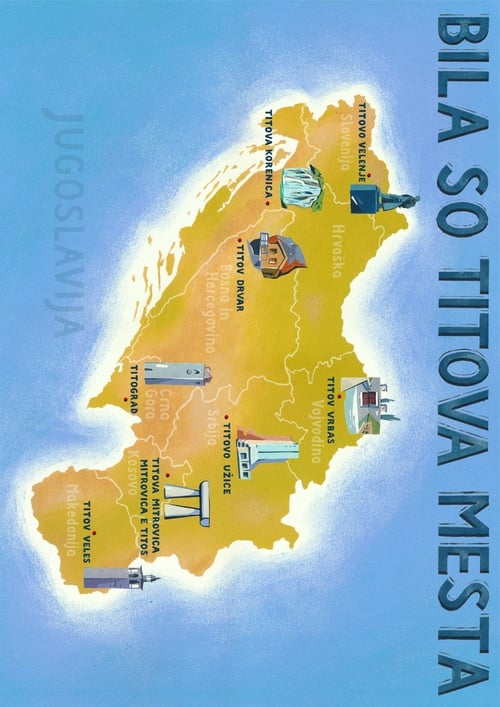
Following the death of Josip Broz Tito (1892–1980), one city in each of the six republics and two autonomous regions of the Socialist Federal Republic of Yugoslavia had the honour to be named after the long-serving president. Having been chosen due to leftist ideas, proletarian character, industrialisation, urbanisation and modernity, they were often privileged. Now located across seven countries, not one of these cities is still named after Tito. We learn the stories of these cities from their residents who look back at the period under Tito’s name. Many of these stories are tragic since the majority of cities have been touched by war.
The lives of many people in one Serbian town are changed after Tito's breakup with Stalin.
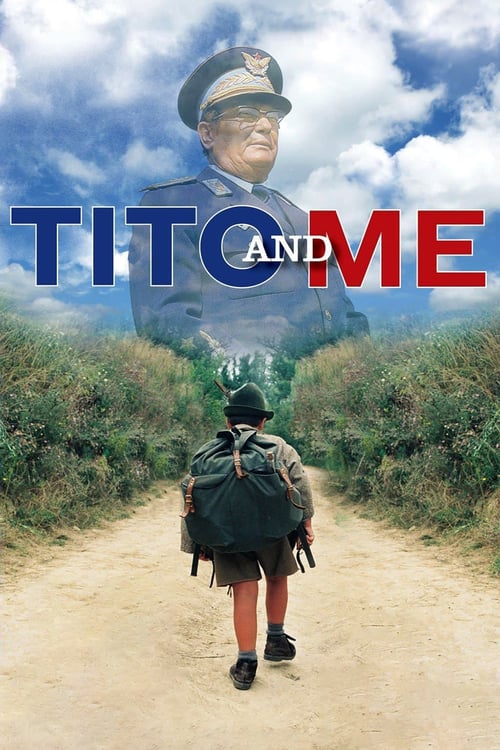
At his school, 10-year-old Zoran wins the competition for the best essay about Tito. His reward is participation in the march "Revolutionary trails" to Tito's hometown of Kumrovec.
In former Yugoslavia, following Tito's break-up with Stalin, the rocky island of Goli Otok was the camp site for political prisoners. From that officially non-existant yet dreaded place a young man escapes and seeks refuge on a nearby island. The nuns from the local convent find him unconscious and decide to give him shelter. A relentless secret policeman comes to the island and starts making life miserable for its inhabitants, hoping to find his prey...
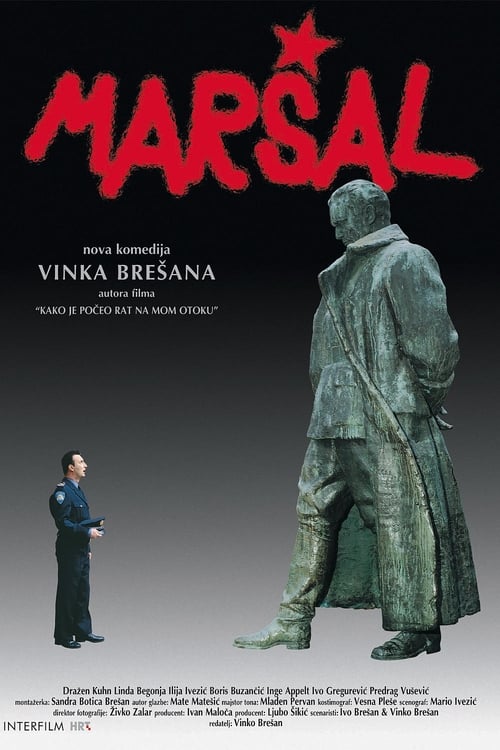
Stipan is a policeman who comes to small Adriatic island off the Croatian coast in order to investigate reported strange phenomena that had frightened the whole population. At first, nobody wants to co-operate with him, but he finally finds that the island is being allegedly haunted by the ghost of Josip Broz Tito, Communist leader of former Yugoslavia. For Luka, the mayor, this is the opportunity to turn entire island into Tito-themed amusement park. Tito's WW2 veterans, on the other hand, don't believe in ghosts; for them, the apparition is actually Tito himself, who had returned in order to lead them into a new revolution which would restore Communism. Written by Anonymous
A young man by the name of Atif Kurtovic goes into a mine for the first time in his life to become a miner and to continue exactly where his now retired grandfather had left off. However, his fate is soon completely changed when he is picked as the face for the most valuable banknote in the country, the bill in the amount of one thousand dinars. Because of this, Atif soon finds himself on his way to Belgrade where Tito's personal photographer takes his picture and thus allows Atif to become a part of history. Into this story enters a young girl whose nickname, "Hiljadarka / A Thousand", is no accident and with whom Atif falls in love. When Tito announces his personal visit to Atif's hometown, there begins an adventure that they will all remember for the rest of their lives.
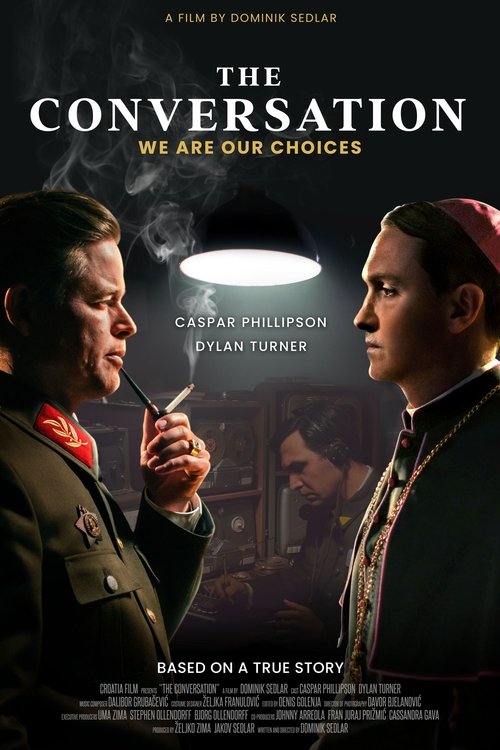
Based on a true story of a meeting in June 1945 between two powerful men with very opposite philosophies and perspectives on the future of their country.
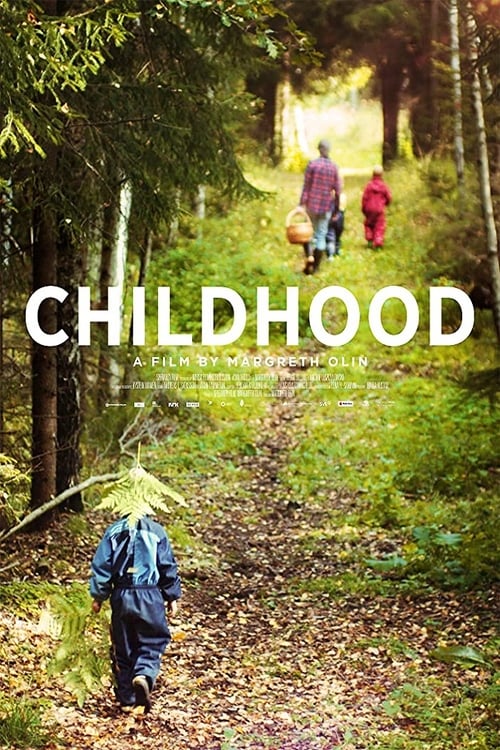
This documentary follows a group of children in a rural kindergarten for a year, portraying a genuine learning process in the midst of nature.
A documentary on Chairman Mao and the Chinese communist revolution by Single Spark Films.
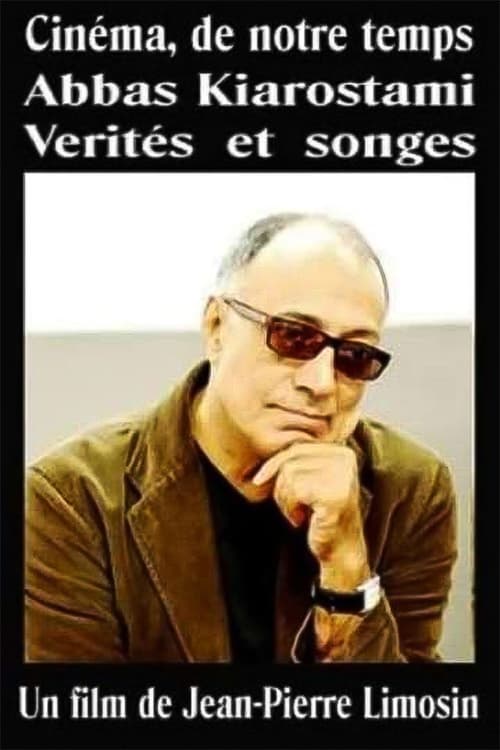
A documentary about Iranian film director Abbas Kiarostami first aired on the French television series Cinema de Notre Temps.
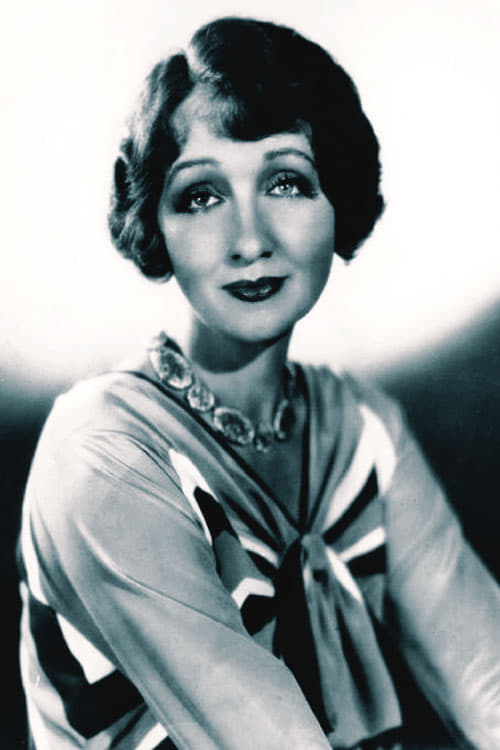
Hedda Hopper plays hostess at a party for her (grown) son William (DeWolfe Jr.). Hopper, attends the dedication of the Motion Picture Relief Fund's country home and goes to the Mocambo. There is also a sequence dedicated to the Milwaukee, Wisconsin world premiere of the first short in this series attended by more that a few film stars.
An incomplete document of a music scene
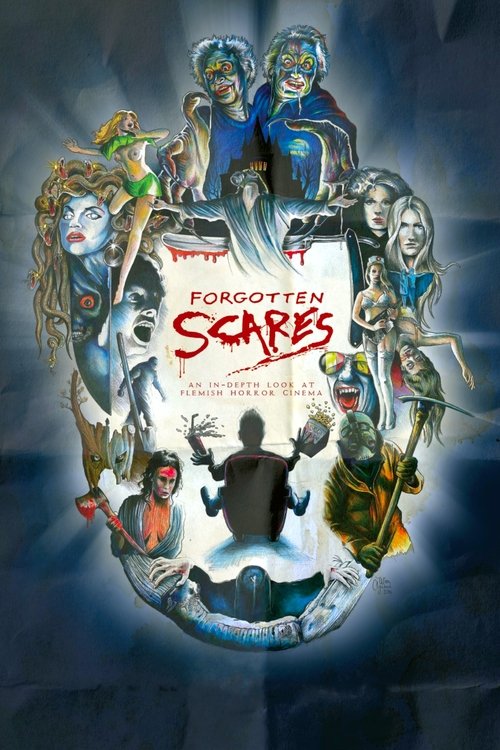
The feature-length documentary "Forgotten Scares" goes back to the birth of Flemish horror in the '70s and shines a bright light on the future of horror in Belgium. The viewer gets a chance to discover long forgotten - and even unfinished - genre gems and learn in-depth info about underrated 'splatter and gore'-fests, post-apocalyptic movies, slasher-films, nazisploitation, women-in-prison and other fantastical Flemish genre benders through the eyes of the directors, producers, composers, principal actors and genre experts. "Forgotten Scares" is illustrated by rare behind the scene footage, classic film scenes, production stills, promotional art and even never before seen videos out of the vaults of the filmmakers.
A deep dive into the mind of Raven — wrestling's tortured genius- Nevermore explores how one man's pain, brilliance, and chaos helped reshape pro wrestling in ECW's brutal, blood-soaked heyday.
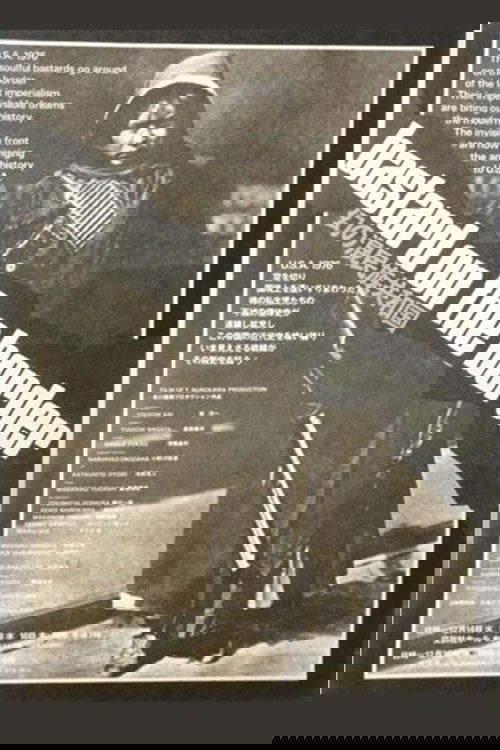
The United States celebrates its bicentennial. The film depicts the history of a rebellious nation that has been overshadowed by the authentic history of the U.S., including slums, Vietnam veterans, incarcerated Nikkei, and indigenous peoples.
The changing position of the sun in the sky affects the behaviour of animals and plants across our planet. From the moment it rises, animals are waiting, ready to take advantage of the opportunities that the sun creates. A quirky chameleon uses solar power to survive, while a family of lemurs get a morning heat fix. But, as the day progresses and the sun climbs higher in the sky, becoming more powerful, animals must also react as it pushes them toward moments of crisis. As the sun sets and its great heat and light are extinguished, a night-time world wakes, full of characters who have carved a niche in the darkness. But even in the dead of night, the sun is not lost. Its rays are reflected in the moon, our 'ghost sun.' We take the rising and setting of the sun for granted, but it is the ultimate game changer. The way the natural world responds will be the difference between success and failure, life or death.
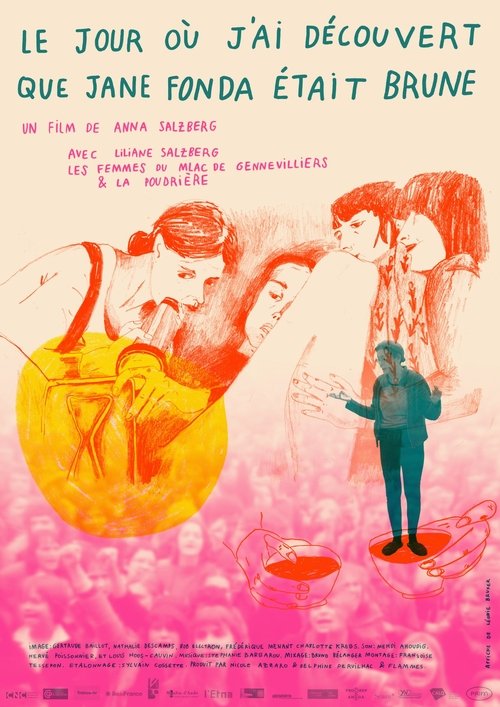
“I ask my mother about her past feminist commitment, and why she made a child on her own. She doesn’t answer me. I want to pierce the mystery of my mother. I discover the women’s movement of the 1970s, an activist feminist cinema, and the woman filmmaker that I am changes. I meet and testify to the transmission of a memory of feminist struggles through collective cinematographic practices.” Anna Salzberg