The film takes place in three nations: in Switzerland, Cuba and Bosnia. In each of these three countries we accompany persons who dream of a better life elsewhere.

Between 1931 to 2002, Switzerland issued some six million seasonal residence permits, known as "A" permits, to immigrant workers. This status carried drastic rules, such as a ban on family reunification and a stay in Switzerland limited to nine months a year. In open letters, former seasonal workers and their children recount the impact this system had on their lives.
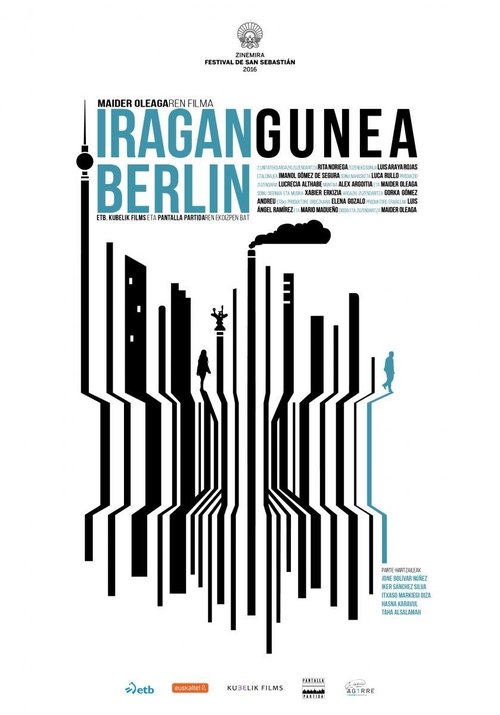
The film follows five people from different origins as they move anonymously around the streets of Berlin. Each of them with another life somewhere else, trying to ascertain where to go.
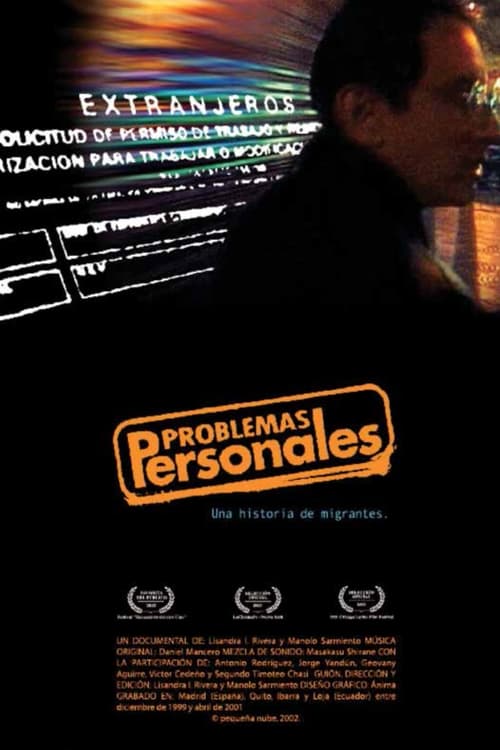
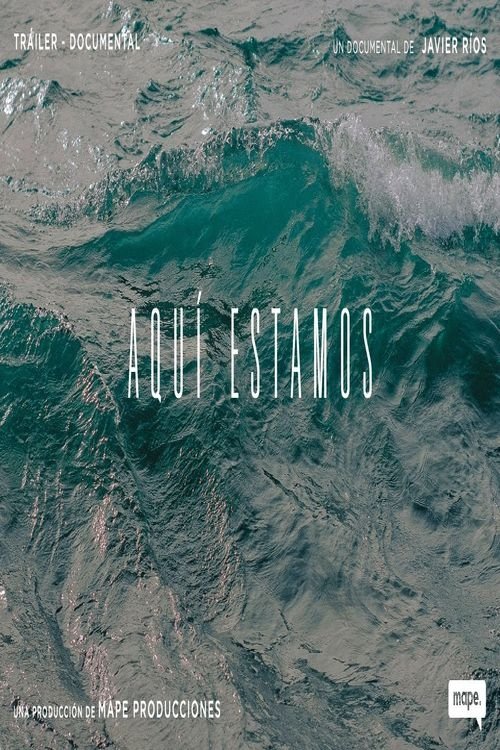
Documentary that focus on the lives of three Ecuadorian migrants. It is a portrait of the suffering, the effort and nostalgia of the Ecuadorians who arrived in Spain during the migratory wave of 1999 and 2000.
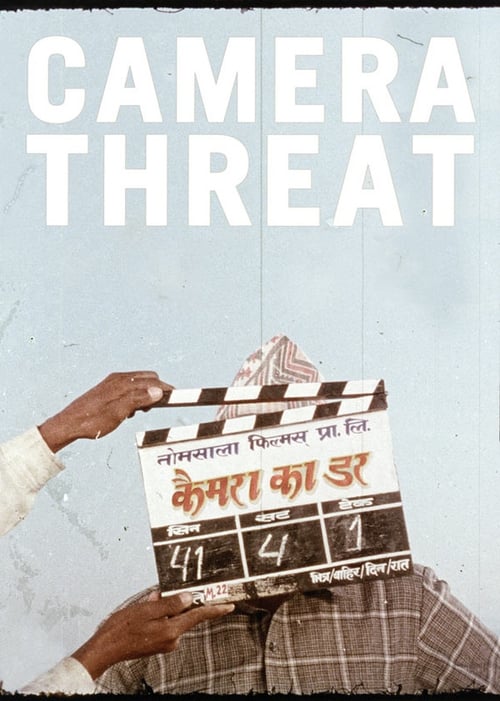
Somewhere in the dreary zones of Mumbai's film industry, stuck between star-cult, superstition and the daily gridlock, Camera Threat explores the ambivalent, and sometimes paranoid relationship that this film city has with the moving image itself. Seated on a casting couch, two actors are getting trapped in their impromptu conversations on the unwanted side effects of a world that no longer bothers to tell facts from fiction. An expanded multi-genre film within the constraints of the so-called Masala Formula popularly known from Indian cinema.
The stories of four Iranian families who emigrate to Canada and the city they leave behind. As departure time approaches, social spaces become places of memory, fading into the distance.
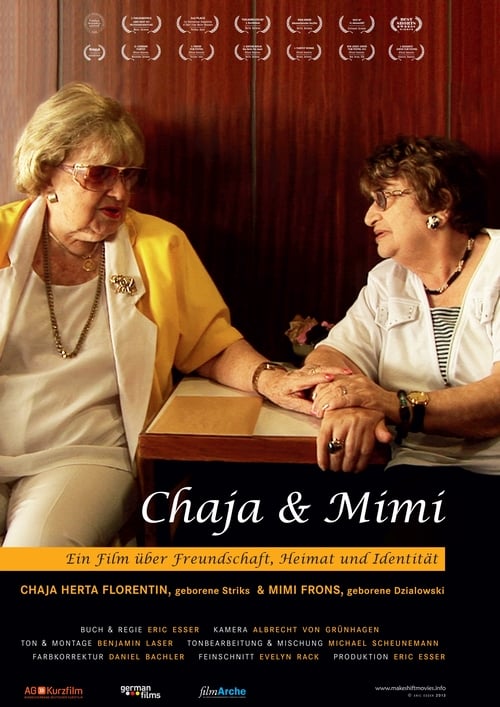
Chaja Florentin and Mimi Frons have been best friends for 83 years. Born and raised in Berlin, they had to escape from the Nazis to Palestine with their families in 1934. They talk about their complicated relationship with Berlin in a Tel Aviv café where they meet everyday. A film about friendship, homeland and identity.
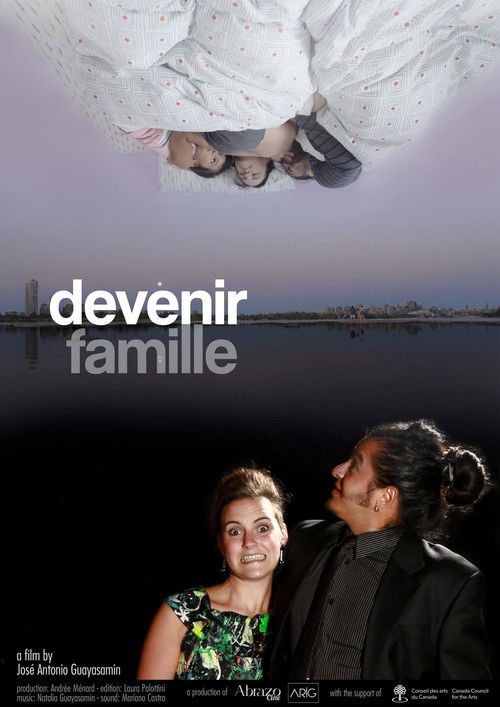
Over the course of thirteen years, the filmmaker and protagonist shares the experience of his binational family, taking us to his wife's country. "Becoming family" requires a significant cultural sacrifice, as they navigate the challenges of uprooting and integrating into a new society. The film offers a transformative glimpse into the realities of migration.
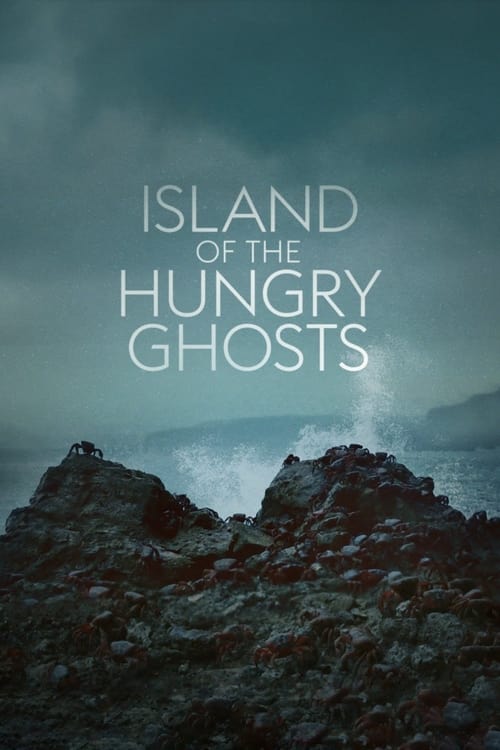
Christmas Island, Australia is home to one of the largest land migrations on earth—that of forty million crabs journeying from jungle to sea. But the jungle holds another secret: a high-security facility that indefinitely detains individuals seeking asylum.
Obāchan is Japanese. She left her native archipelago in 1941 to marry one of her compatriots, 17 years older, settled in Mexico. Through fragments of family films, manga and sequences that she has shot, Nicolasa Ruiz sculpts a complex and delicate memory landscape between the two shores of the Pacific.
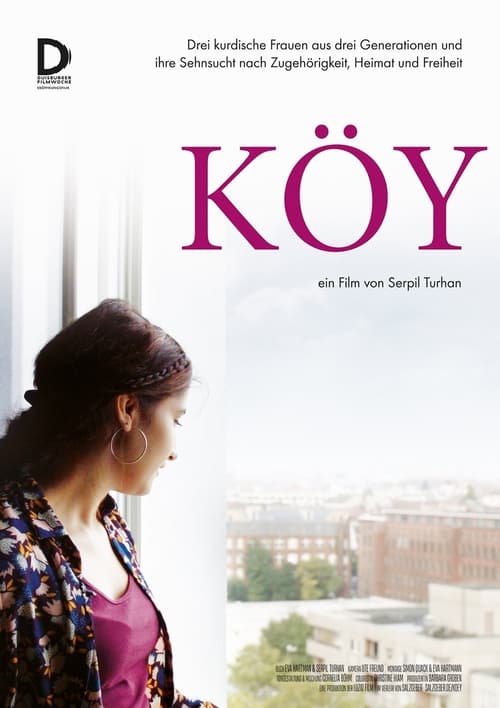
KÖY (Turkish for village) is about the longing for home, for belonging and the freedom of the self. Three women from three generations are united by their Kurdish roots.
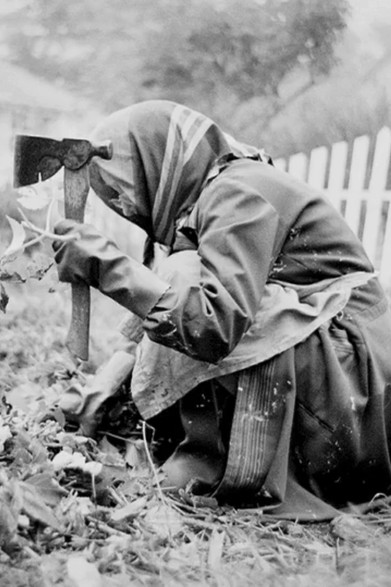
An intimate meditation on exile and home, Prysia’s Garden portrays the quiet life of aging Ukrainian refugee Prysia through the detailed photographic lens of first-generation Ukrainian-American Lida Suchy. By confronting Prysia’s story, Lida reflects upon her own roots, looking to understand what makes a new place a home.
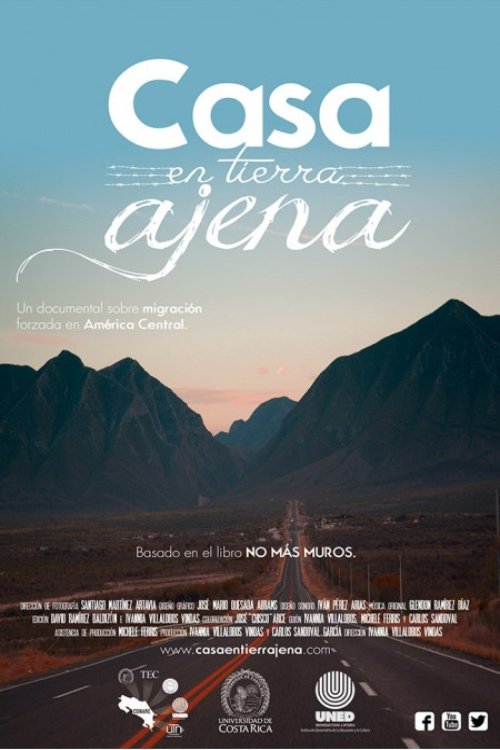
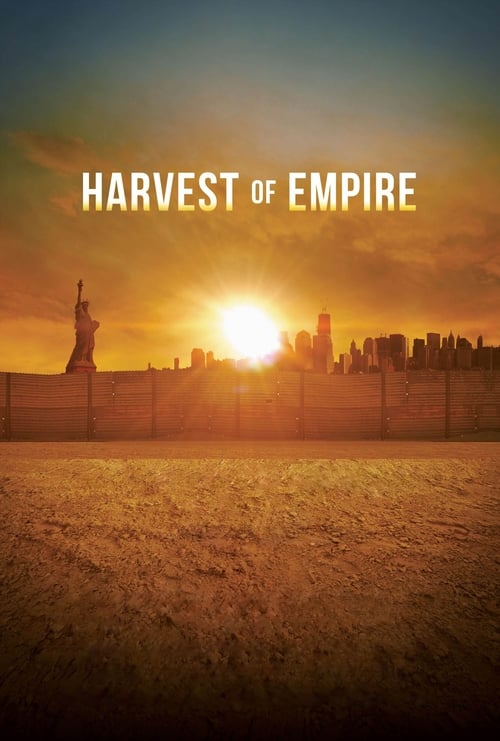
This documentary traces the history of U.S. relations with Latin America and draws strong links to America's current immigration crisis. Decaying economies in much of Latin America are viewed as the result of ill-conceived U.S. policies.
This video research is based on a trip to Morocco in July 2005, during which the director documented irregular migration transiting through Morocco, as well as their control. This geographical project focuses on the main migratory axes: Oujda, entry point for migrants in Morocco; Tangier, from where migrants can try to cross the strait or the fences of Ceuta; Rabat, organization space; and Laayoune, the closest point to the Canaries. The video questions the nature and meaning of these extraterritorial enclaves that structure the Moroccan territory.
This intimate letter from a migrant grandson about his Italian grandmother, also a migrant, unites in a trip to Italy the portrait of Venezuelan migration as a vital legacy of the European post-war period and the current crisis that has led the South American country to the largest exodus the continent has ever known.
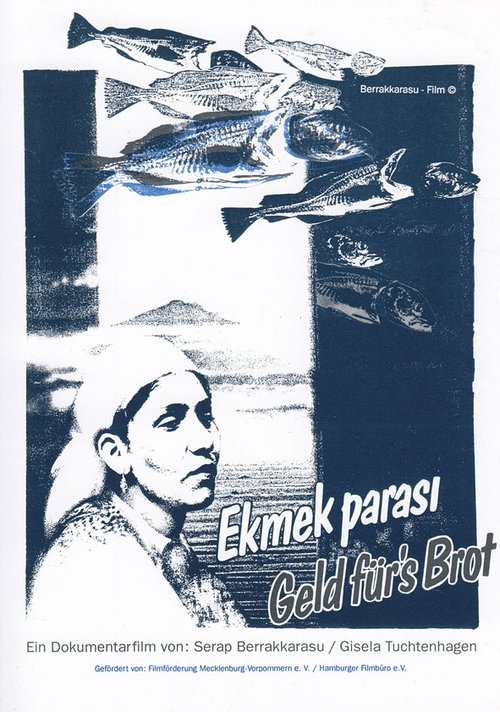
Women from Turkey and Mecklenburg are working together side-by-side at a fish-processing factory in Lübeck. As they work, they share stories about their lives, including their sorrows, griefs, hopes, and dreams, while expressing their longing for home and feelings of being lost in a foreign place.
In the mountains of Colombia's Coffee Triangle, a family faces the shadow of armed conflict. Years later, a son reconstructs the inherited fear, amidst echoes of the past and invisible scars. A sensory journey into memory, where the unspoken still resonates.
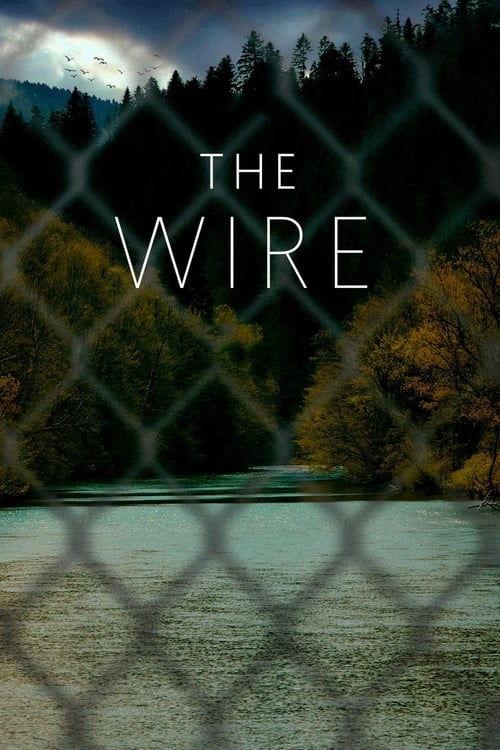
The inhabitants of the canyon of river Kupa, located on the border between Croatia and Slovenia, have historically been united due to their harsh living conditions, but this peaceful cohabitation between members of different cultures is threatened by the construction of iron fences to prevent the transit of refugees from Bosnia.