The film purports to be the second version of a (fictional) film made by Baudelaire in 1850 in memory of his (actual) voyage across the Pacific. It was shot using a world map mounted on black board, filmed in its entirety and in extreme close-up.
At 7 p.m. he had an appointment...an important appointment.
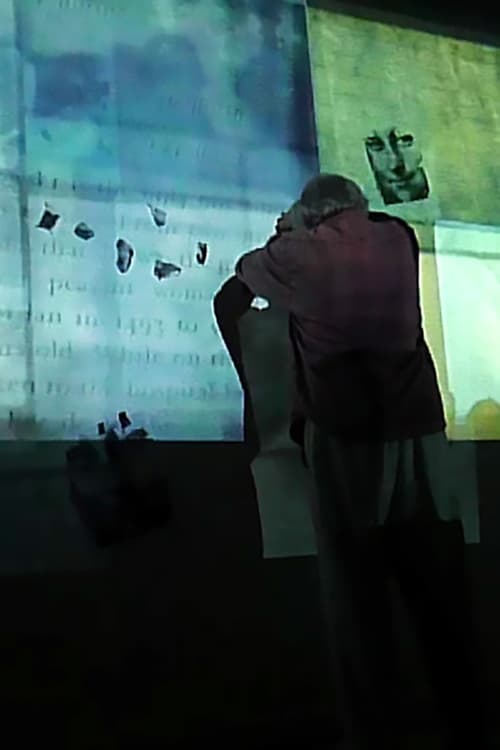
"This installation or performance work puts my own earlier film of the Mona Lisa (1973) through another stage of transformation – my own irretrievable self of some 34 years ago is now also part of the subject I first saw the ‘actual’ ‘Mona Lisa’ when I was about thirteen. Of course I had seen dozens of reproductions in books and postcards by then and the popular mythology of the enigmatic smile was already well engrained in my mind. My strongest impression, as I recall, was how small and unsurprising it was – a heavily protected cultural icon – no longer really a picture – and I was much more excited by the painting of the distant landscape than by the face. My own ‘version’ of ‘la Giaconda’ was never an homage, nor like Marcel Duchamp’s ‘L.H.O.O.Q’, an attack on its cultural power. Instead it came from a fascination with change and transformation – maybe also with arbitrary appropriation." Malcolm Le Grice
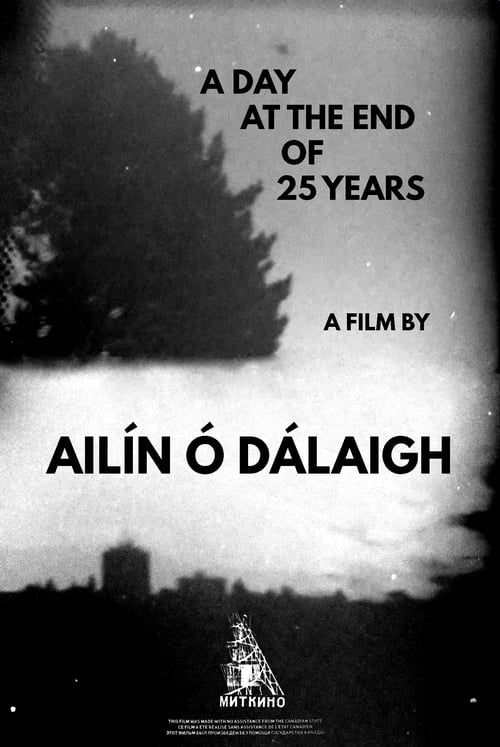
An experimental short film shot on Soviet Sveta 8mm film stock expired in 1984. It documents the 25th birthday of the filmmaker.
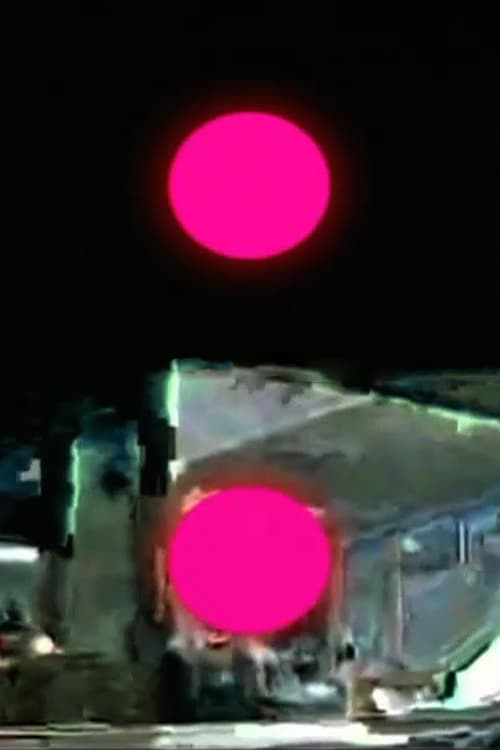
In Untitled (Pink Dot), Murata transforms footage from the Sylvester Stallone film First Blood (1982) into a morass of seething electronic abstraction. Subjected to Murata's meticulous digital reprocessing, the action scenes decompose and are subsumed into an almost palpable, cascading digital sludge, presided over by a hypnotically pulsating pink dot.
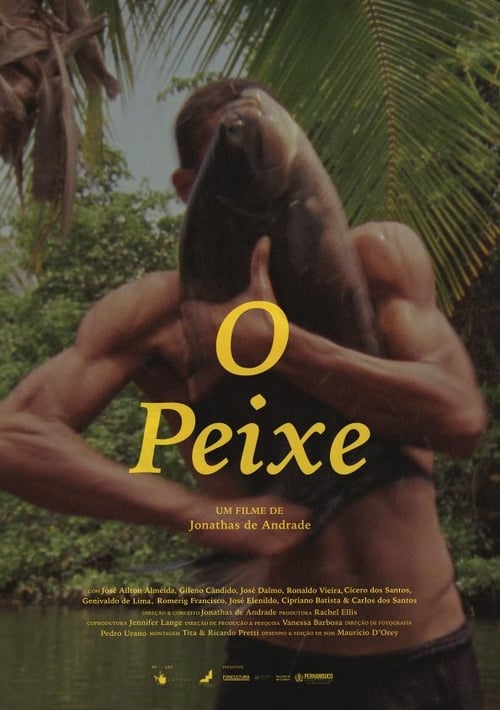
"A fisherman, dark-skinned and shirtless, sits in a boat on a quiet river and, before long, catches a fish. The fish gasps for air and the fisherman holds it to his chest until it dies. This sequence—performed by a series of fishermen, of various ages and using various styles of capture—is the spine of the work, interrupted by passages of quiet natural beauty; one shot is a steady, stately pan through scores of trees and empty air behind." - Vinson Cunningham
Documentary on the interdependence of the world of the living and the dead, and 'the infernal influence on the thoughts and actions of living people.
A tale of 2 passages within the Spirit house. This is the first in a series that looks at the places we find our spiritual presence augmented, inflamed, or simply acknowledged.
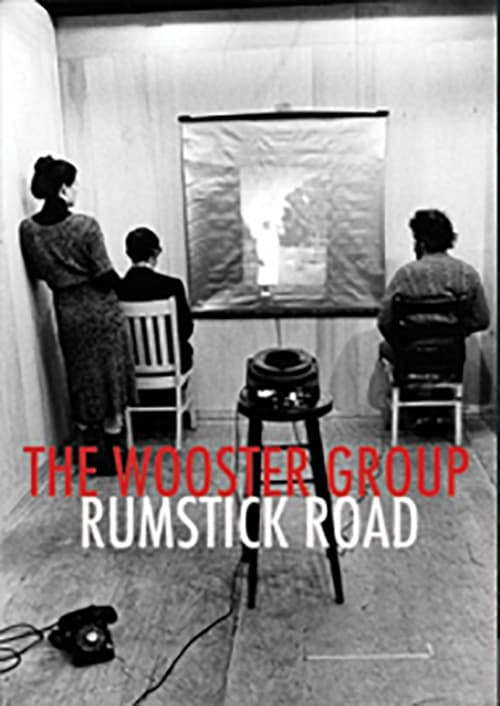
A video reconstruction of the 1977 Wooster Group production Rumstick Road, an experimental theater performance created by Spalding Gray and Elizabeth LeCompte after the suicide of Gray's mother. Archival recordings are combined with photographs, slides, and other materials to recreate the original production.
Butterfly as verb. The monarch migration and an unearthed cassette tape correspondence form a storm speaking towards motherhood, loss, expectation, care and legacy. An elegy. An ode to uncertainty. A cry for radical optimism and a reordering of splendor.
“Past Perfect” is a spirited meditation on the elusiveness and inaccessibility of (Jewish) history as conveyed through sightseeing tours of “Jewish” Poland, a grandmother’s recollection of life in America during War II, and memoir-like “last moments” of a great aunt believed to have died in Treblinka. Shot almost entirely in contemporary Poland, “Past Perfect” lyrically portrays the relentless yet ultimately futile attempt to resuscitate a history literally gone up in smoke.
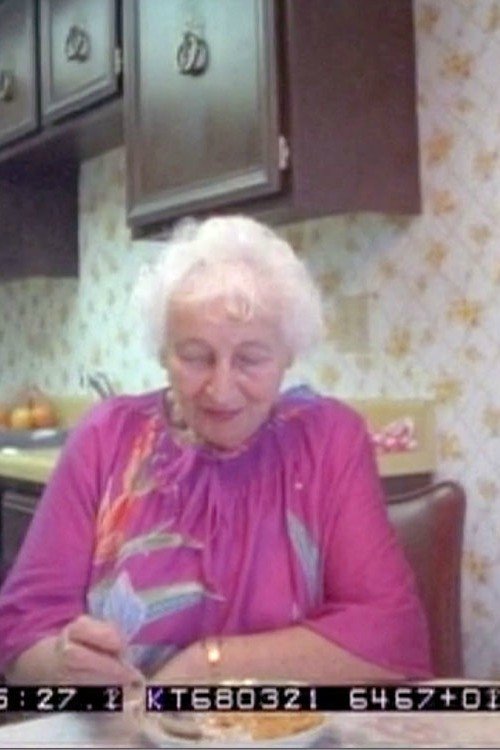
Sites Unseen is a 3 channel 16mm projection of the Jewish cemetary in Warsaw, a photograph of a great Aunt who died in Treblinka, and my late grandmother eating her morning cornflakes.
A super 8 projection which references the essay “On the Jewish Question” by Karl Marx.
This experimental video breaks the many silences surrounding lesbians and AIDS. Interweaving the voices of two friends, Internal Combustion reflects on the often unspoken tensions within this epidemic of survival and power and mourning and loss .
A story about a woman descending into mental illness.
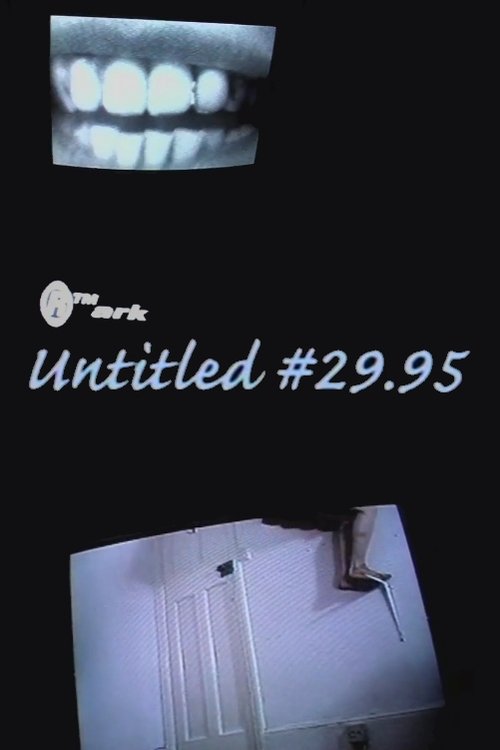
Originally produced anonymously and distributed by RTMark, Untitled #29.95 tells the story of the commercial art establishment's attempt to turn video art into a precious commodified object through the release of limited editions during the nineties.
Dialogue-free short detailing the daily tasks of a man and his wife.
In an abandoned shopping center outside of Cleveland, the story of the last remaining grocery store is told through recent google reviews.