Documentary short detailing the American soldier's part in preserving the fundamental ideals of this nation. Preserved by the Academy Film Archive in 2012.
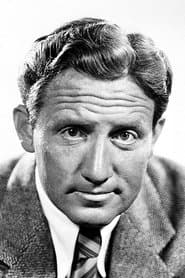
Spencer Tracy
as Narrator (voice)
Primary is a documentary film about the primary elections between John F. Kennedy and Hubert Humphrey in 1960. Primary is the first documentary to use light equipment in order to follow their subjects in a more intimate filmmaking style. This unconventional way of filming created a new look for documentary films where the camera’s lens was right in the middle of what ever drama was occurring. Preserved by the Academy Film Archive in partnership with The Film Foundation in 1998.
An event organised by CND pits the bomb against poetry. Hear artists who hoped that words and rhymes could put an end to destructive times.
Michael Moore's view on how the Bush administration allegedly used the tragic events on 9/11 to push forward its agenda for unjust wars in Afghanistan and Iraq.
A searing example of boots-on-the-ground reportage follows the efforts of the internationally recognized White Helmets, an organization consisting of ordinary citizens who are the first to rush towards military strikes and attacks in the hope of saving lives. Incorporating moments of both heart-pounding suspense and improbable beauty, the documentary draws us into the lives of three of its founders — Khaled, Subhi, and Mahmoud — as they grapple with the chaos around them and struggle with an ever-present dilemma: do they flee or stay and fight for their country?
Every school day, African-American teenagers William Gates and Arthur Agee travel 90 minutes each way from inner-city Chicago to St. Joseph High School in Westchester, Illinois, a predominately white suburban school well-known for the excellence of its basketball program. Gates and Agee dream of NBA stardom, and with the support of their close-knit families, they battle the social and physical obstacles that stand in their way. This acclaimed documentary was shot over the course of five years.
Satyajit Ray's poetic documentary was commissioned by the Chogyal (King) of Sikkim at a time when he felt the sovereignty of Sikkim was under threat from both China and India. Ray's documentary is about the sovereignty of Sikkim. The film was banned by the government of India when Sikkim merged with India in 1975. The ban was finally lifted by the Ministry of External Affairs in September 2010. Preserved by the Academy Film Archive in 2007.
Deep beneath the surface in the Syrian province of Ghouta, a group of female doctors have established an underground field hospital. Under the supervision of paediatrician Dr. Amani and her staff of doctors and nurses, hope is restored for some of the thousands of children and civilian victims of the ruthless Syrian civil war.
Here and Elsewhere takes its name from the contrasting footage it shows of the fedayeen and of a French family watching television at home. Originally shot by the Dziga Vertov Group as a film on Palestinian freedom fighters, Godard later reworked the material alongside Anne-Marie Miéville.
A film's art director is in charge of the set, from conception to construction to furnishing. This short film walks the viewer through art directors' responsibilities and the demands on their talents. They read a script carefully and design a set to capture the time and place, the social strata, and the mood. They must be scholars of the history of architecture, furnishings, and fashion. They choose the colors on a set in anticipation of the lighting and the mood. Their work also sets styles, from Art Deco in the 20's to 30s modernism. Then it's on to the next project. Preserved by the Academy Film Archive in 2012.
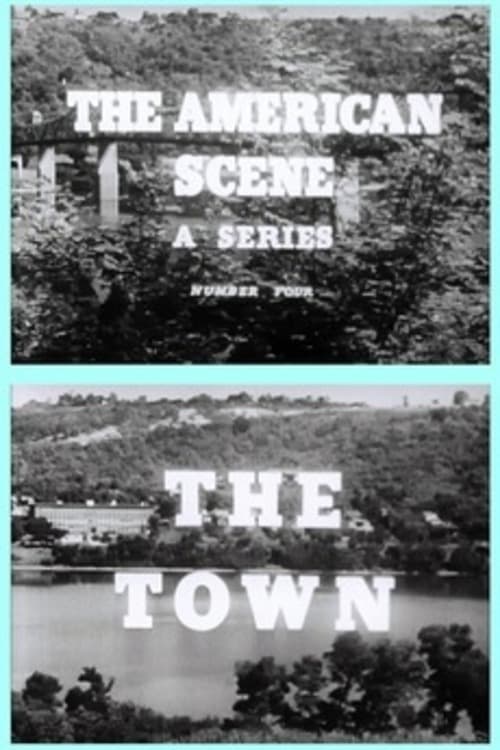
The Town was a short propaganda film produced by the Office of War Information in 1945. It presents an idealized vision of American life, shown in microcosm by Madison, Indiana. It was created primarily for exhibition abroad, to provide international audiences a more well-rounded view of America, and was therefore produced in more than 20 translations. Preserved by the Academy Film Archive in 2012.
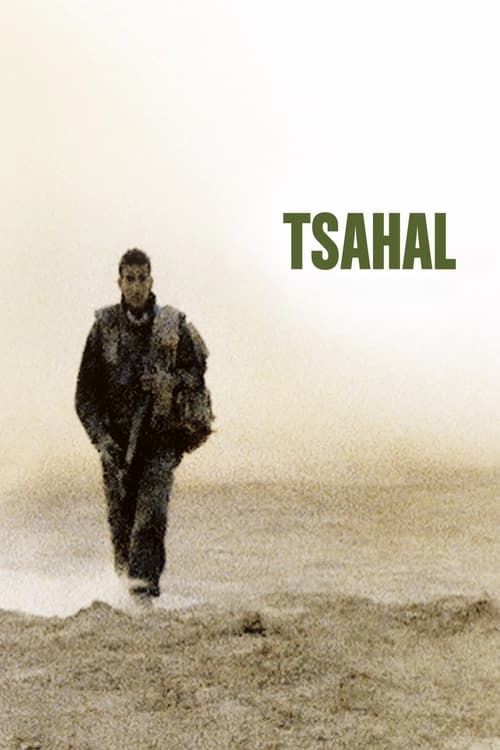
The ideologies underlying the foundation of modern Israel are explored in this documentary, the third of a trilogy (created over a twenty year span) exploring the Jewish experience. The two earlier documentaries, "Porquoi Israel," and "Shoah," have had great effect on the ways documentaries are produced. "Tsahal" zeroes in on the crucial role of the military in Israeli society and politics. The film uses many in-depth interviews to present the many feelings and thoughts about the Israeli military.
A documentary about four African-American comediennes set in 1984. Restored in 2021 by the Academy Film Archive.
Documentary on the main principles of Sun Tsu "Art of War" illustrated with examples from the second world war, the Vietnam war and the American civil war.
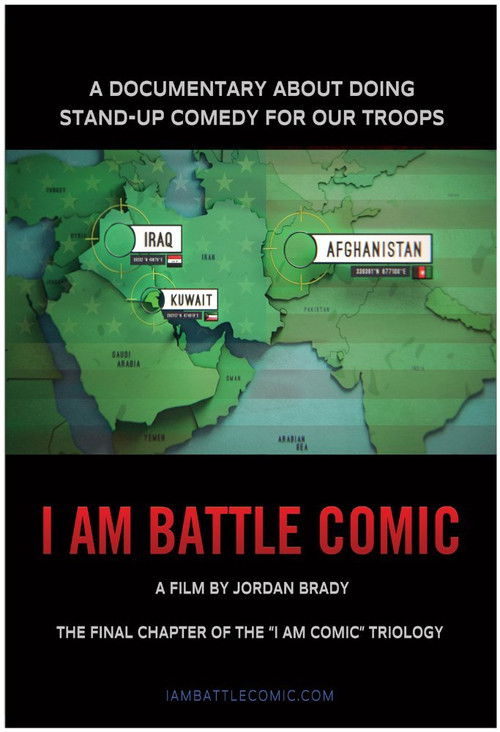
A comedy documentary about performing stand-up comedy for U.S. Troops stationed in Afghanistan, Kuwait and Iraq. Heartfelt interviews with top professional comedians are woven in with filmmaker Jordan Brady's first-hand experience going to the Middle East. While traveling (Spring 2016) brutal terrorist attacks in Brussels, Turkey and Iraq remind us of the dangers in thew world, and underscore the mission to provide laughter for the men and women serving the military.
This film documents the coal miners' strike against the Brookside Mine of the Eastover Mining Company in Harlan County, Kentucky in June, 1973. Eastover's refusal to sign a contract (when the miners joined with the United Mine Workers of America) led to the strike, which lasted more than a year and included violent battles between gun-toting company thugs/scabs and the picketing miners and their supportive women-folk. Director Barbara Kopple puts the strike into perspective by giving us some background on the historical plight of the miners and some history of the UMWA. Preserved by the Academy Film Archive in partnership with New York Women in Film & Television in 2004.
Steven Okazaki presents a deeply moving look at the painful legacy of the first -- and hopefully last -- uses of nuclear weapons in war. Featuring interviews with fourteen atomic bomb survivors - many who have never spoken publicly before - and four Americans intimately involved in the bombings, White Light/Black Rain provides a detailed exploration of the bombings and their aftermath.
George Stevens's remarkable film is acclaimed by historians as the most important colour footage taken during the war. Milestones covered include the liberation of Paris, the link-up between the Russian and American armies on the River Elbe and the Allied capture of the Dachau concentration camp.
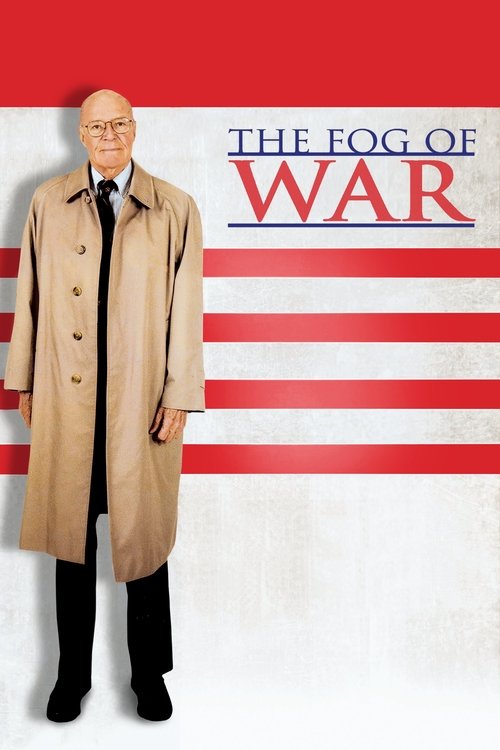
Using archival footage, cabinet conversation recordings, and an interview of the 85-year-old Robert McNamara, The Fog of War depicts his life, from working as a WWII whiz-kid military officer, to being the Ford Motor Company's president, to managing the Vietnam War as defense secretary for presidents Kennedy and Johnson.
The history of warfare as it relates to global Black society, broken down into 7 chapters that examines the ways the system of racism wages warfare from a historical, psychological, sexual, biological, health, educational, and military perspective.