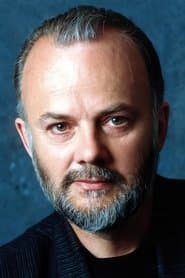
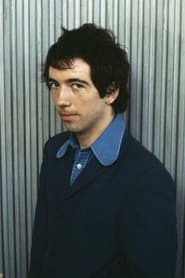
Brass Tacks was a current affairs programme shown on BBC2 between 1977 and 1988. On this episode called Punk Rock, broadcast on 3rd August 1977, it focuses on the Manchester Punk scene, bands and its iconic club, The Electric Circus.
John Peel
as Self
Pete Shelley
Brian Trueman
A group of young punk rockers get swept up into the surge of third wave emo. Spiraling through the fame, fun, & ultimately extreme fallout as the scene gives way to changing times when larger genres taint the shine of a well loved scene.
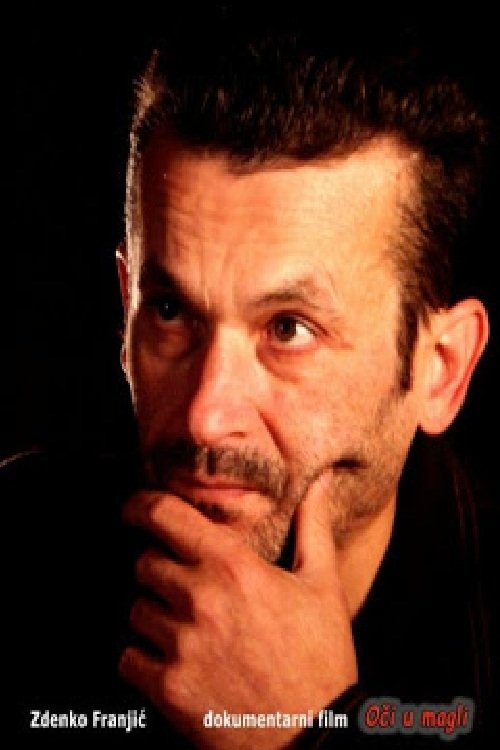
The portrait of Zdenko Franjić, a record producer of alternative rock bands in ex-Yugoslavia.
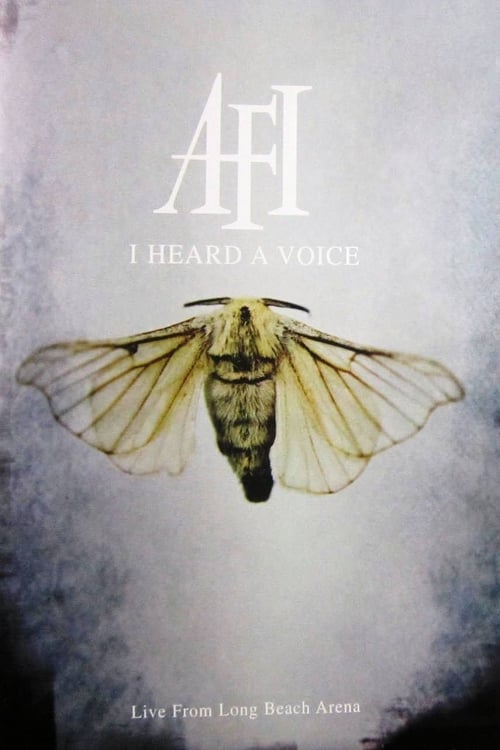
I Heard a Voice is the first live DVD from AFI that was released on December 12, 2006. The concert was filmed at the Long Beach Arena in Long Beach, California on Friday, September 15, 2006. Part of the Decemberunderground Tour, the crowd was the largest AFI had ever headlined with over 13,000 people in attendance. The title of this DVD is lifted from a line of poetry in the decemberunderground CD booklet. Underneath the song 37mm, it says: "The power went out. I turned on the radio. The power went out. I turned on the radio. The power went out. I turned on the radio....I heard a voice." The moth on the case is also from the decemberunderground booklet.
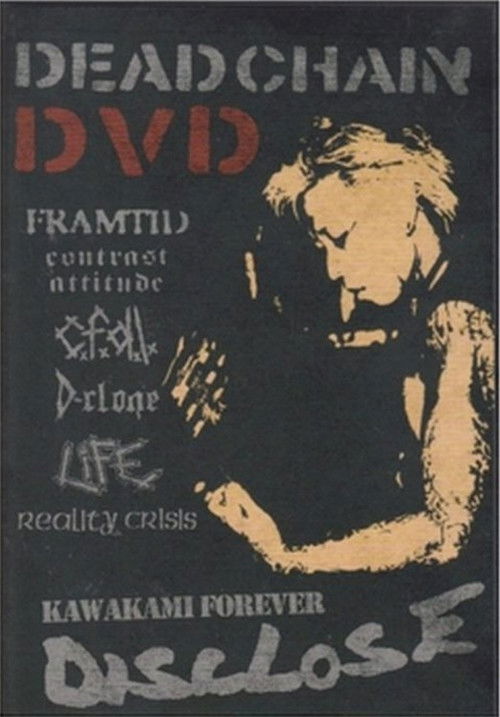
A documentary showcasing a series of tributes to deceased D-beat legend, Kawakami.
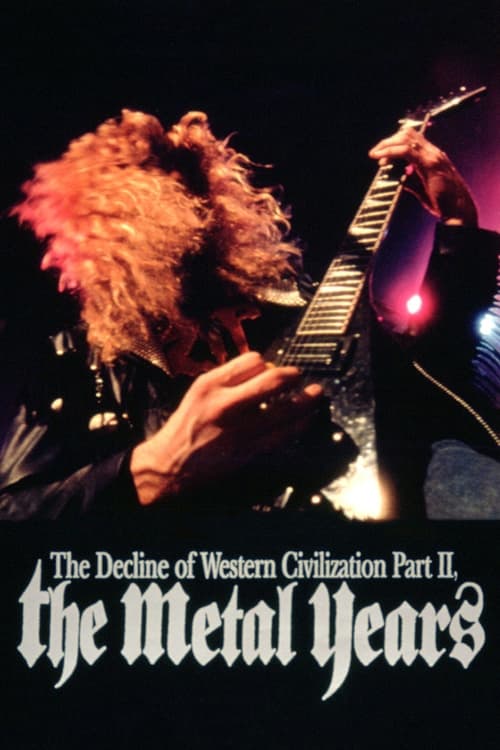
An exploration of the heavy metal scene in Los Angeles, with particular emphasis on glam metal. It features concert footage and interviews of legendary heavy metal and hard rock bands and artists such as Aerosmith, Alice Cooper, Kiss, Megadeth, Motörhead, Ozzy Osbourne and W.A.S.P..
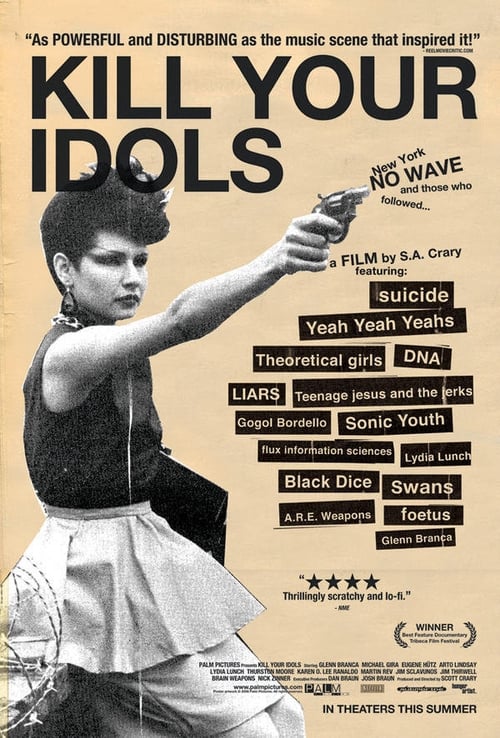
A 2004 documentary on thirty years of alternative rock 'n roll in NYC.Documenting the history from the genuine authenticity of No Wave to the current generation of would be icons and true innovators seeing to represent New York City in the 21st century
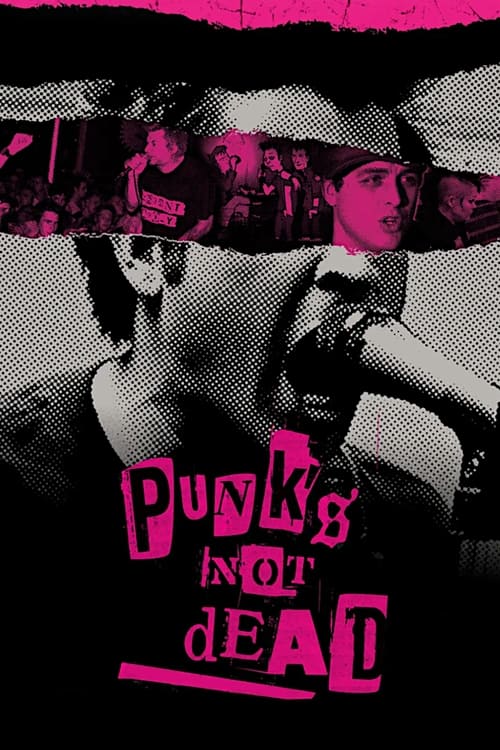
On the edge of the 30th anniversary of punk rock, Punk's Not Dead takes you into the sweaty underground clubs, backyard parties, recording studios, shopping malls and stadiums where punk rock music and culture continue to thrive.
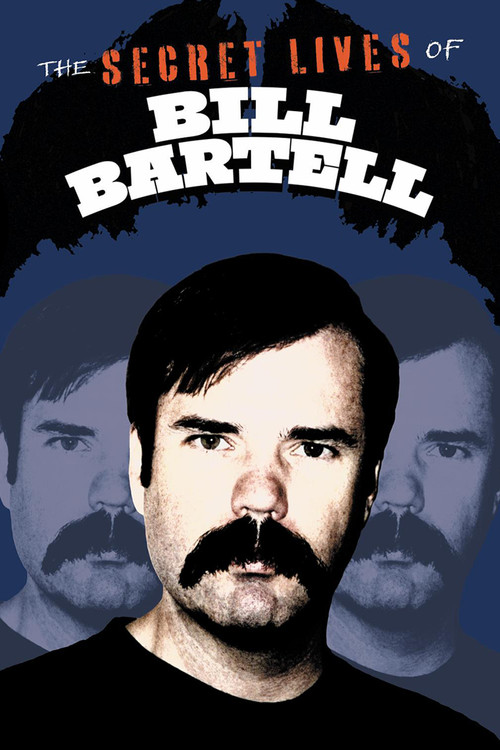
Bill Bartell was a multifaceted individual who traversed the punk rock scene, law enforcement, rodeo riding, and country music. Known for his unique contribution to punk rock through his label Gasatanka Records and band White Flag, Bartell's life defies conventional boundaries, blending hyper-masculinity with subcultural rebellion. His story, filled with mysterious and seemingly contradictory roles, offers a compelling narrative about identity, transformation, and the unexpected paths life can take.
HARD-CORE is a frank and irreverent documentary that asks the question, "what is hard-core?" Seedy, grainy, and fast-paced, this is a nostalgic look at an ephemeral moment in the history of a subculture: punk rock in San Francisco in the late eighties. Everyone from fucked-up teenagers to elderly Mexican tourists attempts to explain the allure and mystique of the scene. Filmed at SF's historical petting-zoo/theater/punk rock emporium The Farm.
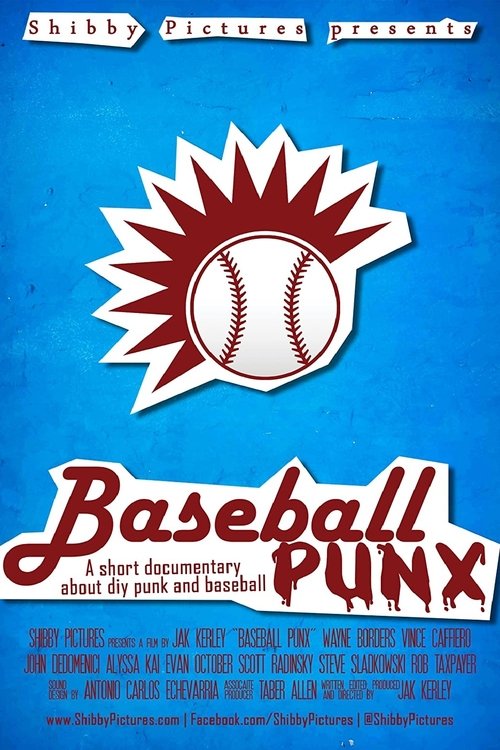
A documentary exploring the sporadic connections between baseball and punk rock.
A colorful and provocative survey of anarchism in America, the film attempts to dispel popular misconceptions and trace the historical development of the movement. The film explores the movement both as a native American philosophy stemming from 19th century American traditions of individualism, and as a foreign ideology brought to America by immigrants. The film features rare archival footage and interviews with significant personalities in anarchist history including Murray Boochkin and Karl Hess, and also live performance footage of the Dead Kennedys.
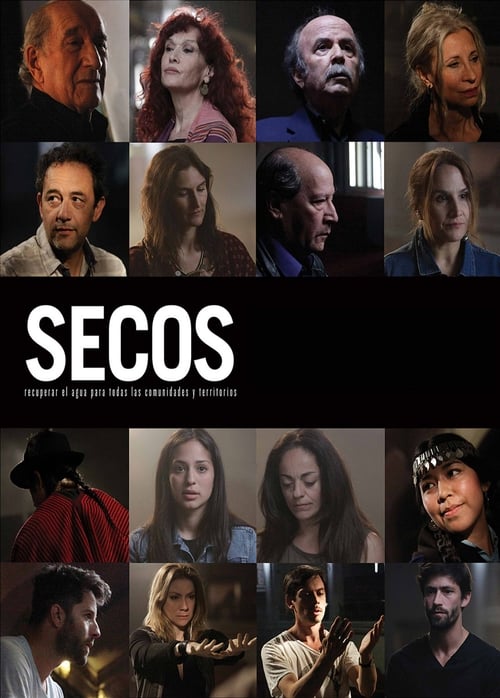
Chile is the only country that has privatized its waters, in favor of large corporations, to the detriment of homes in rural and urban communities. Secos is a short that makes this reality visible, through the dialog between anonymous fighters from the most heavily affected provinces, with renowned actors and actresses in the country. The objective is to activate the topic of water as a human right, to achieve in the future the recovery of this vital element as a common good for all communities and territories.
A documentary about the band X. Includes live and studio performances and interviews with the band members.
French hardcore legends Daïtro perform at L'Escapade, Clermont Ferrand, France - 04/02/2006 Tracklist 1. Y - 5 2. Nous Sommes D'Ici (We Live Here) 3. Laisser Vivre Les Squelettes (Let the Skeletons Live) 4. Chaque Seconde (Each Second) 5. Les Orbites En Eveil (The Awakening Orbits)
City of Caterpillar live at 'Alternative Music Foundation' AKA 924 Gilman, Berkeley, California - 11/29/2002
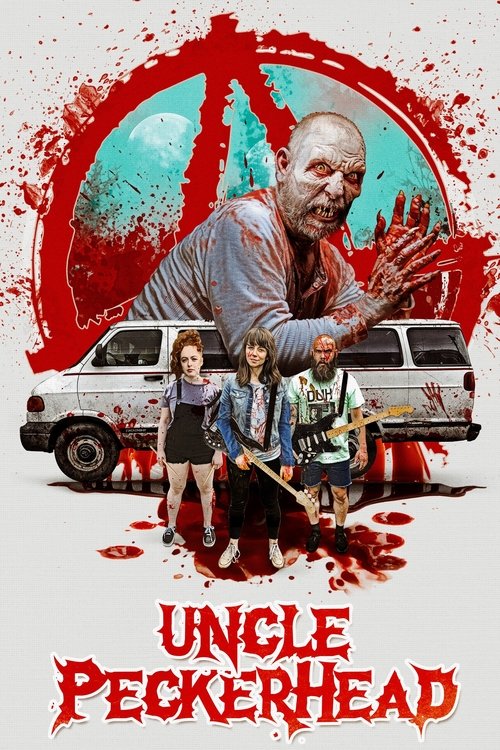
When a punk band scores their first tour, life on the road proves tough when they are joined by a man-eating demon as a roadie.
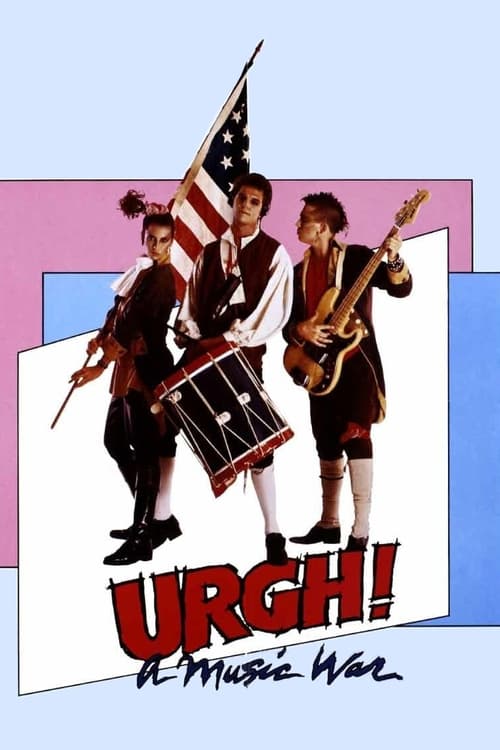
Urgh! A Music War is a British film released in 1982 featuring performances by punk rock, new wave, and post-punk acts, filmed in 1980. Among the artists featured in the movie are Orchestral Manoeuvres in the Dark (OMD), Magazine, The Go-Go's, Toyah Willcox, The Fleshtones, Joan Jett & the Blackhearts, X, XTC, Devo, The Cramps, Oingo Boingo, Dead Kennedys, Gary Numan, Klaus Nomi, Wall of Voodoo, Pere Ubu, Steel Pulse, Surf Punks, 999, UB40, Echo & the Bunnymen and The Police. These were many of the most popular groups on the New Wave scene; in keeping with the spirit of the scene, the film also features several less famous acts, and one completely obscure group, Invisible Sex, in what appears to be their only public performance.
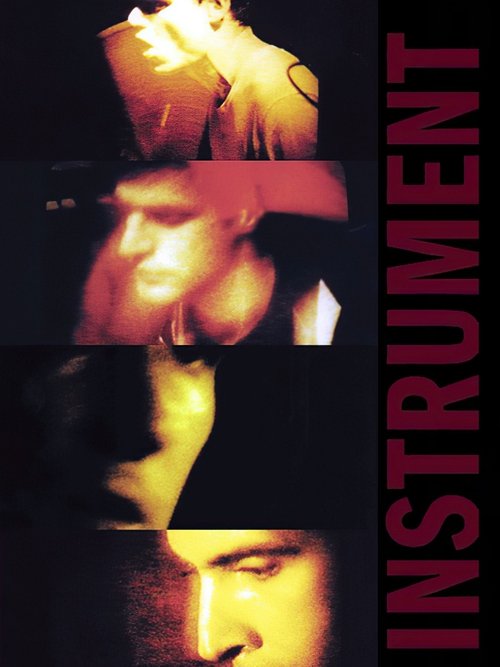
The band Fugazi is documented over a period of more than ten years (1987-1998) through performance footage and interviews with the band and their fans. Director Jem Cohen's relationship with band member Ian MacKaye extends back to the 1970s when the two met in high school in Washington, D.C.. The film takes its title from the Fugazi song of the same name, from their 1993 album, In on the Kill Taker. Editing of the film was done by both Cohen and the members of the band over the course of five years. It was shot from 1987 through 1998 on super 8, 16mm and video and is composed mainly of footage of concerts, interviews with the band members, practices, tours and time spent in the studio recording their 1995 album, Red Medicine. The film also includes portraits of fans as well as interviews with them at various Fugazi shows around the United States throughout the years.