Can the workplace be a space for lucubration, meditation or affection? Doormen and porters work in transit areas while remaining vigilant and solicitous. Confined during their working day in these spaces, they will share their confessions with us.
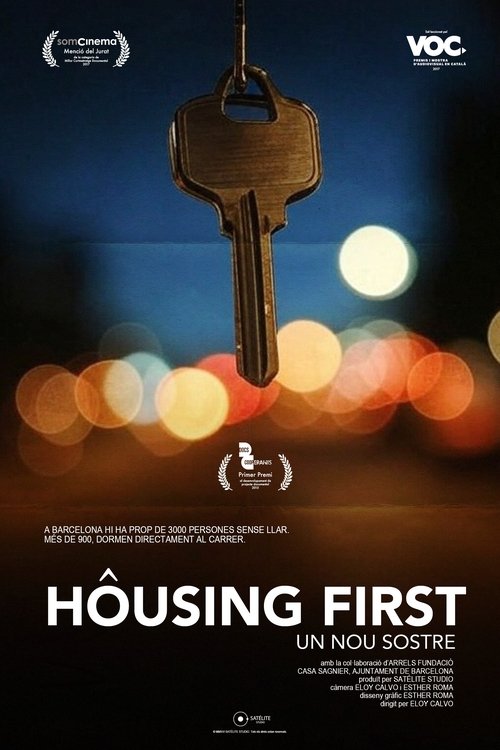
Arrels Fundació's experience with housing first in the city of Barcelona, a policy that offers permanent housing to homeless people. The documentary features both professionals and volunteers from Arrels, as well as people like Lluís, Pedro, or Manuel, who already have their own homes.
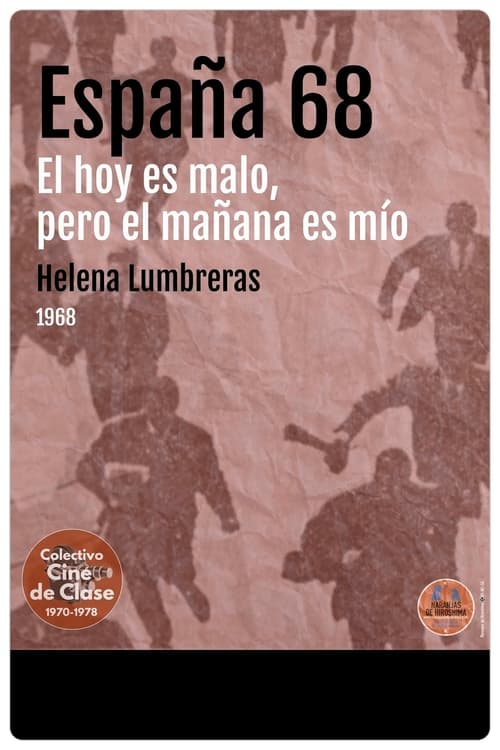
Spain, 1968. An analysis of the political and social situation of the country, suffocated by the boot of General Franco's tyrannical regime. (Filmed clandestinely in Madrid and Barcelona during the spring of 1968.)
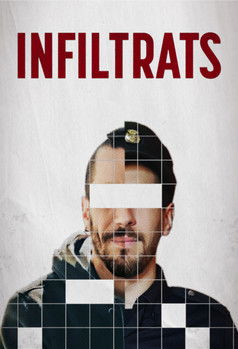
At the beginning of 2020 and for more than two years, at least four agents of the National Police Corps infiltrated various social movements in the Catalan Countries. They are part of the 33rd promotion of the Ávila Police School and act under the orders of the General Information Police Station. The documentary exposes the modus operandi and patterns of the police officers and reveals some of the mistakes that were key to discovering them.
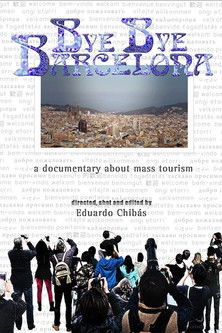
Bye Bye Barcelona is a documentary about a city and its relation to tourism , on the difficult coexistence between Barcelona the city and Barcelona the tourist destination
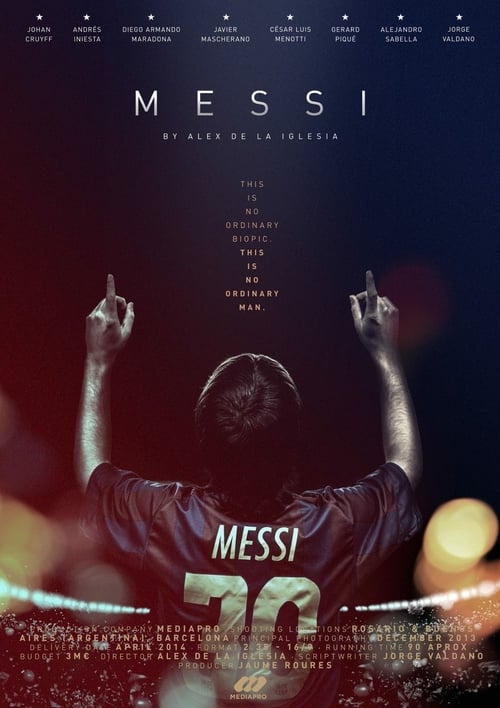
His teachers, coaches, childhood friends and Barça teammates, together with journalists, writers and prominent figures from the history of football, come together in a restaurant to analyze and pick apart Messi's personality both on and off the field, and to look back at some of the most significant moments in his life. Viewed from Álex de la Iglesia's unique perspective, Messi recreates the player's childhood and teenage years, from his very first steps, with a football always at his feet, through to the decision to leave Rosario for Barcelona, the separation from his family, and the role played in his career by individuals such as Ronaldinho, Rijkaard, Rexach and Guardiola.
The many faces of Barcelona are portrayed in this documentary, shot in a false sequence shot that goes across the streets, squares, markets and bars of a city that is presented as both conventional and law-breaking, exquisit and shameless, elegant and dispossessed.
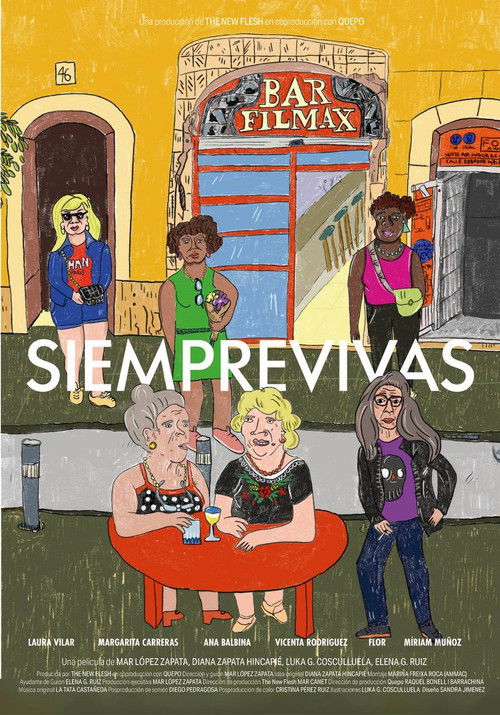
Six women stand before the camera to shape a unique film: it is unclear whether it is a documentary or a comedy, perhaps an LGBTQ+ statement or a film about sex work. What is certain is that it is a celebration of friendship and resilience, of communal life and solidarity. Add to this the boldness of the women involved, along with the freedom of an unabashed camera, and the result is irresistible.
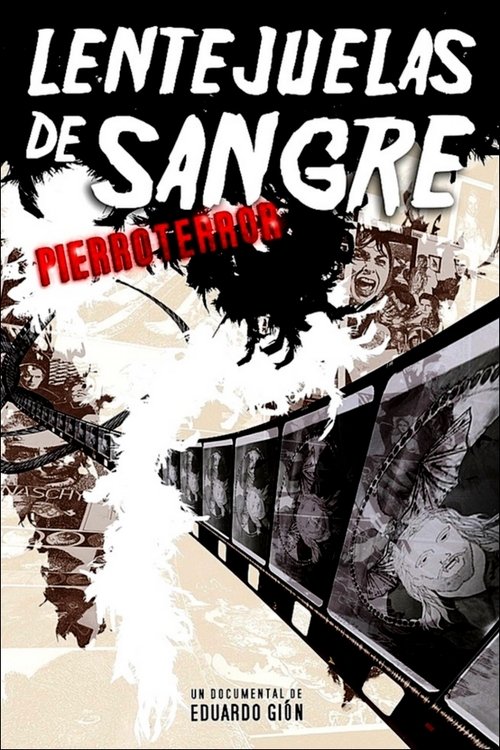
Antonio Gracia José (1942-2011), known as “Pierrot,” was a prominent member of the Barcelona art scene, a pioneer in the filmmaking of underground short films and Fantaterror movies, writer and playwright, magazine editor, movie poster painter, cartoonist and cabaret showman.
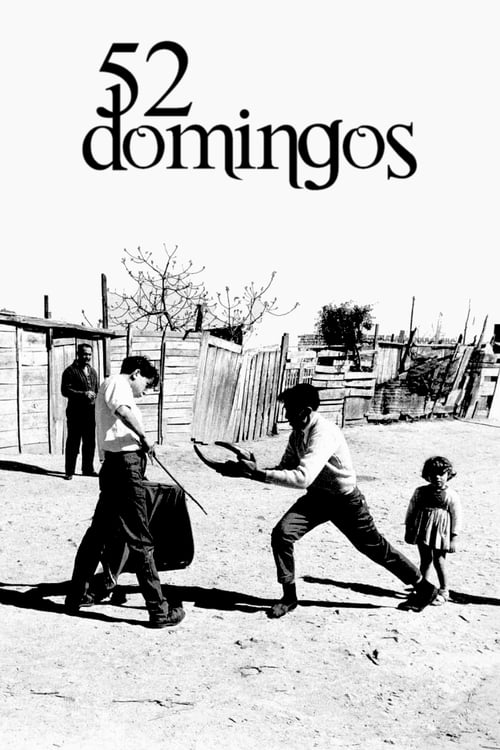
The misadventures of a group of young people who seek a better life by becoming bullfighters, the only way to leave their poor existence in the slums of Barcelona.
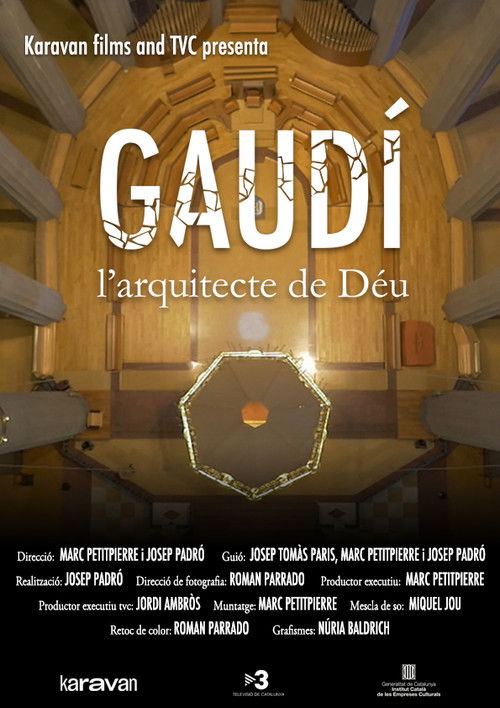
“Gaudí, l’arquitecte de Déu” is a story of faith, of overcoming, about five lay that decided to create an assossiation to demonstrate that Gaudí deserves one of most valuable titles of the Church: beatification. The Pro-Beatification Association of Antoni Gaudí has been working more than 25 years to manage to beatify the architect of Reus, picking up all witnesses and proofs that demonstrate that Gaudi lived like a beatus and, the most difficult part, wiaiting for a miracle to happen attributed do Gaudí himself, an essential condition for his beatification. The documentary will follow this case, showing Gaudi’s life and work from a new outlook, more intimate and linked to spirituality and beliefs of the architect.
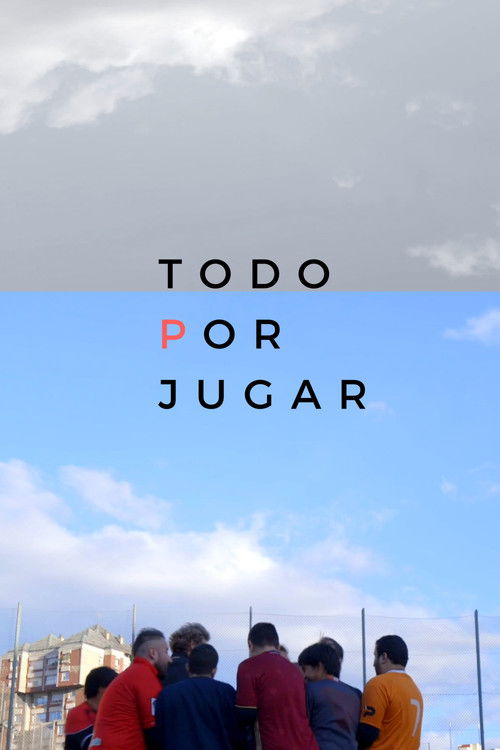
FC Pol Positiu are on a 2 year unbeaten streak in a league made up of players with mental illnesses. On their journeys as a unit and as individuals they contend with hospital admissions, the pressure of the game and what it means to be a team that accepts anyone, no matter who you are.
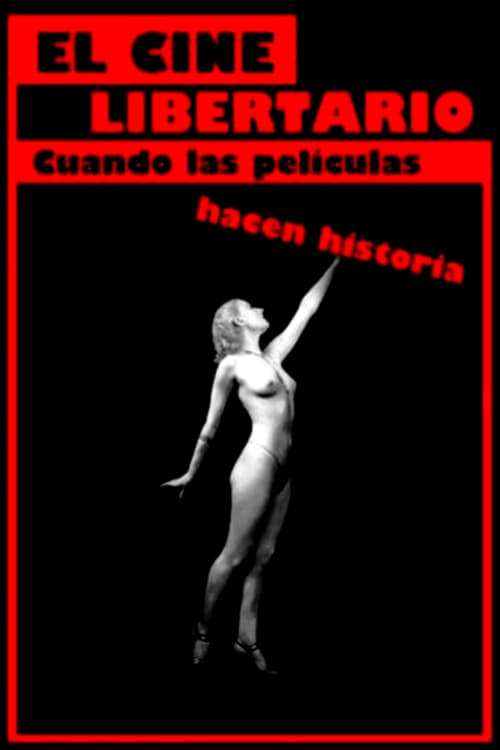
Upon the outbreak of the Spanish Civil War in July 1936, the anarchist union CNT socialized the film industry in Spain, so in Madrid and Barcelona film workers took over the production assets and, between 1936 and 1938, numerous films on a wide variety of topics were released, composing a varied mosaic that gives rise to one of the most unusual and original moments of Spanish cinematography.
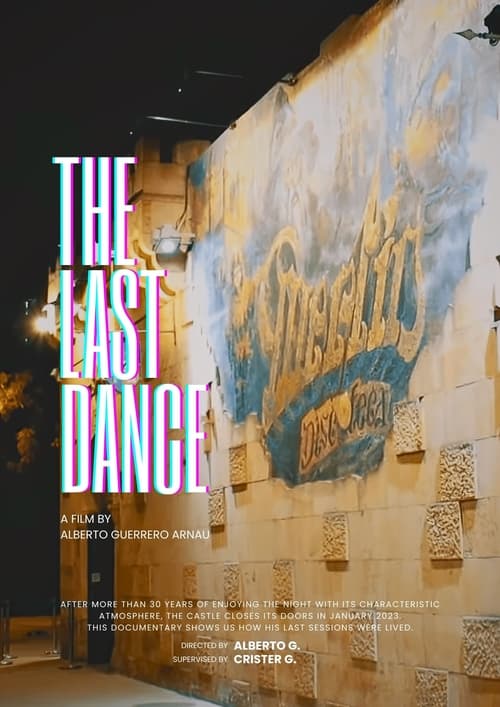
Merlin nightclub opened in 1992 in Barcelona and its medieval appearance did not leave anyone indifferent from the first day. After more than 30 years of enjoying the night with its characteristic atmosphere and varied musical selection, the castle was forced to close its doors in January 2023 despite filling the room every weekend. This video immortalizes the place through its regular customers and staff.
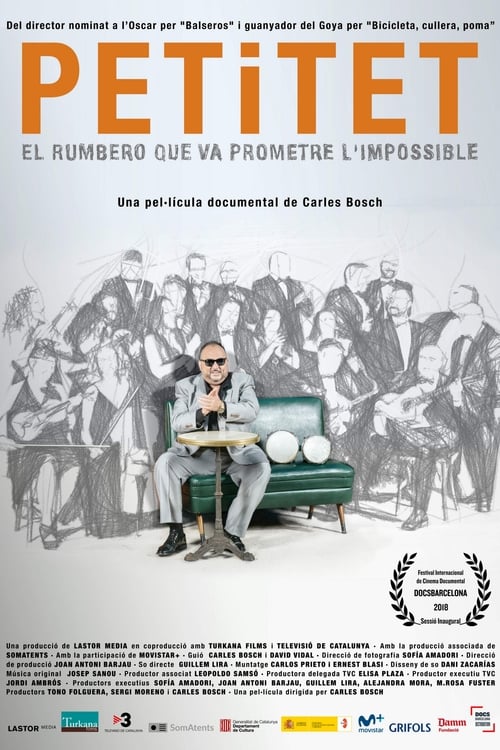
Joan Ximénez el Petitet is a Catalan gypsy who pursues a dream. A former musician now —a percussionist, son of Ramón el Huesos who worked with the mythical singer Peret—, and affected by a rare chronic disease, he wants to accomplish the promise he made to his mother before she died: to celebrate a rumba concert on the stage of the Liceu, a great theater in Barcelona, along with a big symphony orchestra.