A disturbing portrait of four Western volunteers who risk their lives to fight ISIS alongside Kurdish forces. The feature documentary 'My War' probes the complex motives behind the need to take up arms on someone else’s behalf.
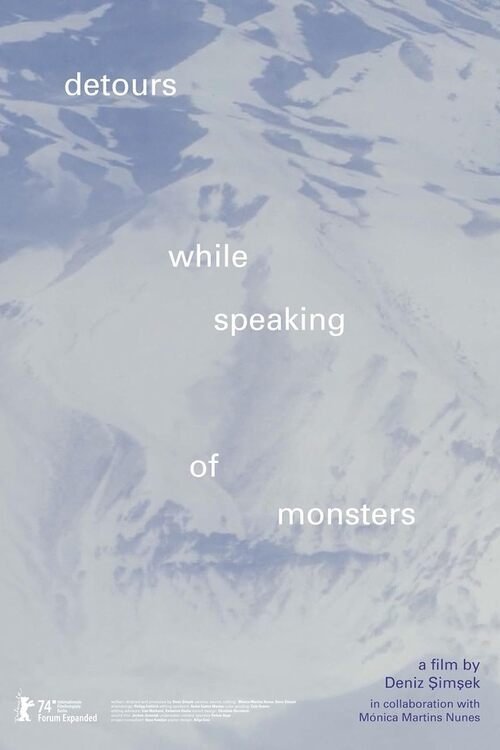
Here, where even monsters are political, the topography has its own memory. It has the mythological blues. Meanwhile, old gods are upset with us, and I am upset with my father.
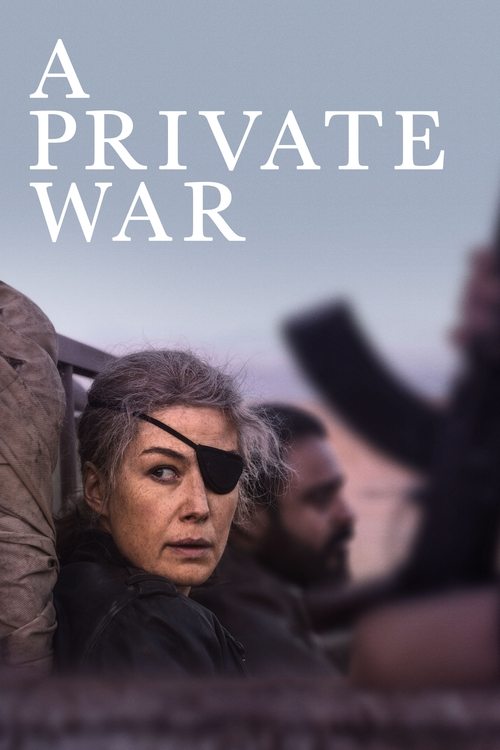
One of the most celebrated war correspondents of our time, Marie Colvin is an utterly fearless and rebellious spirit, driven to the frontlines of conflicts across the globe to give voice to the voiceless.
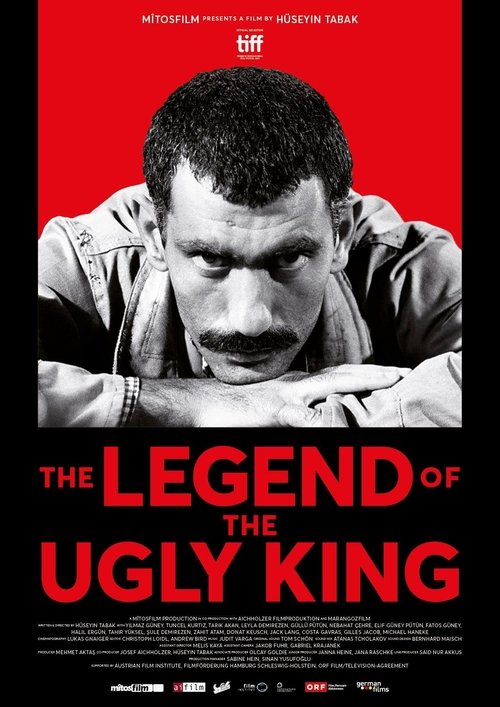
Director Hüseyin Tabak explores the legacy of Yilmaz Güney — political dissident, convicted murderer, and visionary Kurdish filmmaker — who directed the 1982 Palme d'Or–winning Yol from inside prison and died in exile just two years later.
Lt. Col. Michael Strobl, a volunteer military escort accompanies the body of Lance Cpl. Chance Phelps to his hometown in Wyoming.
Lyse Doucet speaks to Hind Kabawat, Syria's minister for social affairs and labour and the only female minister in the transitional government.
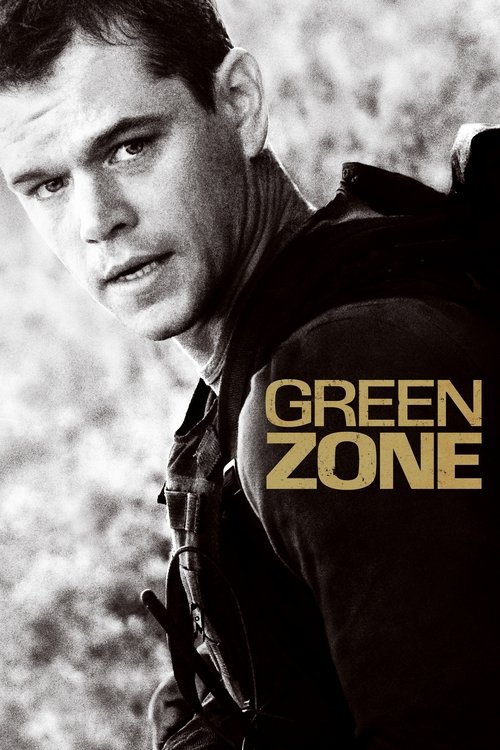
During the U.S.-led occupation of Baghdad in 2003, Chief Warrant Officer Roy Miller and his team of Army inspectors are dispatched to find weapons of mass destruction believed to be stockpiled in the Iraqi desert. Rocketing from one booby-trapped and treacherous site to the next, the men search for deadly chemical agents but stumble instead upon an elaborate cover-up that threatens to invert the purpose of their mission.
A Hindu woman elopes with her Muslim lover, moving with him to Syria. Eventually separated by war, she cares for their handicapped child on her own.
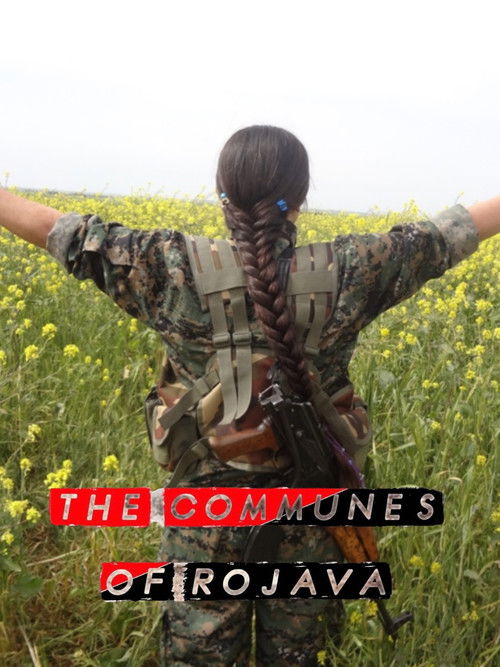
Six years later sequel of "The Communes of Rojava" (2018), made in the face of some of the most dire attacks yet faced by the pluralist, women-led, radically democratic project in North and East Syria. Though deeply inspired by the Rojava Revolution, this film is not about the Kurdish and Syrian Revolutions’ influence for an activist in America.
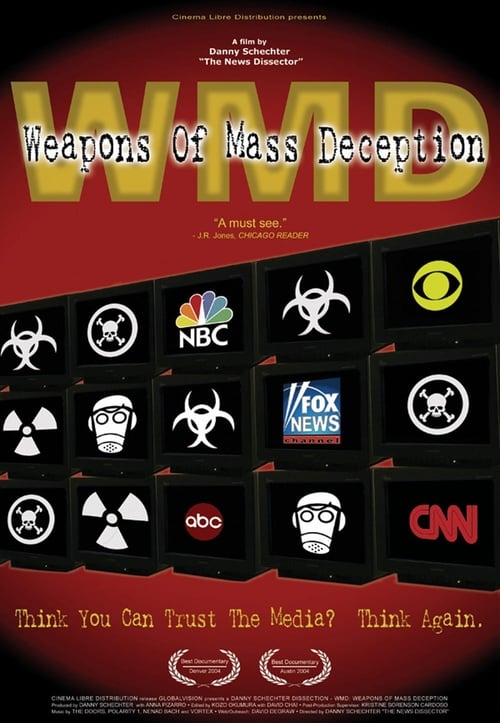
There were two wars in Iraq--a military assault and a media war. The former was well-covered; the latter was not. Until now... Independent filmmaker, Emmy-award winningTV journalist, author and media critic, Danny Schechter turns the cameras on the role of the media. His new film, WMD, is an outspoken assessment of how Pentagon propaganda and media complicity misled the American people...
FRONTLINE tells the stories of soldiers who have come home haunted by their experiences during the Iraq War and asks whether the government is doing enough to help.
Did America rush into a war in Iraq for which it was unprepared? FRONTLINE examines why the U.S. went to war in Iraq, what went wrong in the planning for the postwar occupation, and what was at stake for both the U.S. and for Iraqis.
Olfat is raising her children in hardship. She has one daughter and one son called Yonos who works in Kerman copper mine. One day, she finds a note at home with this massage "My friends and I are going to enter the war as soldiers". After reading this note, Olfat and his friend's parents got worried about their sons. When operation Valfajr failed, they received news about Yonos's friend. Olfat is waiting for her son too. As she finds out that the Iraqi radio announces the Iranian captives' names, she ties a radio on her back and carries it everywhere.
The Iraq war has turned from 'Mission Accomplished' into a hellhole with an indeterminate outcome. There are no WMDs. No links to Al Qaeda. No imminent threat as promised by the administration. In an alternate reality, a group of angry and disgruntled U.S. soldiers set out on a suicide mission to uncover the truth. Doing the unthinkable, they kidnap the Commander in Chief and interrogate him using the same techniques they were trained to inflict upon the people whose country they invaded.
What threads of history bind Manhattan's Ground Zero to those of Nagasaki and Hiroshima? Or connect sight to truth, games to war, or the silkworm to the drone? What does the United States hold to be the role of science in warfare? How has war historically been waged in Buddhist traditions? These are some of the topics addressed in Eyewar: 80 minutes of found footage which traces the development of the digital image from the maps of the second century to the screens of the twenty-first, and the uses of the field of cybernetics from Japan in the 1940s to Chile in the 1970s and Iraq in the 1990s.
A horrible six year conflict befell Syria with a multitude of factions fighting for territories backed by a score of foreign players. The script for war as with Iraq in 2003 originated with Zionist partisans with Israeli interests in mind. From Oded Yinon to the Israeli "Clean Break" papers, the Zionist regime made it very clear what their intentions were in Iraq and Syria. American mass media had a uniform message that "Assad must go" for years until the Trump administration took power. In Iraq, after the US made it clear that they did not back Kurdish secession and would not give them air support, the Iraqi forces chased out the Peshmerga in a mere 36hrs. The world must know that the US was dragged into these conflicts via Israeli pressure and deceptions.
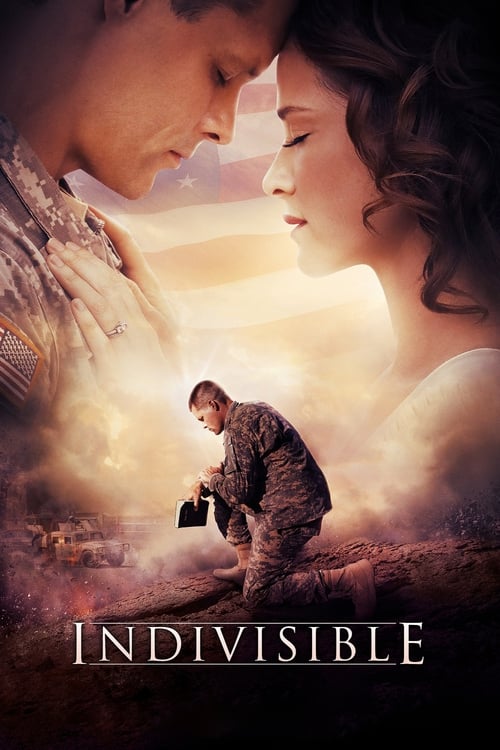
Upon returning from serving in the U.S. Army, Chaplain Darren Turner faces a crisis that shatters his Family and Faith in God but through the help of his fellow soldiers, he returns to his faith and family
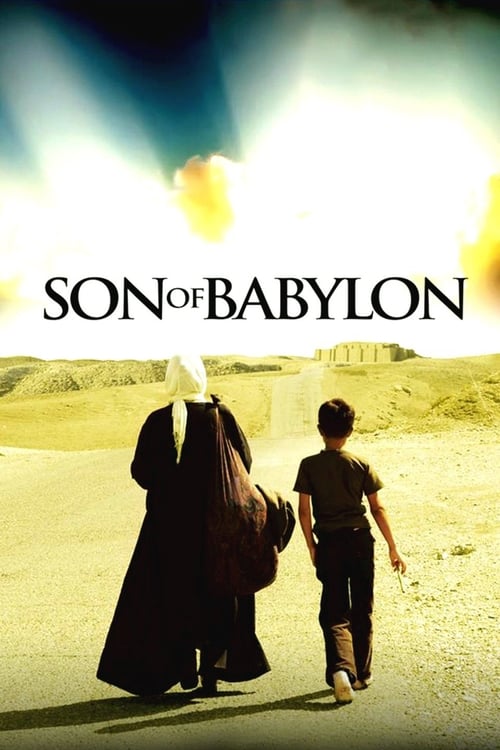
A willful young boy follows his just and obstinate grandmother on a journey across Iraq, determined to discover the fate of her missing son, Ahmed's father, who never returned from war.