American and Russian filmmakers with disabilities collaborate through an international exchange program to create films about their lives, using media as a tool for empowerment, advocacy, and cross-cultural connection.
Jon Alpert
as
Donna Cappella
Benjamin Rosloff
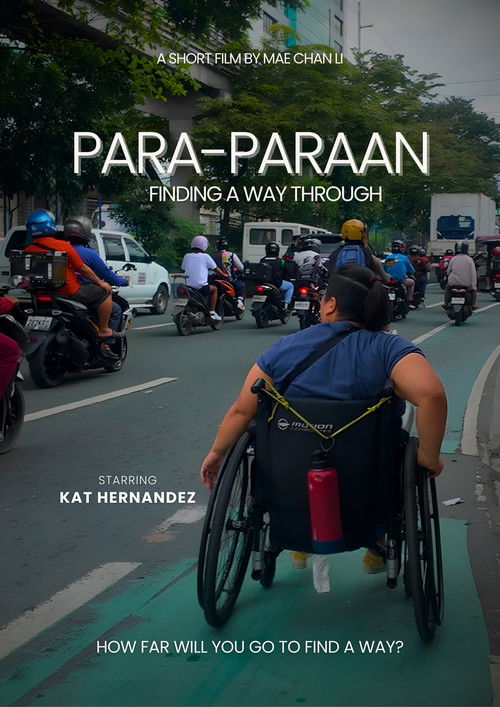
Kat, a wheelchair user, navigates a city where access is improvised and progress remains uneven. Para-Paraan (Finding a Way Through) turns silence into protest, revealing how every workaround conceals a larger truth. Kat’s silence is not defeat but defiance, a quiet hope that someday, resilience will no longer be the only way forward.
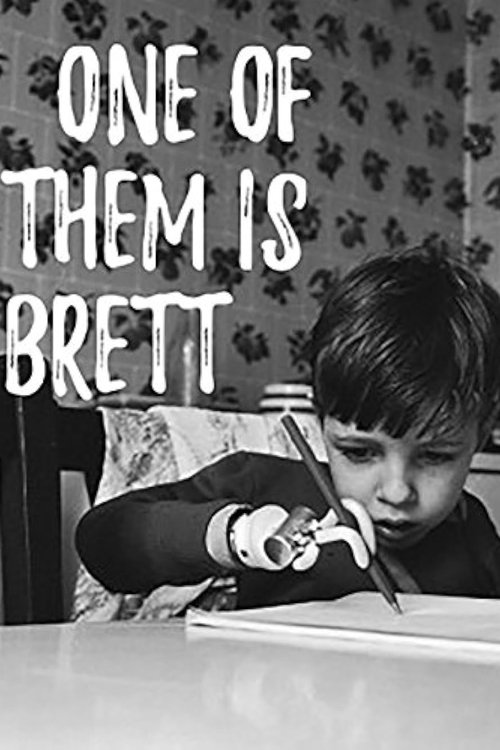
A look into the life of Brett, a boy born without arms due to thalidomide exposure.
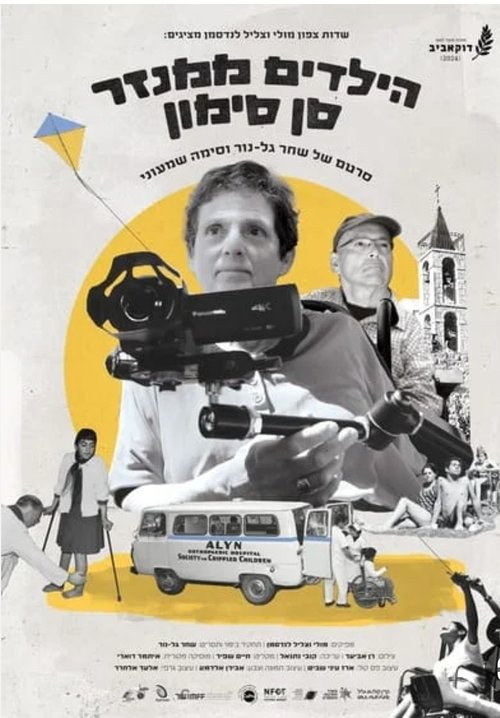
Sima Shimony, age 69, embarks on a mission to find her friends and staff from the "ALYN" Institute for Children with Disabilities, which was situated in the secluded San-Simon monastery in Jerusalem, during the 1960s. Armed with a small camera attached to her wheelchair, she sets off on a journey across the country together with her friend Pini Newirth, also a polio child, to unfold and reclaim the story of the children affected by the Polio epidemic. In a futile attempt to rebuild their bodies so they could walk, the children were subjected to excruciating medical procedures with no parents or family at their side. But growing up together forged a group of remarkable, self-driven women and men with disabilities who eventually launched the Disability Rights movement in Israel.
At just 32 years old, Nelly Shaheen has defied odds to become the world's oldest known survivor of Harlequin Ichthyosis, a painful condition which causes her skin to grow ten times faster than normal. In this heartfelt documentary, we follow Nelly as she battles to live a normal life in the face of extreme adversity.
This documentary follows Rosalinda and Diana, a disabled lesbian couple creating their own space of love and mutual care.
Luca Patuelli is an internationally renown Bboy dancer known as LazyLegz. He born with Arthrogryposis, a disorder that makes the use of his legs almost impossible. For the past few years, he has been the head of a Hip Hop dance program: Projet RAD, an urban dance program in which he gives people with disabilities a chance to follow inclusive classes in a safe environment adapted to their needs.
Charlie Brouwer, a Virginia sculpture artist, shares his experience of becoming legally blind later in his career. Unexpectedly, he finds acceptance through an unlikely muse.
As part of the organization of sporting, cultural and solidarity meetings between a team of amputee footballers from Gaza and the French amputee football team, the project coordinator, filmmaker-director followed with his camera the Palestinian footballers in Gaza before their departure, and during their stay in France.
A professional company of actors with disabilities defies expectations by taking center stage in Chicago the musical.
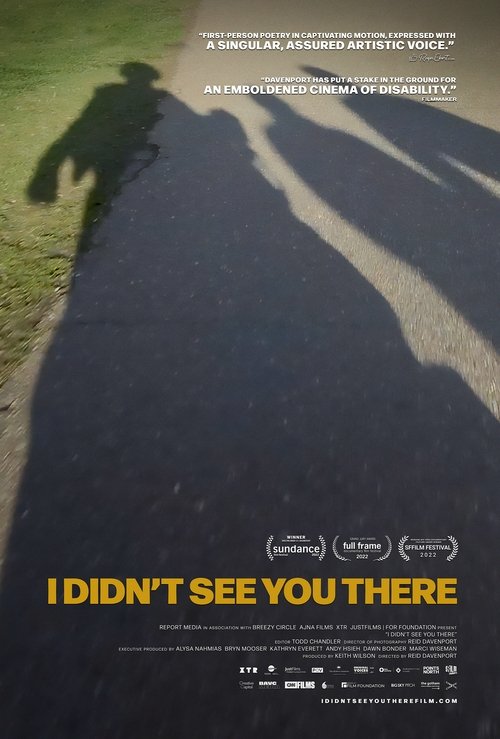
As a visibly disabled person, filmmaker Reid Davenport is often either the subject of an unwanted gaze — gawked at by strangers — or paradoxically rendered invisible, ignored or dismissed by society. The arrival of a circus tent just outside his apartment prompts him to consider the history and legacy of the freak show, in which individuals who were deemed atypical were put on display for the amusement and shock of a paying public. Contemplating how this relates to his own filmmaking practice, which explicitly foregrounds disability, Davenport sets out to make a film about how he sees the world from his wheelchair without having to be seen himself.
This Is Not About Me tells the story of Jordyn Zimmerman. Jordyn dreamt of becoming a teacher. She started out eager to learn at school, but she was soon separated from the other children. Unable to communicate, teachers thought she was also unable to understand or learn. Year after year, her behavior worsened. She was restrained and placed in seclusion. Jordyn found herself caught in a system that unintentionally turned her life into a living nightmare. Finally, at the age of 18, with the help of educators who see her differently, she manages to turn her fate and flourish.
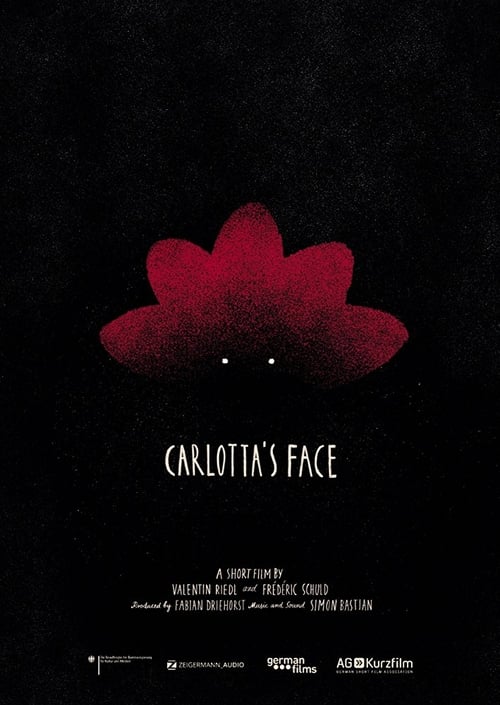
We all share the same kind of brain yet everybody has a different view of the world around us. As a very intriguing example, Carlotta vividly explains how a world without faces does look like. She suffers from the miswiring of a tiny brain region that makes it impossible for her to see and remember faces as a complete construct, called prosopagnosia or face blindness.