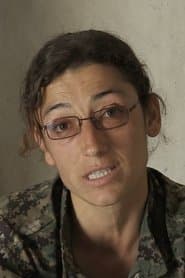
On the front line of the Syrian war, a 30-year-old commander leads her female battalion to retake an ISIS-controlled city and emerges severely wounded, forcing her to redefine herself in this empowering tale of emancipation and freedom.
Arian Afrîn
as self
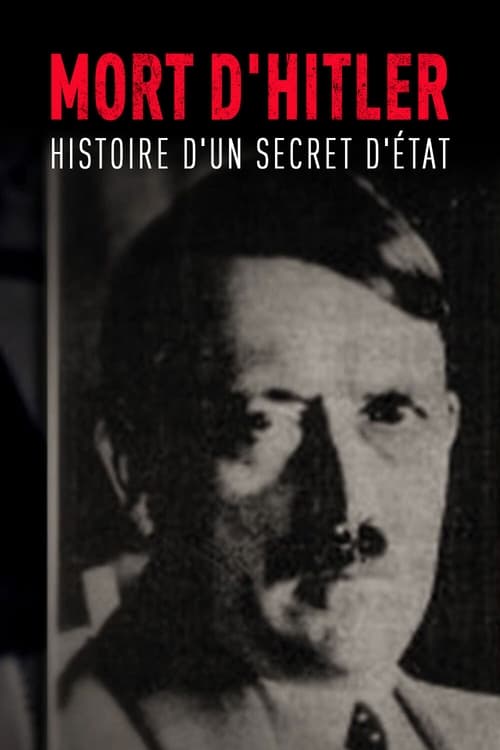
On April 30, 1945, while the Russian Army surrounded Berlin, Hitler committed suicide in his bunker. His body was discovered a few days later by the Soviets. He would be positively identified after a top secret inquest in which Hitler's personal dentist would play a central role. And yet, at the same time, Stalin publicly declared that his army was unable to find the Führer's body, choosing to let the wildest rumors develop and going so far as to accuse some of his Allies of having aided the monster's probable escape. What secrets were hidden behind this dissimulation? What happened then to the two ladies involved in the identification of Hitler’s body?
The documentary deals with the experiences around orgasm of Paraguayan women of different ages and provides the vision of a sexologist who comments on these experiences. In the conversation that is generated from this social dynamic, taboos, myths and common situations in relationships are discussed.
Béatrice Dalle, Lio, Brigitte Fontaine, Corinne Masiero, Aïssa Maïga, Virginie Despentes, Maria Schneider, Gisèle Halimi, Juliette Gréco, and Adèle Haenel—these women lived on their own terms, defying conventions and embracing lives often deemed "scandalous." Labeled frivolous, hysterical, or simply too free and too loud, they faced criticism yet used controversy as a force for change, challenging norms and advancing women's rights. This documentary retraces seventy years of their bold and unconventional journeys, telling the story of the fearless women who shaped history and fought for a more equal world.
For the past seventeen years British Sikh Ravi Singh has provided help to victims of disaster situations across the world, based on the Sikh principle of Seva, or selfless service.
Shot by a reported “1,001 Syrians” according to the filmmakers, SILVERED WATER, SYRIA SELF-PORTRAIT impressionistically documents the destruction and atrocities of the civil war through a combination of eye-witness accounts shot on mobile phones and posted to the internet, and footage shot by Bedirxan during the siege of Homs. Bedirxan, an elementary school teacher in Homs, had contacted Mohammed online to ask him what he would film, if he was there. Mohammed, working in forced exile in Paris, is tormented by feelings of cowardice as he witnesses the horrors from afar, and the self-reflexive film also chronicles how he is haunted in his dreams by a Syrian boy once shot to death for snatching his camera on the street.
After WWII had ended, it was realized by the American Allies that there were children whom Hitler trained to be soldiers between the ages of 9-17. They were the "Hitler Youth". As the adult German soldiers were taken as prisoners of war, so were the children. These boys were taken to France and reeducated by being taught democracy and treated better than the adult POWs. This story recounted by a former "baby cage" prisoner at the age of 92.
An unprecedented access to a number of Saudi women in the capital city of Riyadh as they embrace the freedom that comes from being behind the wheel.The Saudi Women’s Driving School is said to be the world's largest driving school, which caters exclusively to women since the ban on female drivers was lifted in 2017.
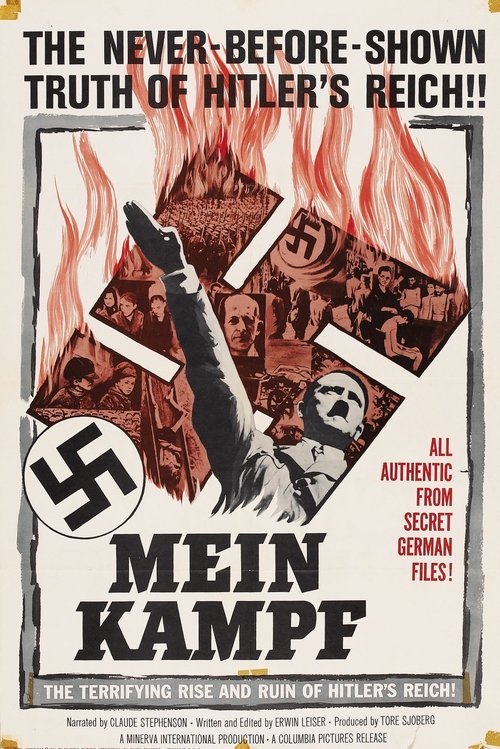
Using exclusively archival footage, Erwin Leiser traces the rise and collapse of the Third Reich, from Adolf Hitler’s early years to the devastation of Europe and his suicide in 1945. The film draws heavily on material produced and preserved by the Nazi propaganda apparatus to confront the mechanisms, imagery, and consequences of totalitarian power.
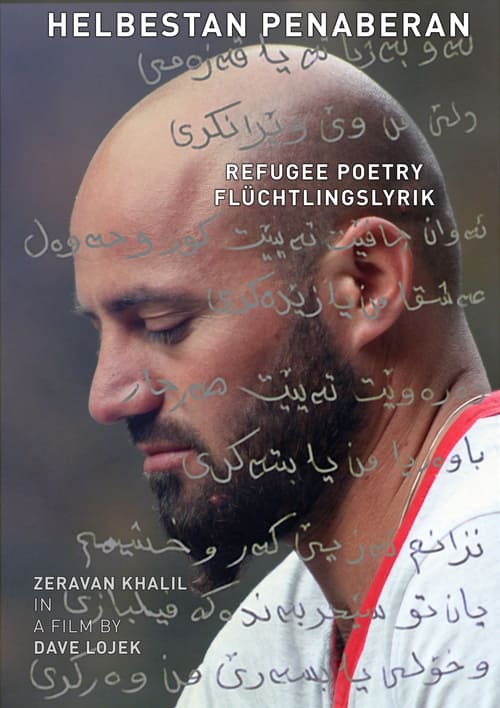
The Kurdish Iraqi poet and actor Zeravan Khalil travels with his dog through an Alpine gorge after fleeing from IS war and genocide. As he remembers the abomination, he writes a poem with the title “You drive me mad” in Kurmanji Kurdish. In his home country, Yazidic Kurds are forbidden to work in his profession. Then he eats his apple and wanders through Europe’s middle with more hope.
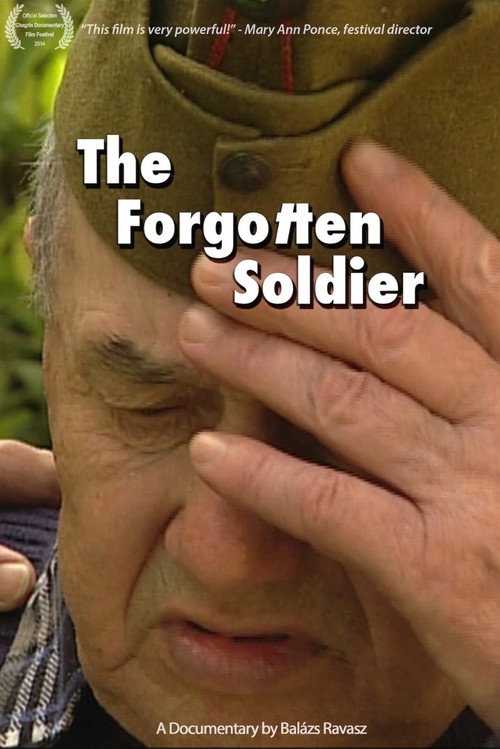
Captured by the Red Army during World War II, Hungarian soldier András Toma was admitted to a Soviet psychiatric hospital. After disappearing from prisoner-of-war records, he was presumed dead in Hungary. Because his name was incorrectly recorded in medical documents and he spoke only Hungarian—mistaken by staff for incoherent speech—Toma spent decades misunderstood and isolated in the institution. Fifty-three years later, a visiting Slovak doctor recognised his language, triggering an investigation by Hungarian authorities. Toma was repatriated in 2000, believed to be the last prisoner of war from World War II to return home.
Untold stories from the frontlines of the 'Deterring Aggression' battle. This documentary chronicles the ten decisive days preceding the operation, casting light on a political milestone that catalyzed the liberation of Syrian lands and signaled the dawn of a new era of hope.
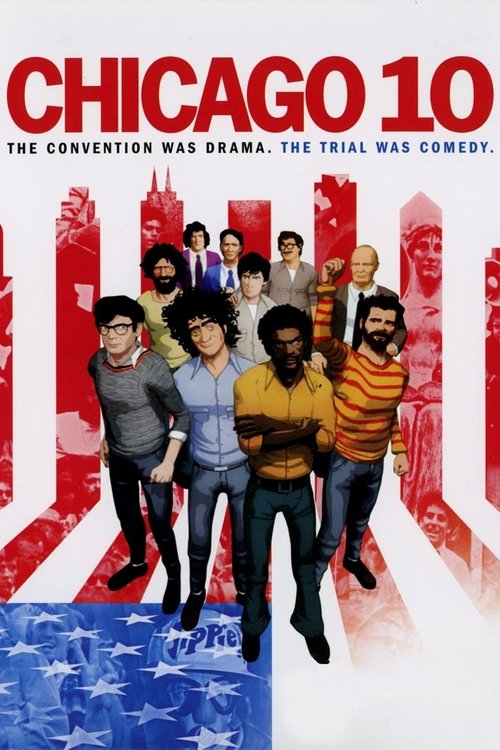
Archival footage, animation and music are used to look back at the eight anti-war protesters who were put on trial following the 1968 Democratic National Convention.
Two Finnish filmmakers and an international team of divers embark on a quest to find the lost WWII German U-boat, U-479, in the Gulf of Finland. Despite Soviet claims of its sinking by the submarine Lembit, unanswered questions prompted the filmmakers to investigate the mystery firsthand.
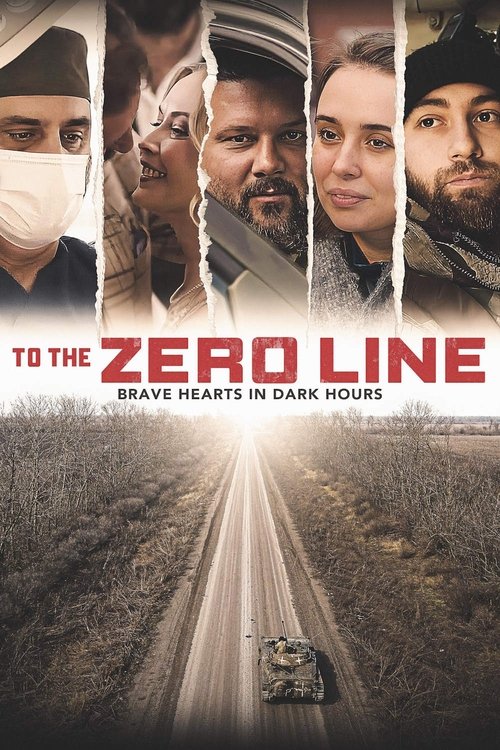
A documentary about the horrific and destructive war that is currently taking place in Ukraine. The film tells the true stories of Ukrainians who have been forced to flee their homes, lose loved ones, and live in fear for their lives. It is a story about the courage, strength of will, and resilience of the Ukrainian people.
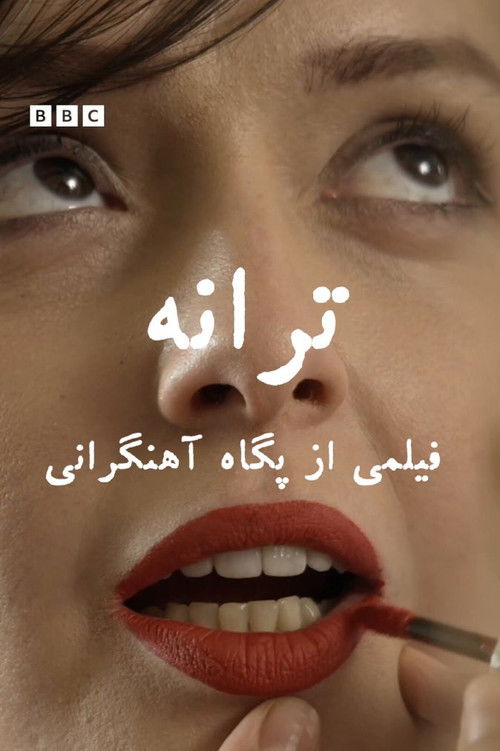
Nearly three years have passed since the "Woman, Life, Freedom" protests in Iran. Many who took part in the 2022 (1401) demonstrations paid a heavy price: some were killed, many were permanently injured, others were sentenced to long prison terms, and many lost their jobs. Among the well-known figures who supported the protests was Taraneh Alidoosti, one of Iran’s most prominent film actresses. After she posted an unveiled photo of herself and later protested the execution of Mohsen Shekari, she was imprisoned. Following her release, she became ill and remained out of the public eye for some time. Alidoosti has also been banned from acting in cinema. For the first time, in the documentary Taraneh, produced by Pegah Ahangarani, Alidoosti speaks about her decision to join the protest movement after the killing of Mahsa Amini. She talks about the day she was arrested at home in front of her little daughter and about the loss of her skin due to an autoimmune disease.
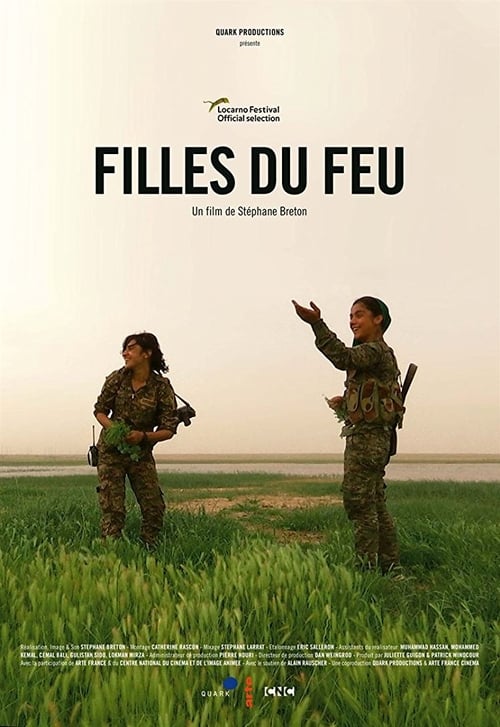
They are just 20 years old and are fighting against the Islamic State in the Syrian Kurdish regions. In a region of the world where women normally have to walk three steps behind men, the fact that they are under arms together with their brothers is of particular significance. Their colorful scarves and their courage have made them famous.
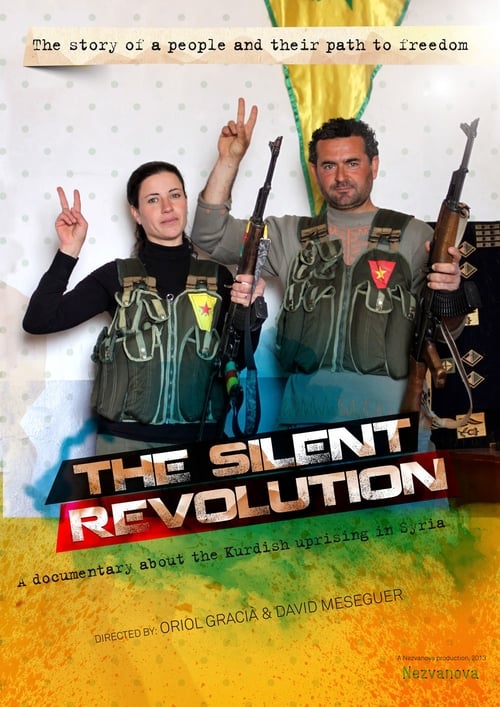
The documentary The Silent Revolution explains the revolution involving nearly 3 million kurds living in Syria. With the outbreak of the civil war —in the frame of the called ‘Arab Spring'— the Kurds of Syria have taken advantage of the context to fight for their political and cultural recognition and thus end the repression that started more than 50 years ago.
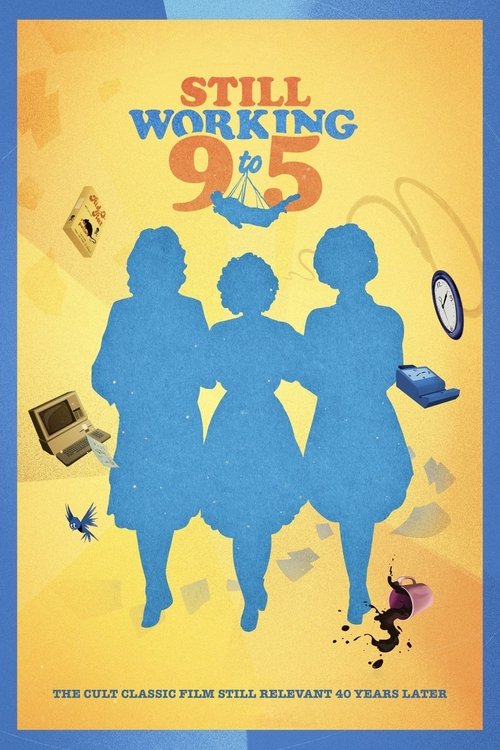
Examines the 40-year evolution of gender inequality and discrimination in the workplace since the 1980 release of the comedy film “9 to 5” starring Jane Fonda, Lily Tomlin, Dolly Parton, and Dabney Coleman.